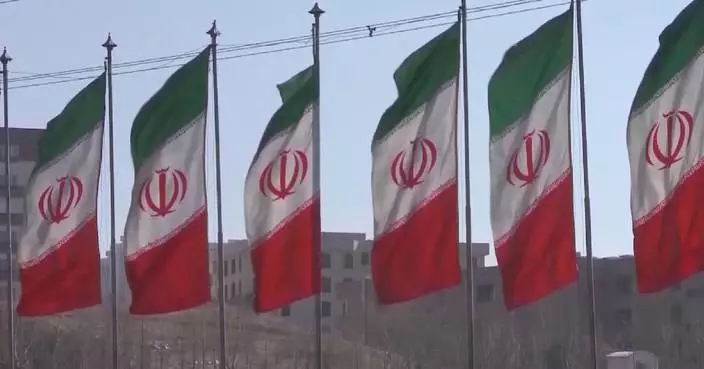
Russia's general public's reactions to the European Union's latest sanctions remain split, as the country is downplaying their impact on its critical oil and energy sector.
The EU's 18th sanctions package, its toughest one so far, took effect last week, targeting transactions linked to the Nord Stream gas pipelines and shadow fleet tankers.
Experts said that while new sanctions will complicate existing business routes and force businesses to look for new channels, they are unlikely to have an immediate impact or cripple the Russian economy that grew by 4.3 percent last year, compared to 0.7 percent in the Eurozone, stressing these restrictions are far more damaging to the bloc.
Officials said the country has already adjusted to earlier sanctions, pointing to 2022 as the hardest year, when Russia became the world's most sanctioned nation.
Economists are suggesting that Russia should respond to western curbs, targeting assets of western companies that used to operate in Russia.
Public reactions are mixed. Some citizens say the sanctions are barely felt and will not produce tangible effects.
"We live and we will continue to live. There have been so many packages before. We will somehow overcome it," said Diana, a resident.
"I think they are introducing sanctions because of hopelessness. They don't know how to hurt and to humiliate Russia. We don't feel here any effect on our life," said Marina, another resident.
Still, some admit the measures have disrupted everyday routines.
"Life has become more difficult -- payments, traveling, movement -- they have created problems," said Ivan.
"We discuss it in the family every day. We are tired of it. It’s very difficult," said Liuyda.
The new restrictions come as the conflict in Ukraine shows no signs of abating.
Russia said its resolve to achieve its goals in Ukraine will not change and the threat of more sanctions is unlikely to make Moscow change its course.
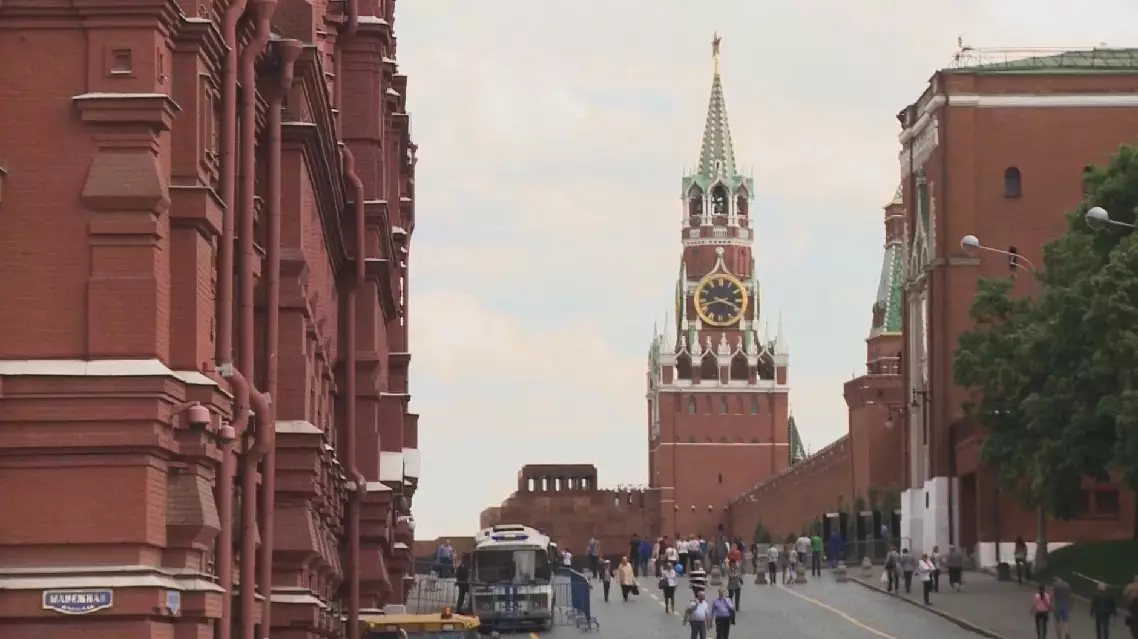
Russian general public have divided views on EU sanctions
Melting permafrost, increasing geographical disasters, and water shortage triggered by rising global temperatures are affecting the operation of Alpine huts, one of Switzerland's most cherished institutions, according to Schweizer Alpen-Club (SAC).
Alpine huts are central to Switzerland's mountain culture and tourism economy. They provide essential shelter, unique hospitality, and historical preservation across the Swiss Alps.
Originally built in late 19th and early 20th centuries as shelters for scientists and explorers, Swiss Alpine huts are now havens for hikers.
Most Alpine huts sit on permanently frozen ground, which acts like natural concrete stratum to keep mountain terrain stable.
As global temperature keeps rising, melting permafrost is loosening the foundation of roughly 40 percent of mountain huts, according to SAC.
Currently, about half of the Swiss mountain huts still offer spectacular views of snow-capped mountains and glaciers, but scientists predict that most of these glaciers will disappear by the end of this century.
"We can see from our mountain hut that every year, the glaciers in front of us keep melting and are becoming smaller and smaller," said a hut runner.
SAC said mountain regions bear the serious impacts of climate change.
"It's the hut that has also been shut down. You see, this is built on permafrost. You see, here, the cracks and you try to have it together stable with steel, but it didn't work anymore. Mountain regions experience climate change much stronger than global average. You see here, we have had, in the last 60 years, maybe roughly one degree on the global average rising temperatures. But in Switzerland and in the Alps, it's the double," said Philippe Wager, head of huts and environment at SAC.
High-altitude mountain huts are also facing water crisis as they rely primarily on winter snowpack and summer glacial meltwater as the major water source.
Melting glaciers and warmer winters, which bring less snow every year, jointly contribute to less water supplies.
Meanwhile, increasing geological hazards such as rockfalls, landslides and mudflows are also threatening safety of mountain huts and hikers.
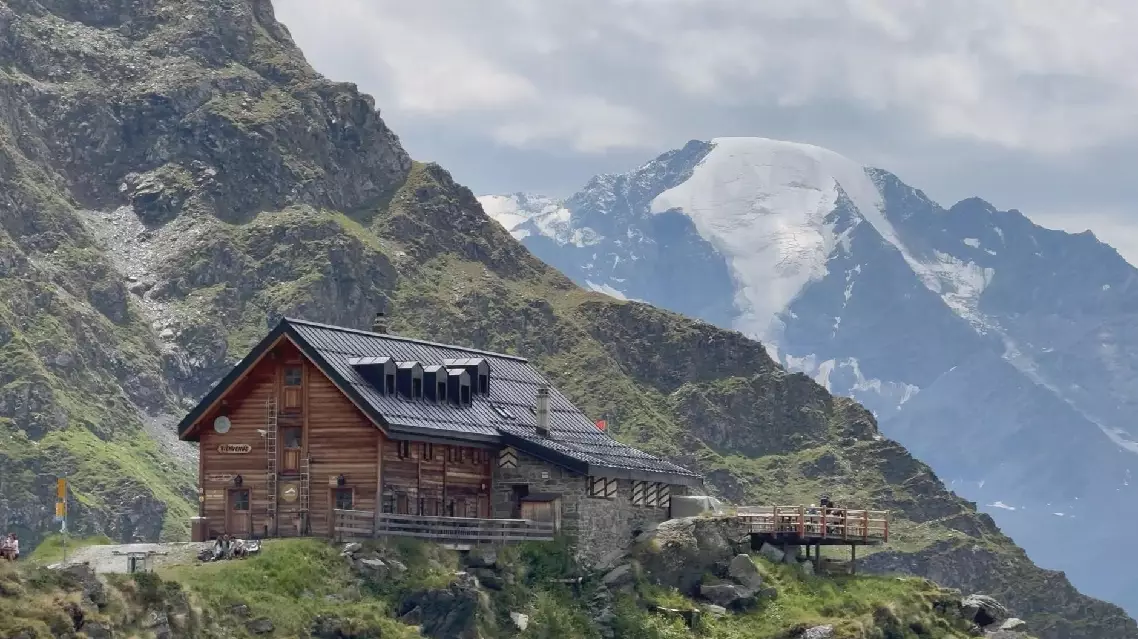
Climate change threatens Swiss Alpine huts