ISTANBUL (AP) — Talks between Iranian and European diplomats in Istanbul ended Friday with the sides agreeing to meet again to seek to unpick the deadlock over Tehran’s nuclear program.
Representatives from Britain, France and Germany, known as the E3 nations, gathered at the Iranian Consulate building for the first talks since Iran’s 12-day war with Israel in June, which involved U.S. bombers striking nuclear-related facilities.
Click to Gallery
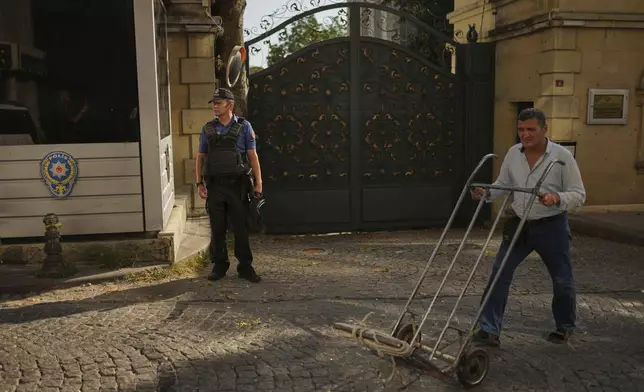
A policeman stands guard outside of the Iranian consulate as European and Iranian diplomats meet for talks over Tehran's nuclear program, in Istanbul, Turkey, Friday, July 25, 2025. (AP Photo/Francisco Seco)
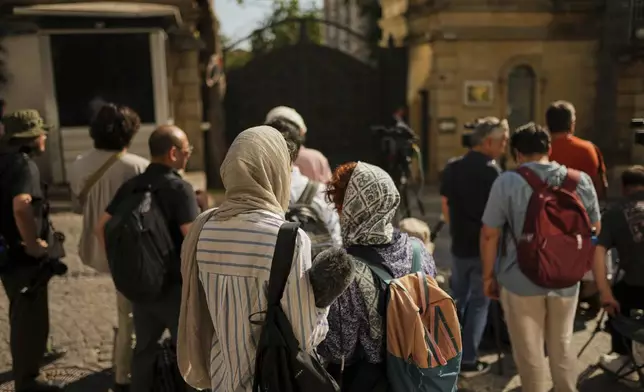
Journalists wait outside of the Iranian consulate, in Istanbul, Turkey, Friday, July 25, 2025, ahead of a meeting between European and Iranian diplomats for talks over Tehran's nuclear program. (AP Photo/Francisco Seco)
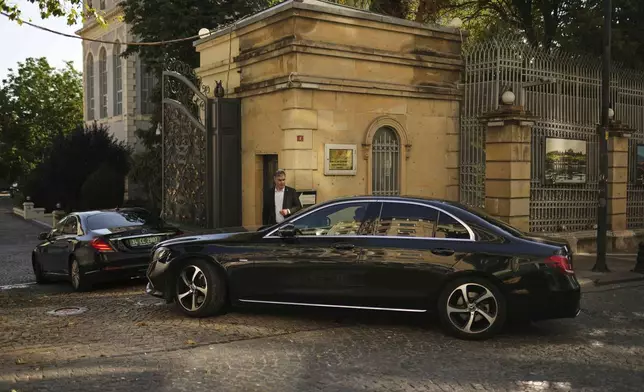
Cars, which are believed to carry European diplomats, enter the Iranian consulate ahead of a meeting with Iranian counterparts for talks over Tehran's nuclear program, in Istanbul, Turkey, Friday, July 25, 2025. (AP Photo/Francisco Seco)
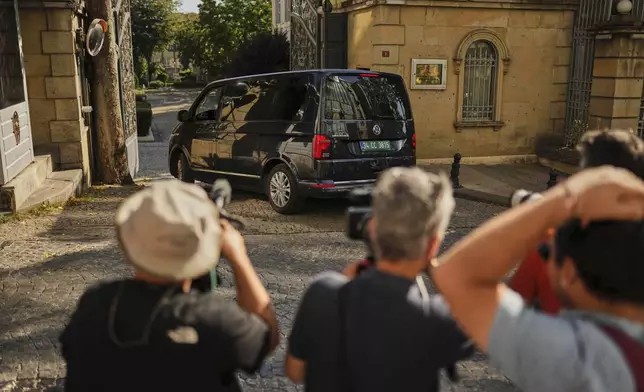
A van, which is believed to carry European diplomats, enters the Iranian consulate ahead of a meeting with Iranian counterparts for talks over Tehran's nuclear program, in Istanbul, Turkey, Friday, July 25, 2025. (AP Photo/Francisco Seco)
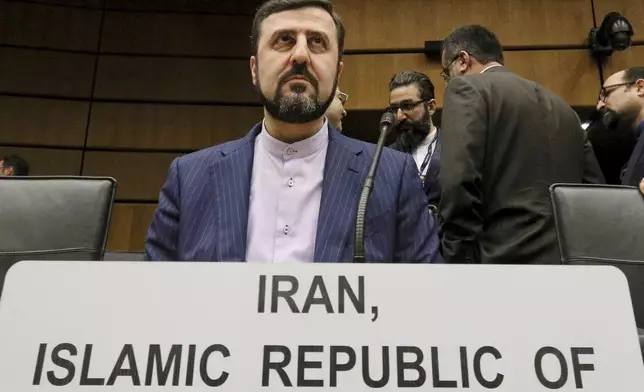
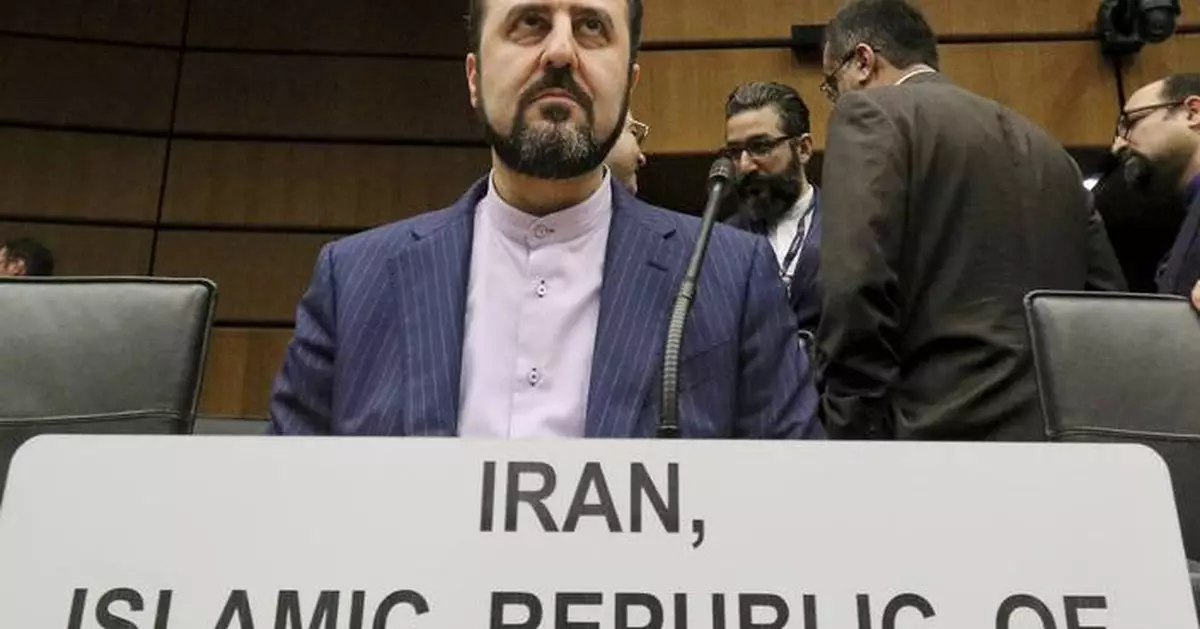
FILE - Ian's Ambassador to the International Atomic Energy Agency, IAEA, Kazem Gharibabadi, waits for the start of the IAEA board of governors meeting at the International Center in Vienna, Austria, Nov. 21, 2019. (AP Photo/Ronald Zak, File)
The talks, which ended after four hours, centered on the possibility of reimposing sanctions on Iran that were lifted in 2015 in exchange for Iran accepting restrictions and monitoring of its nuclear program.
Iranian negotiator, Deputy Foreign Minister Kazem Gharibabadi, said that the “serious, frank and detailed” meeting focused on the nuclear issue and the status of sanctions while agreeing to further discussions.
The E3 nations had earlier warned that sanctions could return under a process known as the “snapback” mechanism, which allows one of the Western parties to reimpose U.N. sanctions if Tehran doesn't comply with its requirements.
“Both sides came to the meeting with specific ideas,” Gharibabadi said in a social media post. “It was agreed that consultations on this matter will continue.”
As the talks were ongoing, Iran’s Foreign Ministry spokesman, Esmail Baghaei, said that he hoped that the meeting would see the E3 nations reassess their “previous unconstructive attitude.”
European leaders have said sanctions will resume by the end of August, if there is no progress on containing Iran’s nuclear program.
The snapback mechanism “remains on the table," a European diplomat said on condition of anonymity because of the sensitivity of the talks,
“A possible delay in triggering snapback has been floated to the Iranians on the condition that there is credible diplomatic engagement by Iran, that they resume full cooperation with the IAEA (International Atomic Energy Agency), and that they address concerns about their highly-enriched uranium stockpile,” the diplomat said prior to Friday’s negotiations.
Tehran, meanwhile, has said that Washington, which withdrew from the 2015 deal during the first term of U.S. President Donald Trump, needs to rebuild faith in its role in negotiations.
Gharibabadi previously said that Iran’s engagement was dependent on “several key principles” that included “rebuilding Iran’s trust — as Iran has absolutely no trust in the United States.”
In a social media post on Thursday, he also said that the talks shouldn’t be used “as a platform for hidden agendas such as military action.” Gharibabadi insisted that Iran’s right to enrich uranium “in line with its legitimate needs” be respected, and sanctions removed.
Iran has repeatedly threatened to leave the Nuclear Nonproliferation Treaty, which commits it to refrain from developing nuclear weapons, if sanctions return.
Friday’s talks were held at the deputy ministerial level, with Iran sending Gharibabadi and a fellow deputy foreign minister, Majid Takht-e Ravanchi. A similar meeting was held in Istanbul in May. The identity of the E3 representatives weren't immediately clear, but the European Union’s deputy foreign policy commissioner was thought to be attending.
The U.K., France and Germany were signatories to the 2015 deal, alongside the U.S., Russia and China. When Washington withdrew in 2018, Trump insisted the agreement wasn’t tough enough. Under the original deal, neither Russia nor China can veto reimposed sanctions.
Since the Israeli and U.S. strikes on Iran, which saw American B-52 bombers hit three nuclear sites, Iranian Foreign Minister Abbas Araghchi has accused the E3 of hypocrisy, saying that they failed to uphold their obligations while supporting Israel’s attacks.
Against the backdrop of the conflict, in which Iran responded with missile attacks on Israel and a strike on a U.S. base in Qatar, the road ahead remains uncertain.
While European officials have said they want to avoid further conflict and are open to a negotiated solution, they have warned that time is running out.
Tehran maintains that it's open to diplomacy, though it recently suspended cooperation with the IAEA.
A central concern for Western powers was highlighted when the IAEA reported in May that Iran’s stockpile of uranium enriched to 60% — just below weapons-grade level — had grown to more than 400 kilograms (nearly 900 pounds).
In an interview with Al Jazeera that aired Wednesday, Iranian President Masoud Pezeshkian said that Iran is prepared for another war and reiterated that its nuclear program will continue within the framework of international law, while adding that the country had no intention of pursuing nuclear weapons.
IAEA Director-General Rafael Mariano Grossi, meanwhile, said that no date had been set yet to restart inspections of Iran’s nuclear facilities.
Speaking during a visit to Singapore on Friday, he warned that if inspectors “do not return soon, there will be a serious problem, because this is an international obligation of Iran.”
While he was “encouraged” by Tehran’s readiness to engage with the IAEA, Grossi said that the sides needed “to move from words to the reality.”
Stephanie Liechtenstein reported from Vienna. Nasser Karimi and Amir Vahdat contributed to this report from Tehran, Iran.
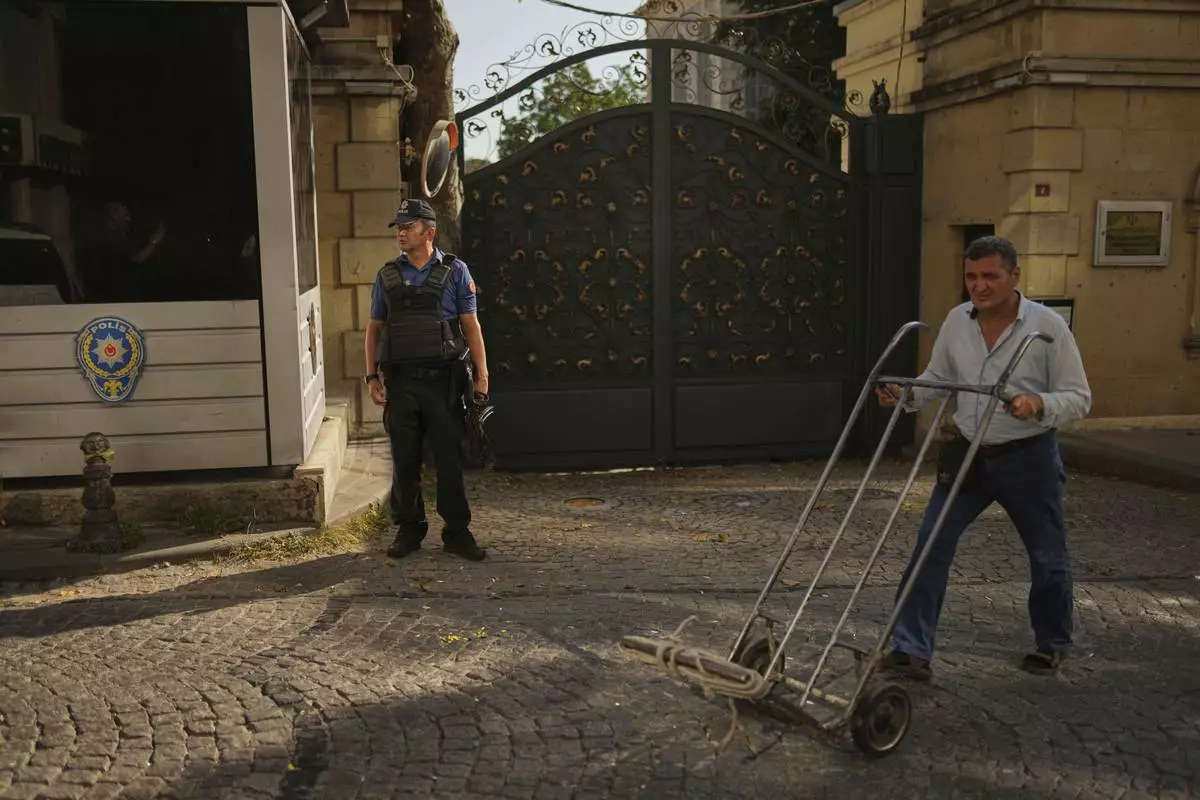
A policeman stands guard outside of the Iranian consulate as European and Iranian diplomats meet for talks over Tehran's nuclear program, in Istanbul, Turkey, Friday, July 25, 2025. (AP Photo/Francisco Seco)
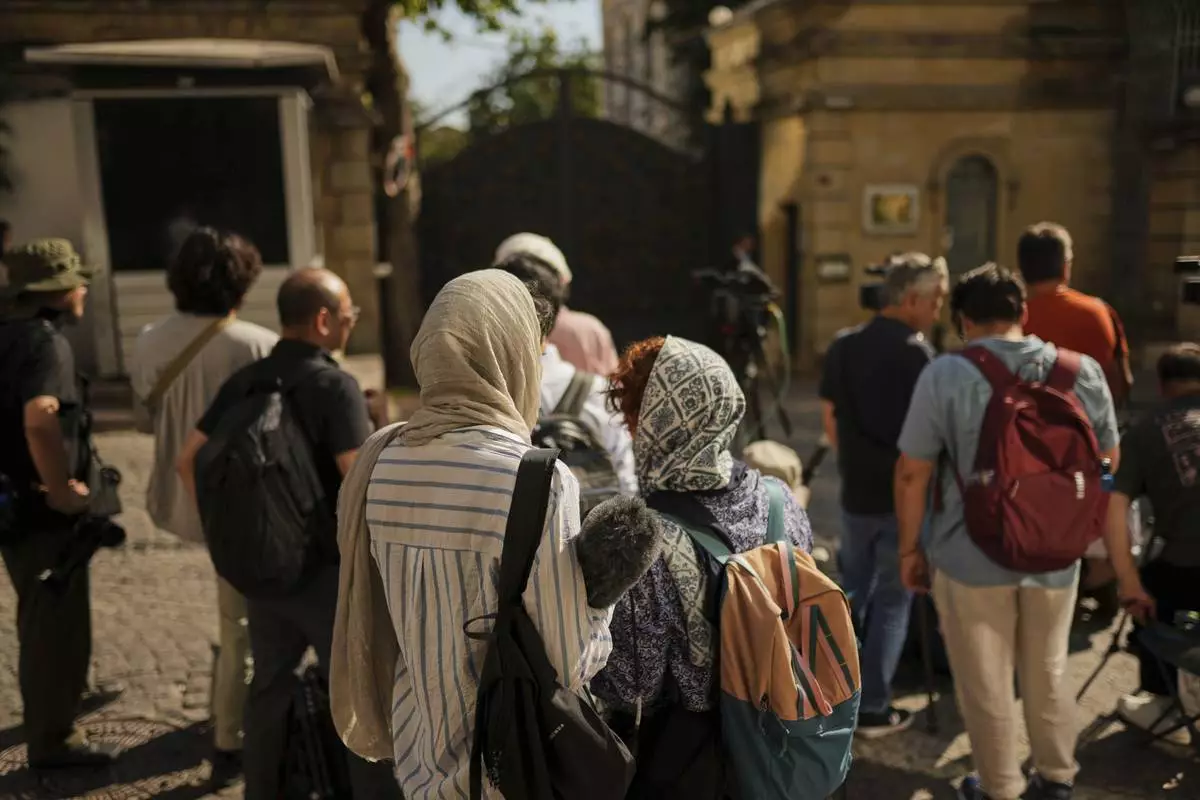
Journalists wait outside of the Iranian consulate, in Istanbul, Turkey, Friday, July 25, 2025, ahead of a meeting between European and Iranian diplomats for talks over Tehran's nuclear program. (AP Photo/Francisco Seco)
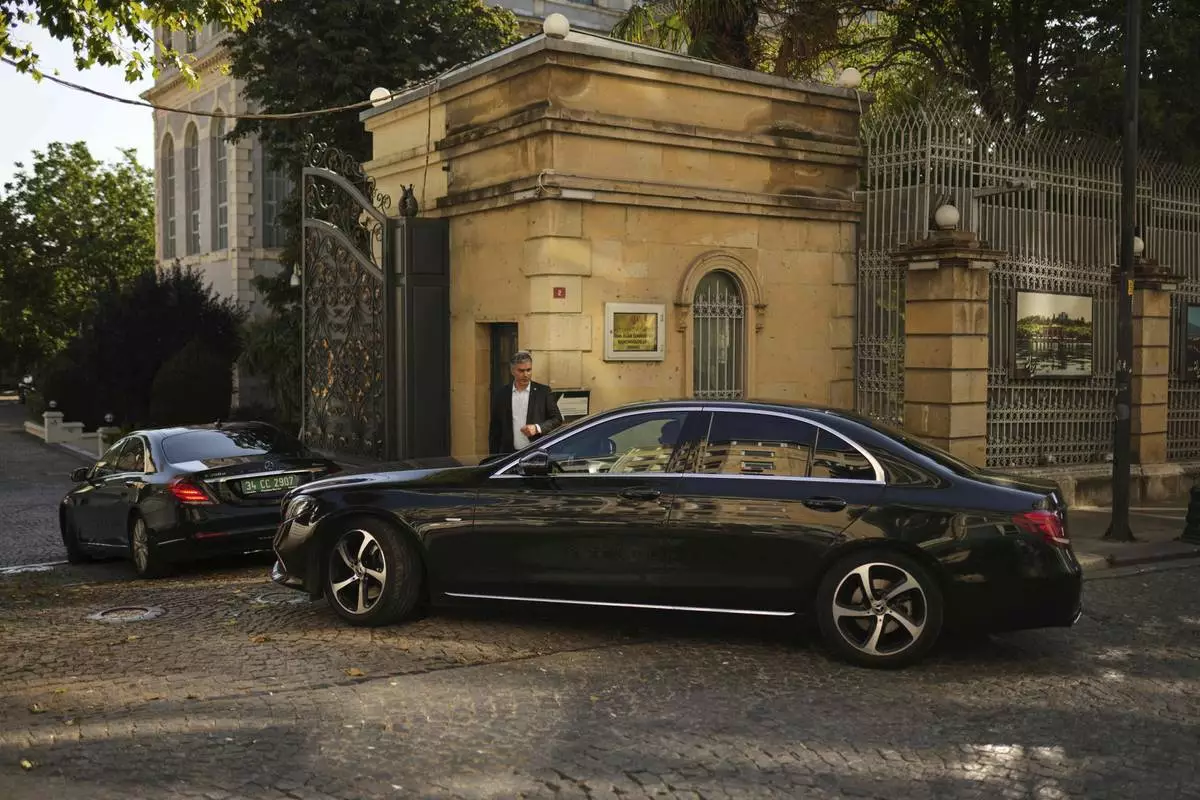
Cars, which are believed to carry European diplomats, enter the Iranian consulate ahead of a meeting with Iranian counterparts for talks over Tehran's nuclear program, in Istanbul, Turkey, Friday, July 25, 2025. (AP Photo/Francisco Seco)
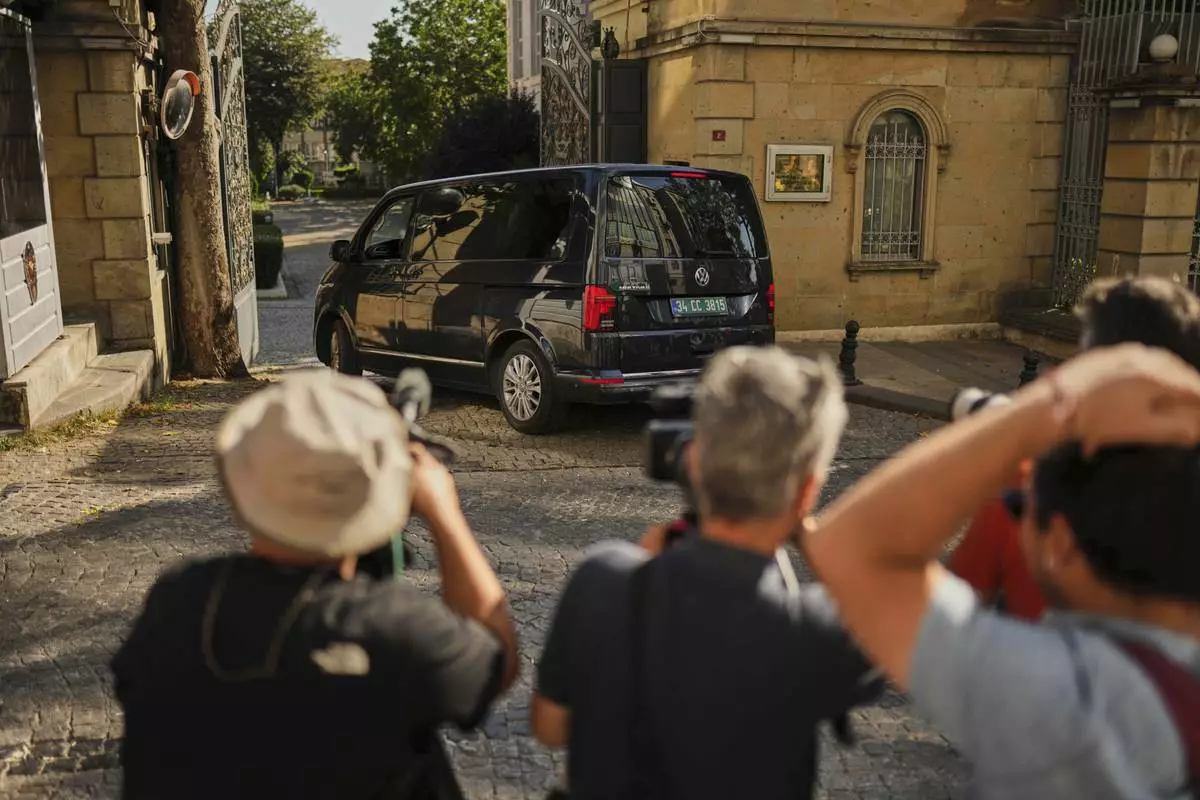
A van, which is believed to carry European diplomats, enters the Iranian consulate ahead of a meeting with Iranian counterparts for talks over Tehran's nuclear program, in Istanbul, Turkey, Friday, July 25, 2025. (AP Photo/Francisco Seco)
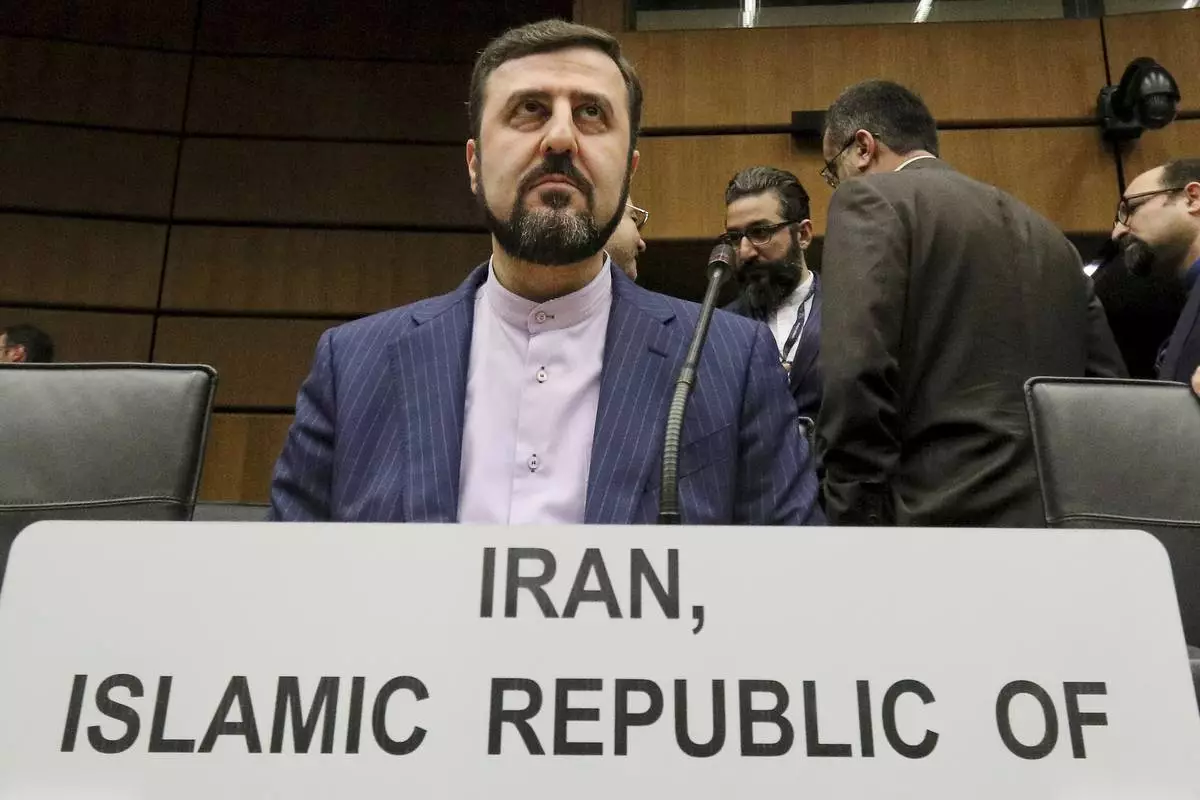
FILE - Ian's Ambassador to the International Atomic Energy Agency, IAEA, Kazem Gharibabadi, waits for the start of the IAEA board of governors meeting at the International Center in Vienna, Austria, Nov. 21, 2019. (AP Photo/Ronald Zak, File)