DH ramps up health education on prevention and control measures against Chikungunya fever amid global surge
A surge in Chikungunya fever (CF) has been reported in different countries and regions worldwide. The Centre for Health Protection (CHP) of the Department of Health (DH) said today (July 25) that it will continue to implement a multipronged approach to prevent the spread of CF in Hong Kong and safeguard public health. The CHP will hold two online seminars next week. Doctors will explain the symptoms of CF, how to prevent infection and how to properly use insect repellents. The seminars aim to enhance public understanding of this mosquito-borne disease and encourage active participation in prevention efforts to protect both oneself and others.
"CF is primarily transmitted to humans through the bite of female Aedes mosquitoes carrying the CF virus, and is not transmitted from person to person. The recent spike in CF cases in multiple regions worldwide poses a significant risk of imported cases in Hong Kong. When it comes to CF, the saying 'prevention is better than cure' is absolutely applicable. Although there is currently no registered vaccine in Hong Kong to prevent CF, avoiding mosquito bites and curbing mosquito breeding can create an effective barrier to prevent the local spread of the disease. To this end, the CHP has increased its public awareness and educational efforts targeting different groups and will continue to work closely with various government departments and stakeholders to enhance preparedness and readiness," said the Controller of the CHP, Dr Edwin Tsui.
Dr Tsui added that CF can easily lead to large-scale outbreaks in environments with severe mosquito infestations, placing a burden on the healthcare system. While most CF patients have mild symptoms, the elderly, young children and those with underlying illnesses are more likely to develop complications after becoming infected. After recovery, patients may experience long-term joint pain, which can persist for months or even years, causing inconvenience or distress to their daily lives. Therefore, CF should not be taken lightly.
Control measures at boundary control points (BCPs)
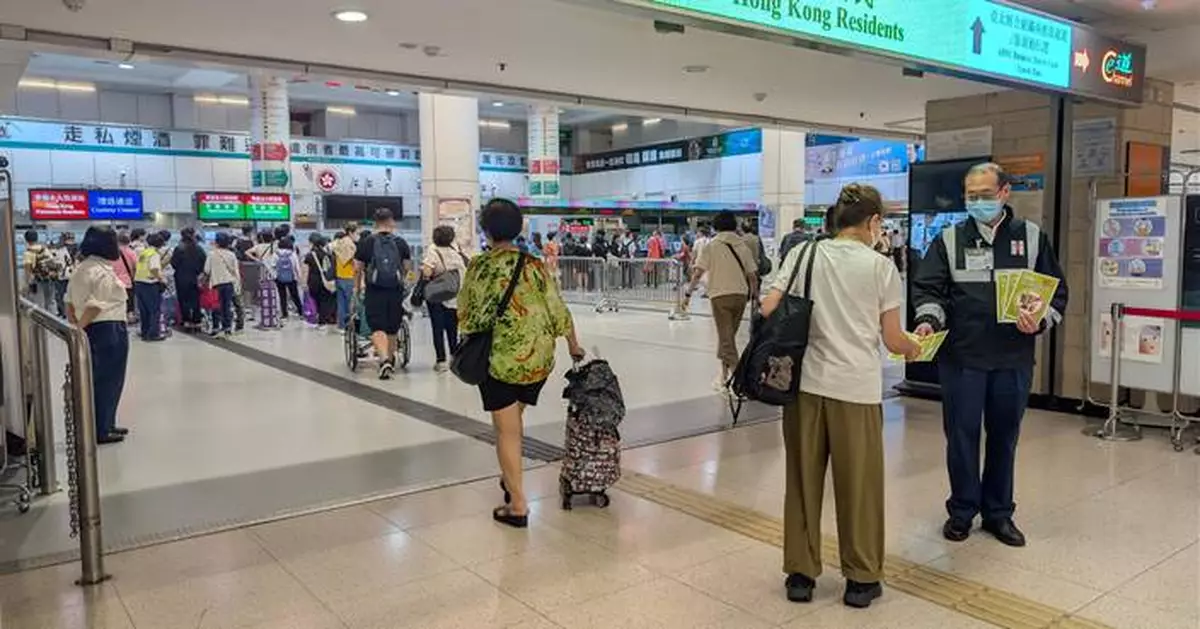
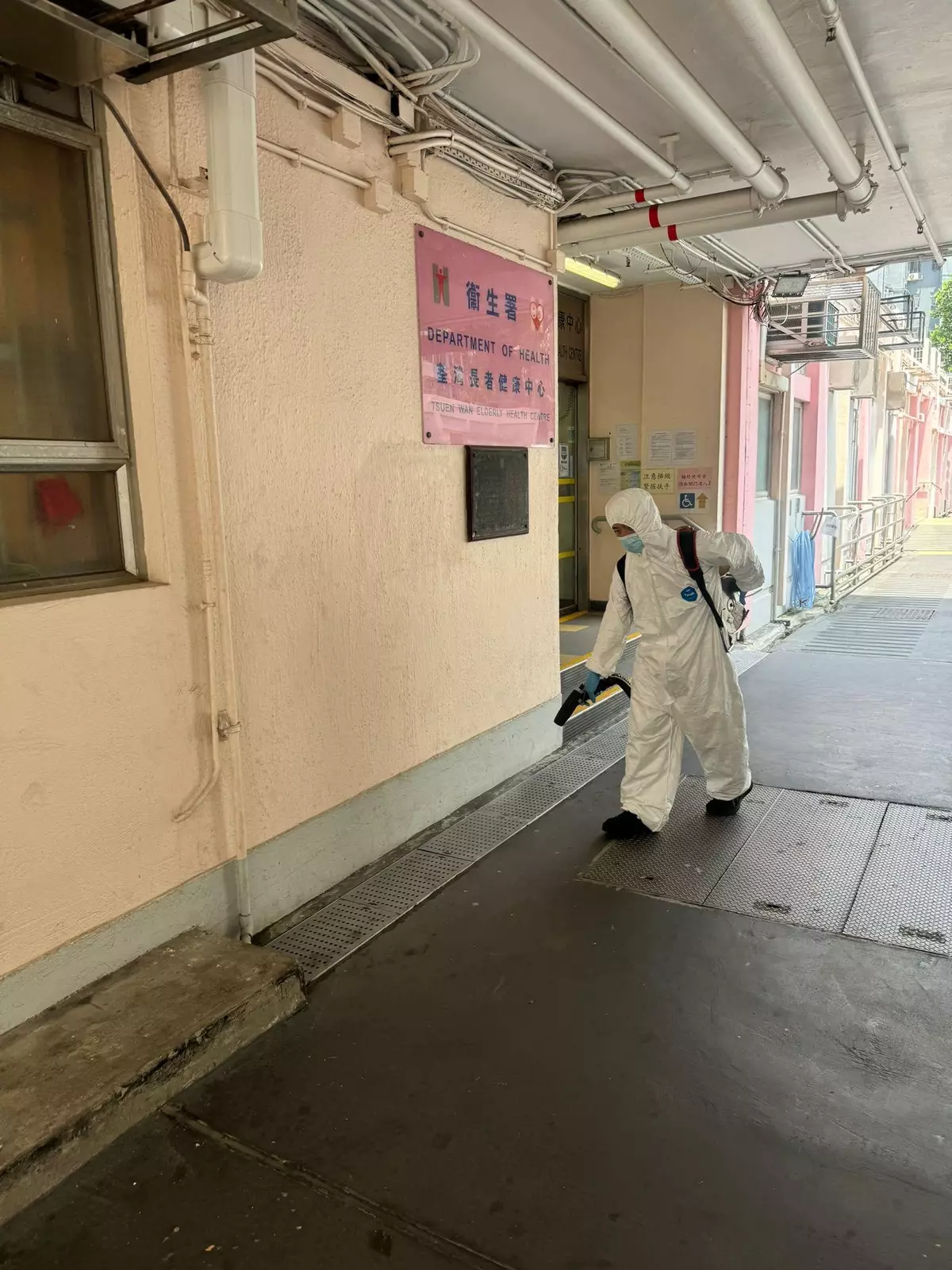
The CHP's Port Health Division steps up publicity and education efforts regarding CF at the BCPs, conducts more frequent inspections to ensure good environmental hygiene and effective implementation of anti-mosquito measures, conducts temperature screening for inbound travellers. Any travellers with fevers or related symptoms will be assessed on health conditions and referred to hospitals for follow up when necessary. The CHP also maintains close liaison with relevant stakeholders such as airlines and the travel industry to provide the latest disease information and health advice in a timely manner.
Reminder to healthcare professionals to report CF cases
Today, the CHP issued another letter to all doctors and hospitals in Hong Kong regarding CF to provide them with the latest epidemiological information and appeal them to watch out for CF-related symptoms among those who return to Hong Kong from outbound travel. If CF cases are detected, they should be immediately referred to hospitals for treatment and reported to the DH in accordance with the established mechanism so that the DH can initiate epidemiological investigations, and implement prevention and control measures.
Measures the public should continue to take
The CHP will hold two online seminars next week to raise public awareness of CF and address related inquiries from the public. Details will be announced later on the CHP's social media accounts, and the public is welcome to watch. Starting from today, the CHP has also set up mobile promotional booths at multiple locations across Hong Kong (including public markets, community health centres, and shopping malls) to educate the public on how to prevent mosquito-borne diseases. Details can be viewed at www.chp.gov.hk/en/other/events/476.html.
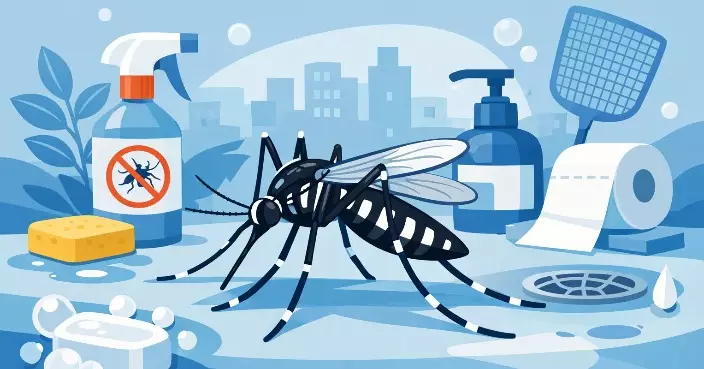
The CHP recommends that the public properly use DEET-containing insect repellents or other effective active ingredients to effectively prevent mosquito bites. The following precautions should be taken when using them:

Latest global situation regarding CF
There have been no CF cases in Hong Kong since 2020.
According to the World Health Organization, CF cases have been recorded in more than 110 countries/regions. As of early June this year, over 220 000 cases had been reported in 14 countries/regions worldwide (including the Mainland, Taiwan and Singapore which are popular tourist destinations for Hong Kong citizens). Of these cases, about 80 were fatal. Around one third of the population of La Réunion were currently estimated to be infected with CF, and cases were reported in Europe (including France and Italy).
In July this year, an outbreak of CF occurred in Shunde District of Foshan City, Guangdong Province, triggered by imported cases. As of July 24, there were 3 645 CF confirmed cases in Foshan. The majority of cases (3 317 cases) were in Shunde District; 178 cases in Chancheng District; 141 cases in Nanhai District; six in Sanshui District and three in Gaoming District. All cases were mild, with no severe or fatal cases so far. Regarding Macao, the first and second CF cases this year were recorded on July 18 and 22 respectively. The patients travelled to Shunde and Nanhai respectively during the incubation period and was classified as imported cases.
"Although Aedes aegypti, the primary vector for spreading CF, is not found in Hong Kong, Aedes albopictus is another vector that can transmit CF. Imported cases of CF and dengue fever can lead to local transmission if they are bitten by mosquitoes during the communicable period. Mosquitoes breed quickly during the hot, rainy spring and summer months.Inadequate mosquito control also poses a risk of CF outbreaks. Mosquito control is of paramount importance, including eliminating mosquito breeding sites and avoiding mosquito bites. Members of the public are advised to maintain strict environmental hygiene,mosquito control and personal protective measures both locally and when travelling outside of Hong Kong. Scientific research showed that even asymptomatic or pre-symptomatic infected individuals can transmit the virus to mosquitoes through bites. Members of the public returning from areas affected by CF should apply insect repellent for 14 days upon arrival in Hong Kong. If they feel unwell, they should seek medical advice promptly and provide their travel details to a doctor," said Dr Tsui.
The public should call 1823 in case of mosquito problems and may visit the following pages for more information: the dengue fever page of the CHP and the Travel Health Service,the Chikungunya fever page of theCHPand theTravel Health Service, the latestTravel Health News,tips for using insect repellents, and the CHPFacebook PageandYouTube Channel.
DH ramps up health education on prevention and control measures against Chikungunya fever amid global surge Source: HKSAR Government Press Releases
DH ramps up health education on prevention and control measures against Chikungunya fever amid global surge Source: HKSAR Government Press Releases