SINGAPORE (AP) — The United States team at the swimming world championships in Singapore is battling a case of “acute gastroenteritis” that compromised performances on Sunday, the opening day of eight days of competition in the pool.
Nikki Warner, the spokeswoman for USA Swimming, confirmed the outbreak to The Associated Press and said it had its roots at a training camp the American team held in Phuket, Thailand, before arriving in Singapore.
She said all American swimmers had traveled to Singapore. She declined to say how many had been affected with the infectious diarrhea.
At least three clearly have been impacted: Torri Huske, Luca Mijatovic and Claire Weinstein.
Defending Olympic 100-meter butterfly champion Huske was withdrawn from preliminary heats of her event on Sunday. The team initially said she was pulled to focus on relay events.
American 16-year-old Mijatovic swam the prelims of the 400 freestyle. His time of 3:59.68 was almost 15 seconds off his entry time, and it was clear he was under duress as he swam.
Weinstein, a promising 18 year old, was also pulled from the 400 freestyle.
Katie Ledecky, the most famous swimmer on the American team, performed normally in her preliminary session on Sunday and did not appear to be affected.
The United States swim team is trying to rebound from a difficult time a year ago at the Paris Olympics. The Americans won only eight gold medals, their lowest total since the 1988 Seoul Olympics.
That relatively low total still topped the medal table followed by Australia.
The men won only one gold medal in an individual event in Paris, and that group is hoping to rebound in Singapore with a very young men's team. Head coach Greg Meehan said it's the youngest in memory.
AP sports: https://apnews.com/hub/sports
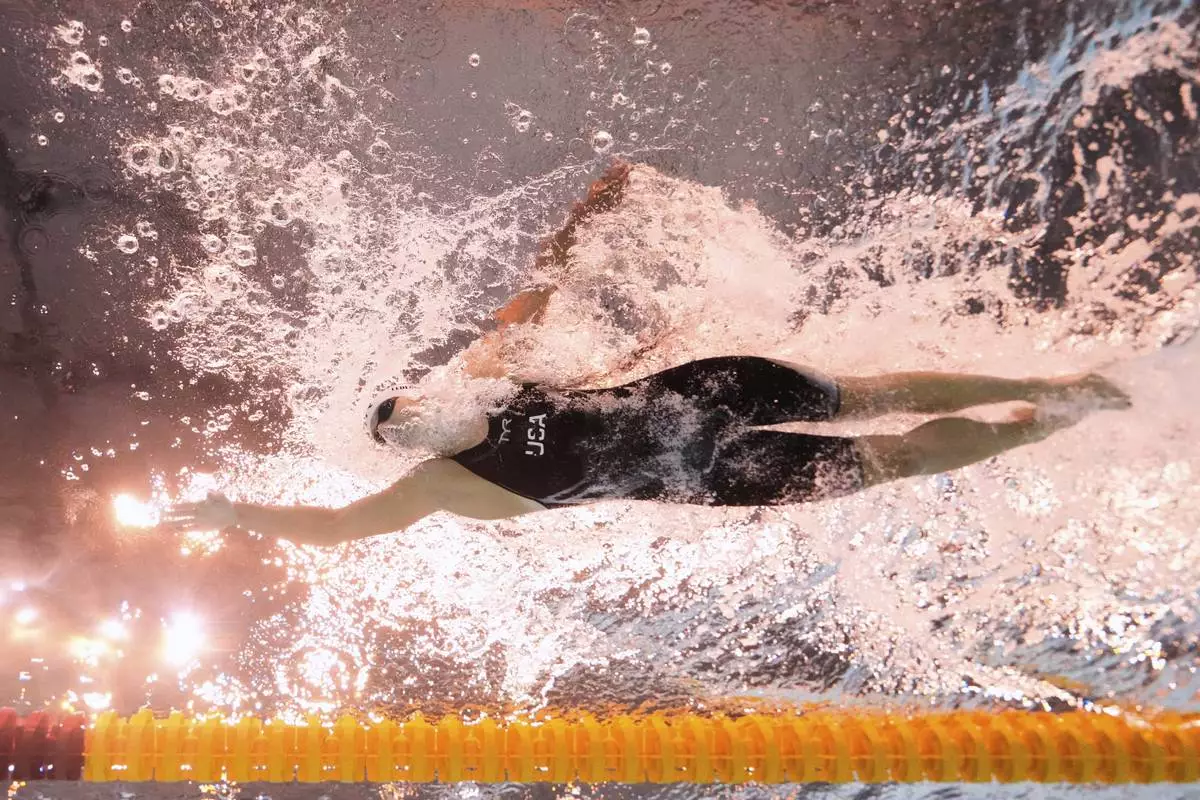
Katie Ledecky of the United States competes in the women's 400-meter freestyle heat at the World Aquatics Championships in Singapore, Sunday, July 27, 2025. (AP Photo/Lee Jin-man)
SEOUL, South Korea (AP) — A South Korean court sentenced former President Yoon Suk Yeol to five years in prison Friday in the first verdict from eight criminal trials over the martial law debacle that forced him out of office and other allegations.
Yoon was impeached, arrested and dismissed as president after his short-lived imposition of martial law in December 2024 triggered huge public protests calling for his ouster.
The most significant criminal charge against him alleges that his martial law enforcement amounted to a rebellion, and the independent counsel has requested the death sentence in the case that is to be decided in a ruling next month.
In Friday's case, the Seoul Central District Court sentenced Yoon for defying attempts to detain him, fabricating the martial law proclamation and sidestepping a legally mandated full Cabinet meeting.
Yoon has maintained he didn’t intend to place the country under military rule for an extended period, saying his decree was only meant to inform the people about the danger of the liberal-controlled parliament obstructing his agenda. But investigators have viewed Yoon’s decree as an attempt to bolster and prolong his rule, charging him with rebellion, abuse of power and other criminal offenses.
Judge Baek Dae-hyun said in the televised ruling that imposing “a grave punishment” was necessary because Yoon hasn’t shown remorse and has only repeated “hard-to-comprehend excuses.” The judge also restoring legal systems damaged by Yoon’s action was necessary.
Yoon, who can appeal the ruling, hasn’t immediately publicly responded to the ruling. But when the independent counsel demanded a 10-year prison term in the case, Yoon’s defense team accused them of being politically driven and lacking legal grounds to demand such “an excessive” sentence.
Prison sentences in the multiple, smaller trials Yoon faces would matter if he is spared the death penalty or life imprisonment at the rebellion trial.
Park SungBae, a lawyer who specializes in criminal law, said there is little chance the court would decide Yoon should face the death penalty in the rebellion case. He said the court will likely issue a life sentence or a sentence of 30 years or more in prison.
South Korea has maintained a de facto moratorium on executions since 1997 and courts rarely hand down death sentences. Park said the court would take into account that Yoon’s decree didn’t cause casualties and didn’t last long, although Yoon hasn’t shown genuine remorse for his action.

A supporter of former South Korean President Yoon Suk Yeol shouts slogans outside Seoul Central District Court, in Seoul, South Korea, Friday, Jan. 16, 2026. (AP Photo/Lee Jin-man)

Supporters of former South Korean President Yoon Suk Yeol hold signs and flags outside Seoul Central District Court, in Seoul, South Korea, Friday, Jan. 16, 2026. (AP Photo/Lee Jin-man)
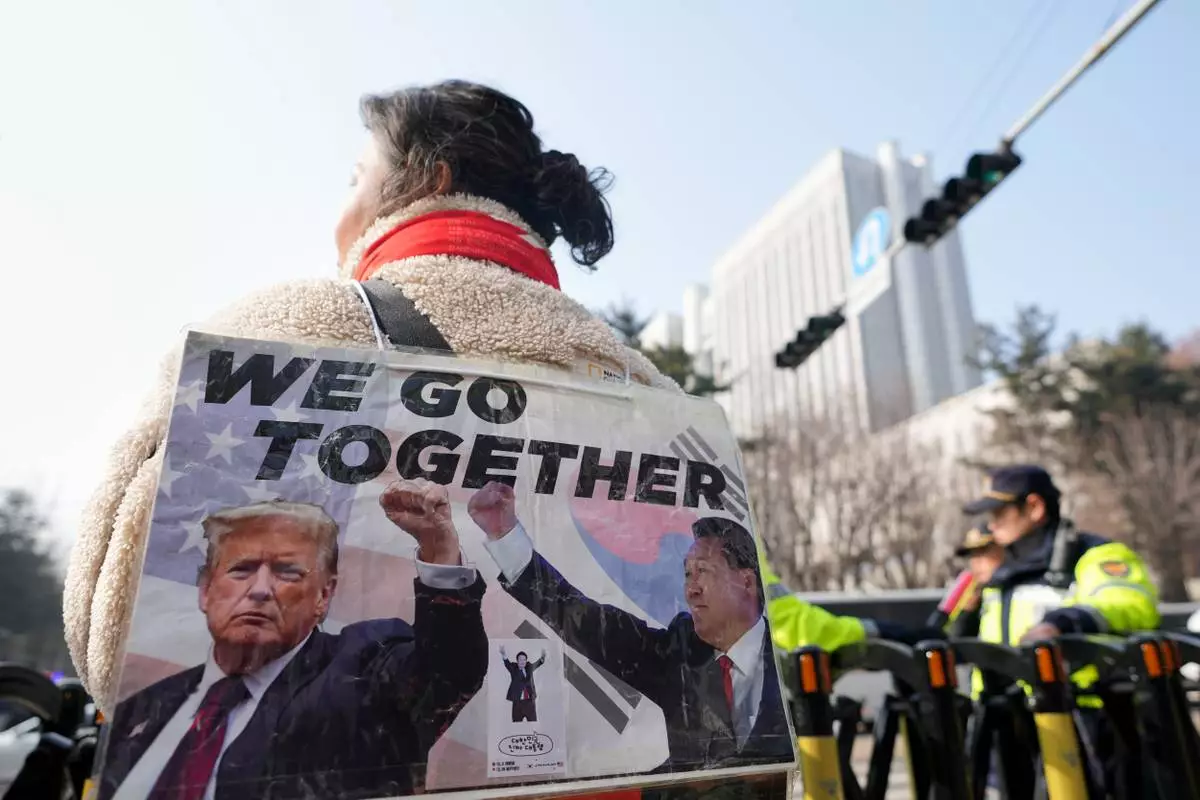
A supporter of former South Korean President Yoon Suk Yeol waits for a bus carrying former South Korean President Yoon Suk Yeol outside Seoul Central District Court, in Seoul, South Korea, Friday, Jan. 16, 2026. (AP Photo/Lee Jin-man)
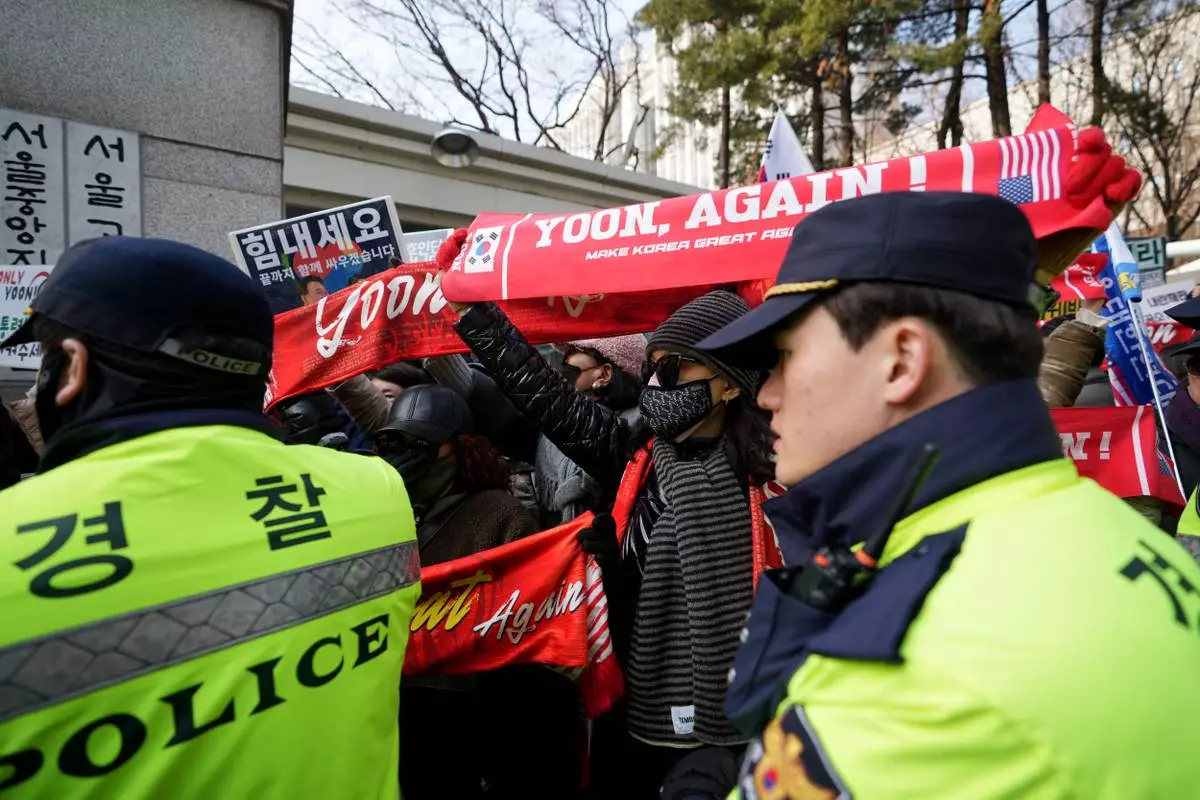
Supporters of former South Korean President Yoon Suk Yeol hold signs as police officers stand guard outside Seoul Central District Court, in Seoul, South Korea, Friday, Jan. 16, 2026. (AP Photo/Lee Jin-man)
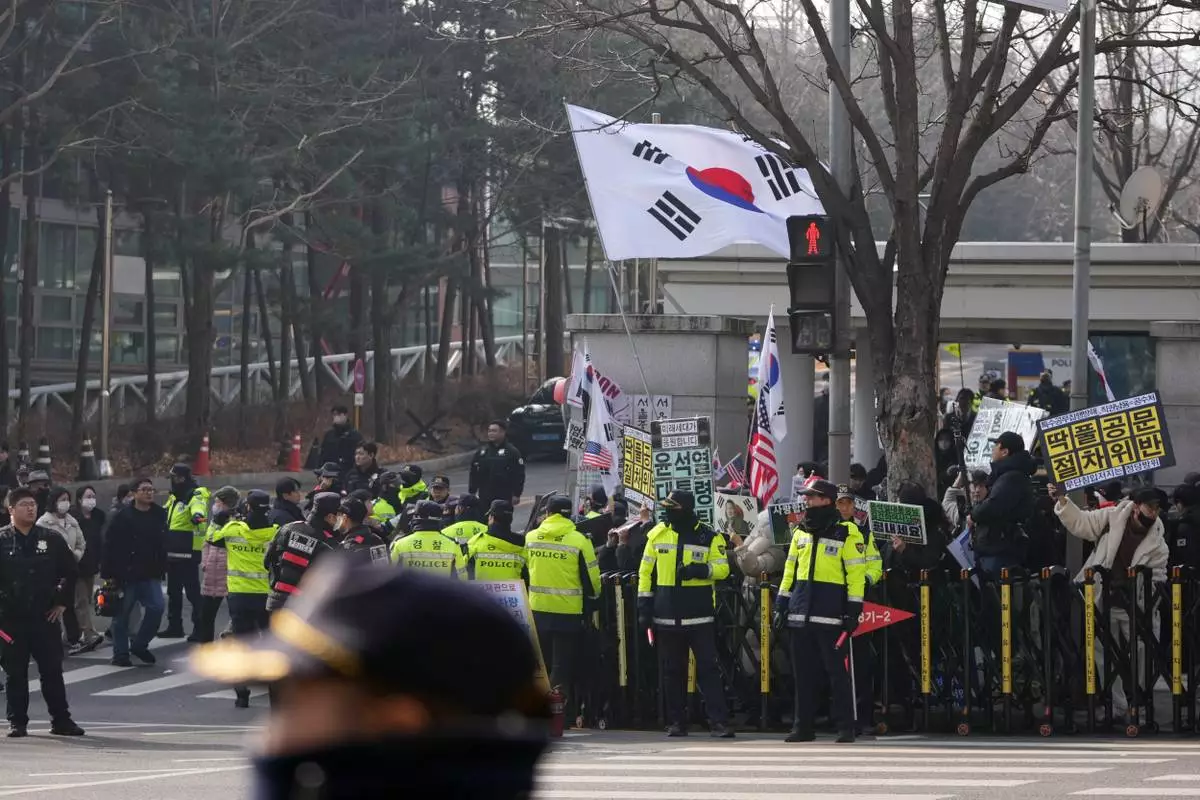
Supporters of former South Korean President Yoon Suk Yeol hold signs and flags outside Seoul Central District Court, in Seoul, South Korea, Friday, Jan. 16, 2026. (AP Photo/Lee Jin-man)
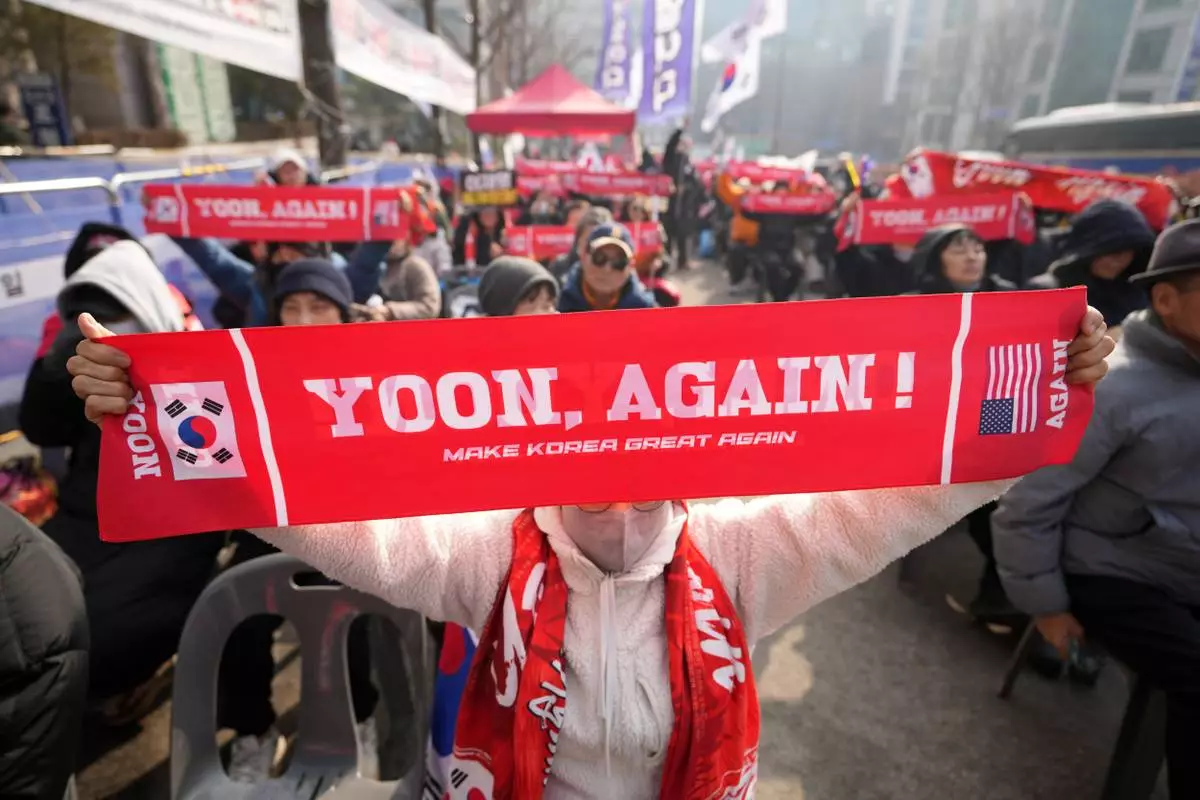
Supporters of former South Korean President Yoon Suk Yeol hold signs outside Seoul Central District Court, in Seoul, South Korea, Friday, Jan. 16, 2026. (AP Photo/Lee Jin-man)
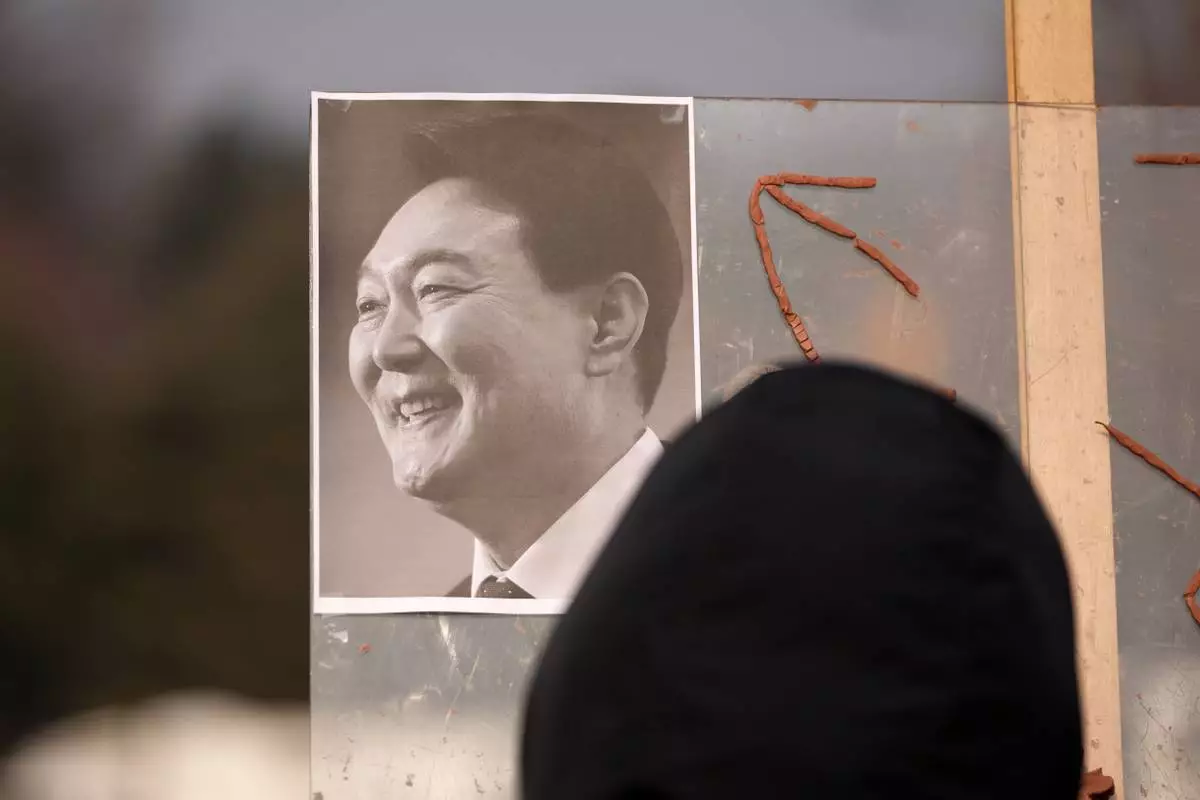
A picture of former South Korean President Yoon Suk Yeol is placed on a board as supporters gather outside Seoul Central District Court, in Seoul, South Korea, Friday, Jan. 16, 2026. (AP Photo/Lee Jin-man)