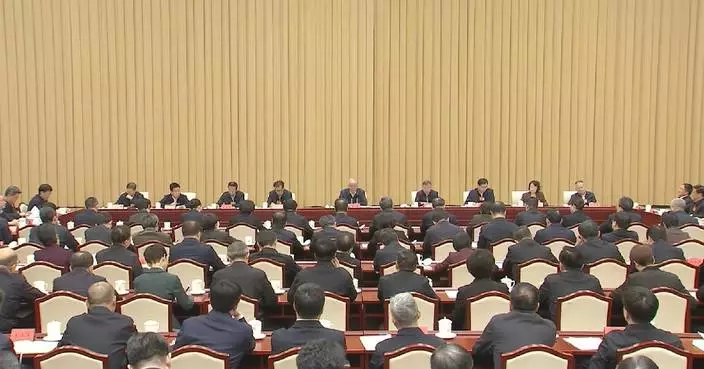
A meeting of the Political Bureau of the Communist Party of China (CPC) Central Committee on Wednesday emphasized the importance of further boosting service consumption and unleashing the potential of domestic demand.
Chaired by Xi Jinping, general secretary of the CPC Central Committee, the meeting analyzed and studied the current economic situation and made arrangements for economic work in the second half of this year.
"Our service consumption is taking an ever growing share. With the improvement of our living standards, service consumption has become a main direction of our consumption upgrading. This is the context in which the Political Bureau meeting proposed that while continuing to expand commodity consumption in the second half of the year, we should also pay attention to fostering new growth points of service consumption," said Huang Hanquan, head of the Chinese Academy of Macroeconomic Research. Nurturing new growth points of service consumption could improve people's livelihood, which complies with people's aspiration for a better life, while expanding the overall scale of consumption, making it an important leverage to sustain the rapid growth in consumption, according to experts.
"Service consumption plays an important role in meeting the demand of livelihood, promoting the upgrading of consumption industry, and creating new consumption scenarios. Going forward, expanding and strengthening the service consumption sector is conducive to our internal and external circulations and achieving a positive interplay between the two," said Wei Qijia, director of the industrial economy research office at the State Information Center's Department of Economic Forecasting under the National Development and Reform Commission.
Experts on CPC meeting's call to further boost service consumption
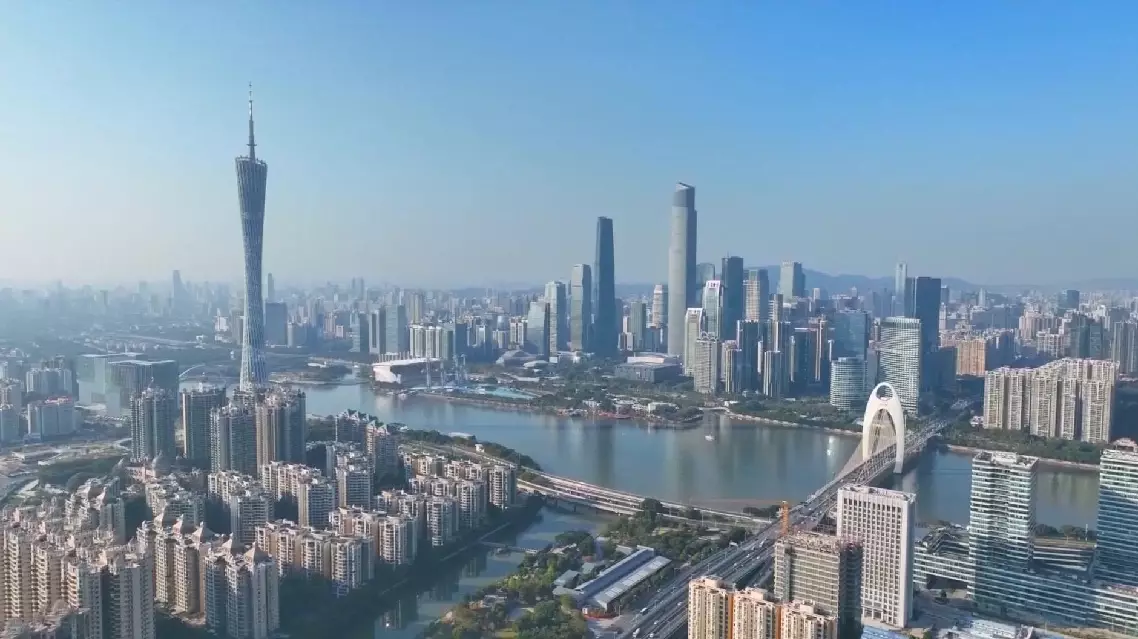
Experts on CPC meeting's call to further boost service consumption
China's 12th National Games for Persons with Disabilities and the 9th National Special Olympic Games officially concluded on Monday evening, capping an inspirational eight-day event that set new records for participation and athletic achievements.
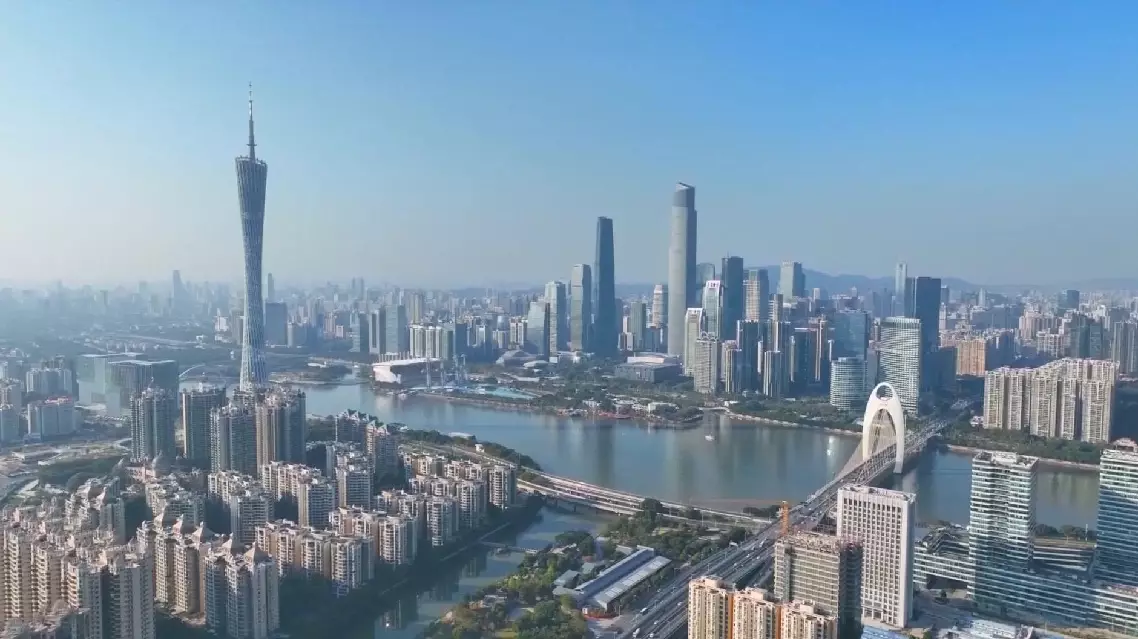
Held for the first time jointly by Guangdong Province, Hong Kong, and Macao in the Greater Bay Area, the Games featured 46 competitive events and attracted more than 11,000 participants from 34 delegations, marking the largest turnout in the event's history.
Athletes shattered 15 world records and set 156 new national records in disciplines such as athletics, swimming, shooting, weightlifting, and track cycling.
The Games showcased not only extraordinary athleticism, but also the indomitable spirit of disabled competitors who transcended physical limitations through sport.
The 21-year-old Hong Kong para table tennis player Wong Yue-ching, a student at the University of Hong Kong, competed with only one-third the grip strength of an able-bodied person in her right hand. Wong used a wrist strap to secure her racket. She finished sixth in the women's singles class 7 event and credited the sport for transforming her life.
"[Playing table tennis] has completely rewritten my life. I want to become a teacher. Perhaps one day, I can teach children at a special school and share my story with them, to show that as long as you keep searching, you will surely find your path in life," said Wong.
This edition of the Games significantly increased the numbers of both Special Olympic and mass participation events, allowing more people to enjoy the fun of sports.
From seamless event organization to the creation of a comprehensive, region-wide barrier-free environment, the Games has set a benchmark and delivered a replicable model for future para-sporting events in China and beyond.
"Drawing on their complementary strengths and working in close coordination, with synchronized planning and implementation, Guangdong, Hong Kong, and Macao have extended the concept of disability inclusion far beyond the competition venues into all aspects of daily life. This not only showcases the remarkable achievements and vibrant momentum of Chinese modernization, but also highlights a new chapter in the integrated development of the Guangdong-Hong Kong-Macao Greater Bay Area and the advancement of the cause of the disabled," said Chang Zheng, deputy director of the Games' organizing committee.

China's 12th National Para Games conclude with record attendance, athletic achievements