KYIV, Ukraine (AP) — Ukraine’s Parliament on Thursday overwhelmingly approved a bill presented by President Volodymyr Zelenskyy that restores the independence of two of the country’s key anti-corruption watchdogs, reversing his contentious move last week that curbed their power and brought an outcry.
Last week’s measure by Zelenskyy to place the watchdogs under the oversight of the prosecutor-general prompted rebukes from Ukrainians, the European Union and international rights groups. It raised fears that the government could meddle in investigations and potentially shield its supporters from scrutiny.
Click to Gallery
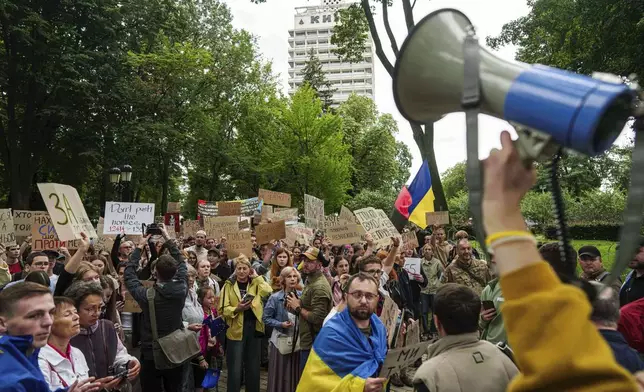
Participants gather at a protest against a law targeting anti-corruption institutions in front of the Ukrainian parliament in Kyiv, Ukraine, Thursday, July 31, 2025. (AP Photo/Evgeniy Maloletka)
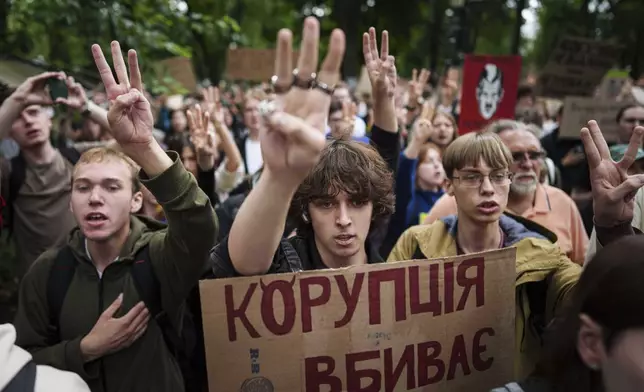
Participants gather at a protest against a law targeting anti-corruption institutions in front of the Ukrainian parliament in Kyiv, Ukraine, Thursday, July 31, 2025. (AP Photo/Evgeniy Maloletka)

Participants react at a protest against a law targeting anti-corruption institutions in front of the Ukrainian parliament in Kyiv, Ukraine, Thursday, July 31, 2025. (AP Photo/Evgeniy Maloletka)
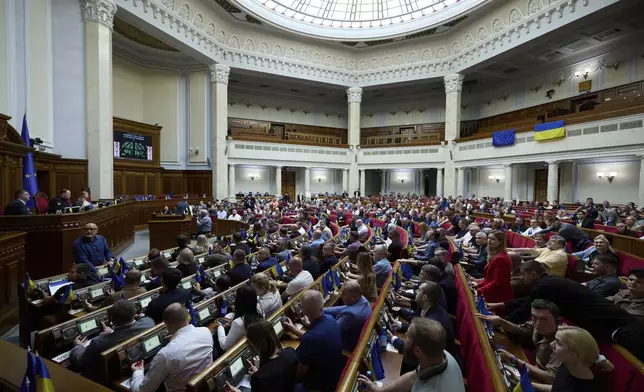
Ukrainian lawmakers vote for a new bill proposed by President Volodymyr Zelenskyy to restore the independence of the country's anti-corruption agencies, at the parliament session hall in Kyiv, Ukraine, Thursday, July 31, 2025. (AP Photo/Vadym Sarakhan)
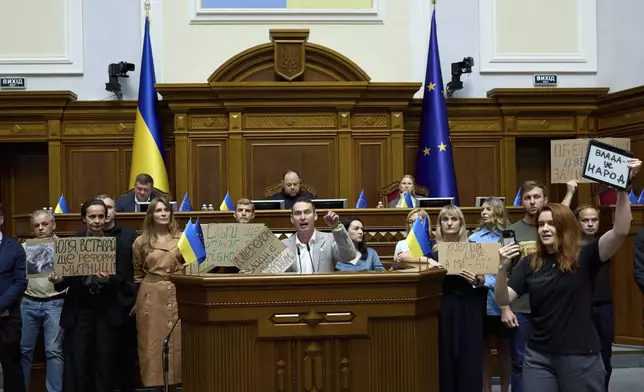
Ukrainian lawmakers are calling to vote for a new bill proposed by President Volodymyr Zelenskyy restoring the independence of the country's anti-corruption agencies at the parliament session hall in Kyiv, Ukraine, Thursday, July 31, 2025.(AP Photo/Vadym Sarakhan)
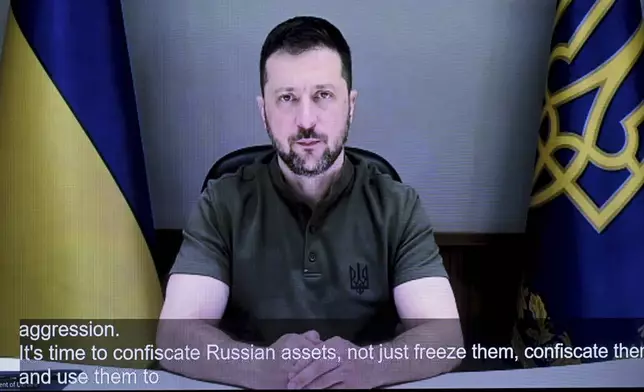
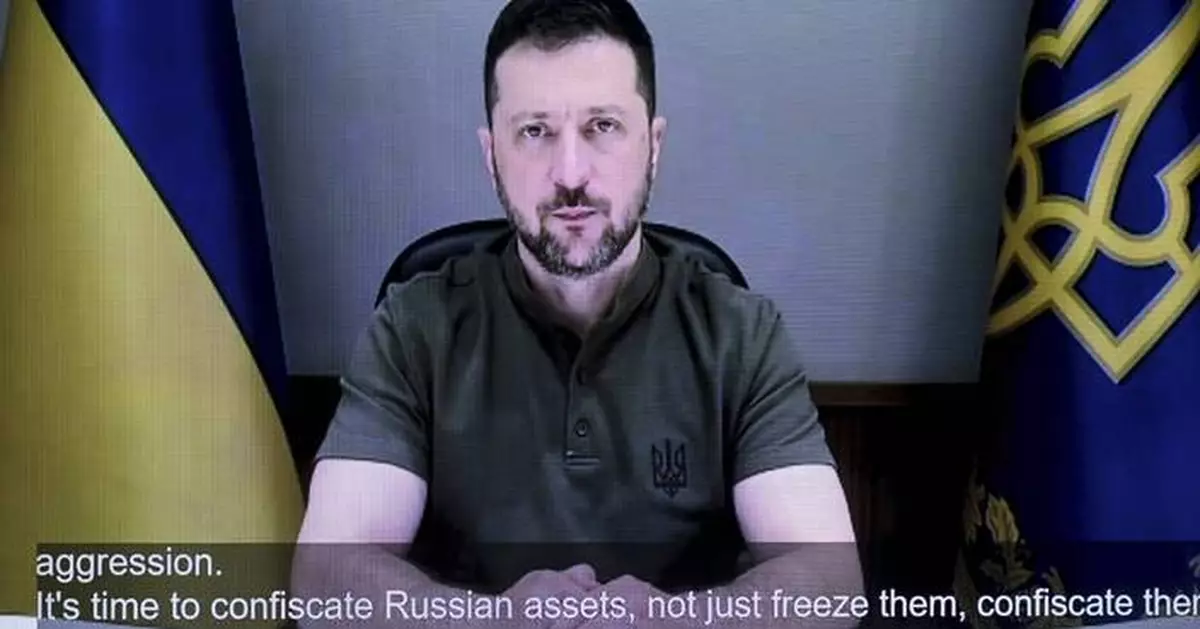
Ukraine's President Volodymyr Zelenskyy addresses online the opening of the Helsinki+50 Conference in Helsinki, Finland, Thursday, July 31, 2025. (Mikko Stig/Lehtikuva via AP)

Participants gather at a protest against a law targeting anti-corruption institutions in front of the Ukrainian parliament in Kyiv, Ukraine, Thursday, July 31, 2025. (AP Photo/Evgeniy Maloletka)
Participants gather at a protest against a law targeting anti-corruption institutions in front of the Ukrainian parliament in Kyiv, Ukraine, Thursday, July 31, 2025. (AP Photo/Evgeniy Maloletka)
Participants gather at a protest against a law targeting anti-corruption institutions in front of the Ukrainian parliament in Kyiv, Ukraine, Thursday, July 31, 2025. (AP Photo/Evgeniy Maloletka)
Participants react at a protest against a law targeting anti-corruption institutions in front of the Ukrainian parliament in Kyiv, Ukraine, Thursday, July 31, 2025. (AP Photo/Evgeniy Maloletka)
Ukrainian lawmakers vote for a new bill proposed by President Volodymyr Zelenskyy to restore the independence of the country's anti-corruption agencies, at the parliament session hall in Kyiv, Ukraine, Thursday, July 31, 2025. (AP Photo/Vadym Sarakhan)
Ukrainian lawmakers are calling to vote for a new bill proposed by President Volodymyr Zelenskyy restoring the independence of the country's anti-corruption agencies at the parliament session hall in Kyiv, Ukraine, Thursday, July 31, 2025.(AP Photo/Vadym Sarakhan)
Ukraine's President Volodymyr Zelenskyy addresses online the opening of the Helsinki+50 Conference in Helsinki, Finland, Thursday, July 31, 2025. (Mikko Stig/Lehtikuva via AP)
Fighting entrenched corruption is crucial for Ukraine’s aspirations to join the EU and maintain access to billions of dollars of vital Western aid in the nearly 3½-year all-out war. It's also an effort that enjoys broad public support.
Zelenskyy said he signed the bill into law less than two hours after its approval — an unusually speedy procedure for legislation.
“It guarantees normal, independent work for anti-corruption bodies and all law enforcement agencies in our state,” Zelenskyy said of the new law. “A truly productive day with real impact for the people.”
Zelenskyy has been the international face of Ukraine’s determination to thwart Russia’s invasion. The anti-graft changes that he backed last week tarnished his image abroad and put a question mark over his country’s efforts to meet standards set by the EU for membership.
“Ukraine’s move to restore powers of anti-corruption bodies demonstrates its resolve to quickly get back on course when European democratic values are at stake,” EU foreign policy chief Kaja Kallas said on social media.
EU Enlargement Commissioner Marta Kos, who called last week’s legislative changes “a serious step back,” welcomed approval of the bill, saying lawmakers had “corrected last week’s damaging vote.”
“Today’s law restores key safeguards, but challenges remain,” Kos, who monitors the record of countries that are candidates to join the bloc, wrote on X. “The EU supports (Ukrainian) citizens’ demands for reform. Upholding fundamental values & fighting corruption must remain the priority.”
Foreign Minister Andrii Sybiha said that Ukraine “is committed to reforms and the fight against corruption,” and that Zelenskyy “demonstrated a principled approach.”
“We got it fixed,” he wrote on X.
At the start of a livestream of the parliamentary session, which was the first to be broadcast in real time since the start of the war, two lawmakers could be seen exchanging punches. Although the reason for the scuffle wasn't known, it occurred amid a tense atmosphere in the chamber where the speaker’s podium is flanked by Ukrainian and EU flags.
The backlash against Zelenskyy's measures brought street protests across the country, the first major demonstrations since Russia's full-scale invasion began on Feb. 24, 2022. Though the protests didn’t call for the president's removal, the controversy threatened to undermine public trust in their leaders at a critical time.
Russia’s bigger army is accelerating its efforts to pierce Ukraine’s front-line defenses and is escalating its bombardment of Ukrainian cities. There is also uncertainty over how much additional weaponry Ukraine’s Western partners can provide and how quickly.
The Ukrainian branch of Transparency International also criticized last week's legislation, saying it weakened one of the most significant reforms since what Ukraine calls its Revolution of Dignity in 2014.
Zelenskyy said his goal had been to speed up prolonged investigations, ensure more convictions and remove Russian meddling in investigations, which he didn’t detail.
He said he had taken note of the protests and decided to present a new bill to Parliament underscoring that the prosecutor general and his deputies cannot give orders to anti-graft agencies or interfere in their work.
Lawmakers in the Verkhovna Rada, the Ukrainian Parliament in Kyiv, approved Zelenskyy’s new proposal with 331 votes and nine abstentions on Thursday, official figures showed.
Follow AP’s coverage of the war in Ukraine at https://apnews.com/hub/russia-ukraine
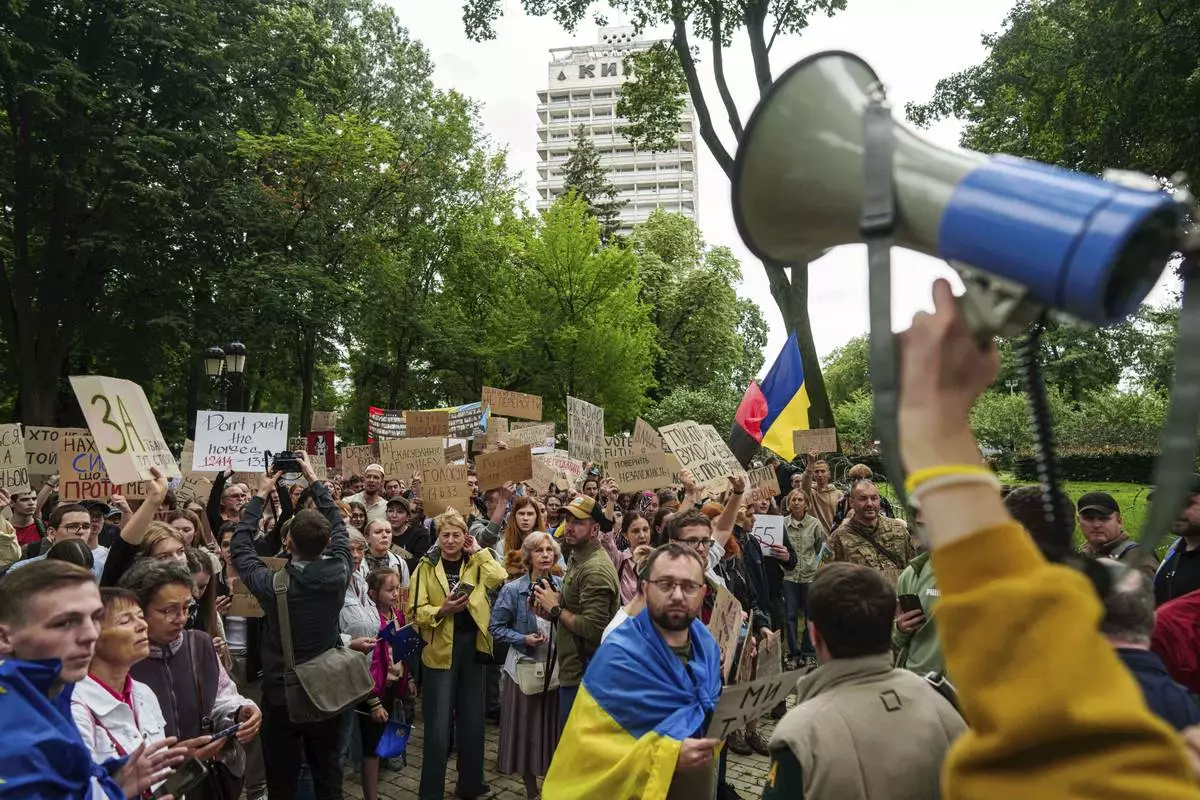
Participants gather at a protest against a law targeting anti-corruption institutions in front of the Ukrainian parliament in Kyiv, Ukraine, Thursday, July 31, 2025. (AP Photo/Evgeniy Maloletka)
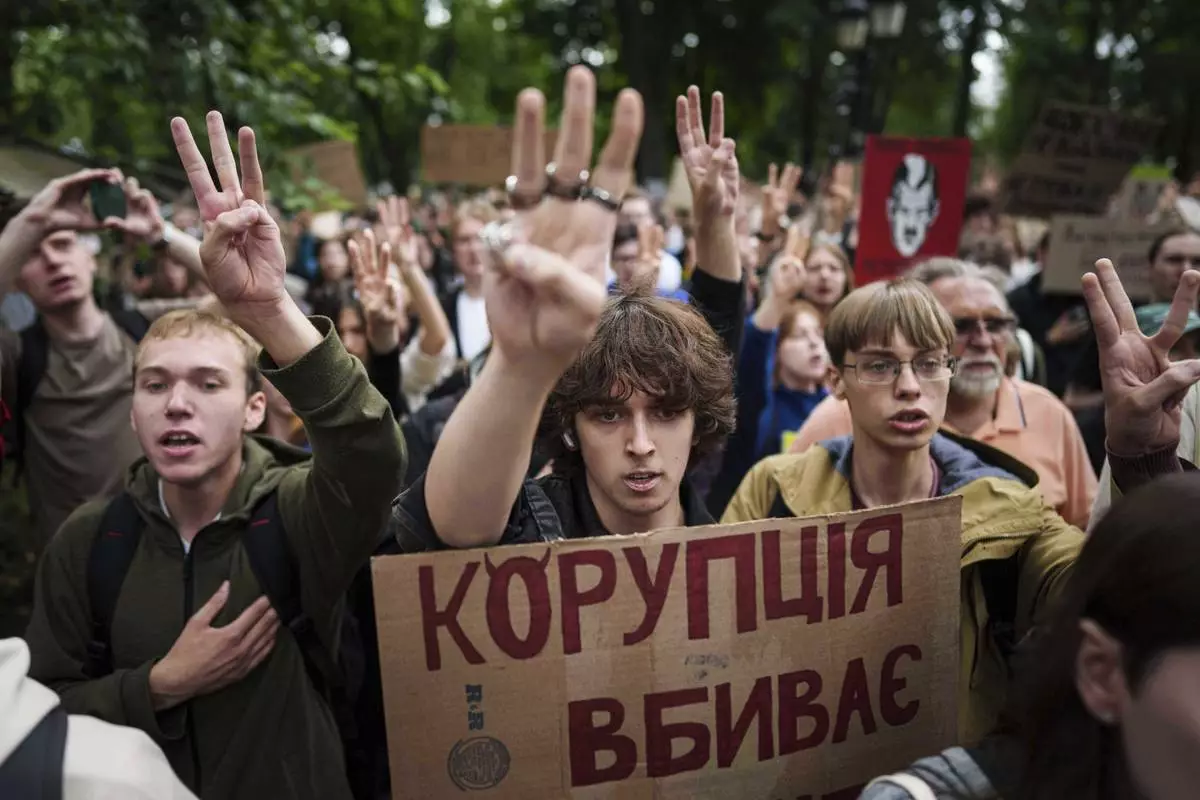
Participants gather at a protest against a law targeting anti-corruption institutions in front of the Ukrainian parliament in Kyiv, Ukraine, Thursday, July 31, 2025. (AP Photo/Evgeniy Maloletka)

Participants react at a protest against a law targeting anti-corruption institutions in front of the Ukrainian parliament in Kyiv, Ukraine, Thursday, July 31, 2025. (AP Photo/Evgeniy Maloletka)
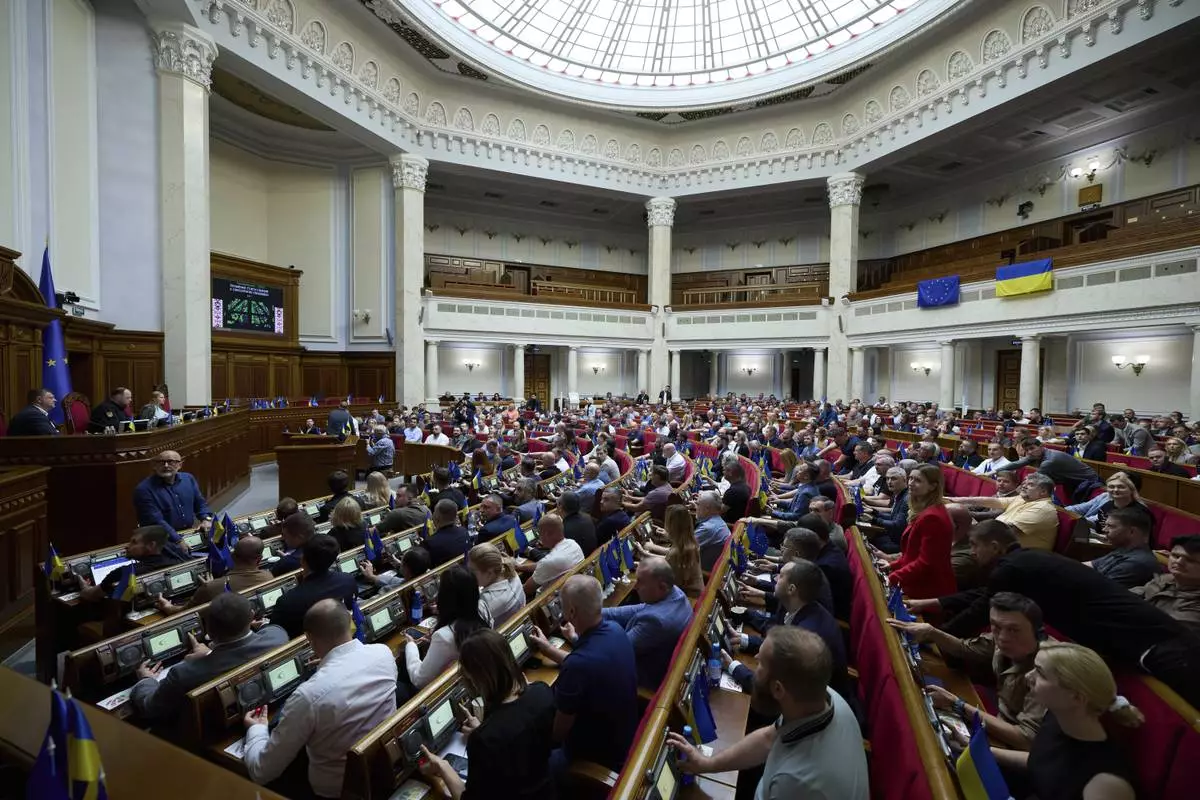
Ukrainian lawmakers vote for a new bill proposed by President Volodymyr Zelenskyy to restore the independence of the country's anti-corruption agencies, at the parliament session hall in Kyiv, Ukraine, Thursday, July 31, 2025. (AP Photo/Vadym Sarakhan)
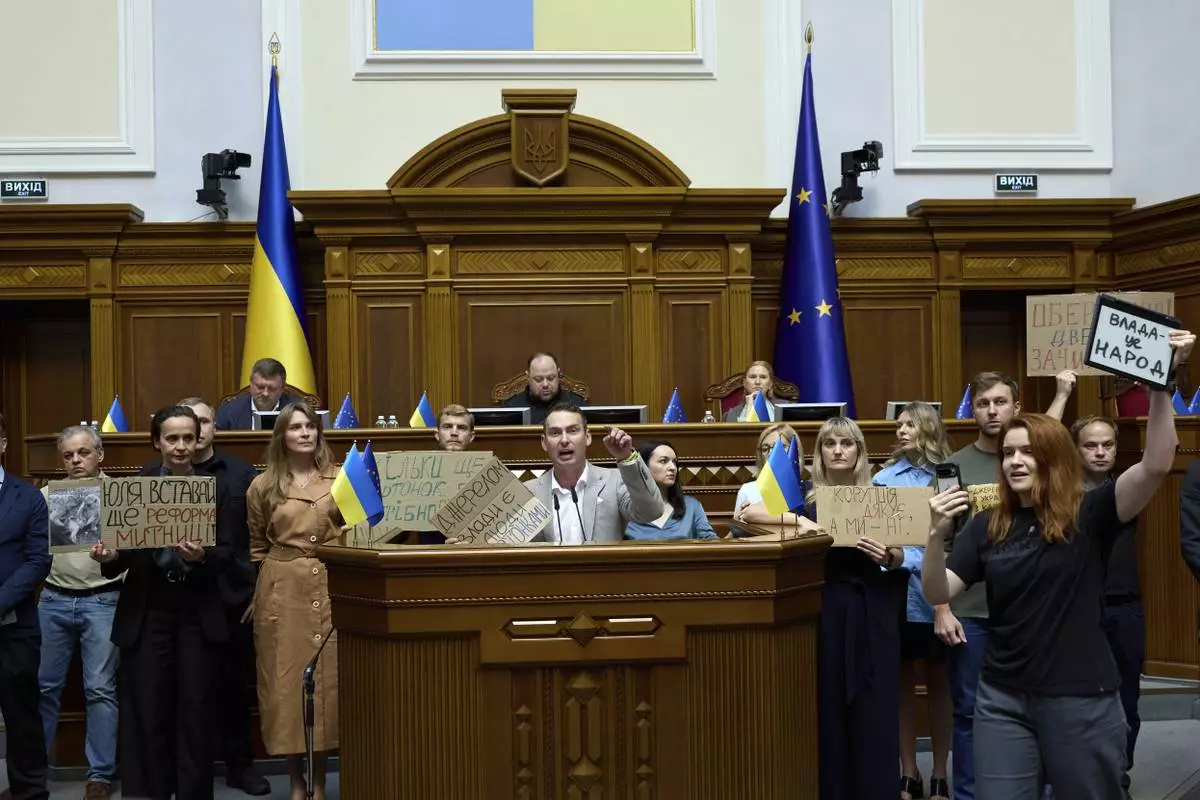
Ukrainian lawmakers are calling to vote for a new bill proposed by President Volodymyr Zelenskyy restoring the independence of the country's anti-corruption agencies at the parliament session hall in Kyiv, Ukraine, Thursday, July 31, 2025.(AP Photo/Vadym Sarakhan)
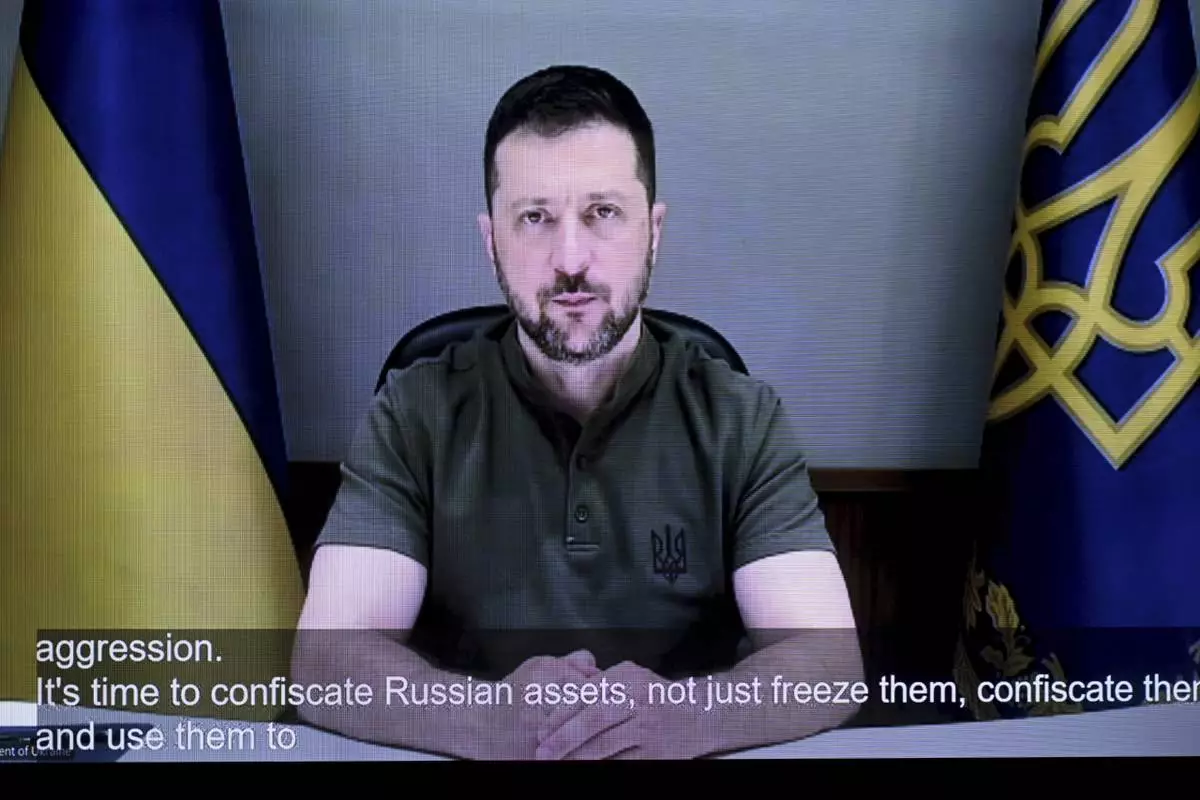
Ukraine's President Volodymyr Zelenskyy addresses online the opening of the Helsinki+50 Conference in Helsinki, Finland, Thursday, July 31, 2025. (Mikko Stig/Lehtikuva via AP)
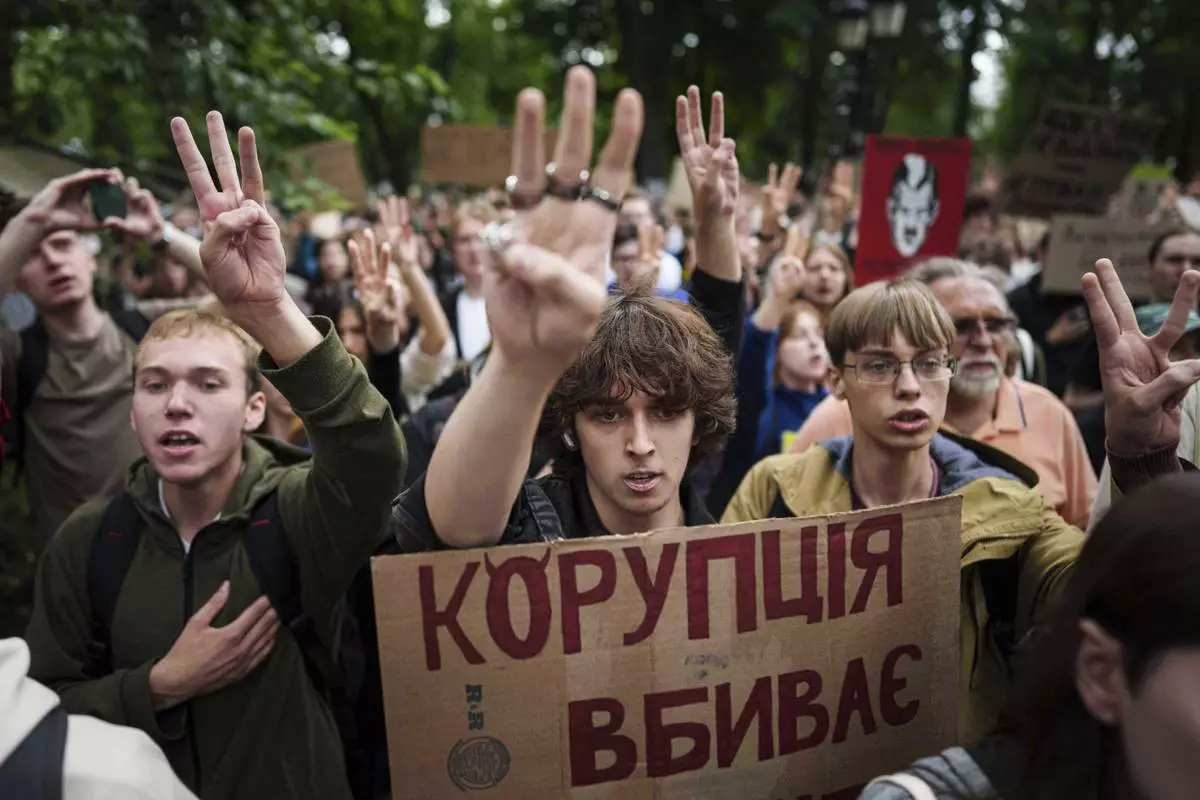
Participants gather at a protest against a law targeting anti-corruption institutions in front of the Ukrainian parliament in Kyiv, Ukraine, Thursday, July 31, 2025. (AP Photo/Evgeniy Maloletka)
Participants gather at a protest against a law targeting anti-corruption institutions in front of the Ukrainian parliament in Kyiv, Ukraine, Thursday, July 31, 2025. (AP Photo/Evgeniy Maloletka)
Participants gather at a protest against a law targeting anti-corruption institutions in front of the Ukrainian parliament in Kyiv, Ukraine, Thursday, July 31, 2025. (AP Photo/Evgeniy Maloletka)
Participants react at a protest against a law targeting anti-corruption institutions in front of the Ukrainian parliament in Kyiv, Ukraine, Thursday, July 31, 2025. (AP Photo/Evgeniy Maloletka)
Ukrainian lawmakers vote for a new bill proposed by President Volodymyr Zelenskyy to restore the independence of the country's anti-corruption agencies, at the parliament session hall in Kyiv, Ukraine, Thursday, July 31, 2025. (AP Photo/Vadym Sarakhan)
Ukrainian lawmakers are calling to vote for a new bill proposed by President Volodymyr Zelenskyy restoring the independence of the country's anti-corruption agencies at the parliament session hall in Kyiv, Ukraine, Thursday, July 31, 2025.(AP Photo/Vadym Sarakhan)
Ukraine's President Volodymyr Zelenskyy addresses online the opening of the Helsinki+50 Conference in Helsinki, Finland, Thursday, July 31, 2025. (Mikko Stig/Lehtikuva via AP)