Bomb disposal teams are racing against time to clear unexploded rockets scattered across fields and homes in Thailand's Surin Province following the ceasefire agreement with Cambodia after deadly clashes broke out in border areas last week.
The fighting erupted last Thursday as Cambodian and Thai soldiers exchanged gunfire in a dispute over border areas, with more than 30 people being killed across both sides and over 100,000 people evacuated to safe areas.
Cambodian Prime Minister Hun Manet and acting Thai Prime Minister Phumtham Wechayachai agreed to implement an "immediate and unconditional ceasefire" starting midnight on Monday, after their talks in Malaysia, hosted by Malaysian Prime Minister Anwar Ibrahim.
However, the situation for locals remain precarious, with a village in Surin Province remaining endangered by unexploded ordnance, with numerous bombs still buried beneath agricultural fields and concealed within the ruins of damaged homes.
"I was terrified. I called the authorities immediately to come and check. I was afraid it would explode," said a local villager.
Since the ceasefire took effect, explosive ordnance disposal teams have been urgently working to clear areas within the red zone and neutralize the threat of unexploded munitions.
"We received a report of unexploded ordnance here. Our team assessed the situation. If confirmed, it will be cleared," said Maj. Weerachon Kakanrdee, a police inspector.
Just kilometers away, the shattered remnants of Abhisit Boondang's home stand as a grim testament to the conflict's toll. A rocket strike tore through the residence, fatally wounding his 8-year-old son and leaving Boondang hospitalized with severe shrapnel injuries. The roofless structure now serves as a solemn reminder of the attack's devastating impact.
Thousands of displaced residents remain housed in temporary evacuation centers across the province. While some families have chosen to return to their communities, whether motivated by optimism or necessity, authorities warn that premature returns carry grave risks.
"There are 129 munitions in this district, some in fields, water, and forests. Many are still unidentified. We're clearing them urgently so evacuees can return safely. It's extremely dangerous. These explosions can kill, just like what happened here," said Shtthirot Charoenthanasak, the district chief officer.
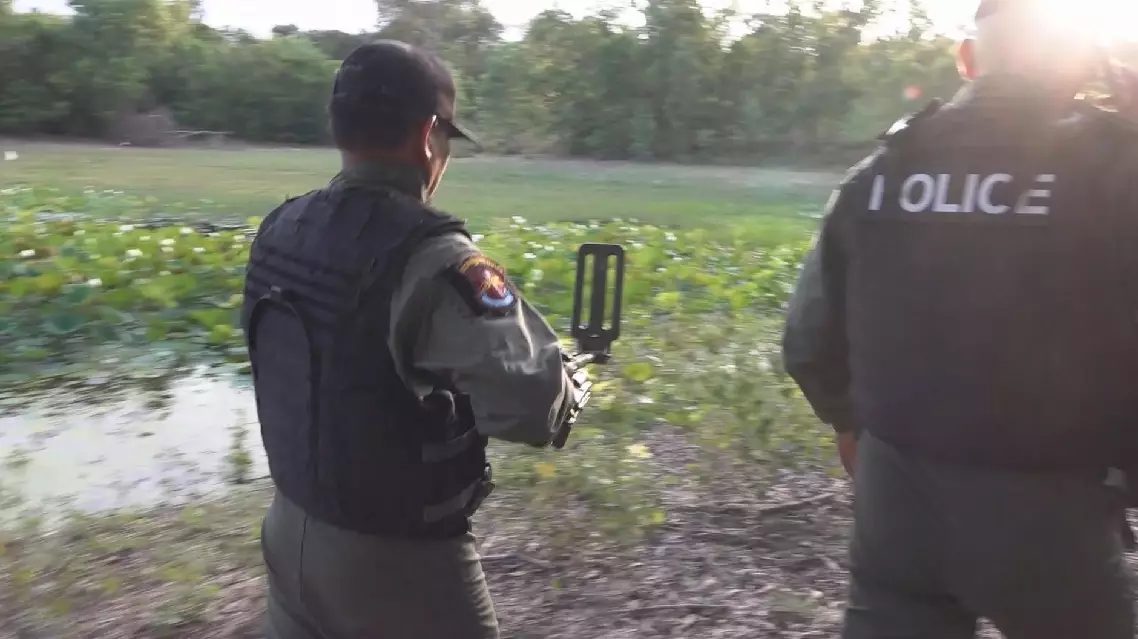
Bomb disposal teams race to uncover hidden threats amid Thai-Cambodia ceasefire
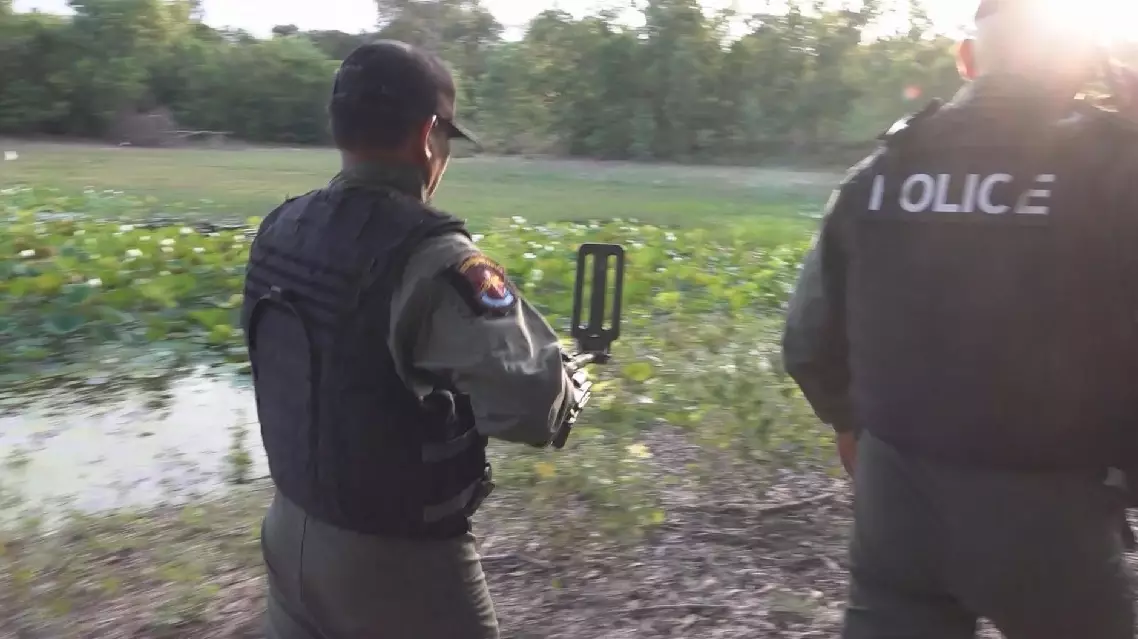
Bomb disposal teams race to uncover hidden threats amid Thai-Cambodia ceasefire