Skip to Content Facebook Feature Image

Jeannie Seely, soulful country singer behind hits like 'Don't Touch Me,' dies at 85

ENT

Jeannie Seely, soulful country singer behind hits like 'Don't Touch Me,' dies at 85
ENT

ENT

Jeannie Seely, soulful country singer behind hits like 'Don't Touch Me,' dies at 85

2025-08-02 12:14 Last Updated At:12:20

NEW YORK (AP) — Jeannie Seely, the soulful country music singer behind such standards like “Don’t Touch Me,” has died. She was 85.

Her publicist, Don Murry Grubbs, said she died Friday after succumbing to complications from an intestinal infection.

Known as “Miss Country Soul” for her unique vocal style, Seely was a trailblazer for women in country music, celebrated for her spirited nonconformity and for a string of undeniable hits in the ‘60s and ’70s.

Her second husband, Gene Ward, died in December. In May, Seely revealed that she was in recovery after undergoing multiple back surgeries, two emergency procedures and spending 11 days in the ICU. She also suffered a bout of pneumonia.

“Rehab is pretty tough, but each day is looking brighter and last night, I saw a light at the end of the tunnel. And it was neon, so I knew it was mine!” she said in a statement at the time. “The unsinkable Seely is working her way back.”

Dolly Parton was one of several country music luminaries paying her tribute on Friday, saying she met Seely when they were both young and starting out in Nashville.

“She was one of my dearest friends,” Parton said on her social media accounts. “I think she was one of the greater singers in Nashville and she had a wonderful sense of humor. We had many wonderful laughs together, cried over certain things together and she will be missed."

Seely was born in July 1940, in Titusville, Pennsylvania, about two hours north of Pittsburgh and raised in nearby Townville. Her love of country music was instant; her mother sang, and her father played the banjo. When she was a child, she sang on local radio programs and performed on local television. In her early 20s, she moved to Los Angeles to kick-start a career, taking a job with Liberty and Imperial Records in Hollywood.

She kept writing and recording. Nashville was next: She sang on Porter Wagoner's show; she got a deal with Monument Records. Her greatest hit would arrive soon afterward: “Don’t Touch Me,” the crossover ballad written by Hank Cochran. The song earned Seely her first and only Grammy Award, for best country & western vocal performance in the female category.

Cochran and Seely were married in 1969 and divorced in 1979.

Seely broke boundaries in her career — at a time when country music expected a kind of subservience from its women performers, Seely was a bit of a rebel, known for wearing a miniskirt on the Grand Ole Opry stage when it was still taboo.

And she had a number of country hits in the ‘60s and ’70s, including three Top 10 hits on what is now known as Billboard's hot country songs chart: “Don't Touch Me,” 1967's “I'll Love You More (Than You Need)” and 1973's “Can I Sleep In Your Arms?”, adapted from the folk song “Can I Sleep In Your Barn Tonight Mister?”

In the years since, Seely continued to release albums, perform, and host, regularly appearing on country music programming. Her songs are considered classics, and have been recorded by everyone from Merle Haggard, Ray Price and Connie Smith to Ernest Tubb, Grandpa Jones, and Little Jimmy Dickens.

And Seely never stopped working in country music. Since 2018, she's hosted the weekly “Sunday’s with Seely” on Willie Nelson's Willie’s Roadhouse SiriusXM channel. That same year, she was inducted into the Music City Walk of Fame.

She appeared nearly 5,400 times at the Grand Ole Opry, which she has been a member of since 1967. Grubbs said Saturday's Grand Ole Opry show would be dedicated to Seely.

She released her latest song in July 2024, a cover of Dottie West's “Suffertime,” recorded at the world-renowned RCA Studio B. She performed it at the Opry the year before.
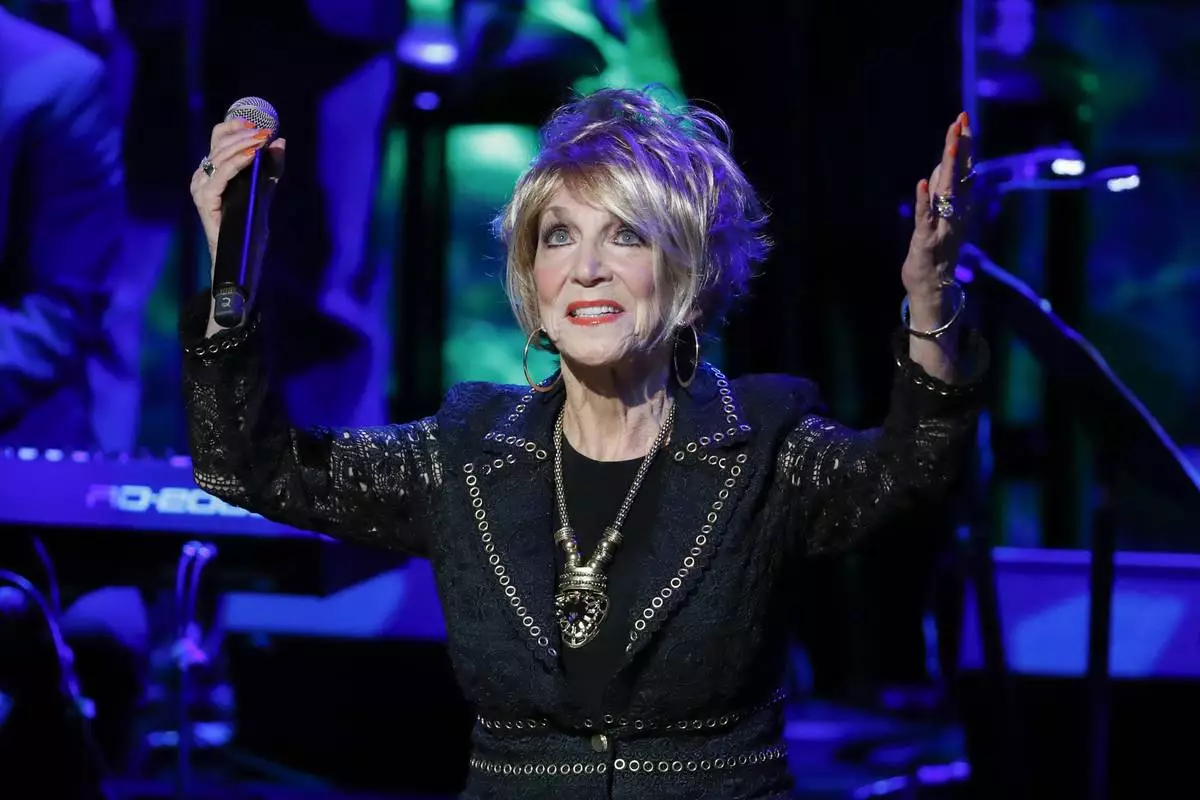
FILE - Jeannie Seely performs at the 2018 Medallion Ceremony at the Country Music Hall of Fame and Museum in Nashville, Tenn., on Oct. 21, 2018. (Photo by Al Wagner/Invision/AP, File
FILE - Jeannie Seely performs at the 2018 Medallion Ceremony at the Country Music Hall of Fame and Museum in Nashville, Tenn., on Oct. 21, 2018. (Photo by Al Wagner/Invision/AP, File

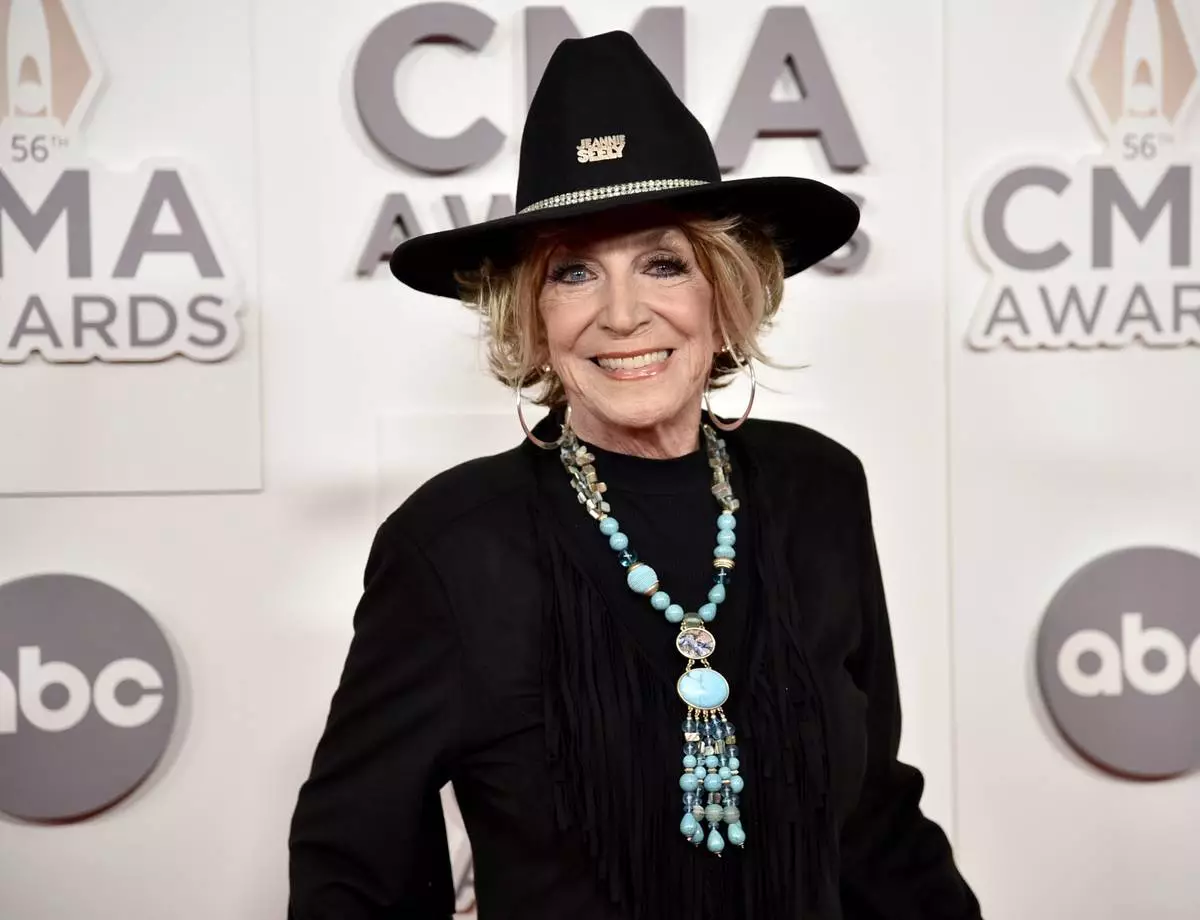
FILE - Jeannie Seely arrives at the 56th Annual CMA Awards in Nashville, Tenn., on Nov. 9, 2022. (Photo by Evan Agostini/Invision/AP, File)

FILE - Jeannie Seely arrives at the 56th Annual CMA Awards in Nashville, Tenn., on Nov. 9, 2022. (Photo by Evan Agostini/Invision/AP, File)
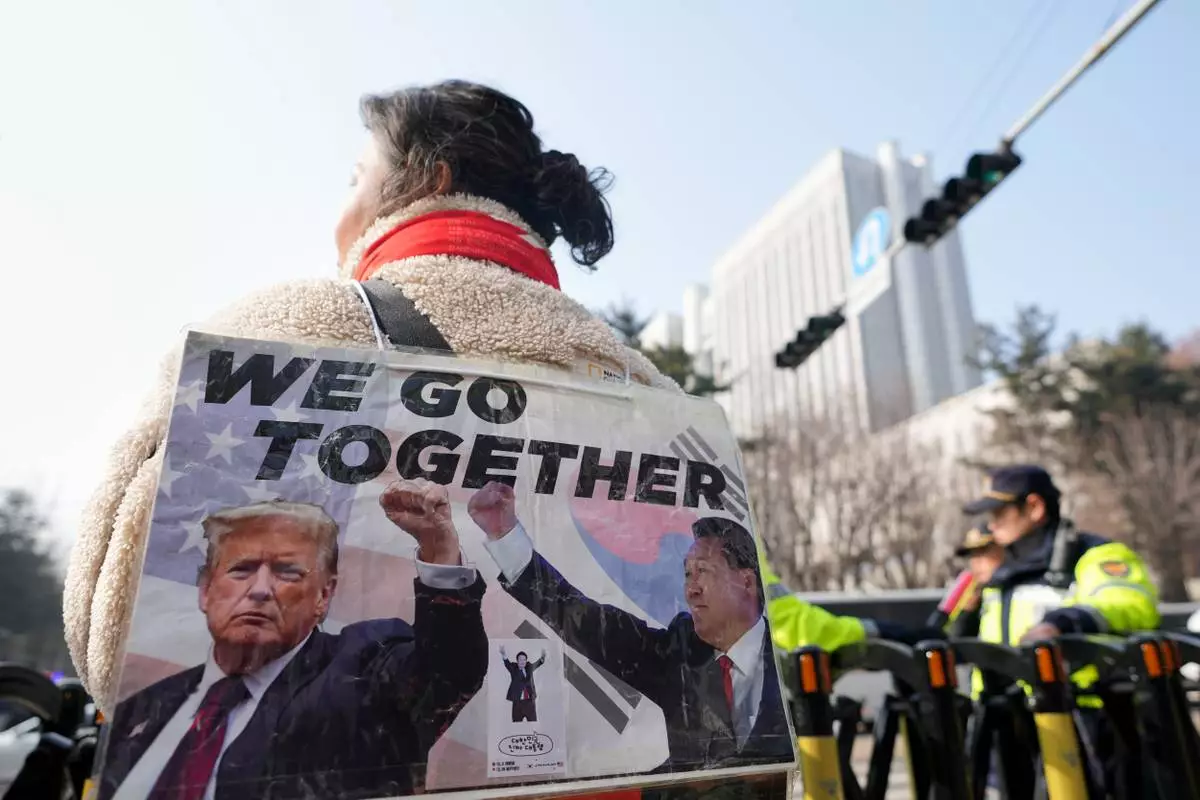
SEOUL, South Korea (AP) — A South Korean court sentenced former President Yoon Suk Yeol to five years in prison Friday in the first verdict from eight criminal trials over the martial law debacle that forced him out of office and other allegations.

Yoon was impeached, arrested and dismissed as president after his short-lived imposition of martial law in December 2024 triggered huge public protests calling for his ouster.

The most significant criminal charge against him alleges that his martial law enforcement amounted to a rebellion, and the independent counsel has requested the death sentence in the case that is to be decided in a ruling next month.

In Friday's case, the Seoul Central District Court sentenced Yoon for defying attempts to detain him, fabricating the martial law proclamation and sidestepping a legally mandated full Cabinet meeting.

Yoon has maintained he didn’t intend to place the country under military rule for an extended period, saying his decree was only meant to inform the people about the danger of the liberal-controlled parliament obstructing his agenda. But investigators have viewed Yoon’s decree as an attempt to bolster and prolong his rule, charging him with rebellion, abuse of power and other criminal offenses.

Judge Baek Dae-hyun said in the televised ruling that imposing “a grave punishment” was necessary because Yoon hasn’t shown remorse and has only repeated “hard-to-comprehend excuses.” The judge also restoring legal systems damaged by Yoon’s action was necessary.

Yoon, who can appeal the ruling, hasn’t immediately publicly responded to the ruling. But when the independent counsel demanded a 10-year prison term in the case, Yoon’s defense team accused them of being politically driven and lacking legal grounds to demand such “an excessive” sentence.

Prison sentences in the multiple, smaller trials Yoon faces would matter if he is spared the death penalty or life imprisonment at the rebellion trial.

Park SungBae, a lawyer who specializes in criminal law, said there is little chance the court would decide Yoon should face the death penalty in the rebellion case. He said the court will likely issue a life sentence or a sentence of 30 years or more in prison.

South Korea has maintained a de facto moratorium on executions since 1997 and courts rarely hand down death sentences. Park said the court would take into account that Yoon’s decree didn’t cause casualties and didn’t last long, although Yoon hasn’t shown genuine remorse for his action.

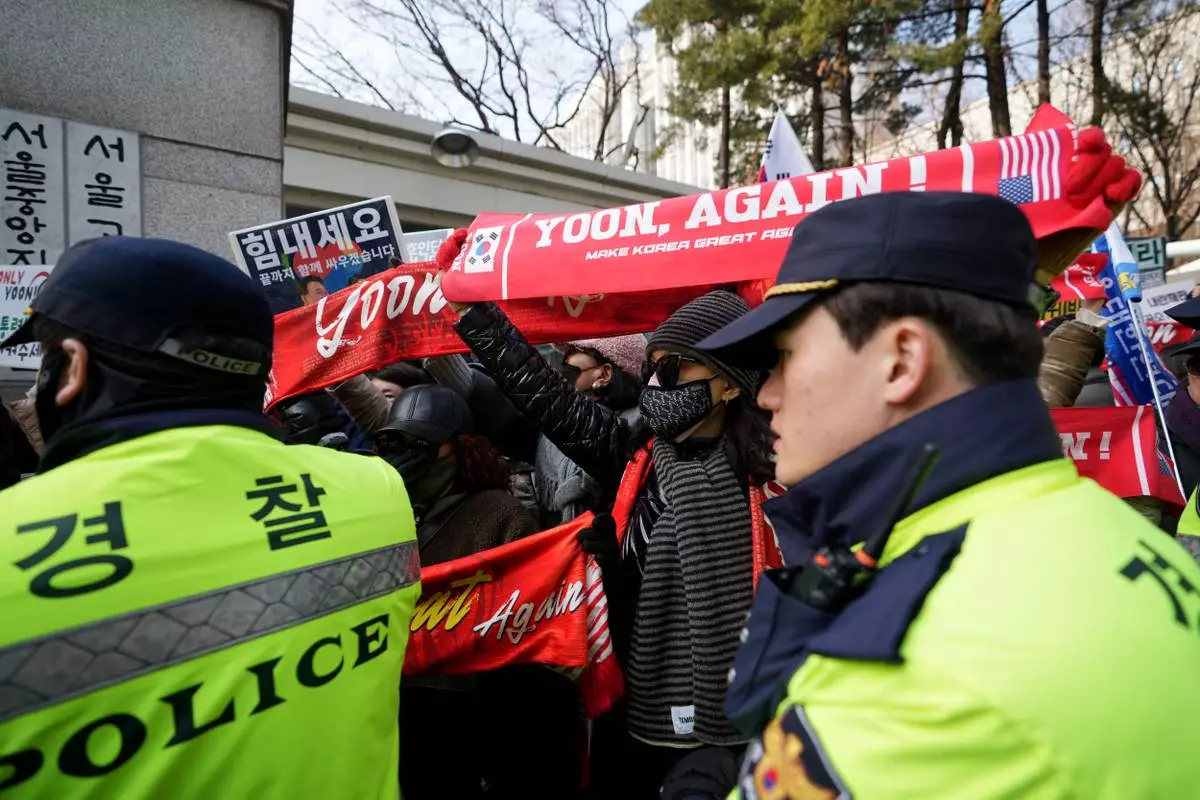
A supporter of former South Korean President Yoon Suk Yeol shouts slogans outside Seoul Central District Court, in Seoul, South Korea, Friday, Jan. 16, 2026. (AP Photo/Lee Jin-man)

A supporter of former South Korean President Yoon Suk Yeol shouts slogans outside Seoul Central District Court, in Seoul, South Korea, Friday, Jan. 16, 2026. (AP Photo/Lee Jin-man)

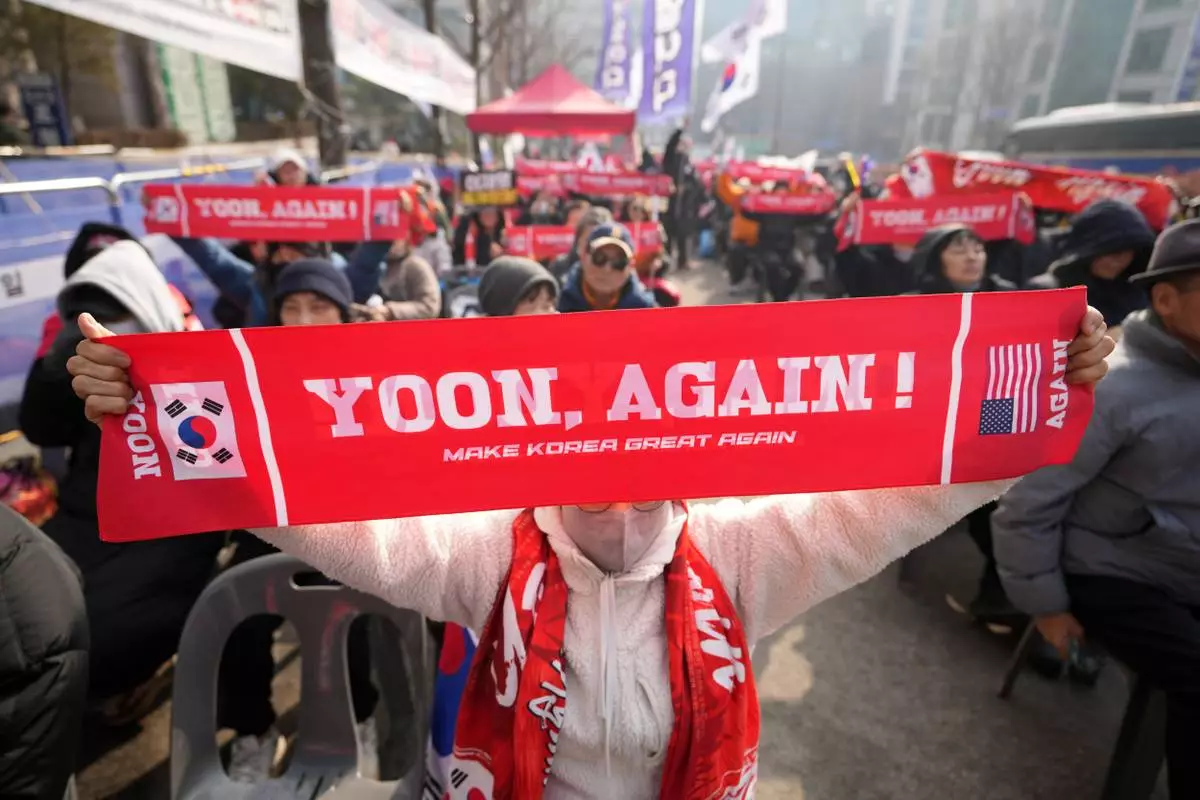
Supporters of former South Korean President Yoon Suk Yeol hold signs and flags outside Seoul Central District Court, in Seoul, South Korea, Friday, Jan. 16, 2026. (AP Photo/Lee Jin-man)

Supporters of former South Korean President Yoon Suk Yeol hold signs and flags outside Seoul Central District Court, in Seoul, South Korea, Friday, Jan. 16, 2026. (AP Photo/Lee Jin-man)

A supporter of former South Korean President Yoon Suk Yeol waits for a bus carrying former South Korean President Yoon Suk Yeol outside Seoul Central District Court, in Seoul, South Korea, Friday, Jan. 16, 2026. (AP Photo/Lee Jin-man)

A supporter of former South Korean President Yoon Suk Yeol waits for a bus carrying former South Korean President Yoon Suk Yeol outside Seoul Central District Court, in Seoul, South Korea, Friday, Jan. 16, 2026. (AP Photo/Lee Jin-man)

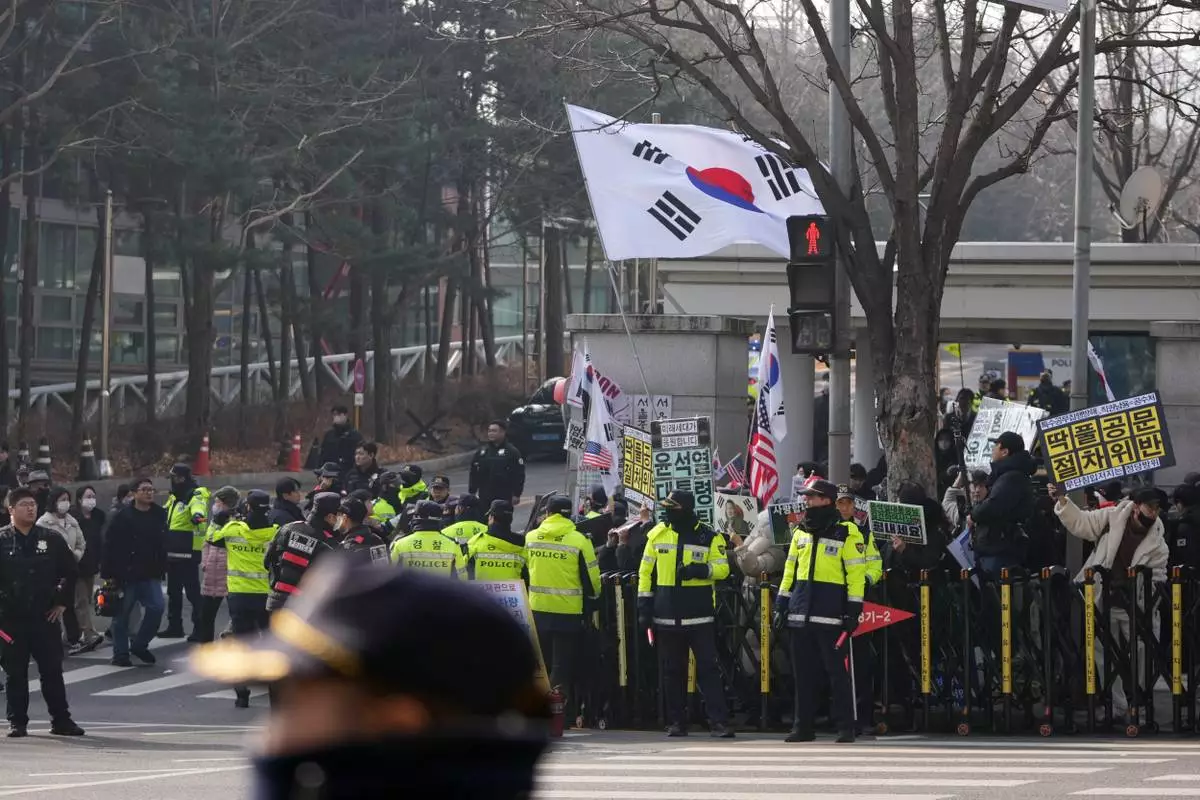
Supporters of former South Korean President Yoon Suk Yeol hold signs as police officers stand guard outside Seoul Central District Court, in Seoul, South Korea, Friday, Jan. 16, 2026. (AP Photo/Lee Jin-man)

Supporters of former South Korean President Yoon Suk Yeol hold signs as police officers stand guard outside Seoul Central District Court, in Seoul, South Korea, Friday, Jan. 16, 2026. (AP Photo/Lee Jin-man)

Supporters of former South Korean President Yoon Suk Yeol hold signs and flags outside Seoul Central District Court, in Seoul, South Korea, Friday, Jan. 16, 2026. (AP Photo/Lee Jin-man)

Supporters of former South Korean President Yoon Suk Yeol hold signs and flags outside Seoul Central District Court, in Seoul, South Korea, Friday, Jan. 16, 2026. (AP Photo/Lee Jin-man)

Supporters of former South Korean President Yoon Suk Yeol hold signs outside Seoul Central District Court, in Seoul, South Korea, Friday, Jan. 16, 2026. (AP Photo/Lee Jin-man)

Supporters of former South Korean President Yoon Suk Yeol hold signs outside Seoul Central District Court, in Seoul, South Korea, Friday, Jan. 16, 2026. (AP Photo/Lee Jin-man)

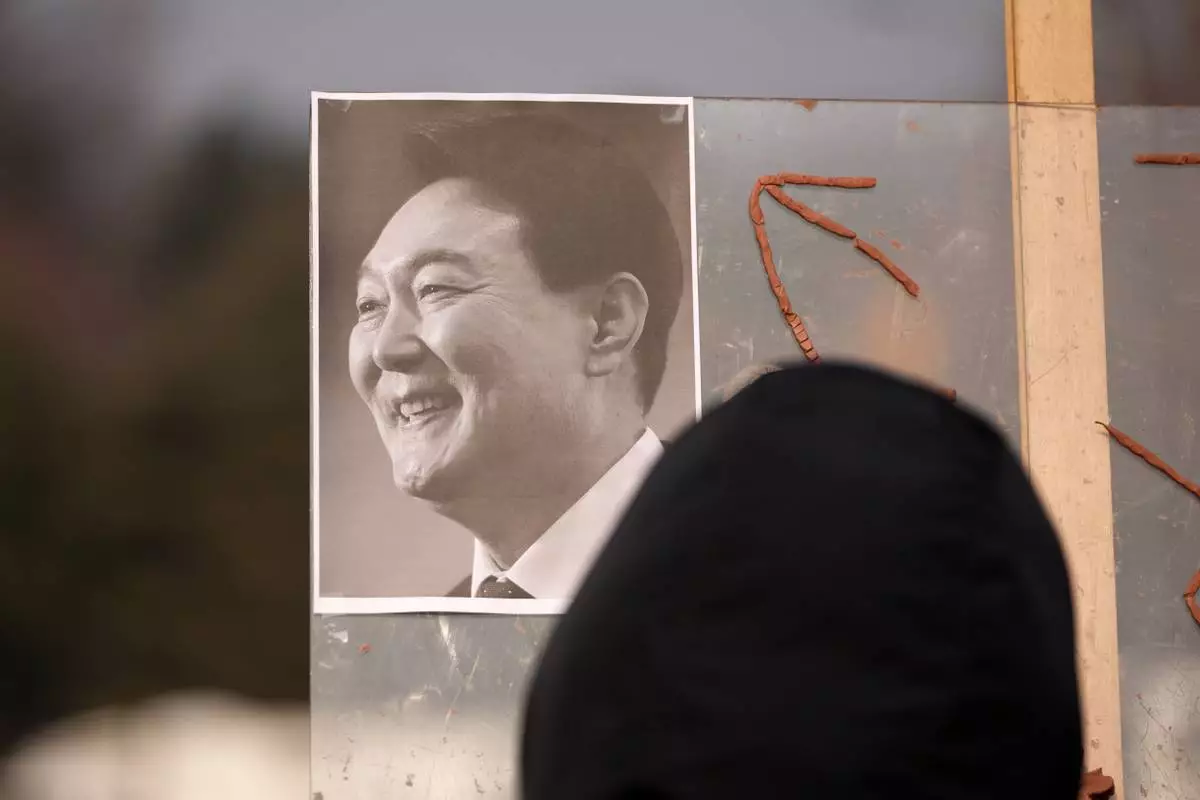
A picture of former South Korean President Yoon Suk Yeol is placed on a board as supporters gather outside Seoul Central District Court, in Seoul, South Korea, Friday, Jan. 16, 2026. (AP Photo/Lee Jin-man)

A picture of former South Korean President Yoon Suk Yeol is placed on a board as supporters gather outside Seoul Central District Court, in Seoul, South Korea, Friday, Jan. 16, 2026. (AP Photo/Lee Jin-man)

Recommended Articles