The world is dangerously close to surpassing the critical 1.5 degrees Celsius global warming limit, a threshold long warned by climate experts to trigger irreversible environmental damage and severe impacts on ecosystems and human livelihoods, a top United Nations (UN) official has warned.
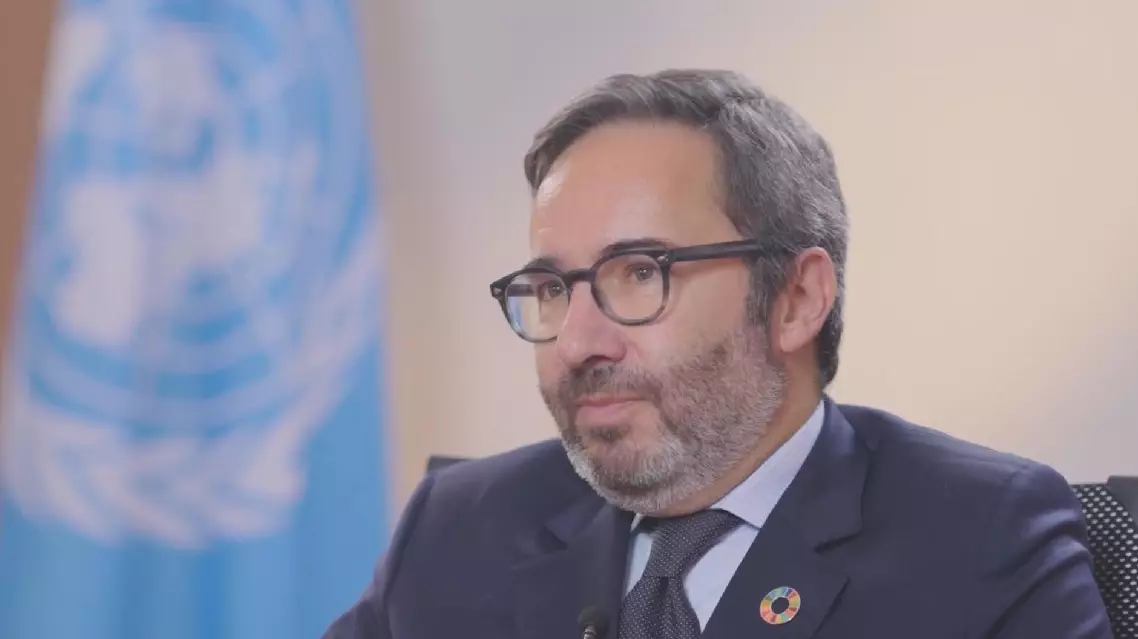
This limit represents not just a symbolic target but a tipping point in the Earth's climate system. Beyond this, the risk of compounding disasters such as desertification, ice sheet collapse, and extreme weather events will grow exponentially, reports have showed. In an exclusive interview with China Central Television (CCTV) aired Friday, Jorge Moreira da Silva, Executive Director of the UN Office for Project Services (UNOPS), emphasized the dire implications of failing to meet the 1.5°C target. "If we go towards 2.9 degrees Celsius rather than 1.5, we will get 1.3 billion people in the world that will live in places that became deserts or under significant water stress. We will have massive destruction of ice sheets. We will have massive destruction of the stability of the climate. We will have proliferation of hurricanes and cyclones. So the 1.5 degree, I insist, is a physical limit. If we cross that limit, we will still be in this planet. But the planet will be different, in terms of wellbeing, in terms of quality of life, in terms of health. But we can still fix it," he said.
Click to Gallery
UN official warns of dangerous climate threshold, highlights clean energy momentum
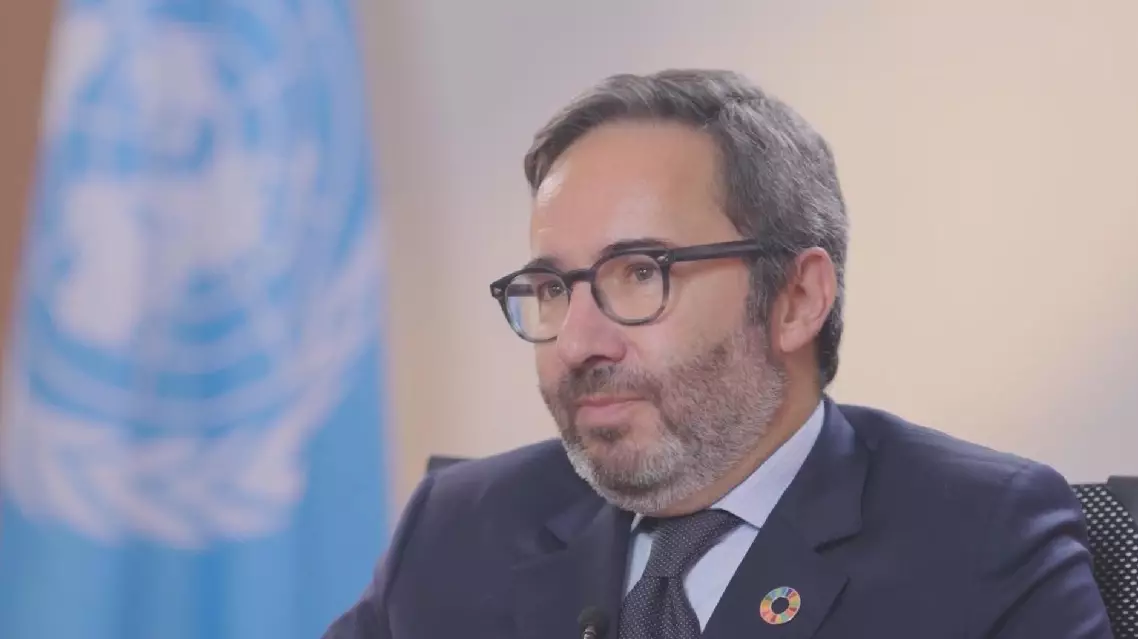
UN official warns of dangerous climate threshold, highlights clean energy momentum
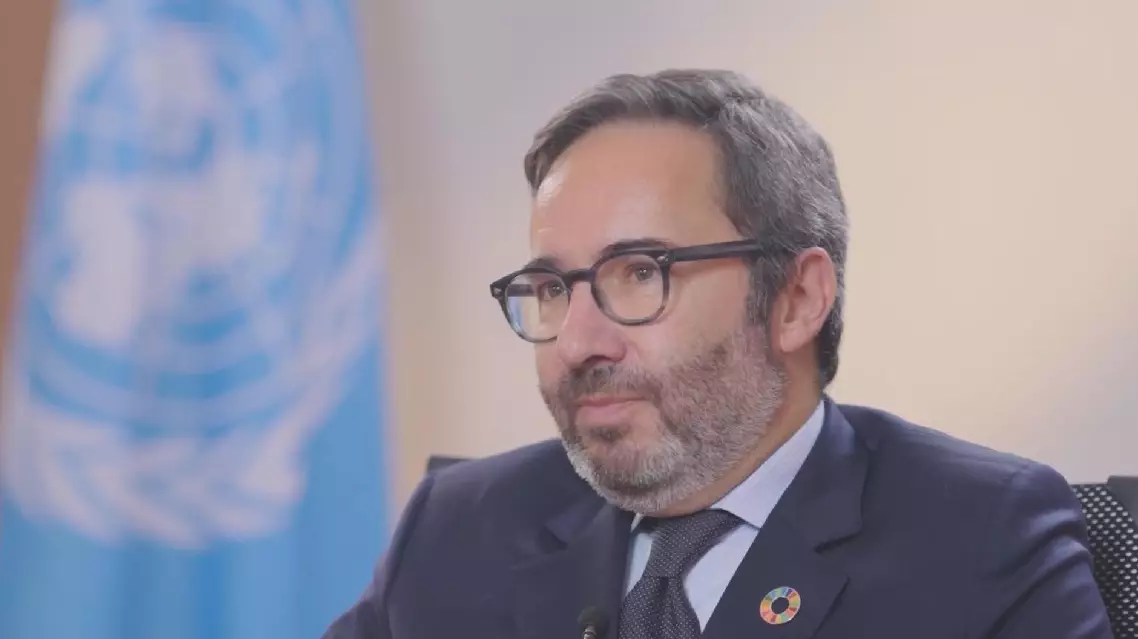
UN official warns of dangerous climate threshold, highlights clean energy momentum
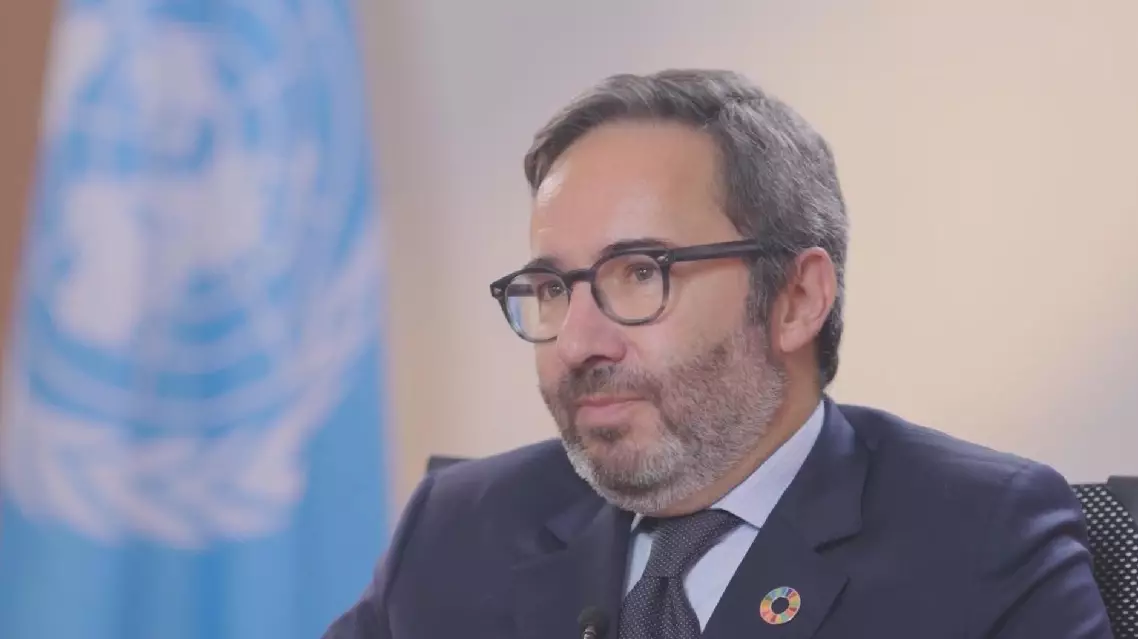
UN official warns of dangerous climate threshold, highlights clean energy momentum
Despite the daunting challenges ahead, da Silva highlighted the strides made in renewable energy adoption and electric mobility. He noted that China, in particular, has seen a remarkable threefold increase in electric vehicle uptake, showcasing the momentum toward sustainable solutions.
"In the last decade, investment on renewable energy has doubled. Solar and wind is now the cheapest energy in the world. Electrical mobility have been doubling or tripling every year, namely here in China but also in Europe, also in the US. In China, it has been tripling, so that is going even further. It shows that the renewable energy or the electrical mobility is no longer a green agenda. It makes sense from an economic point of view. The number of jobs that can be created, are massive through the green energy," he said.
While da Silva conveyed optimism about the advancements in technology and the viability of a green economy, he highlighted pressing concerns about the speed of global action. He noted that while the direction might be right, the urgency required to match the scale of the challenge is still lacking. "The International Energy Agency says that with the energy efforts to reach neutrality by 2050 will get a significant increase in jobs, even by 2030, we will get four times more jobs on renewable energy. So I think that this is why I'm quite optimistic. I'm optimistic regarding the technology. I'm optimistic regarding the economics. I'm only worried with two dimensions: speed and solidarity. Our point is not just about the path; it is about the pace. Even when we are going in the right direction, are we going fast enough? I don't think so," he said.
UN official warns of dangerous climate threshold, highlights clean energy momentum
UN official warns of dangerous climate threshold, highlights clean energy momentum
UN official warns of dangerous climate threshold, highlights clean energy momentum
UN official warns of dangerous climate threshold, highlights clean energy momentum