Skip to Content Facebook Feature Image

Jeffrey Epstein's former girlfriend, Ghislaine Maxwell, is transferred to a prison camp in Texas

News

Jeffrey Epstein's former girlfriend, Ghislaine Maxwell, is transferred to a prison camp in Texas
News

News

Jeffrey Epstein's former girlfriend, Ghislaine Maxwell, is transferred to a prison camp in Texas

2025-08-03 08:42 Last Updated At:08:51

WASHINGTON (AP) — Jeffrey Epstein's former girlfriend, Ghislaine Maxwell, has been moved from a federal prison in Florida to a prison camp in Texas as her criminal case generates renewed public attention.

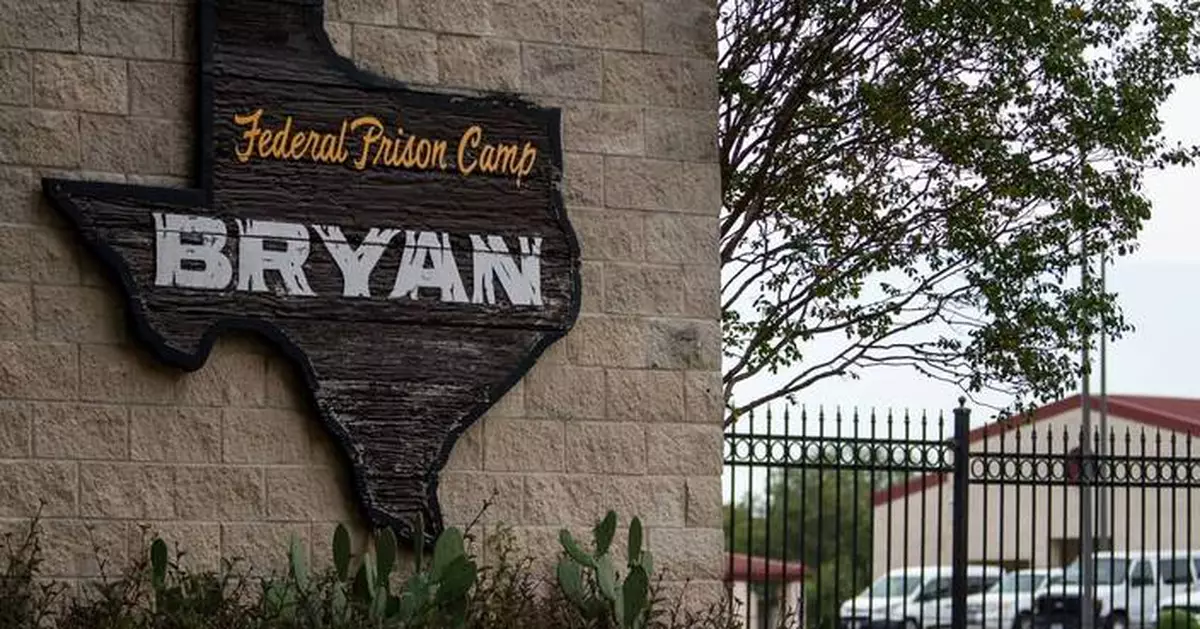
The federal Bureau of Prisons said Friday that Maxwell had been transferred to Bryan, Texas, but did not explain the circumstances. Her attorney, David Oscar Markus, also confirmed the move but declined to discuss the reasons for it.

Maxwell was convicted in 2021 of luring teenage girls to be sexually abused by the disgraced financier, and was sentenced to 20 years in prison. She had been held at a low-security prison in Tallahassee, Florida, until her transfer to the prison camp in Texas, where other inmates include Theranos founder Elizabeth Holmes and Jen Shah of “The Real Housewives of Salt Lake City.”

Minimum-security federal prison camps house inmates the Bureau of Prisons considers to be the lowest security risk. Some don’t even have fences.

The prison camps were originally designed with low security to make operations easier and to allow inmates tasked with performing work at the prison, like landscaping and maintenance, to avoid repeatedly checking in and out of a main prison facility.

Prosecutors have said Epstein's sex crimes could not have been done without Maxwell, but her lawyers have maintained that she was wrongly prosecuted and denied a fair trial, and have floated the idea of a pardon from President Donald Trump. They have also asked the U.S. Supreme Court to take up her case.

Trump said Friday night that no one has asked him about a clemency for Maxwell.

“I’m allowed to do it but nobody’s asked me to do it," he told Newsmax in an interview broadcast Friday night. "I know nothing about it. I don’t know anything about the case, but I know I have the right to do it. I have the right to give pardons, I’ve given pardons to people before, but nobody’s even asked me to do it.”

Maxwell’s case has been the subject of heightened public focus since an outcry over the Justice Department's statement last month saying that it would not be releasing any additional documents from the Epstein sex trafficking investigation. The decision infuriated online sleuths, conspiracy theorists and elements of Trump's base who had hoped to see proof of a government cover-up.

Since then, administration officials have tried to cast themselves as promoting transparency in the case, including by requesting from courts the unsealing of grand jury transcripts.

Maxwell, meanwhile, was interviewed at a Florida courthouse over two days last week by Deputy Attorney General Todd Blanche and the House Oversight Committee had also said that it wanted to speak with Maxwell. Her lawyers said this week that they would be open to an interview but only if the panel were to ensure immunity from prosecution.

In the Newsmax interview, Trump said he did not know when Blanche would disclose to the public what he and Maxwell discussed during the interviews.

“I think he just wants to make sure that innocent people aren’t hurt, but you’d have to speak to him about it,” Trump said.

In a letter Friday to Maxwell’s lawyers, Rep. James Comer, the committee chair, wrote that the committee was willing to delay the deposition until after the resolution of Maxwell's appeal to the Supreme Court. That appeal is expected to be resolved in late September.

Comer wrote that while Maxwell’s testimony was “vital” to the Republican-led investigation into Epstein, the committee would not provide immunity or any questions in advance of her testimony, as was requested by her team.

Associated Press writers Michael Balsamo, Matt Brown and Darlene Superville contributed to this report.
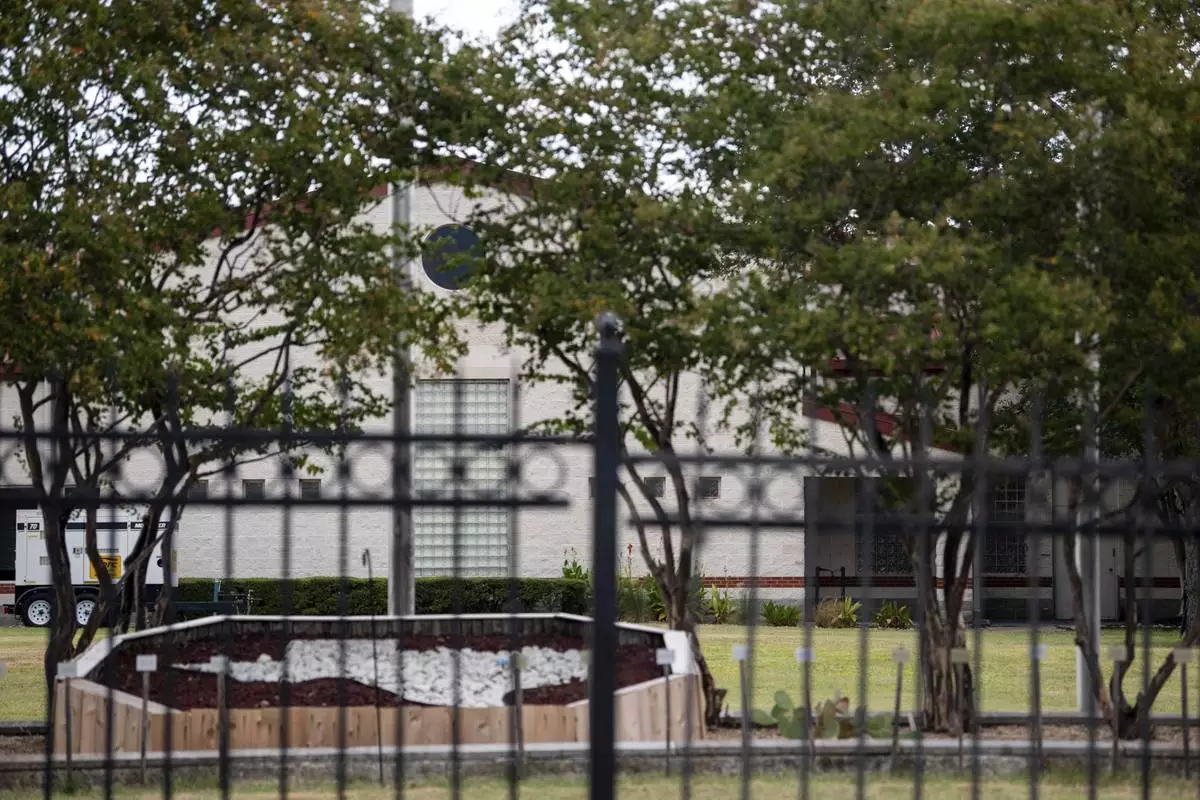
Federal Prison Camp, Bryan is seen in Bryan, Texas, on Saturday, Aug. 2, 2025. (Meredith Seaver/College Station Eagle via AP)
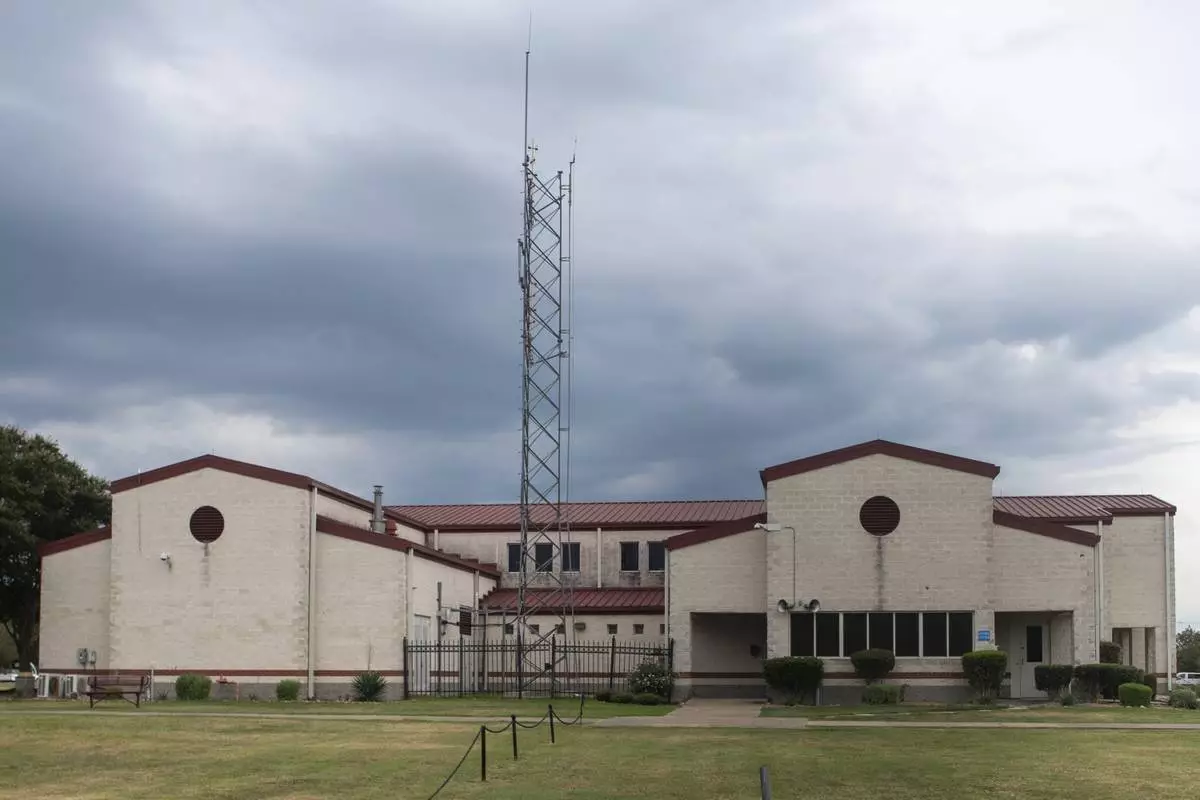
Federal Prison Camp, Bryan is seen in Bryan, Texas, on Saturday, Aug. 2, 2025. (Meredith Seaver/College Station Eagle via AP)
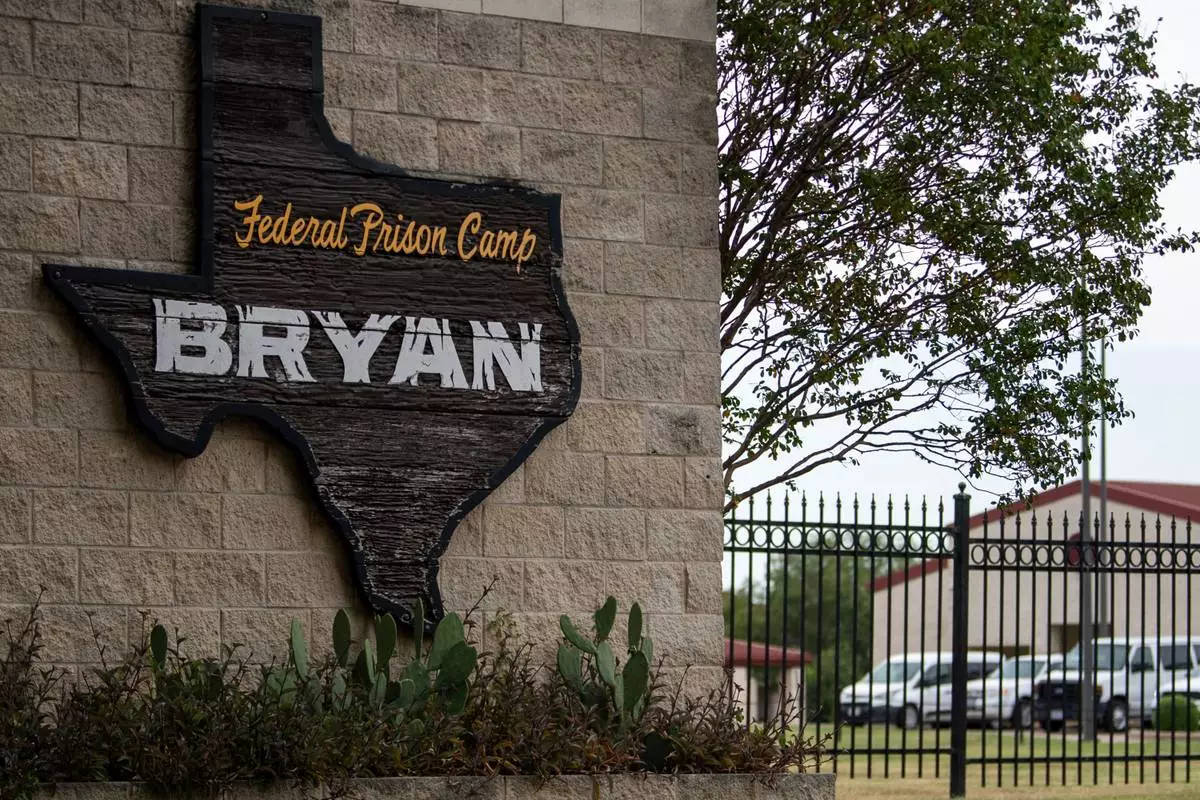
Federal Prison Camp, Bryan is seen in Bryan, Texas, on Saturday, Aug. 2, 2025. (Meredith Seaver/College Station Eagle via AP)

Federal Prison Camp, Bryan is seen in Bryan, Texas, on Saturday, Aug. 2, 2025. (Meredith Seaver/College Station Eagle via AP)
Federal Prison Camp, Bryan is seen in Bryan, Texas, on Saturday, Aug. 2, 2025. (Meredith Seaver/College Station Eagle via AP)
Federal Prison Camp, Bryan is seen in Bryan, Texas, on Saturday, Aug. 2, 2025. (Meredith Seaver/College Station Eagle via AP)
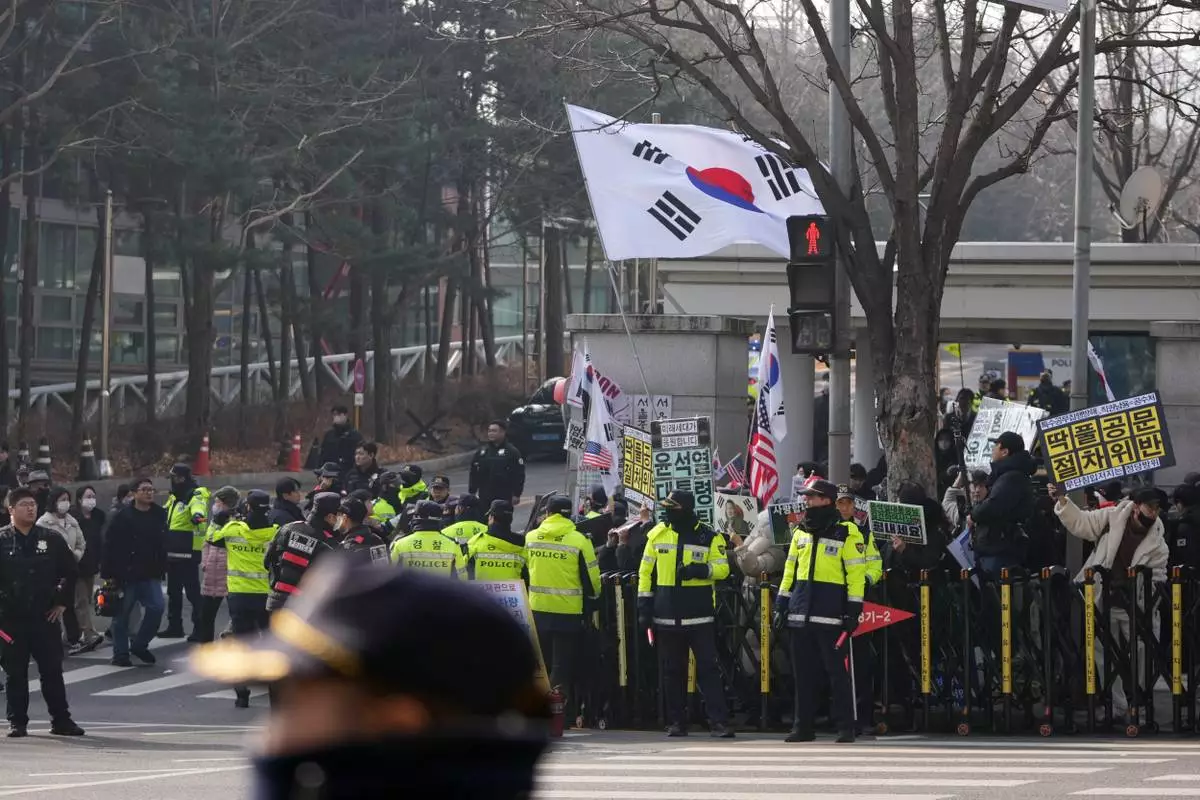
SEOUL, South Korea (AP) — A South Korean court sentenced former President Yoon Suk Yeol to five years in prison Friday in the first verdict from eight criminal trials over the martial law debacle that forced him out of office and other allegations.

Yoon was impeached, arrested and dismissed as president after his short-lived imposition of martial law in December 2024 triggered huge public protests calling for his ouster.

The most significant criminal charge against him alleges that his martial law enforcement amounted to a rebellion, and the independent counsel has requested the death sentence in the case that is to be decided in a ruling next month.

In Friday's case, the Seoul Central District Court sentenced Yoon for defying attempts to detain him, fabricating the martial law proclamation and sidestepping a legally mandated full Cabinet meeting.

Yoon has maintained he didn’t intend to place the country under military rule for an extended period, saying his decree was only meant to inform the people about the danger of the liberal-controlled parliament obstructing his agenda. But investigators have viewed Yoon’s decree as an attempt to bolster and prolong his rule, charging him with rebellion, abuse of power and other criminal offenses.

Judge Baek Dae-hyun said in the televised ruling that imposing “a grave punishment” was necessary because Yoon hasn’t shown remorse and has only repeated “hard-to-comprehend excuses.” The judge also restoring legal systems damaged by Yoon’s action was necessary.

Yoon, who can appeal the ruling, hasn’t immediately publicly responded to the ruling. But when the independent counsel demanded a 10-year prison term in the case, Yoon’s defense team accused them of being politically driven and lacking legal grounds to demand such “an excessive” sentence.

Prison sentences in the multiple, smaller trials Yoon faces would matter if he is spared the death penalty or life imprisonment at the rebellion trial.

Park SungBae, a lawyer who specializes in criminal law, said there is little chance the court would decide Yoon should face the death penalty in the rebellion case. He said the court will likely issue a life sentence or a sentence of 30 years or more in prison.

South Korea has maintained a de facto moratorium on executions since 1997 and courts rarely hand down death sentences. Park said the court would take into account that Yoon’s decree didn’t cause casualties and didn’t last long, although Yoon hasn’t shown genuine remorse for his action.

A supporter of former South Korean President Yoon Suk Yeol shouts slogans outside Seoul Central District Court, in Seoul, South Korea, Friday, Jan. 16, 2026. (AP Photo/Lee Jin-man)

A supporter of former South Korean President Yoon Suk Yeol shouts slogans outside Seoul Central District Court, in Seoul, South Korea, Friday, Jan. 16, 2026. (AP Photo/Lee Jin-man)

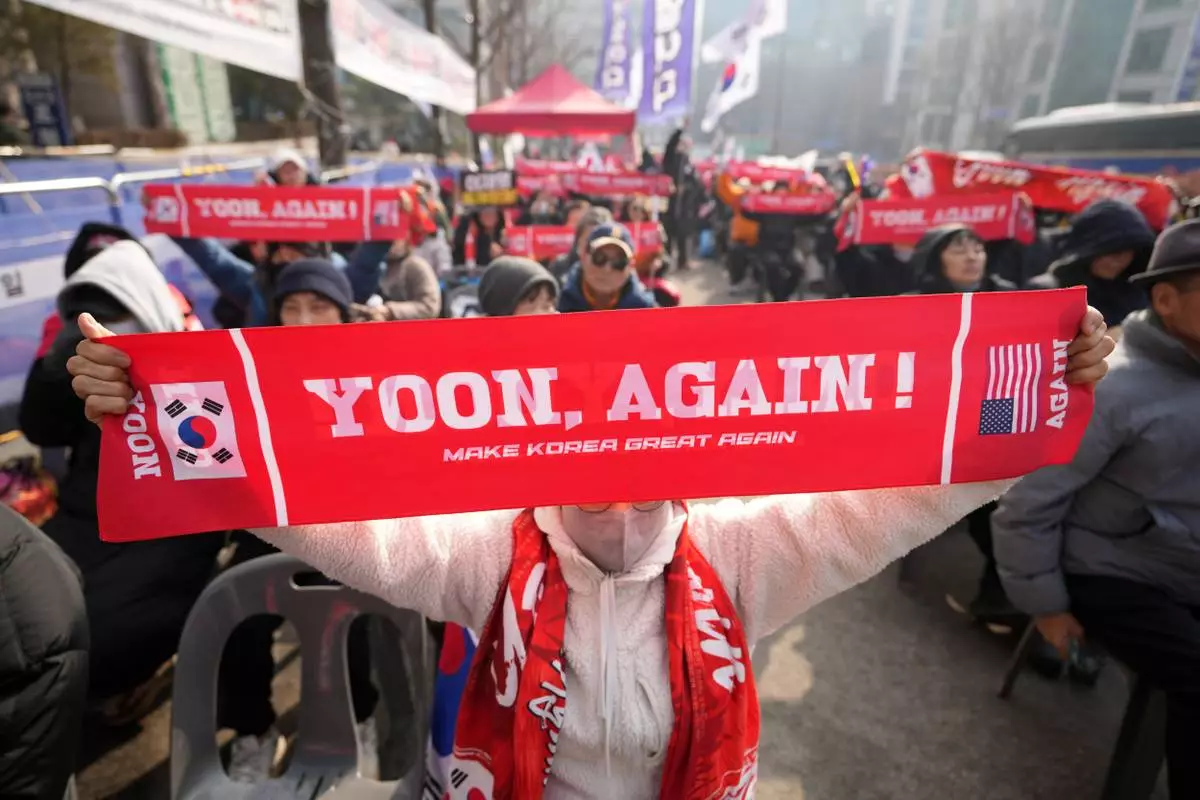
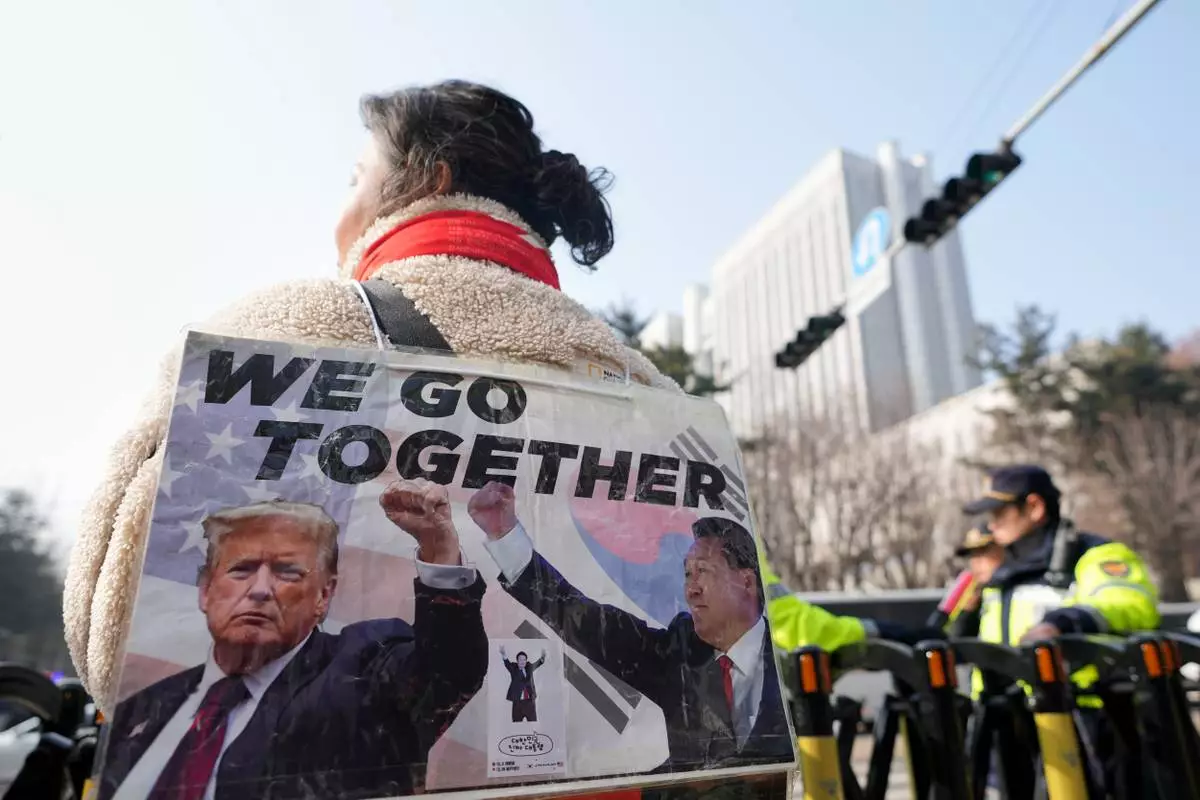
Supporters of former South Korean President Yoon Suk Yeol hold signs and flags outside Seoul Central District Court, in Seoul, South Korea, Friday, Jan. 16, 2026. (AP Photo/Lee Jin-man)

Supporters of former South Korean President Yoon Suk Yeol hold signs and flags outside Seoul Central District Court, in Seoul, South Korea, Friday, Jan. 16, 2026. (AP Photo/Lee Jin-man)

A supporter of former South Korean President Yoon Suk Yeol waits for a bus carrying former South Korean President Yoon Suk Yeol outside Seoul Central District Court, in Seoul, South Korea, Friday, Jan. 16, 2026. (AP Photo/Lee Jin-man)

A supporter of former South Korean President Yoon Suk Yeol waits for a bus carrying former South Korean President Yoon Suk Yeol outside Seoul Central District Court, in Seoul, South Korea, Friday, Jan. 16, 2026. (AP Photo/Lee Jin-man)

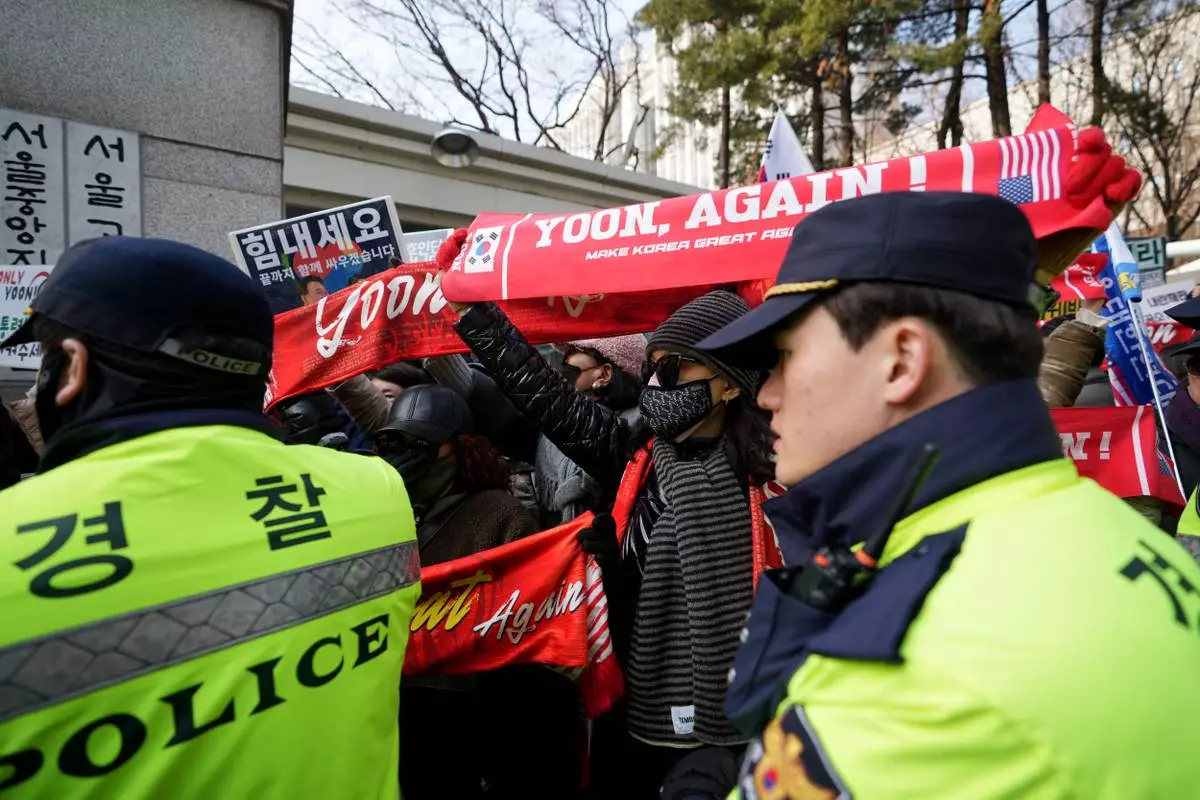
Supporters of former South Korean President Yoon Suk Yeol hold signs as police officers stand guard outside Seoul Central District Court, in Seoul, South Korea, Friday, Jan. 16, 2026. (AP Photo/Lee Jin-man)

Supporters of former South Korean President Yoon Suk Yeol hold signs as police officers stand guard outside Seoul Central District Court, in Seoul, South Korea, Friday, Jan. 16, 2026. (AP Photo/Lee Jin-man)

Supporters of former South Korean President Yoon Suk Yeol hold signs and flags outside Seoul Central District Court, in Seoul, South Korea, Friday, Jan. 16, 2026. (AP Photo/Lee Jin-man)

Supporters of former South Korean President Yoon Suk Yeol hold signs and flags outside Seoul Central District Court, in Seoul, South Korea, Friday, Jan. 16, 2026. (AP Photo/Lee Jin-man)

Supporters of former South Korean President Yoon Suk Yeol hold signs outside Seoul Central District Court, in Seoul, South Korea, Friday, Jan. 16, 2026. (AP Photo/Lee Jin-man)

Supporters of former South Korean President Yoon Suk Yeol hold signs outside Seoul Central District Court, in Seoul, South Korea, Friday, Jan. 16, 2026. (AP Photo/Lee Jin-man)

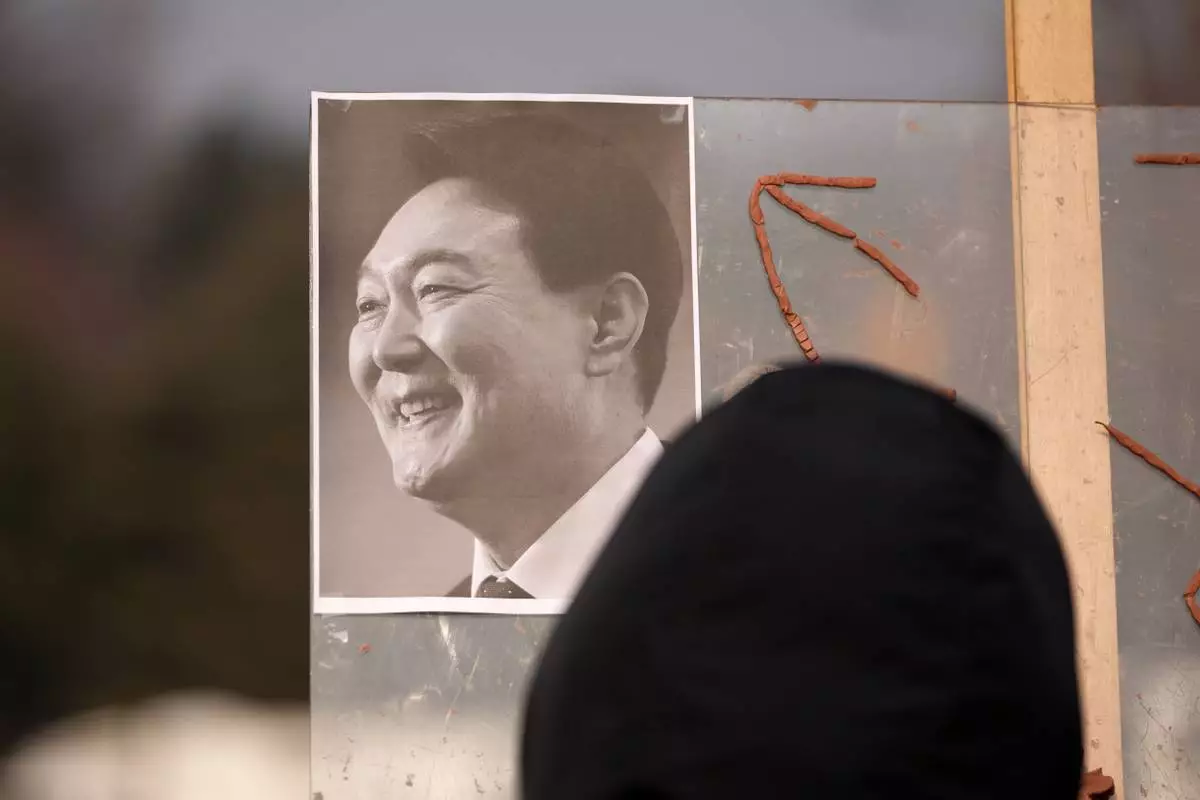
A picture of former South Korean President Yoon Suk Yeol is placed on a board as supporters gather outside Seoul Central District Court, in Seoul, South Korea, Friday, Jan. 16, 2026. (AP Photo/Lee Jin-man)

A picture of former South Korean President Yoon Suk Yeol is placed on a board as supporters gather outside Seoul Central District Court, in Seoul, South Korea, Friday, Jan. 16, 2026. (AP Photo/Lee Jin-man)

Recommended Articles