From bustling markets to creative ceramic spaces, Jingdezhen, a thousand-year-old city in east China's Jiangxi Province, is evolving from a historic center of ceramic production into a global handicraft center.
Known as the Porcelain Capital, the city attracts tourists from all over the world every year to experience its ceramic culture. For many, the experience is more than just sightseeing.
"It feels really fun and novel. I love pottery. I might as well come straight to Jingdezhen," said a tourist experiencing porcelain making.
On the city's Taoxichuan Ceramic Art Avenue, a popular experience zone transformed from old factory buildings has emerged as a dynamic creative hub for ceramic culture.
"This place used to be all production workshops. After the renovation, part of it has become a base for tourists to experience ceramic creation," said the factory manager.
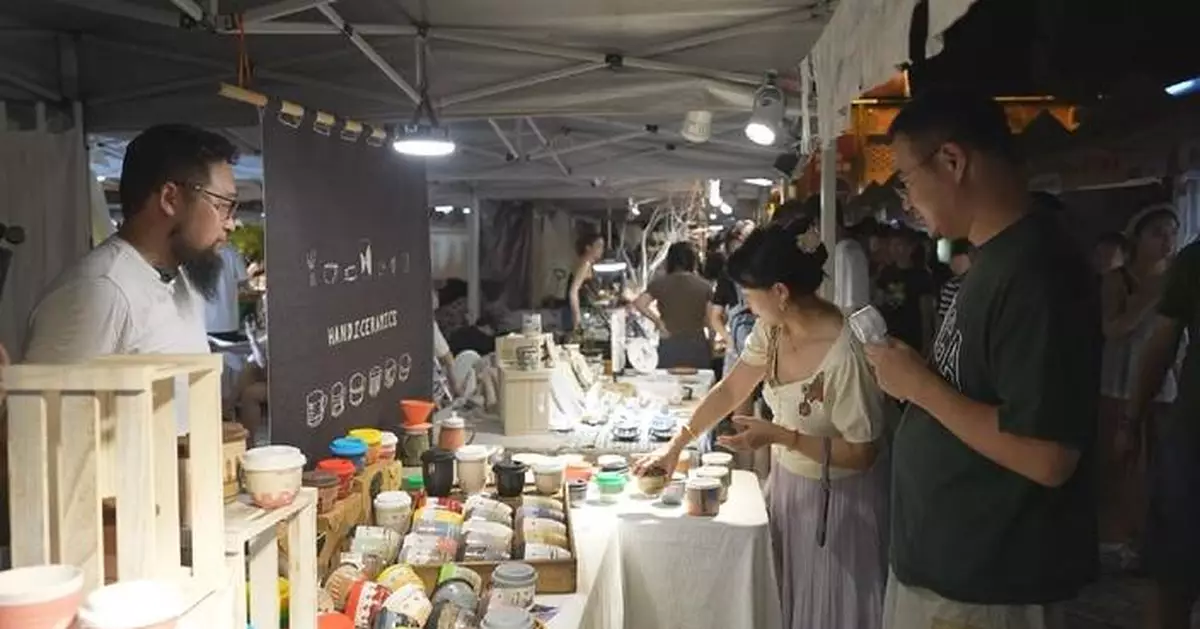
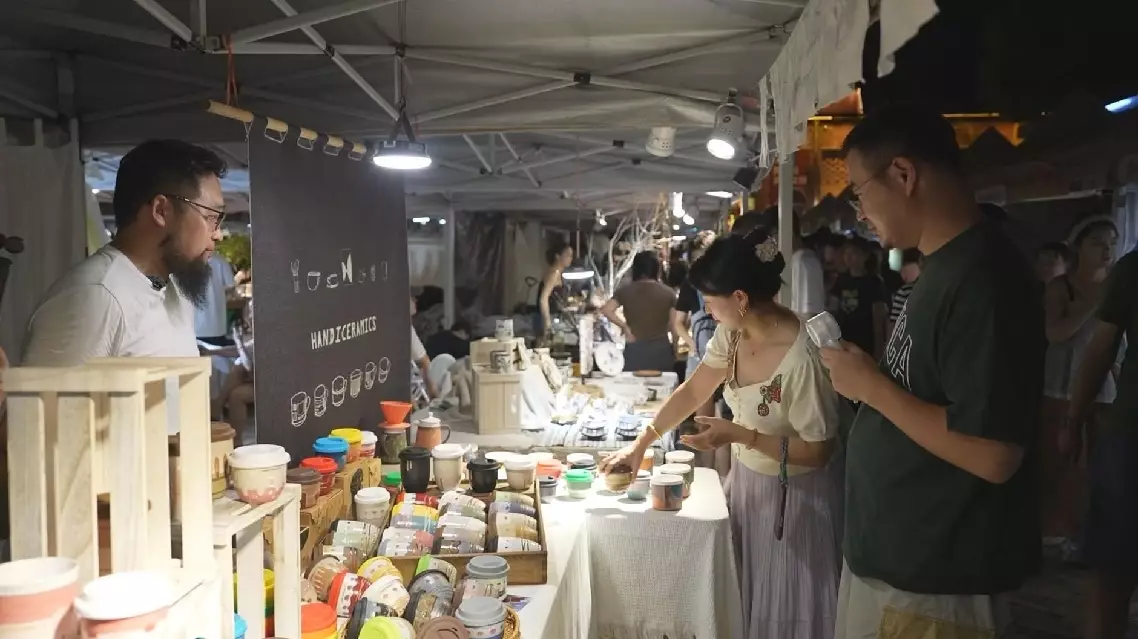
Another highlight is the Taoran Fair, a quarterly fair featuring handmade crafts, with hundreds of stalls presenting a wide variety of goods for enthusiastic consumers.
"There are many small shops and items that you can't find online. Many of them are hand-painted by the shop owners themselves," said a tourist.
Each stall is like a small art exhibition, showcasing the unique creativity and exquisite skills of the creators.
"The biggest feature of the Taoran Fair, different from traditional markets, is its 'diversity.' It not only has ceramics but also various handicrafts. Jingdezhen has a great advantage in combining the creativity of young creators with traditional handicrafts," said Liu Zili, chairman of Jingdezhen Tourism and Culture Holding Group Co., Ltd.
That blend has drawn a growing international community. Many artists from around the world choose to set up their studios in Jingdezhen, turning it into a global art dream platform.
An artist from Canada has been in Jingdezhen for over 30 years, documenting the changes of this thousand-year-old art capital with his brush.
"This one here is almost complete. There's no old Jingdezhen in this one. It's all new. And then you see the new Jingdezhen I did in the Qinghua (blue-and-white) cobalt. So, because right now, when people are 100 years from now, they are going to see this as old Jingdezhen. So the concept of history and time is kind of changing a little bit," said Phil Read as he was introducing a porcelain vase.
China's porcelain capital Jingdezhen redefines its identity as global handicraft hub