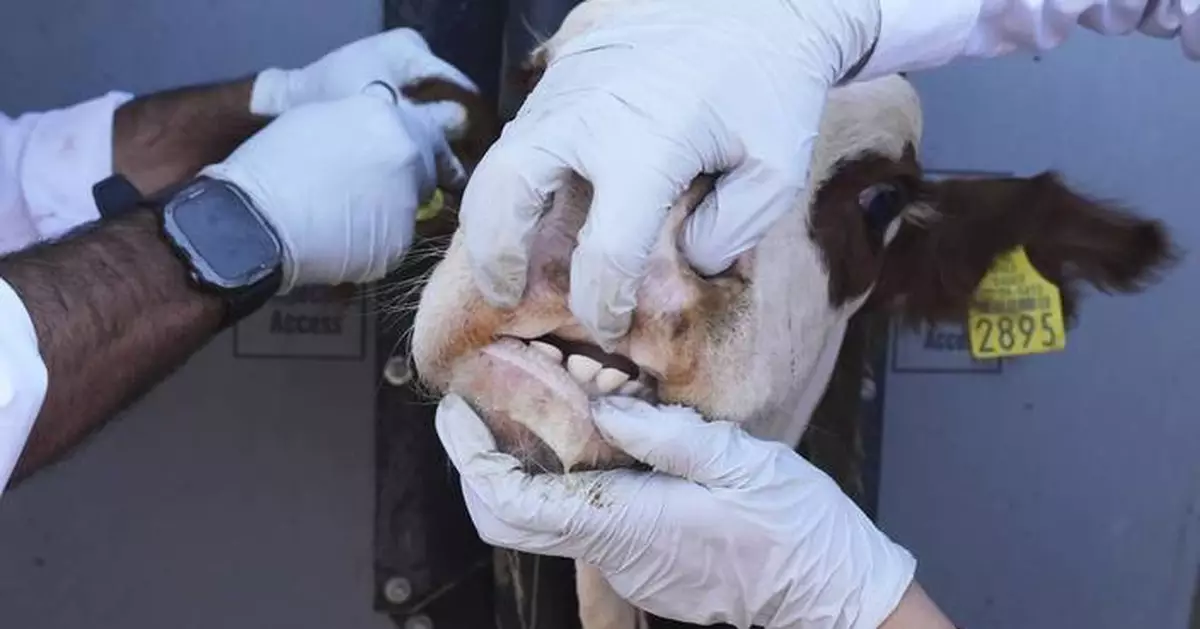
ZAMORA, Mexico (AP) — The U.S. has suspended live cattle imports from Mexico due to concerns about the New World Screwworm, a flesh-eating parasite found in southern Mexico. This suspension has severely impacted ranchers in Sonora, who are already struggling with drought.
Follow AP visual journalism:
Click to Gallery
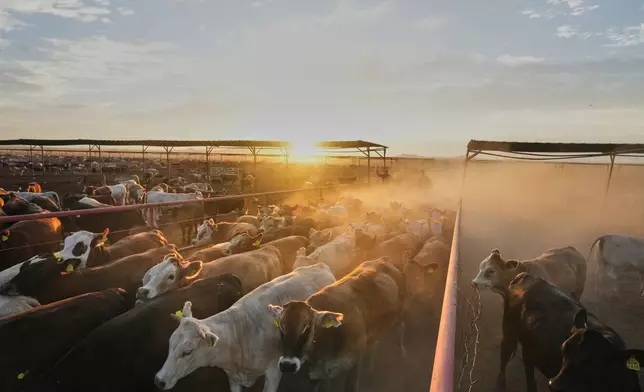
Workers shepherd cattle at a ranch that exports livestock to the U.S., in Zamora, northern Mexico, Tuesday, July 29, 2025. (AP Photo/Fernando Llano)
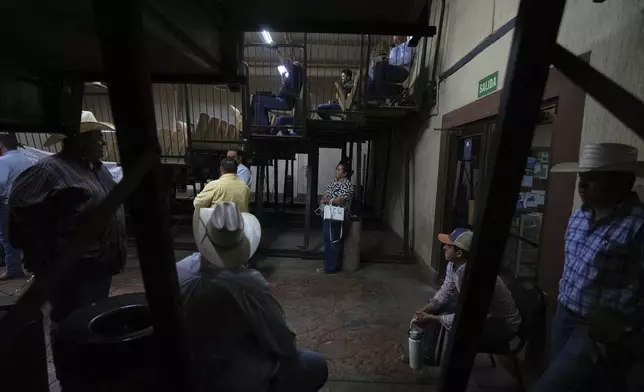
Cattle buyers and sellers attend an auction in Hermosillo, Sonora state, Mexico, Tuesday, July 29, 2025. (AP Photo/Fernando Llano)
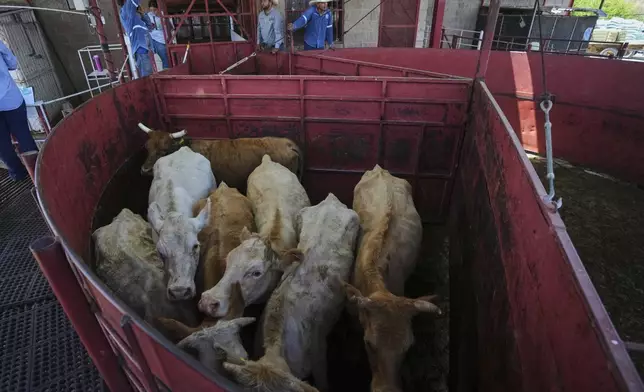
Cows stand fenced in before getting displayed at a cattle auction in Hermosillo, Sonora state, Mexico, Tuesday, July 29, 2025. (AP Photo/Fernando Llano)
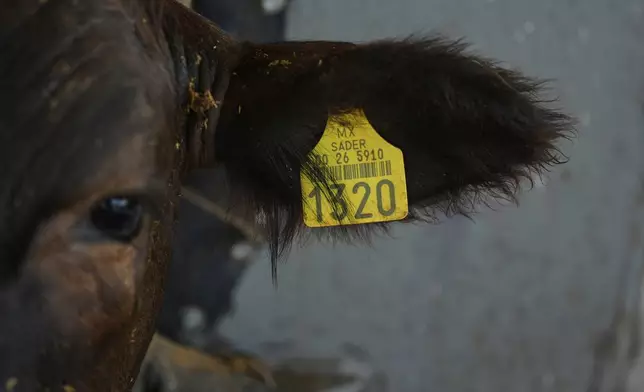
A cow waits to be examined by a veterinarian in Hermosillo, Sonora state, Mexico, Monday, July 28, 2025. (AP Photo/Fernando Llano)
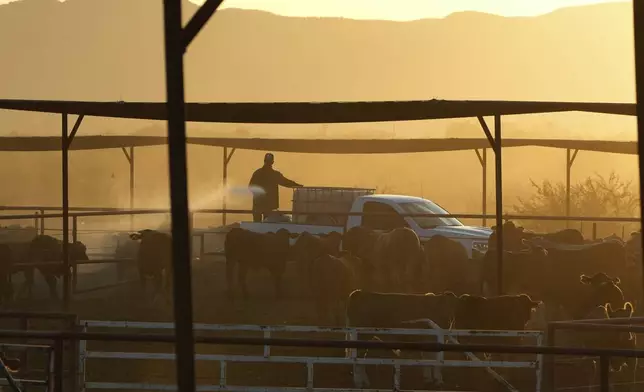
A ranch hand sprays for fly control at a ranch that supplies livestock for export to the U.S., in Zamora, northern Mexico, Tuesday, July 29, 2025, as the U.S. border remains closed to Mexican cattle imports over screwworm concerns. (AP Photo/Fernando Llano)
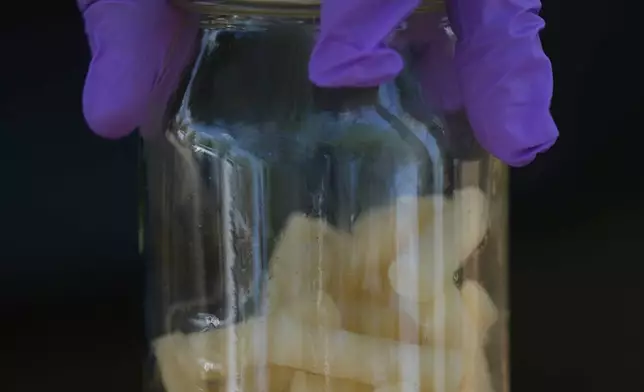
Technicians prepare bait to attract flies near a cattle auction in Hermosillo, Sonora state, Mexico, Tuesday, July 29, 2025. (AP Photo/Fernando Llano)
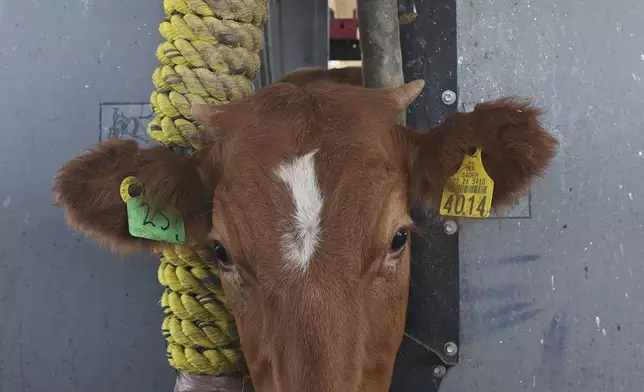
A calf is held in a head gate during veterinary checks at a ranch that supplies livestock for export to the U.S., in Zamora, northern Mexico, Monday, July 28, 2025, as the U.S. border remains closed to Mexican cattle imports because of screwworm concerns. (AP Photo/Fernando Llano)
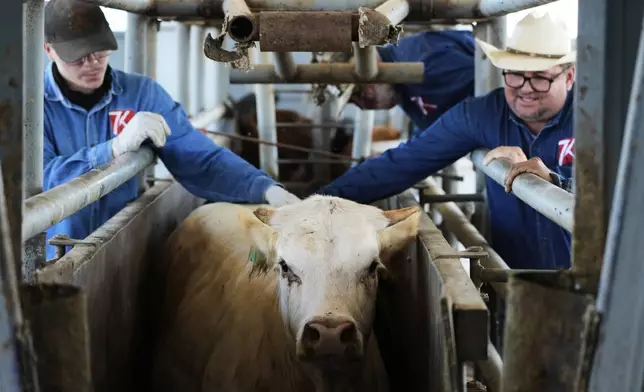
Cowboys push a cow out of its spot to a veterinarian inspection at a ranch that exports livestock to the U.S., in Zamora, northern Mexico, Monday, July 28, 2025. (AP Photo/Fernando Llano)
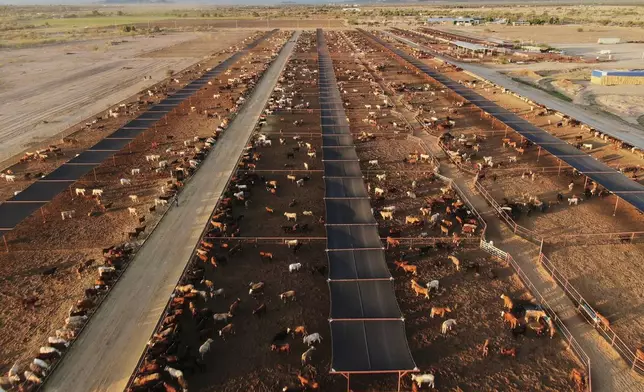
Cattle feed at a ranch that exports livestock to the U.S., in Zamora, northern Mexico, Tuesday, July 29, 2025, with the U.S. border closed to Mexican cattle imports over screwworm concerns. (AP Photo/Fernando Llano)

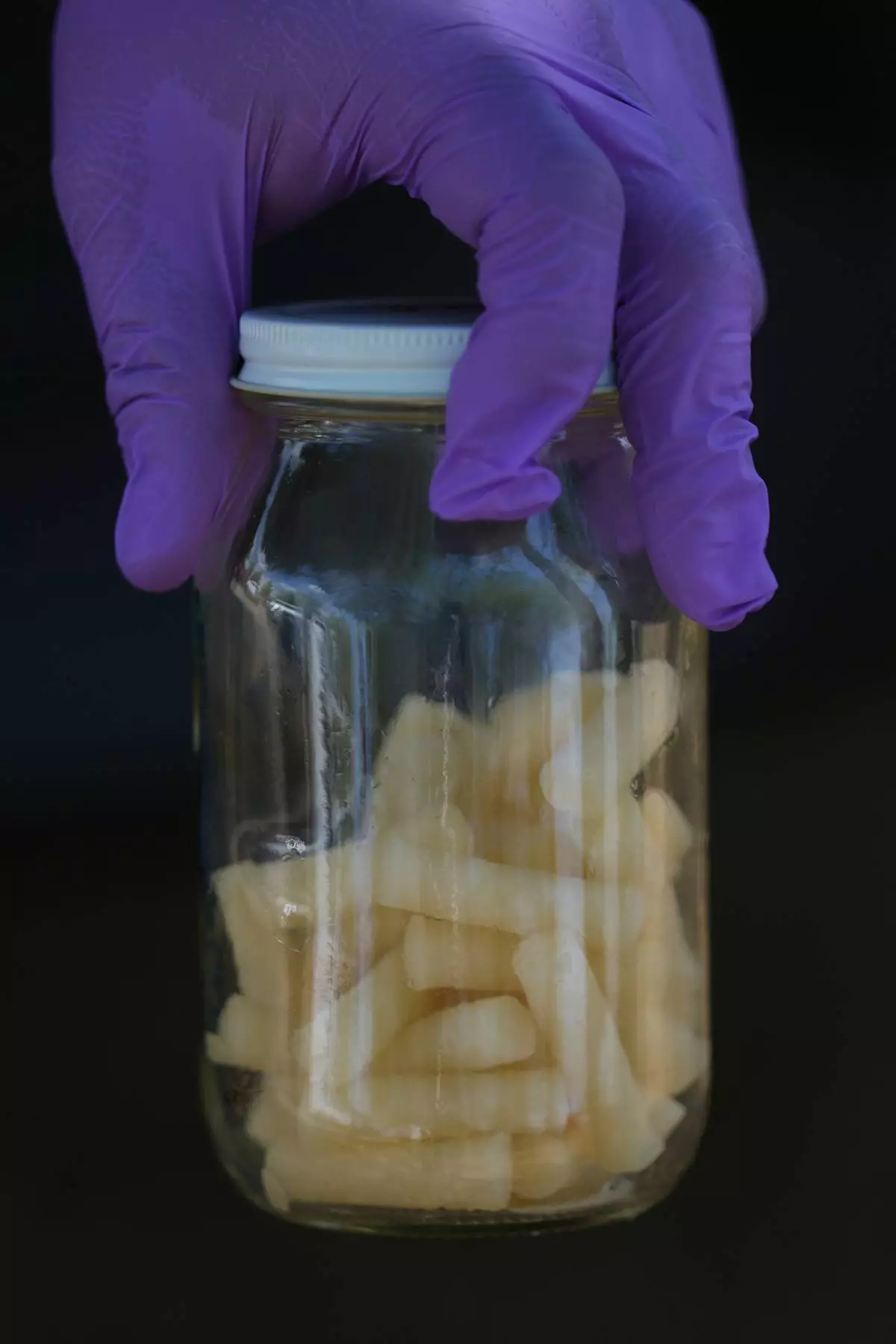
Flies of various species sit stuck in a trap near the pens of an auction in Hermosillo, Sonora state, Mexico, Tuesday, July 29, 2025. (AP Photo/Fernando Llano)
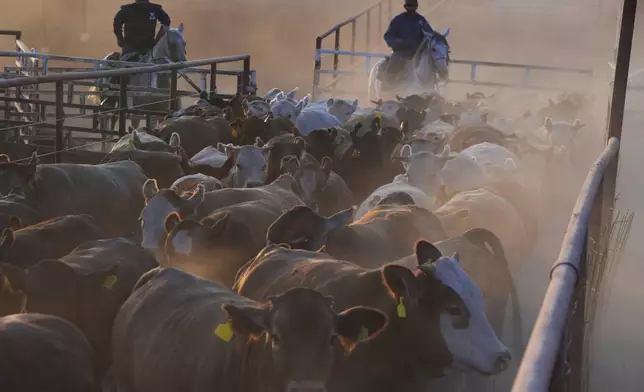
Ranch hands move cattle at a ranch that supplies livestock for export to the U.S., in Zamora, northern Mexico, Tuesday, July 29, 2025, as the U.S. border remains closed to Mexican cattle imports over screwworm concerns. (AP Photo/Fernando Llano)
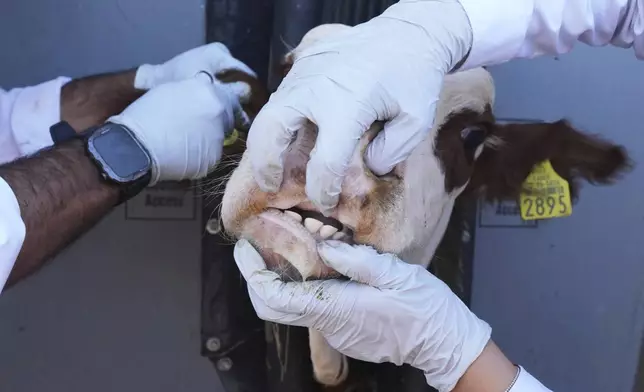
Veterinarians examine cattle at a ranch that supplies livestock for export to the U.S., in Zamora, northern Mexico, Monday, July 28, 2025, as the U.S. border remains closed to Mexican cattle imports because of screwworm concerns. (AP Photo/Fernando Llano)
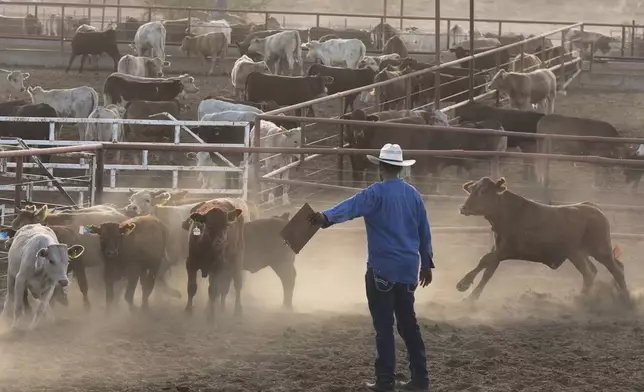
A ranch hand sorts calves at a ranch that supplies livestock for export to the U.S., in Zamora, northern Mexico, Tuesday, July 29, 2025, as the U.S. border remains closed to Mexican cattle imports over screwworm concerns. (AP Photo/Fernando Llano)
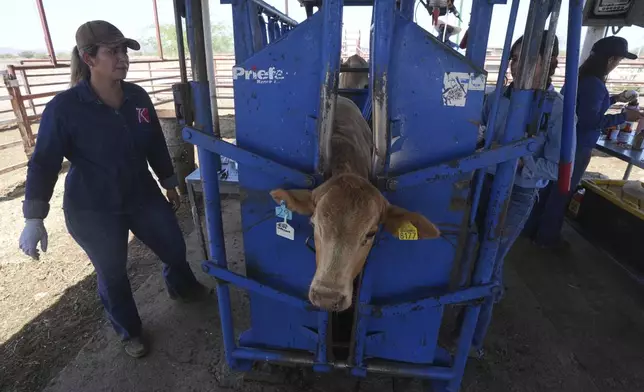
Veterinarians examine cattle at a ranch that supplies livestock for export to the U.S., in Zamora, northern Mexico, Monday, July 28, 2025, as the U.S. border remains closed to Mexican cattle imports because of screwworm concerns. (AP Photo/Fernando Llano)
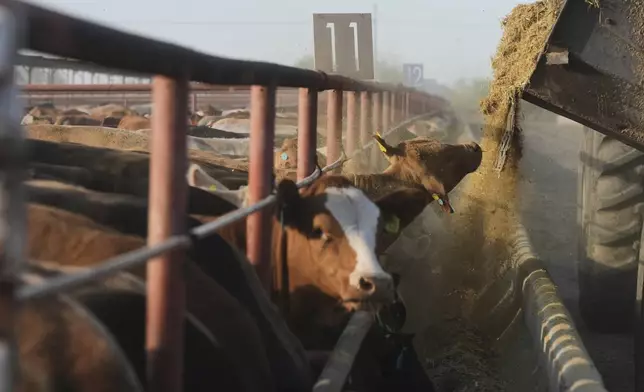
Cattle feed at a ranch that supplies cattle for export to the U.S. in Zamora, northern Mexico, Tuesday, July 29, 2025. (AP Photo/Fernando Llano)
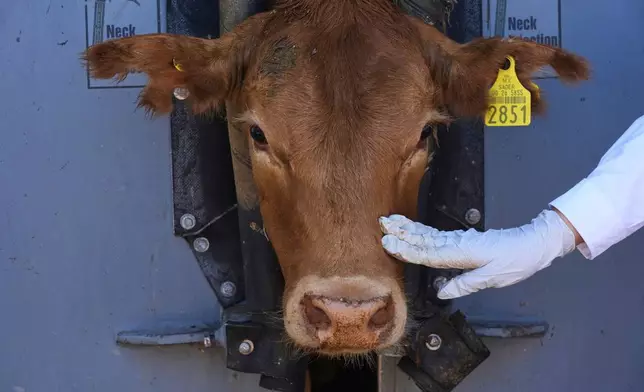
A calf is evaluated by a veterinary during a veterinary inspection in Hermosillo, Sonora State, Mexico, Monday, July 28, 2025. (AP Photo/Fernando Llano)
Workers shepherd cattle at a ranch that exports livestock to the U.S., in Zamora, northern Mexico, Tuesday, July 29, 2025. (AP Photo/Fernando Llano)
Cattle buyers and sellers attend an auction in Hermosillo, Sonora state, Mexico, Tuesday, July 29, 2025. (AP Photo/Fernando Llano)
Cows stand fenced in before getting displayed at a cattle auction in Hermosillo, Sonora state, Mexico, Tuesday, July 29, 2025. (AP Photo/Fernando Llano)
A cow waits to be examined by a veterinarian in Hermosillo, Sonora state, Mexico, Monday, July 28, 2025. (AP Photo/Fernando Llano)
A ranch hand sprays for fly control at a ranch that supplies livestock for export to the U.S., in Zamora, northern Mexico, Tuesday, July 29, 2025, as the U.S. border remains closed to Mexican cattle imports over screwworm concerns. (AP Photo/Fernando Llano)
Technicians prepare bait to attract flies near a cattle auction in Hermosillo, Sonora state, Mexico, Tuesday, July 29, 2025. (AP Photo/Fernando Llano)
A calf is held in a head gate during veterinary checks at a ranch that supplies livestock for export to the U.S., in Zamora, northern Mexico, Monday, July 28, 2025, as the U.S. border remains closed to Mexican cattle imports because of screwworm concerns. (AP Photo/Fernando Llano)
Cowboys push a cow out of its spot to a veterinarian inspection at a ranch that exports livestock to the U.S., in Zamora, northern Mexico, Monday, July 28, 2025. (AP Photo/Fernando Llano)
Cattle feed at a ranch that exports livestock to the U.S., in Zamora, northern Mexico, Tuesday, July 29, 2025, with the U.S. border closed to Mexican cattle imports over screwworm concerns. (AP Photo/Fernando Llano)
Flies of various species sit stuck in a trap near the pens of an auction in Hermosillo, Sonora state, Mexico, Tuesday, July 29, 2025. (AP Photo/Fernando Llano)
Ranch hands move cattle at a ranch that supplies livestock for export to the U.S., in Zamora, northern Mexico, Tuesday, July 29, 2025, as the U.S. border remains closed to Mexican cattle imports over screwworm concerns. (AP Photo/Fernando Llano)
Veterinarians examine cattle at a ranch that supplies livestock for export to the U.S., in Zamora, northern Mexico, Monday, July 28, 2025, as the U.S. border remains closed to Mexican cattle imports because of screwworm concerns. (AP Photo/Fernando Llano)
AP Images blog: http://apimagesblog.com
Instagram: https://www.instagram.com/apnews
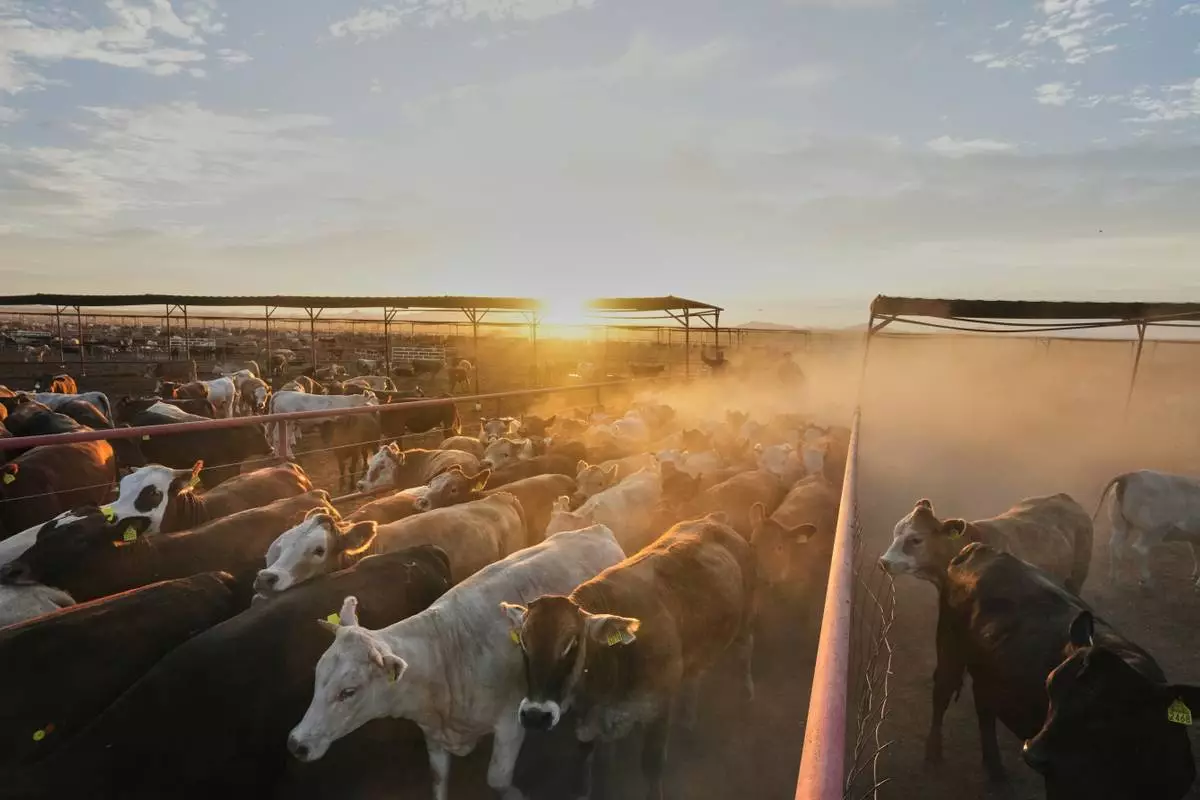
Workers shepherd cattle at a ranch that exports livestock to the U.S., in Zamora, northern Mexico, Tuesday, July 29, 2025. (AP Photo/Fernando Llano)
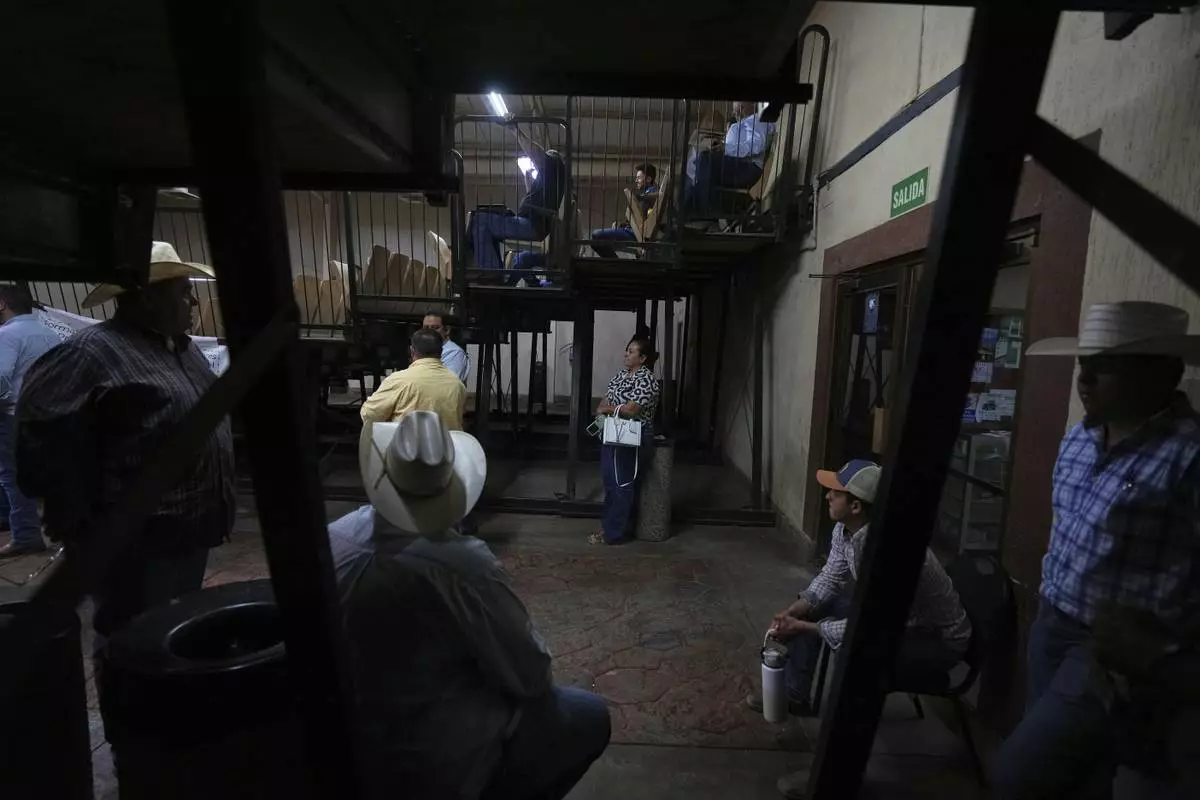
Cattle buyers and sellers attend an auction in Hermosillo, Sonora state, Mexico, Tuesday, July 29, 2025. (AP Photo/Fernando Llano)
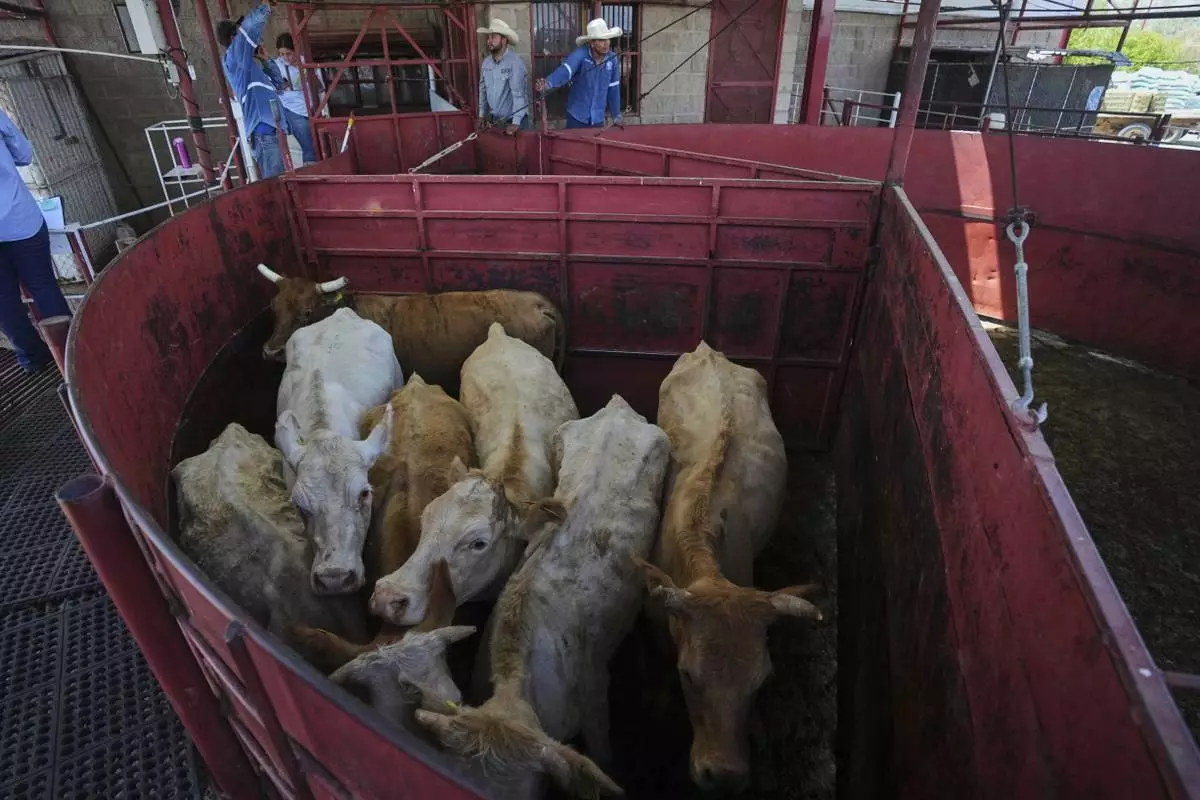
Cows stand fenced in before getting displayed at a cattle auction in Hermosillo, Sonora state, Mexico, Tuesday, July 29, 2025. (AP Photo/Fernando Llano)
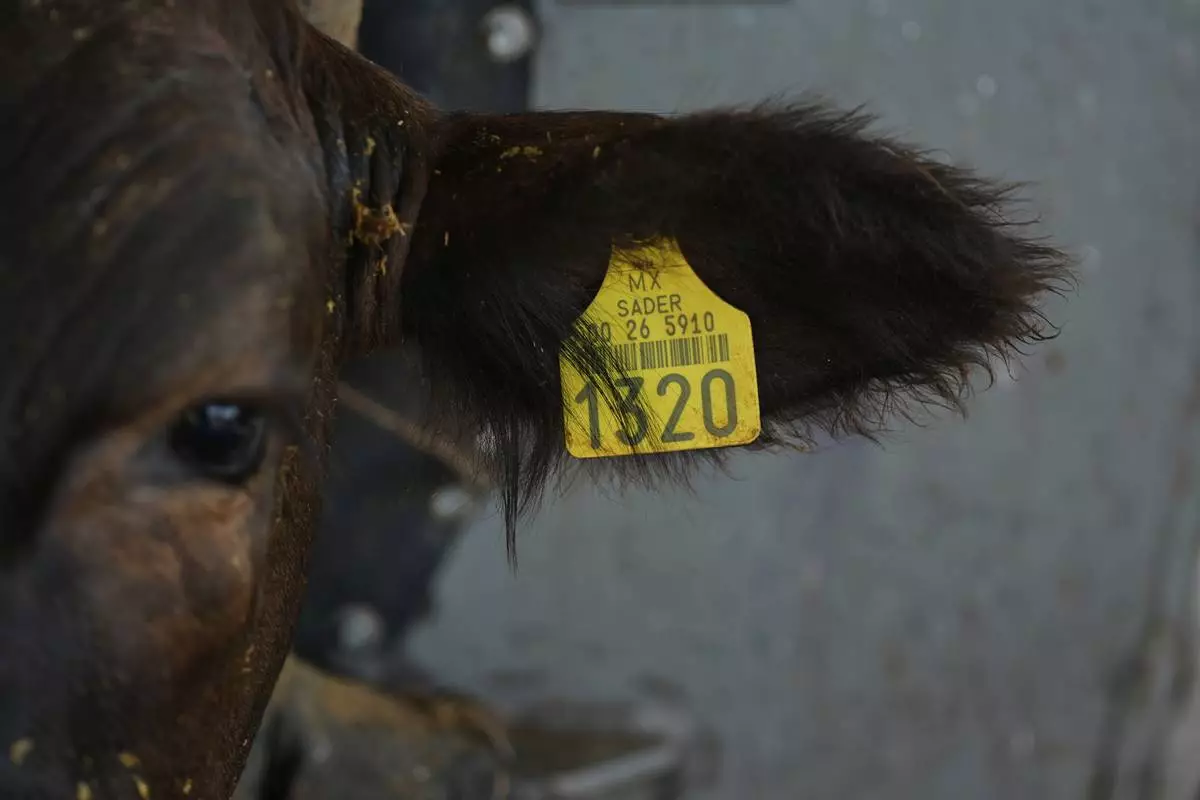
A cow waits to be examined by a veterinarian in Hermosillo, Sonora state, Mexico, Monday, July 28, 2025. (AP Photo/Fernando Llano)
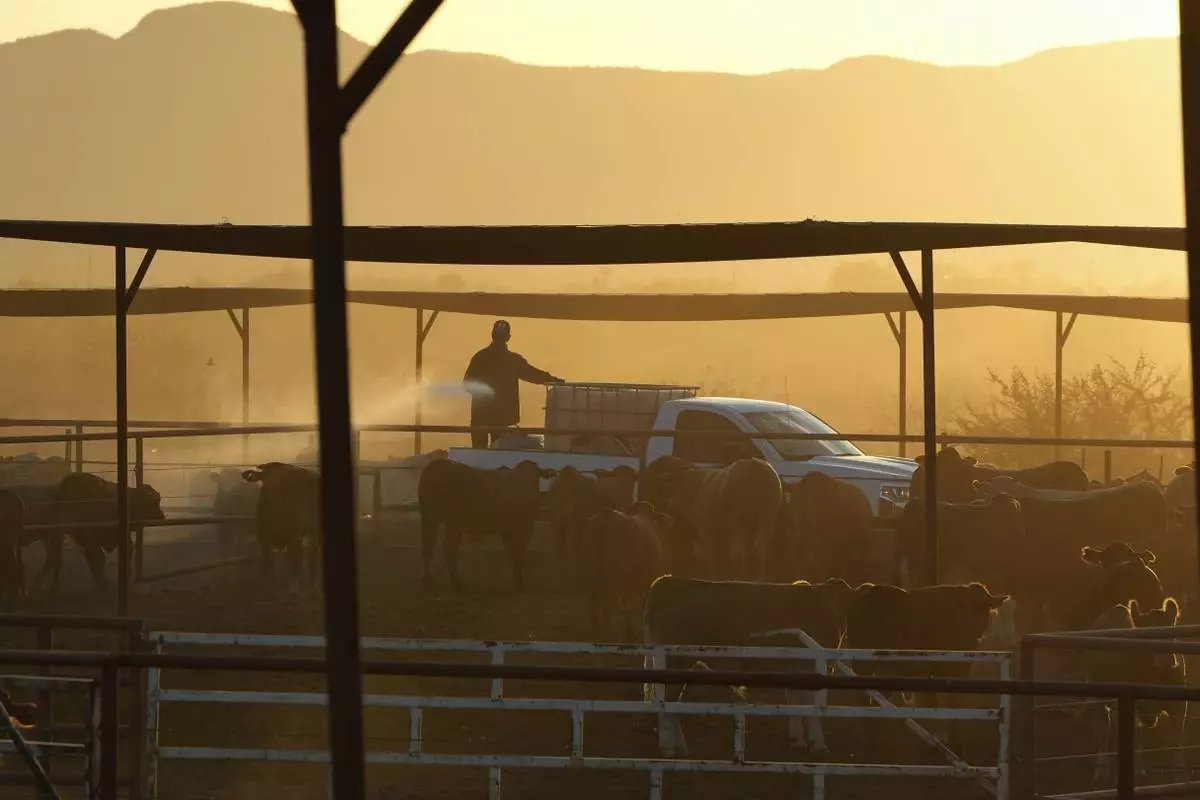
A ranch hand sprays for fly control at a ranch that supplies livestock for export to the U.S., in Zamora, northern Mexico, Tuesday, July 29, 2025, as the U.S. border remains closed to Mexican cattle imports over screwworm concerns. (AP Photo/Fernando Llano)
Technicians prepare bait to attract flies near a cattle auction in Hermosillo, Sonora state, Mexico, Tuesday, July 29, 2025. (AP Photo/Fernando Llano)
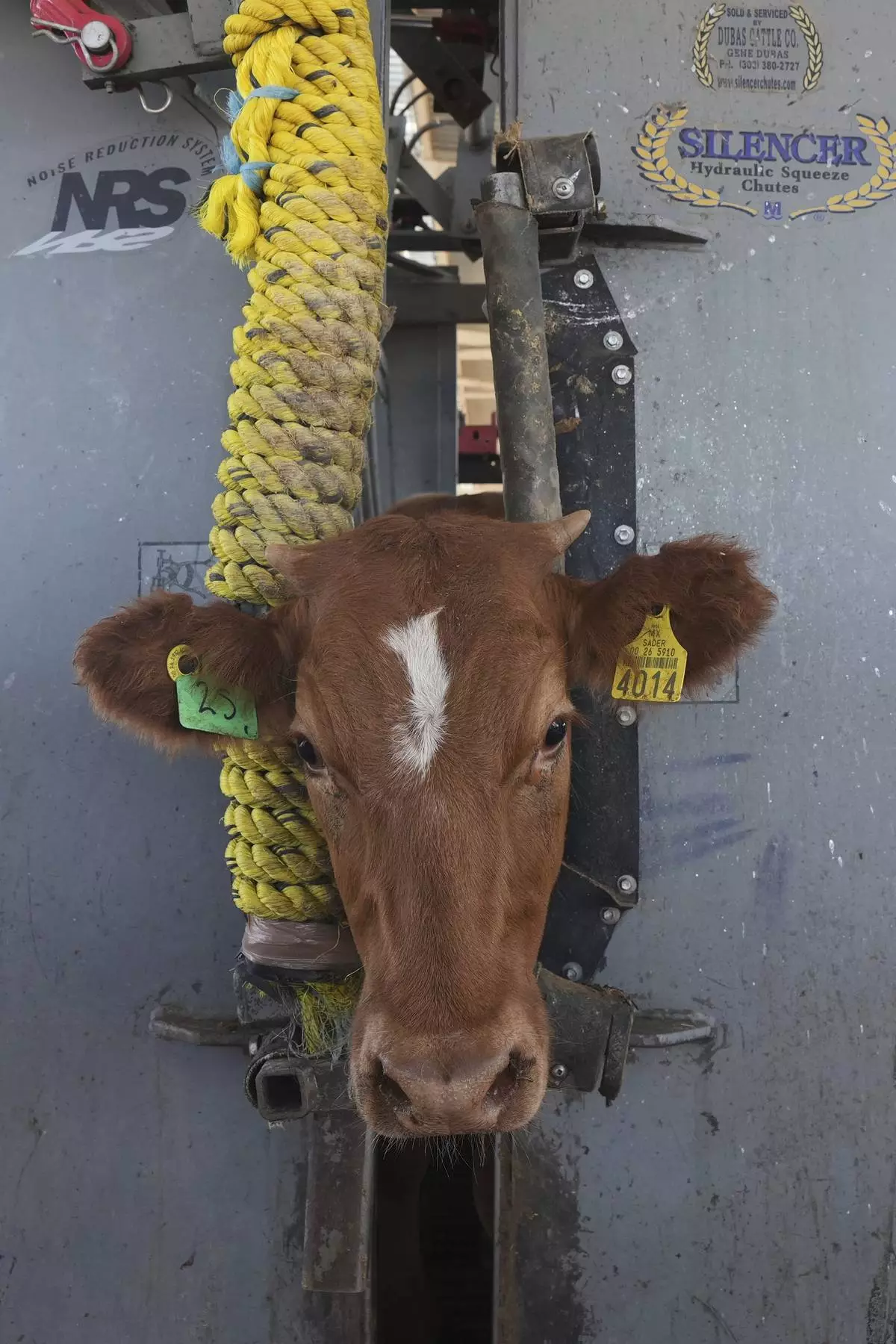
A calf is held in a head gate during veterinary checks at a ranch that supplies livestock for export to the U.S., in Zamora, northern Mexico, Monday, July 28, 2025, as the U.S. border remains closed to Mexican cattle imports because of screwworm concerns. (AP Photo/Fernando Llano)
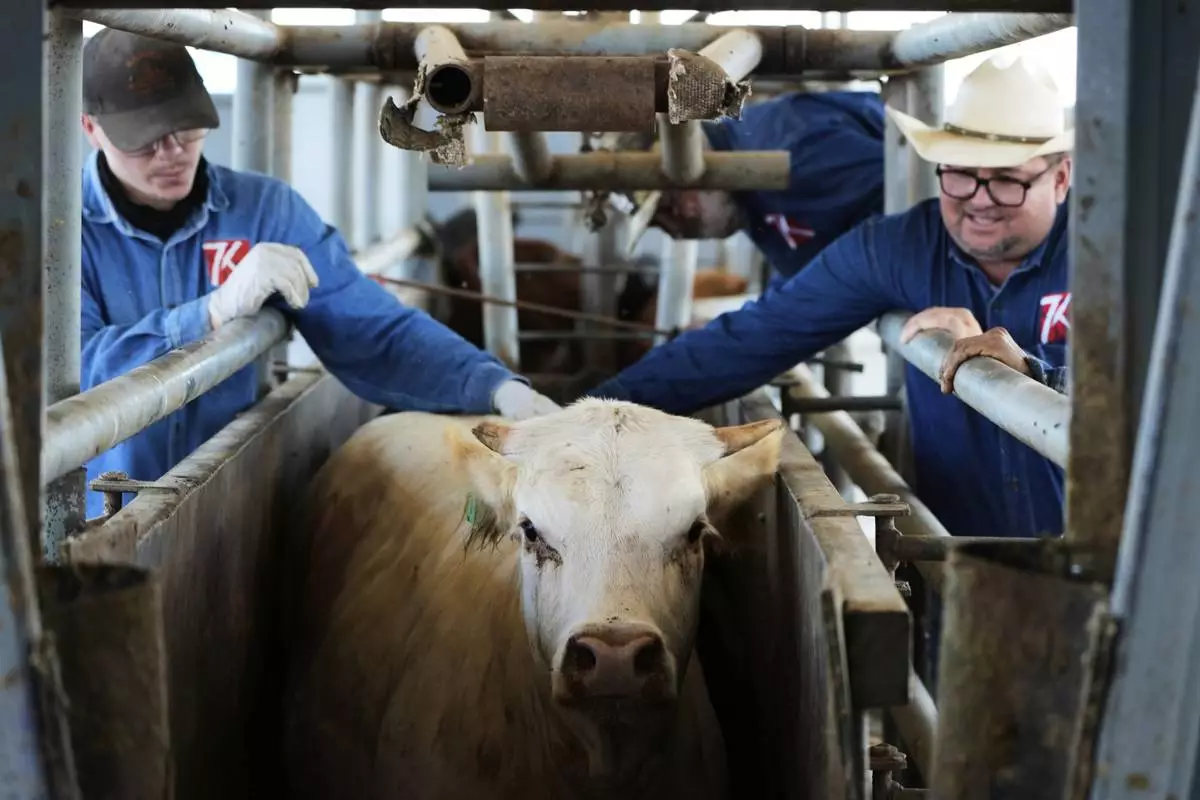
Cowboys push a cow out of its spot to a veterinarian inspection at a ranch that exports livestock to the U.S., in Zamora, northern Mexico, Monday, July 28, 2025. (AP Photo/Fernando Llano)
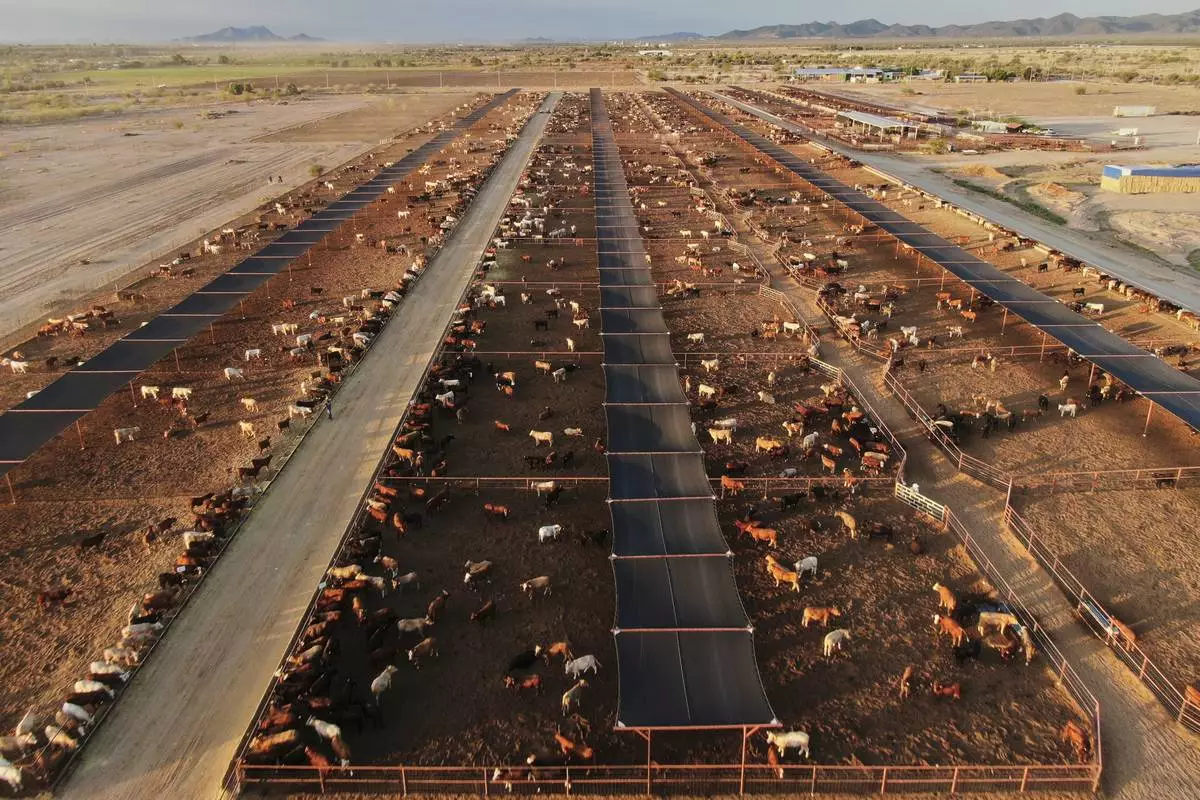
Cattle feed at a ranch that exports livestock to the U.S., in Zamora, northern Mexico, Tuesday, July 29, 2025, with the U.S. border closed to Mexican cattle imports over screwworm concerns. (AP Photo/Fernando Llano)
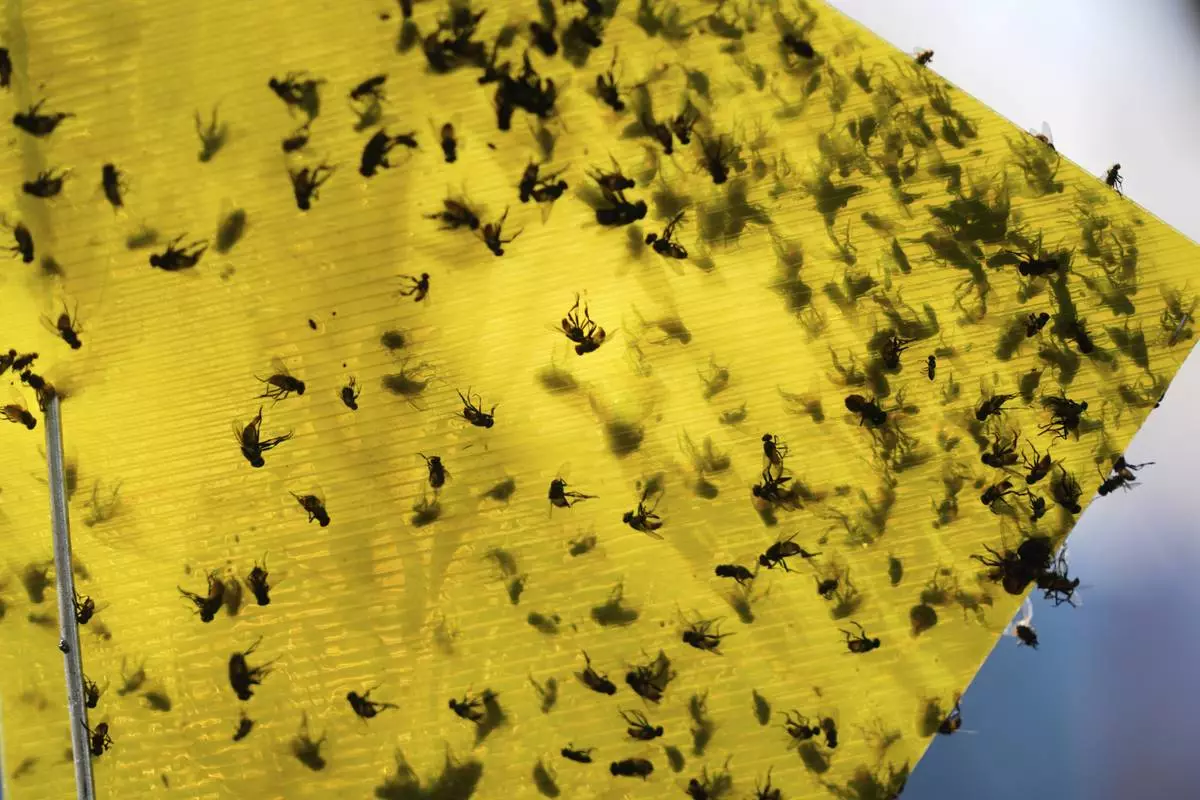
Flies of various species sit stuck in a trap near the pens of an auction in Hermosillo, Sonora state, Mexico, Tuesday, July 29, 2025. (AP Photo/Fernando Llano)
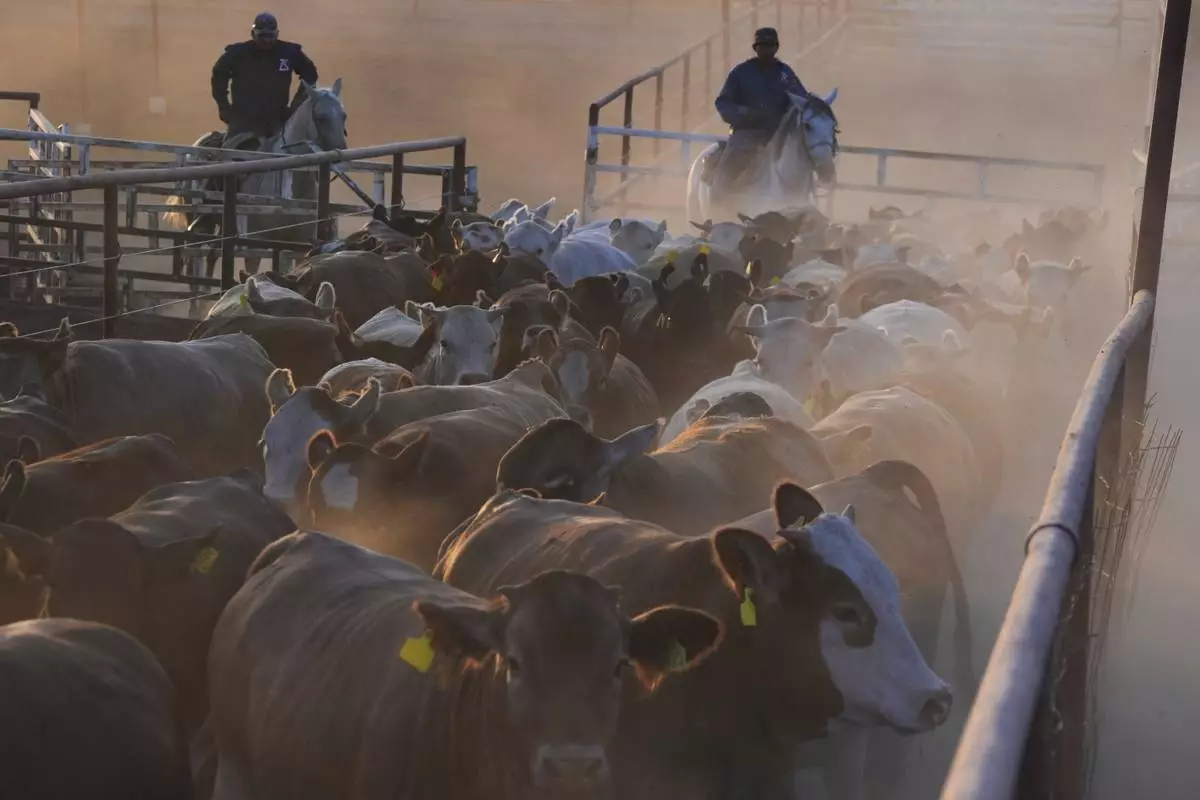
Ranch hands move cattle at a ranch that supplies livestock for export to the U.S., in Zamora, northern Mexico, Tuesday, July 29, 2025, as the U.S. border remains closed to Mexican cattle imports over screwworm concerns. (AP Photo/Fernando Llano)
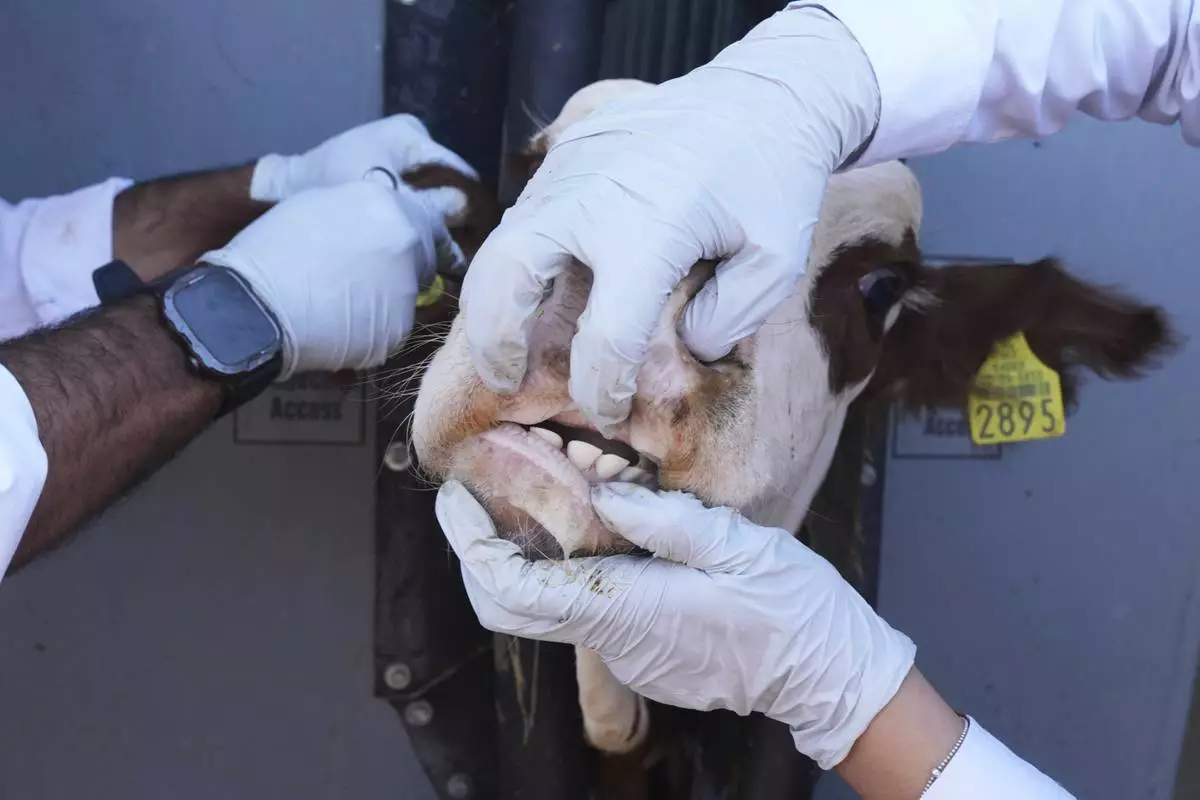
Veterinarians examine cattle at a ranch that supplies livestock for export to the U.S., in Zamora, northern Mexico, Monday, July 28, 2025, as the U.S. border remains closed to Mexican cattle imports because of screwworm concerns. (AP Photo/Fernando Llano)
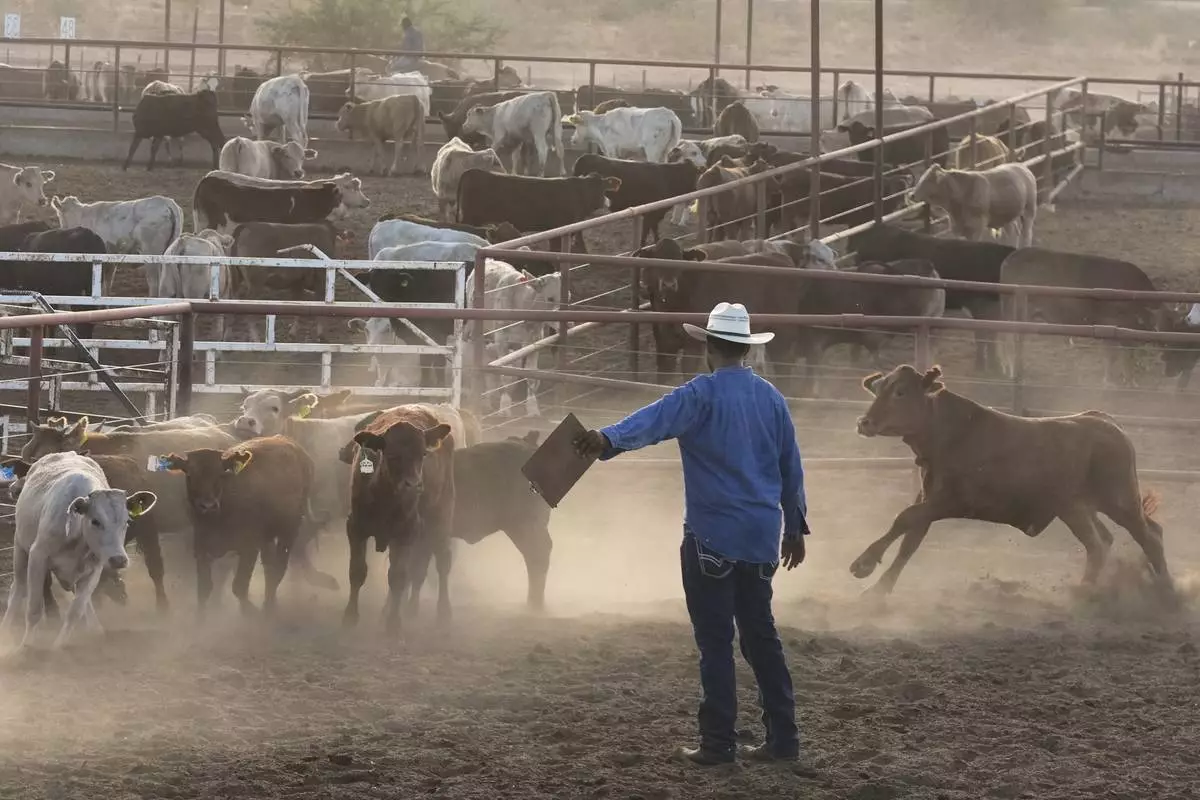
A ranch hand sorts calves at a ranch that supplies livestock for export to the U.S., in Zamora, northern Mexico, Tuesday, July 29, 2025, as the U.S. border remains closed to Mexican cattle imports over screwworm concerns. (AP Photo/Fernando Llano)
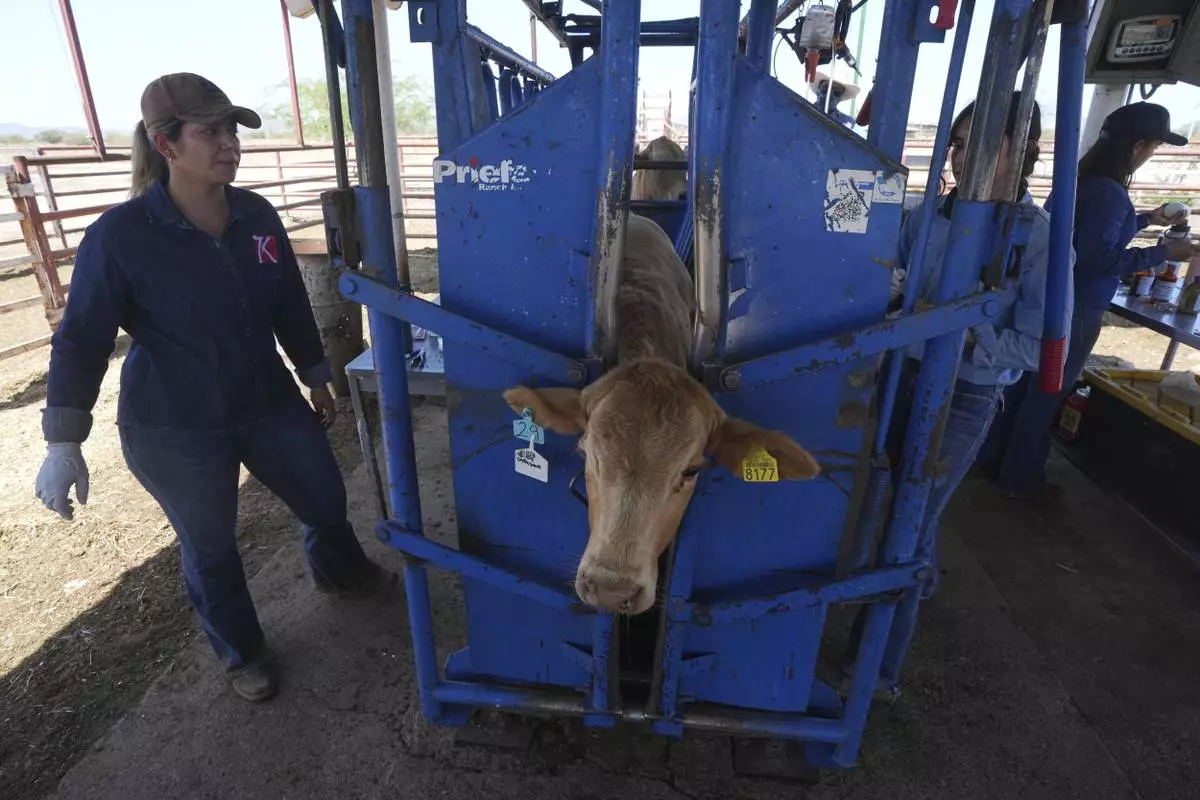
Veterinarians examine cattle at a ranch that supplies livestock for export to the U.S., in Zamora, northern Mexico, Monday, July 28, 2025, as the U.S. border remains closed to Mexican cattle imports because of screwworm concerns. (AP Photo/Fernando Llano)
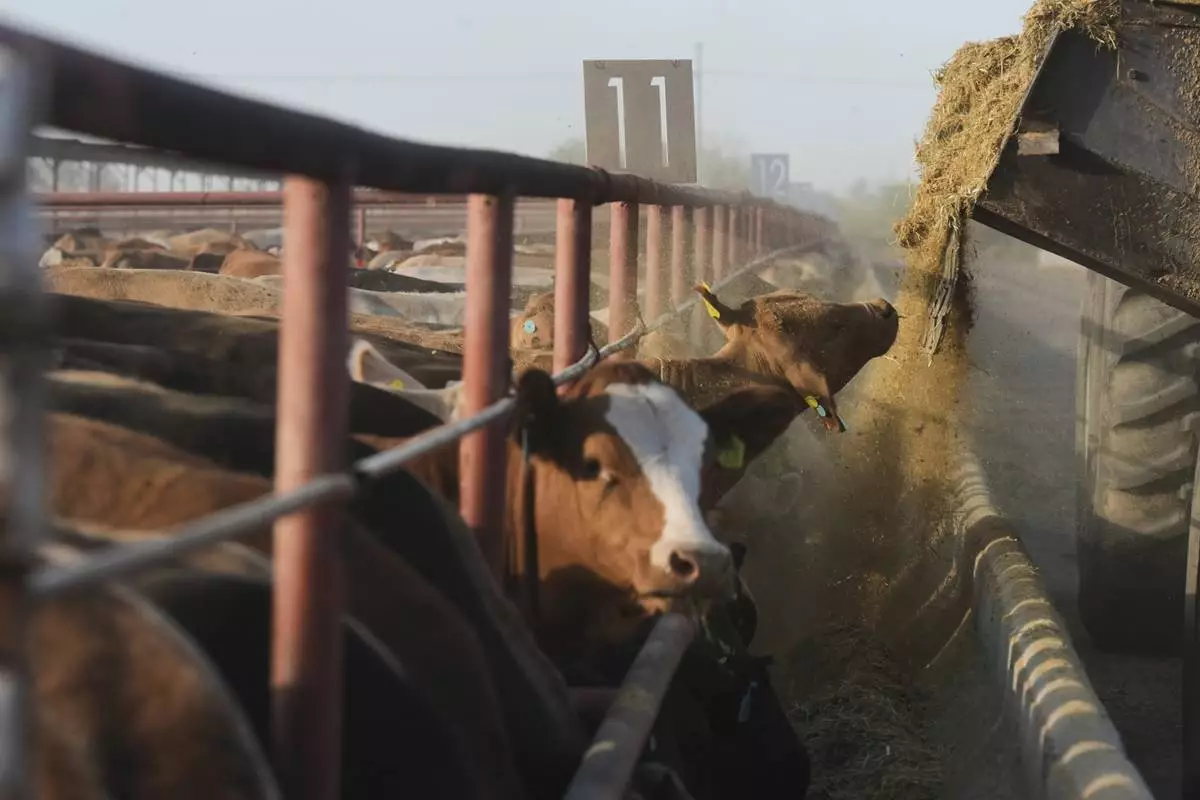
Cattle feed at a ranch that supplies cattle for export to the U.S. in Zamora, northern Mexico, Tuesday, July 29, 2025. (AP Photo/Fernando Llano)
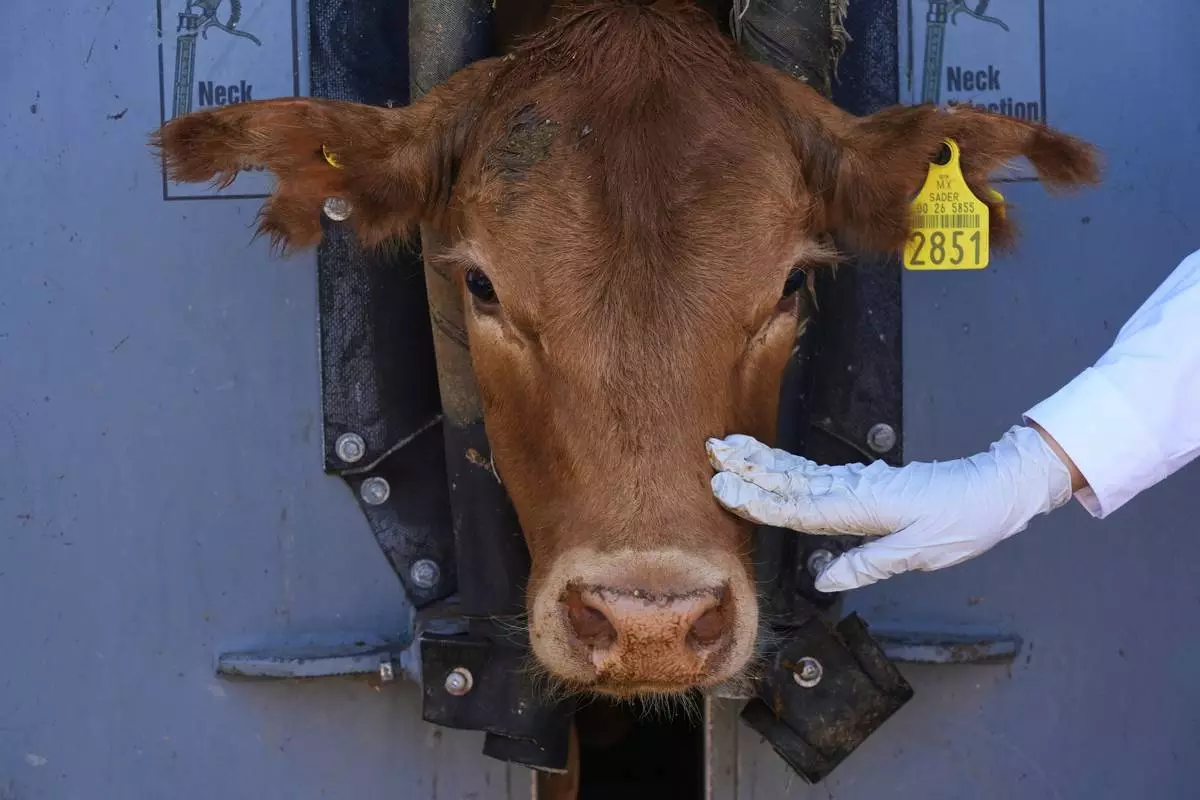
A calf is evaluated by a veterinary during a veterinary inspection in Hermosillo, Sonora State, Mexico, Monday, July 28, 2025. (AP Photo/Fernando Llano)
Workers shepherd cattle at a ranch that exports livestock to the U.S., in Zamora, northern Mexico, Tuesday, July 29, 2025. (AP Photo/Fernando Llano)
Cattle buyers and sellers attend an auction in Hermosillo, Sonora state, Mexico, Tuesday, July 29, 2025. (AP Photo/Fernando Llano)
Cows stand fenced in before getting displayed at a cattle auction in Hermosillo, Sonora state, Mexico, Tuesday, July 29, 2025. (AP Photo/Fernando Llano)
A cow waits to be examined by a veterinarian in Hermosillo, Sonora state, Mexico, Monday, July 28, 2025. (AP Photo/Fernando Llano)
A ranch hand sprays for fly control at a ranch that supplies livestock for export to the U.S., in Zamora, northern Mexico, Tuesday, July 29, 2025, as the U.S. border remains closed to Mexican cattle imports over screwworm concerns. (AP Photo/Fernando Llano)
Technicians prepare bait to attract flies near a cattle auction in Hermosillo, Sonora state, Mexico, Tuesday, July 29, 2025. (AP Photo/Fernando Llano)
A calf is held in a head gate during veterinary checks at a ranch that supplies livestock for export to the U.S., in Zamora, northern Mexico, Monday, July 28, 2025, as the U.S. border remains closed to Mexican cattle imports because of screwworm concerns. (AP Photo/Fernando Llano)
Cowboys push a cow out of its spot to a veterinarian inspection at a ranch that exports livestock to the U.S., in Zamora, northern Mexico, Monday, July 28, 2025. (AP Photo/Fernando Llano)
Cattle feed at a ranch that exports livestock to the U.S., in Zamora, northern Mexico, Tuesday, July 29, 2025, with the U.S. border closed to Mexican cattle imports over screwworm concerns. (AP Photo/Fernando Llano)
Flies of various species sit stuck in a trap near the pens of an auction in Hermosillo, Sonora state, Mexico, Tuesday, July 29, 2025. (AP Photo/Fernando Llano)
Ranch hands move cattle at a ranch that supplies livestock for export to the U.S., in Zamora, northern Mexico, Tuesday, July 29, 2025, as the U.S. border remains closed to Mexican cattle imports over screwworm concerns. (AP Photo/Fernando Llano)
Veterinarians examine cattle at a ranch that supplies livestock for export to the U.S., in Zamora, northern Mexico, Monday, July 28, 2025, as the U.S. border remains closed to Mexican cattle imports because of screwworm concerns. (AP Photo/Fernando Llano)