The sales revenue of consumer goods under China's policy-backed trade-in program had surpassed 3 trillion yuan (about 417.59 billion U.S. dollars) as of July 25, benefiting over 430 million participants, according to industry data.
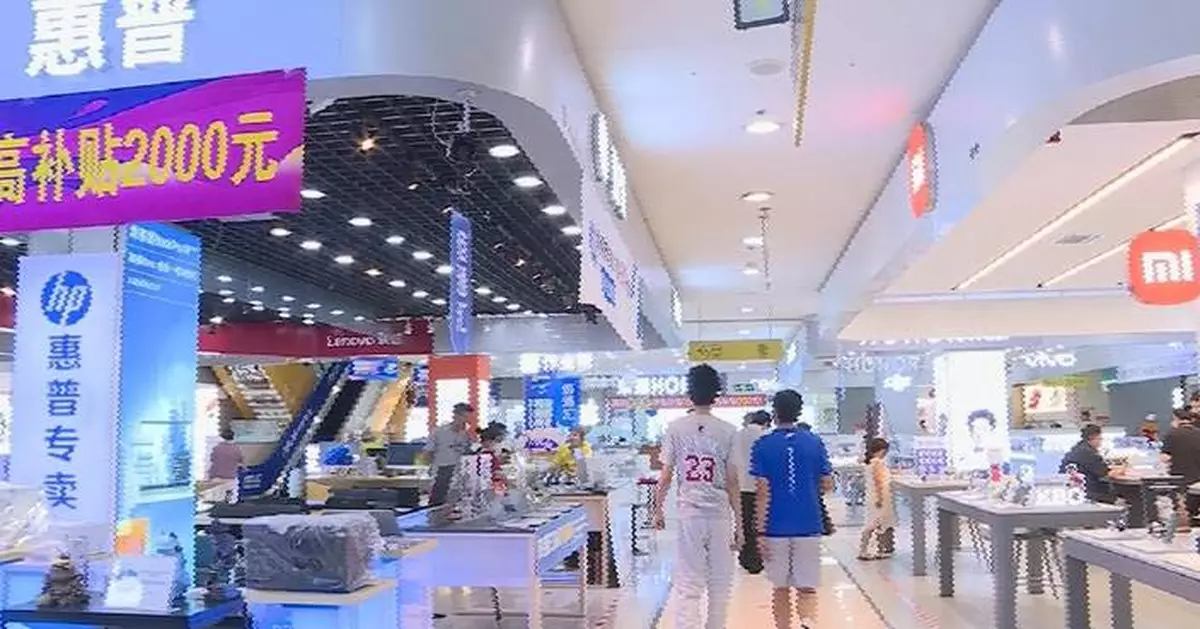
In Chishui City of southwest China's Guizhou Province, many large-scale appliance stores have renovated this year to draw in more customers.
A new trend in China's trade-in market is the rising popularity of large and smart appliances, said Ding Mingwei, manager of a local home appliance store.
"Thanks to the trade-in program, our overall sales have doubled compared to the previous years. Sales of large-screen TVs, large built-in refrigerators, washer and dryer sets, whole-house water purifiers and other appliances that enhance quality of life have increased by about 20 percent," he said.
China's county-level home appliance market saw rapid upgrades in the first six months of this year, with larger-sized, higher-capacity appliances gaining popularity among costumers.
Smart appliances have also emerged as a new favorite. In the first half of the year, AI-powered products made up over 60 percent of sales of air conditioners priced above 5,000 yuan (about 695.98 U.S. dollars), and sales of smart range hoods and robot vacuums increased by 76.7 percent and 92.5 percent year on year, respectively.
China has issued a total of 231 billion yuan (about 32.15 billion U.S. dollars) of ultra-long special treasury bonds to support the trade-in program so far this year.
In response, local governments are actively optimizing the trade-in subsidy review process to ensure timely payment.
Daqing City in northeast China's Heilongjiang Province has developed an intelligent system to enhance the efficiency of trade-in case reviews.
"It used to take us three to five minutes to review one case, but now we can review 20 cases in just one to two minutes, as all judgments are made by the intelligent system," said Wang Heming, a clerk from the business service and investment promotion center under the Daqing commerce bureau.
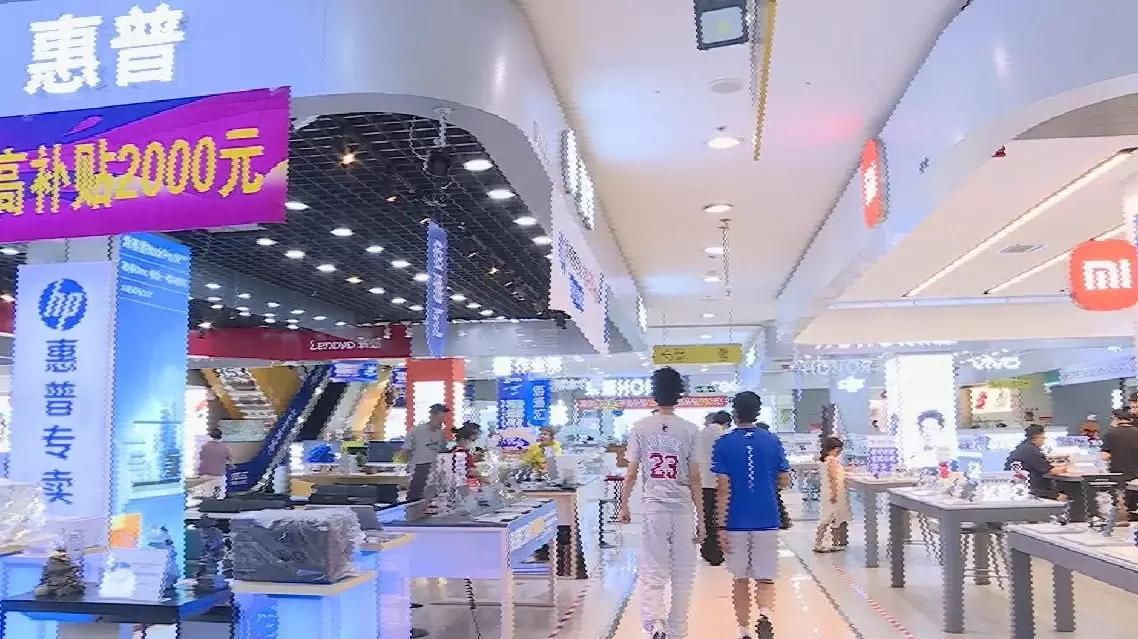
China's trade-in program boosts consumer goods sales by over 3 trln yuan
The Iranian government is focusing on public concerns and maintaining stable supplies of essential goods amid recent protests, Iranian President Masoud Pezeshkian said in a televised interview on Sunday.
In the city of Karaj, northwest of the capital Tehran, daily life has largely continued as normal. A video filmed by a local resident on Sunday shows food stores open and grocery shelves fully stocked.
"This is the block near my home, and there are some food stores here. Daily life continues here. Last night we did not see many protests in Karaj. Right now the city is very safe. This is a grocery store close to my home. All the food is available; nothing is in shortage. Here are noodles and different types of beans. Here are dairy products, cheese, and yogurt. I also checked other grocery stores and didn't see any shortages. Everything is available," said local resident Ali Reza.
Iranian officials have described recent disturbances as acts orchestrated by the "enemy," including some carried out by well-trained and armed "terrorists." The incidents have caused casualties among security personnel and civilians, as well as property damage.
The Secretary of Iran's Supreme National Security Council Ali Larijani has directed authorities to severely punish the "terrorists."
Meanwhile, Iran's police chief Ahmad-Reza Radan said on Sunday that the police had raised alert levels and arrested several leaders of the troublemakers during the operations on Saturday.
President Pezeshkian noted in the interview that the normal demands of the Iranian people are reasonable and justified, but they must realize that triggering riots and carrying out terrorist acts are the enemy's attempts to undermine the country. He urged the public to remain vigilant.
Also on Sunday, Iranian Parliament Speaker Mohammad Baqer Qalibaf warned that Tehran would regard U.S. and Israeli bases and facilities in the Middle East as "legitimate targets" if Washington takes military action against Iran. His remarks followed media reports saying U.S. President Donald Trump is "seriously considering authorizing a strike" against Iran.
Iranian state media reported that at least 109 members of Iran's security forces have been killed in clashes since the protests began 14 days ago. Meanwhile, human rights groups based outside the country said the number of protesters killed has exceeded 200, though the figure could not be independently verified.
The protests initially erupted over a sharp depreciation of the rial and sweeping subsidy reforms. Iranian authorities have blamed the unrest on foreign-linked agents and sanctions imposed by the United States.
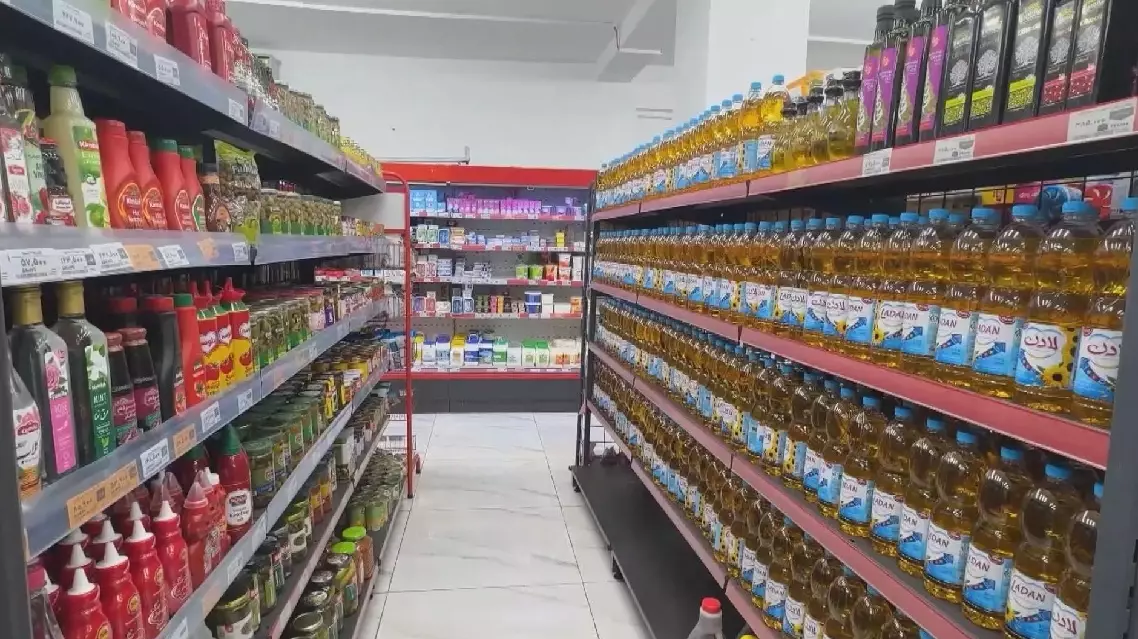
Iranian president says government focusing on ensuring supplies amid protests