HARARE, Zimbabwe (AP) — Tubes snaked across 3-year-old Gracious Chikova’s bandaged chest in the intensive care unit of a government hospital in Zimbabwe’s capital, Harare. Just a day earlier, surgeons had opened her tiny heart to repair a defect that threatened her life. Now she sipped a drink from a syringe, her mother anxiously watching her every breath.
“I had given up. Those with money have been taking their children to India for surgery, but I simply couldn’t afford it,” said Vimbainashe Chakanungwa as she helped her daughter sip her meal. Chakanungwa’s monthly salary as a teacher is about $300, barely enough for household basics, let alone surgery.
Click to Gallery
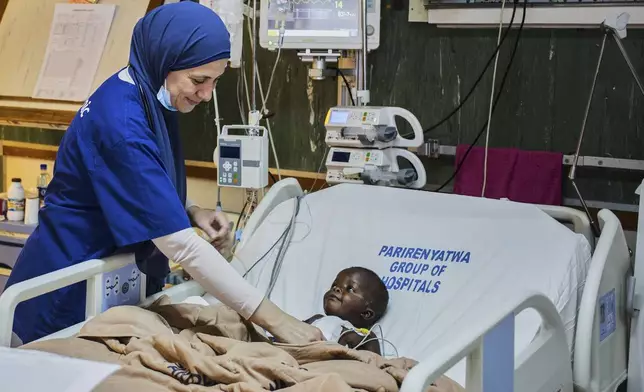
A doctor checks on a Anashe Mugoba as she recovers from an open-heart surgery at Parirenyatwa Hospital, Harare, Zimbabwe, Thursday, July 17, 2025. (AP Photo/Aaron Ufumeli)
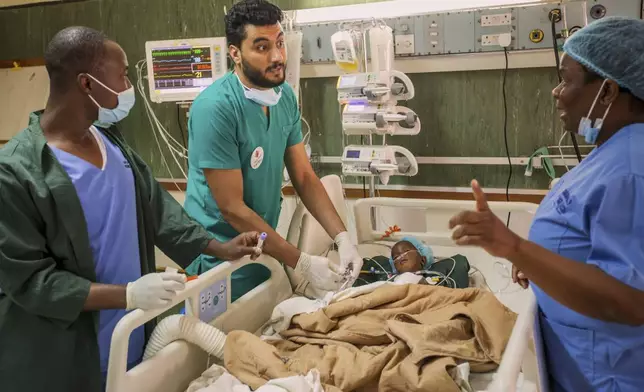
A doctor and staff members check on Anashe Mugoba as she recovers recovers from an open-heart surgery at Parirenyatwa Hospital, Harare, Zimbabwe, Thursday, July 17, 2025. (AP Photo/Aaron Ufumeli)
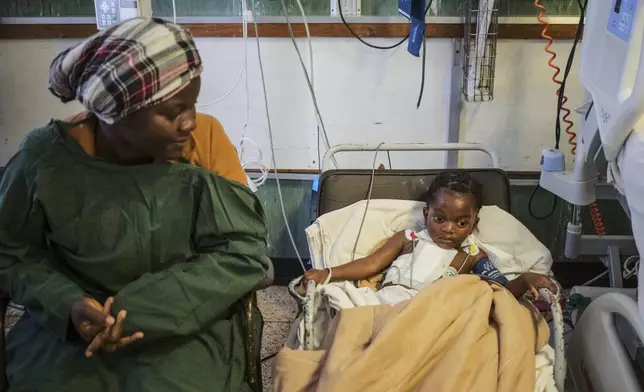
Vimbainashe Chakanungwa, left, watches on as her 9 year-old daughter Graciuos Chikovo sits on the chair as she recovers as she recovers from an open-heart surgery at Parirenyatwa Hospital, Harare, Zimbabwe, Thursday, July 17, 2025. (AP Photo/Aaron Ufumeli)

Violet Petro watches her 9 year-old son Ethan Goronga playing games on a mobile phone as he recovers from an open-heart surgery at Parirenyatwa Hospital, Harare, Zimbabwe, Thursday, July 17, 2025. (AP Photo/Aaron Ufumeli)
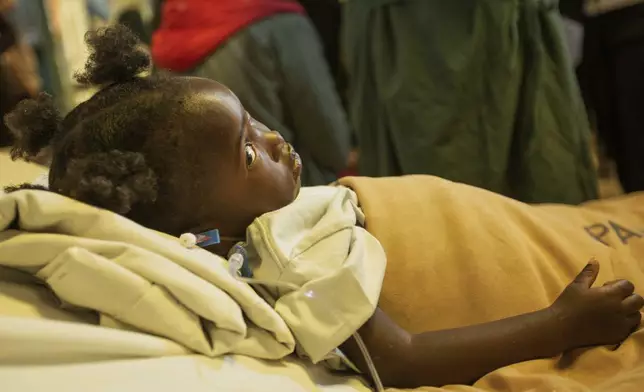
Kimberly Raisi lies on the bed as she recovers as she recovers from an open-heart surgery at Parirenyatwa Hospital, Harare, Zimbabwe, Thursday, July 17, 2025. (AP Photo/Aaron Ufumeli)
Gracious is one of 10 children who received free open-heart surgery in July at Parirenyatwa Hospital from a visiting team of Egyptian surgeons working alongside Zimbabwean doctors.
In a country with just a handful of cardiothoracic specialists and chronic shortages of functioning equipment in public hospitals, the “heart camp” offered hope to families who can’t imagine raising the $15,000 needed for surgery abroad.
Zimbabwe has only five cardiothoracic surgeons, including Dr. Kudzai Kanyepi, the country’s first and only female heart surgeon.
“There is no medication that can replace surgery. The burden of disease remains, and unfortunately some of the children pass away without getting the help they desperately need,” Kanyepi said. “It is the reason why we continue to work in our country. There is nothing greater than helping your own people.”
Zimbabwe resumed open-heart operations in 2023 after they were paused in 2018 due to economic turmoil. Since then, local surgeons have operated on 55 children.
Another 19 have benefited from two surgical camps last year and in July with Egyptian assistance and supported by nongovernmental organizations such as Gift of Life International.
Globally, about one in every 100 children is born with congenital heart disease, making it the world’s most common birth defect, according to the U.S. Centers for Disease Control and Prevention. In Zimbabwe, an estimated 4,500 children are born with heart disease each year, with many unable to access surgery, said Dr. Simukayi Machawira, head of cardiology at the hospital.
Of those, 30% — or around 1,200 infants — are likely to die in their first year if untreated, he said.
“You can imagine, it’s quite a lot of children,” he said.
Dr. Hesham Shawky, the Egyptian team leader, has organized similar camps in Kenya and Uganda. “This is the only solution for many people in Africa because they can’t afford private care,” he said.
On the ward in Zimbabwe, mothers hovered over their children, relief etched on their faces. Machines beeped softly as nurses adjusted tubes. One baby slept beside a balloon scrawled with a smiley face.
For Chakanungwa, the joy over her child was hard to measure.
“I had resorted to prayer, just hoping for a miracle,” Chakanungwa said, smiling. “It’s impossible to open my heart to show my gratitude and happiness. I was afraid that I could lose my baby, but here is the baby. She’s back to life.”
For more on Africa and development: https://apnews.com/hub/africa-pulse
The Associated Press receives financial support for global health and development coverage in Africa from the Gates Foundation. The AP is solely responsible for all content. Find AP’s standards for working with philanthropies, a list of supporters and funded coverage areas at AP.org.
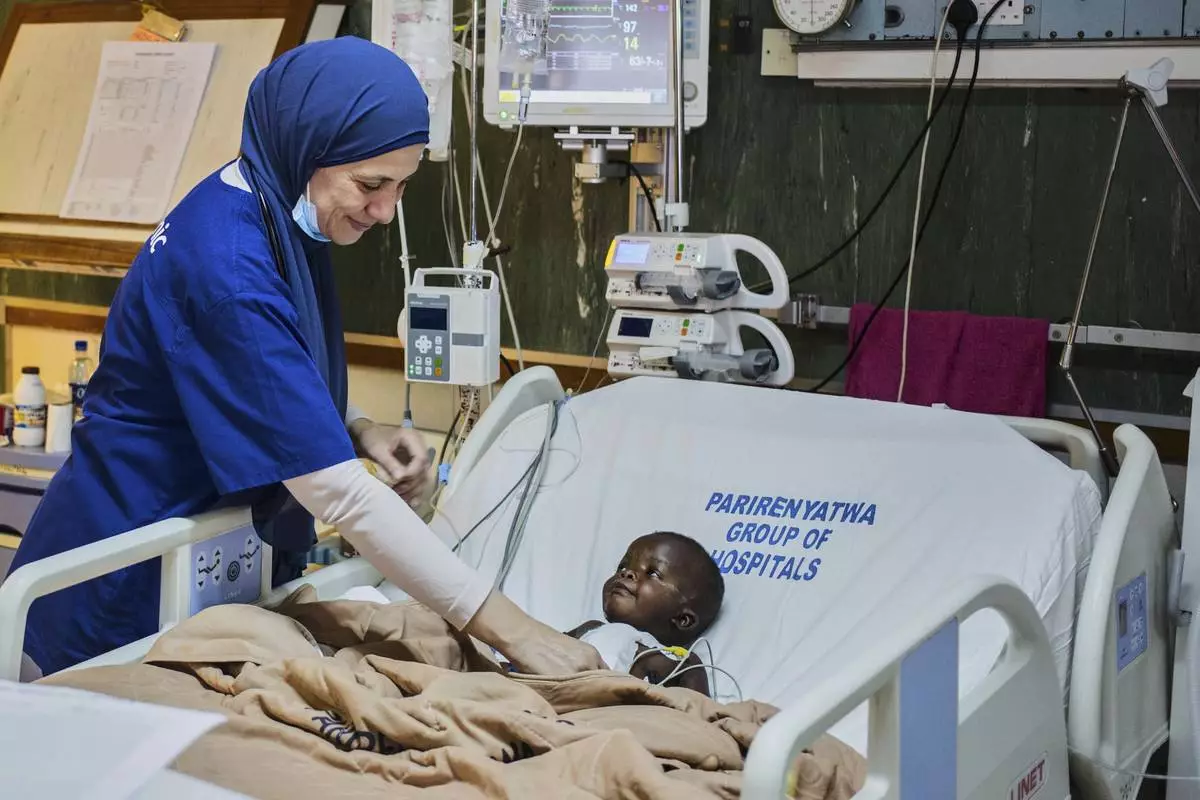
A doctor checks on a Anashe Mugoba as she recovers from an open-heart surgery at Parirenyatwa Hospital, Harare, Zimbabwe, Thursday, July 17, 2025. (AP Photo/Aaron Ufumeli)
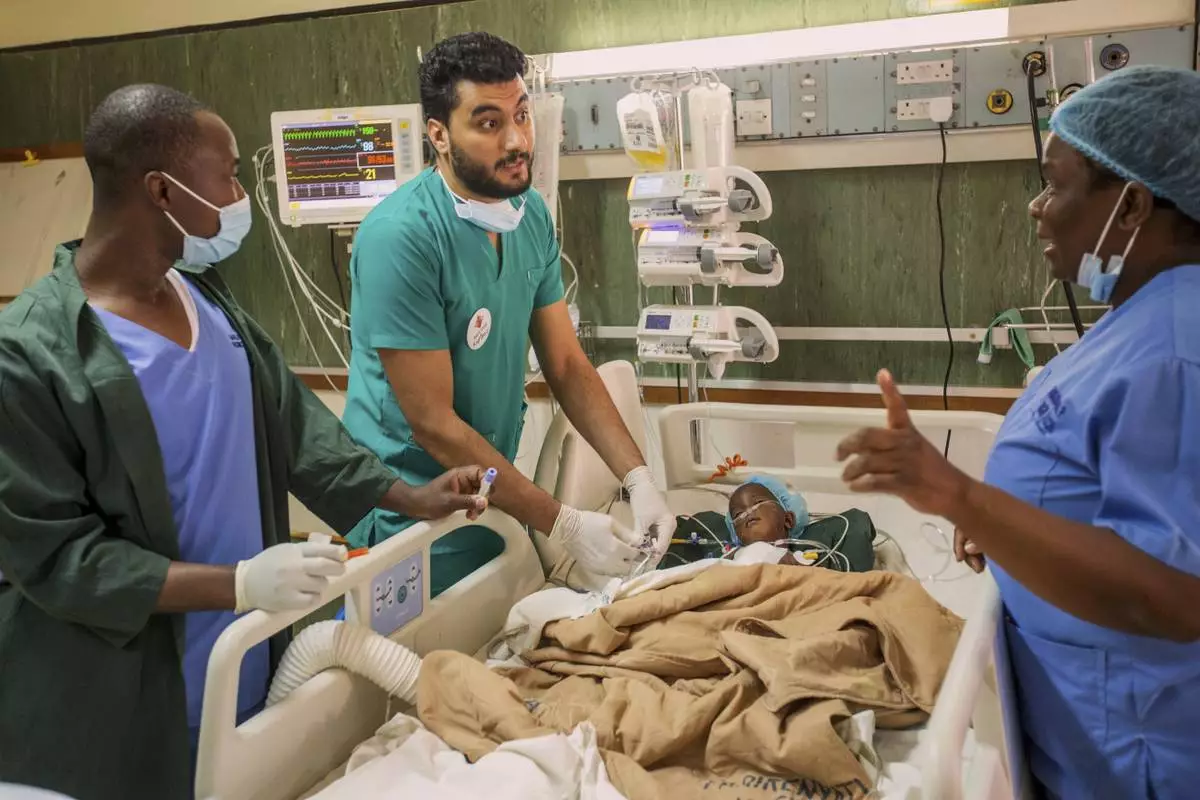
A doctor and staff members check on Anashe Mugoba as she recovers recovers from an open-heart surgery at Parirenyatwa Hospital, Harare, Zimbabwe, Thursday, July 17, 2025. (AP Photo/Aaron Ufumeli)
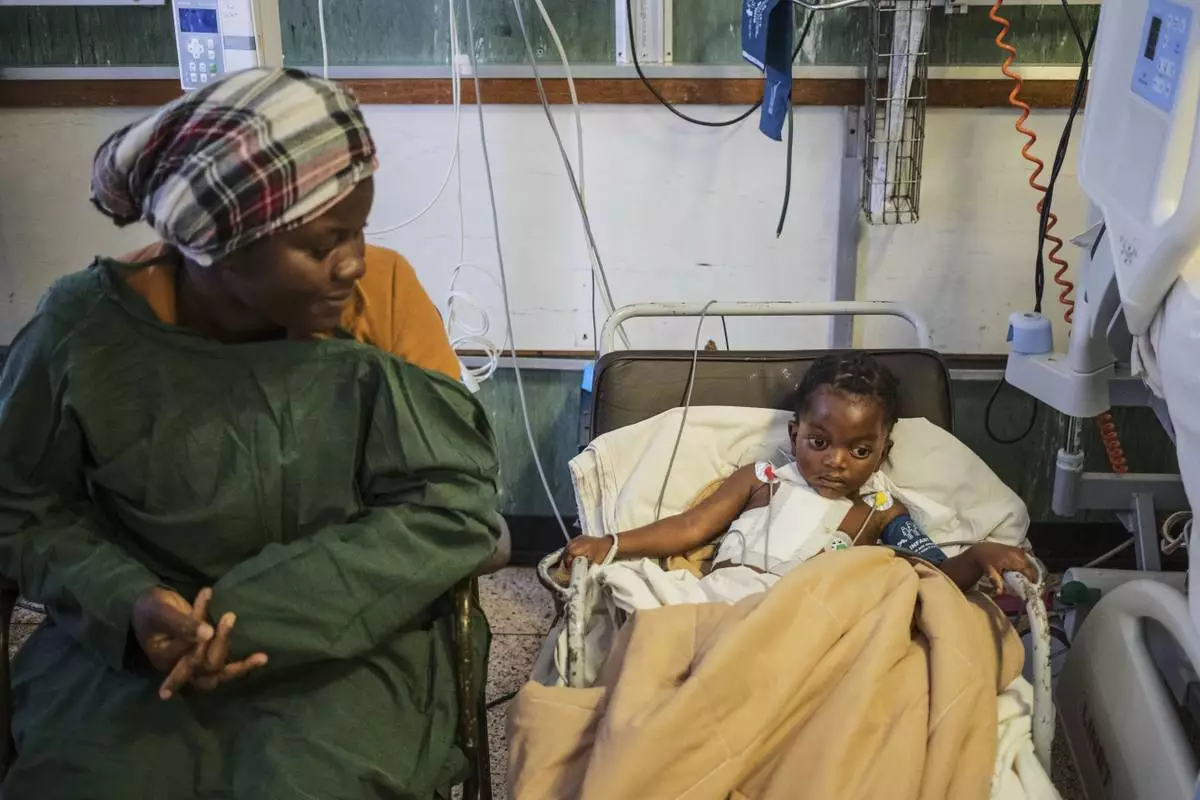
Vimbainashe Chakanungwa, left, watches on as her 9 year-old daughter Graciuos Chikovo sits on the chair as she recovers as she recovers from an open-heart surgery at Parirenyatwa Hospital, Harare, Zimbabwe, Thursday, July 17, 2025. (AP Photo/Aaron Ufumeli)
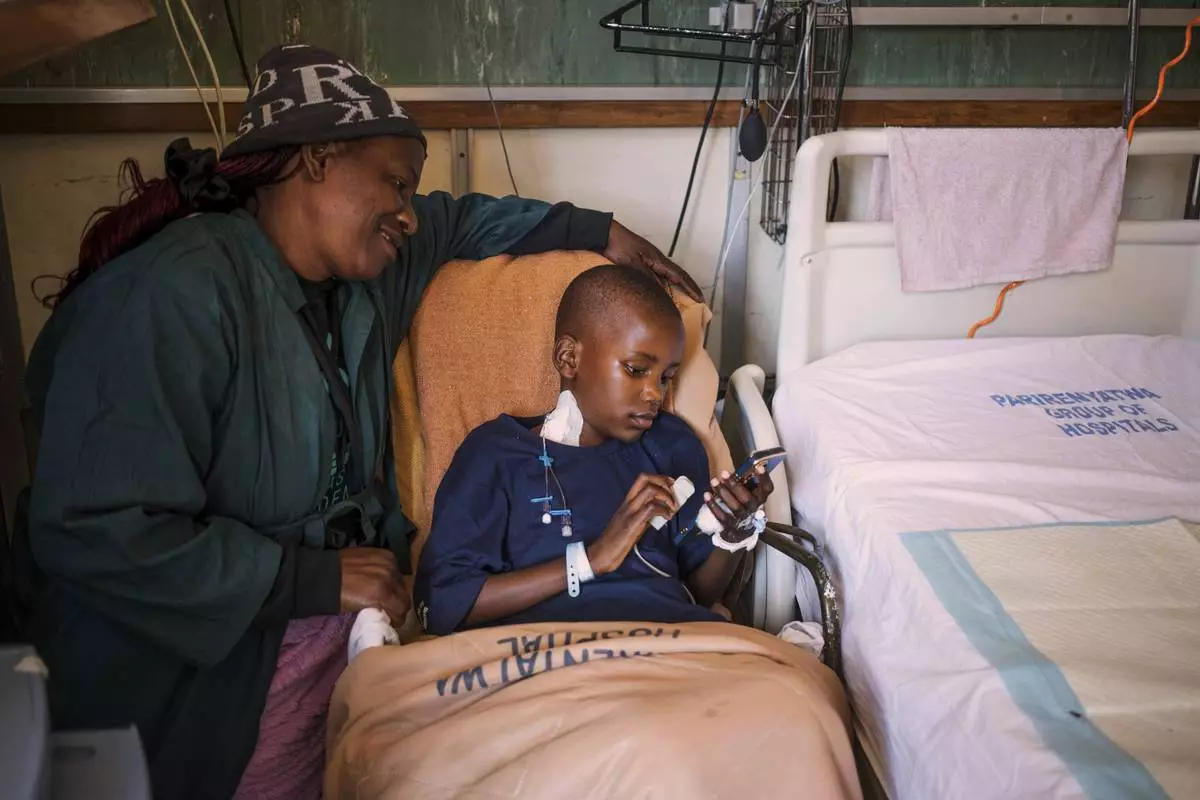
Violet Petro watches her 9 year-old son Ethan Goronga playing games on a mobile phone as he recovers from an open-heart surgery at Parirenyatwa Hospital, Harare, Zimbabwe, Thursday, July 17, 2025. (AP Photo/Aaron Ufumeli)
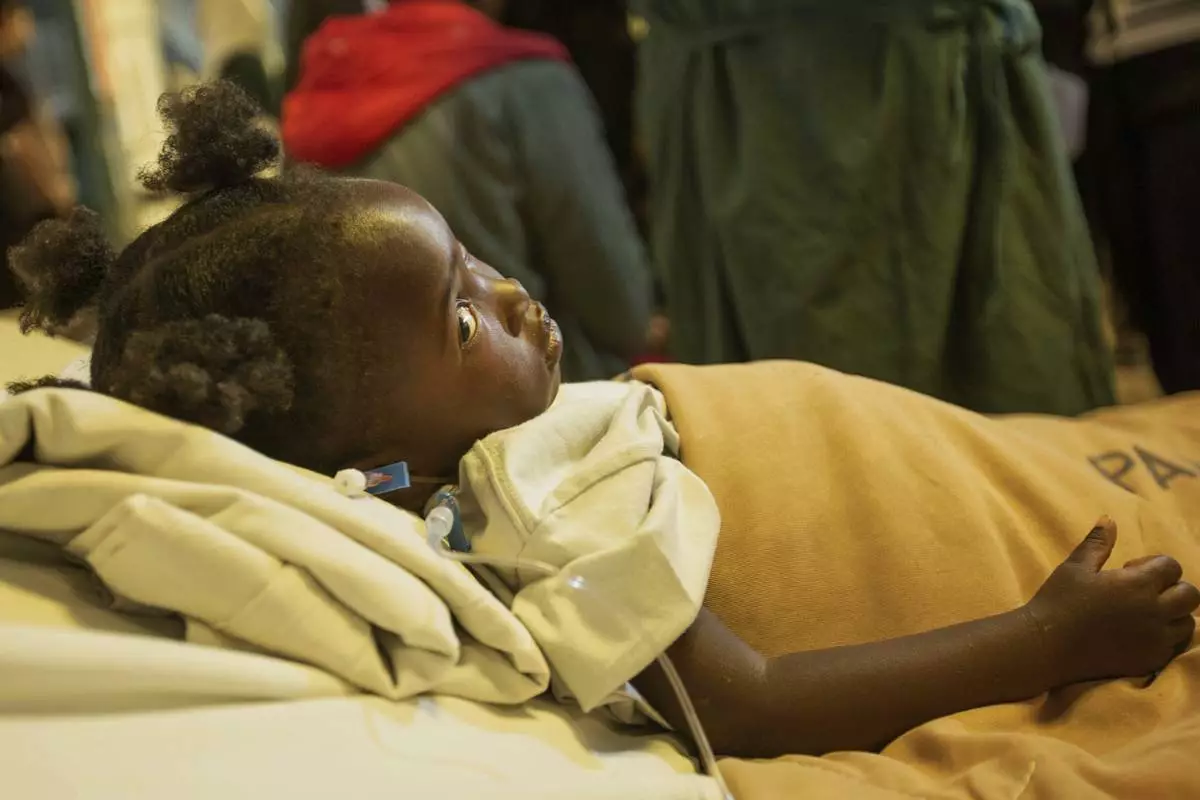
Kimberly Raisi lies on the bed as she recovers as she recovers from an open-heart surgery at Parirenyatwa Hospital, Harare, Zimbabwe, Thursday, July 17, 2025. (AP Photo/Aaron Ufumeli)