Skip to Content Facebook Feature Image

Powerful AP photos show the scars of a survivor of the Nagasaki atomic bombing

News

Powerful AP photos show the scars of a survivor of the Nagasaki atomic bombing
News

News

Powerful AP photos show the scars of a survivor of the Nagasaki atomic bombing

2025-08-09 11:34 Last Updated At:11:41

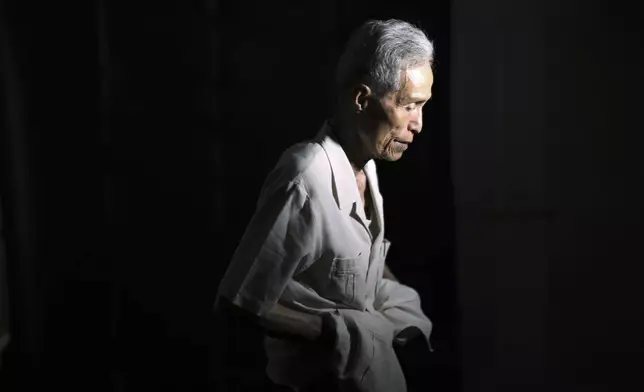
NAGASAKI, Japan (AP) — On the 80th anniversary of the atomic bombing of Nagasaki, Japan, The Associated Press is republishing the extraordinary photos of one survivor of the attack.

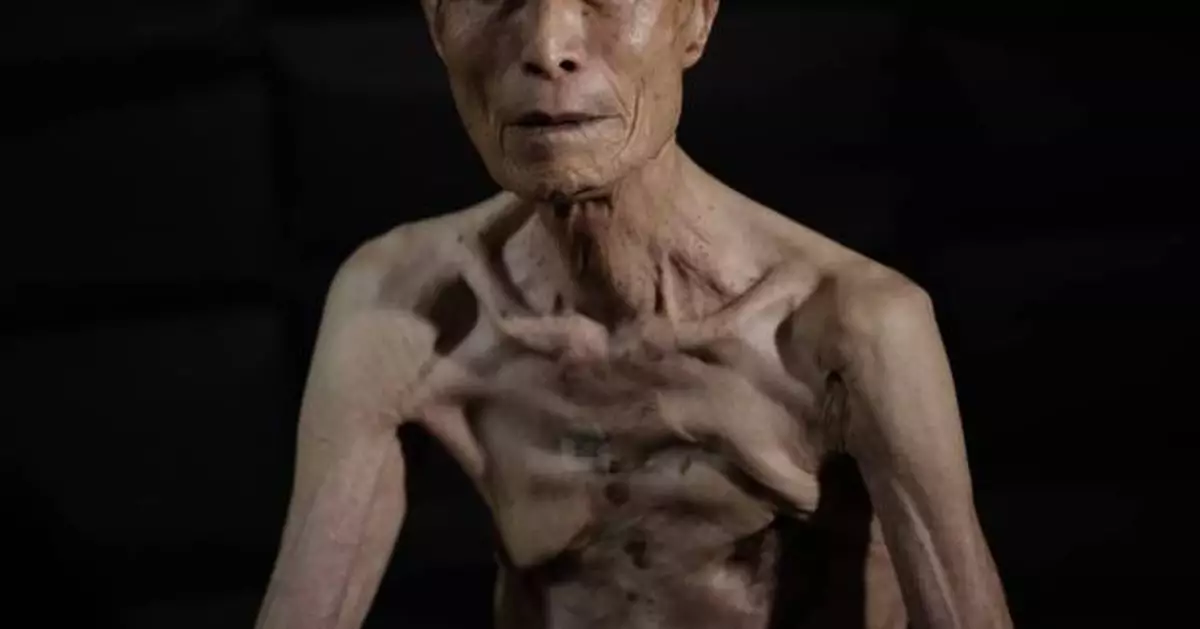
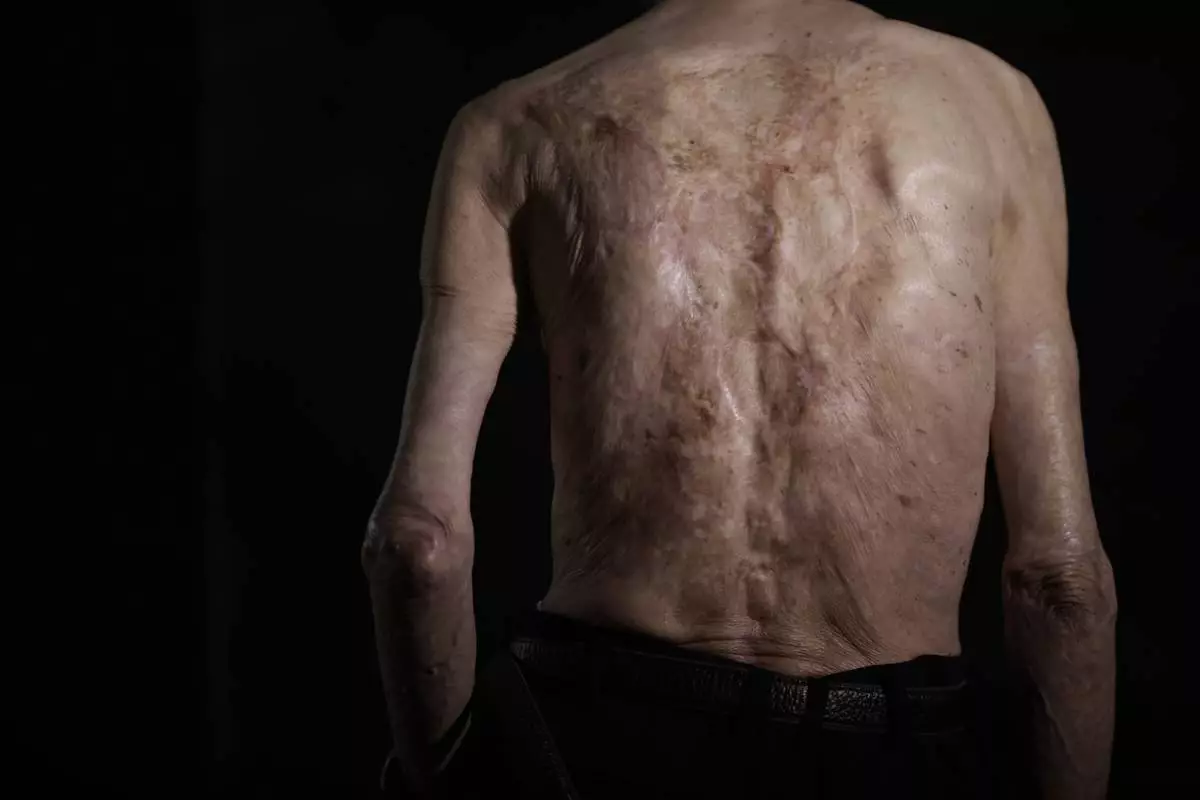
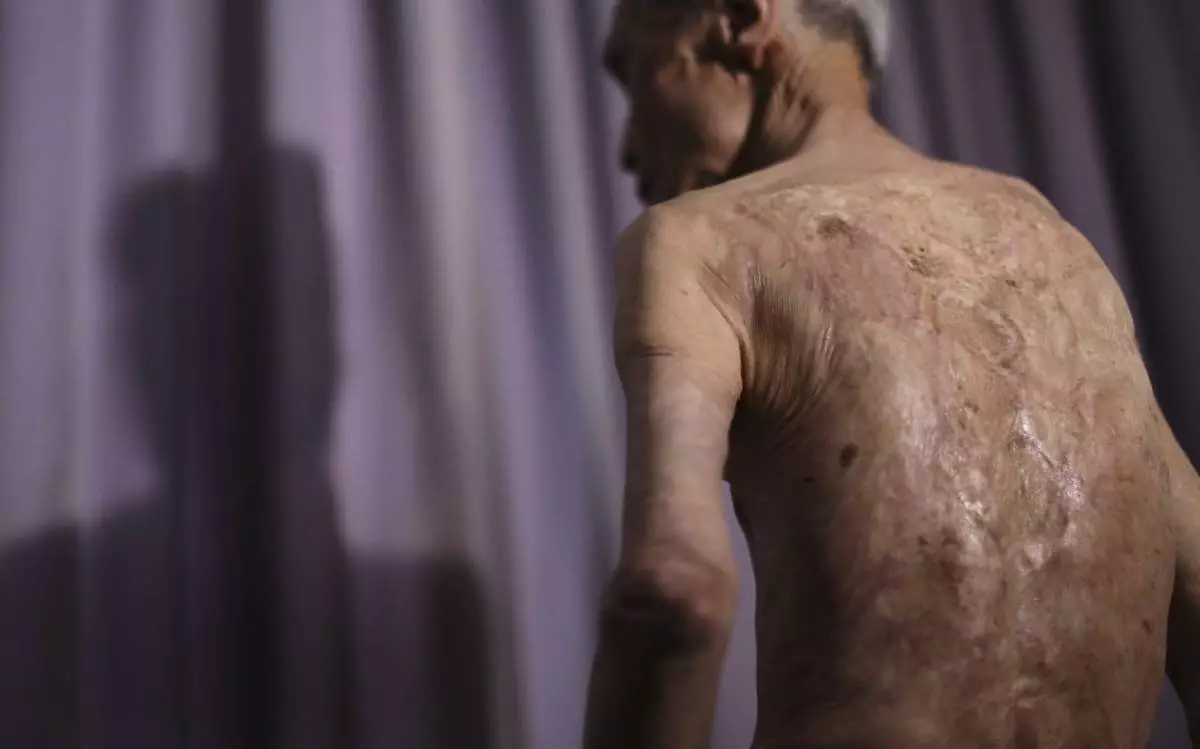
Sumiteru Taniguchi, who died in 2017, was 16 when a U.S. B-29 dropped the bomb on the city. The scars on his back, burned raw by the blast, bore silent witness to that day, August 9, 1945, in an unspoken testimony inscribed in flesh.

More Images
FILE - Sumiteru Taniguchi, 86, a survivor of the 1945 atomic bombing of Nagasaki, puts his cloth on after posing for photographs during an interview at his office in Nagasaki, southern Japan, June 30, 2015. (AP Photo/Eugene Hoshiko)
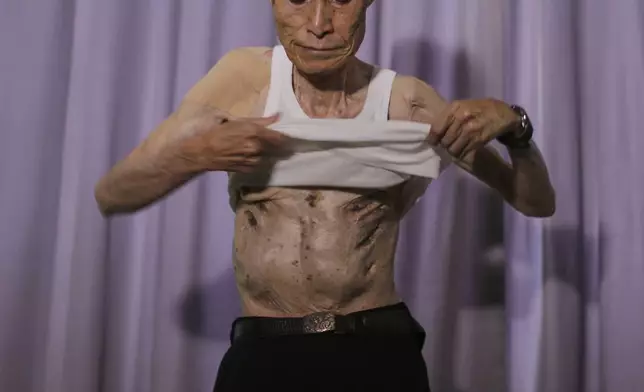
FILE - Sumiteru Taniguchi, 86, a survivor of the 1945 atomic bombing of Nagasaki, puts his cloth on after posing for photographs during an interview at his office in Nagasaki, southern Japan, June 30, 2015. (AP Photo/Eugene Hoshiko)
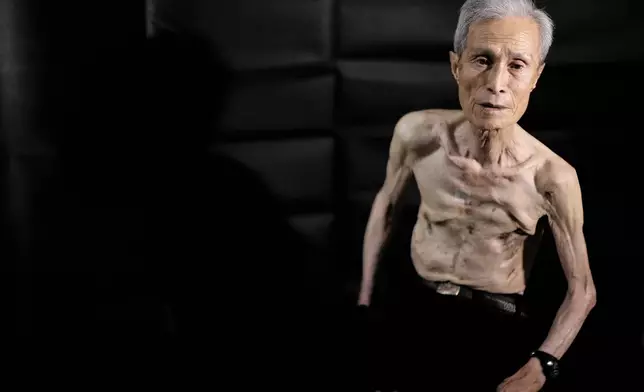
Sumiteru Taniguchi, a survivor of the 1945 atomic bombing of Nagasaki, removes his clothing to show the scars on his body during an interview at his office in Nagasaki, southern Japan, June 30, 2015. (AP Photo/Eugene Hoshiko)

Sumiteru Taniguchi, a survivor of the 1945 atomic bombing of Nagasaki, removes his clothing to show the scars on his body during an interview at his office in Nagasaki, southern Japan, June 30, 2015. (AP Photo/Eugene Hoshiko)

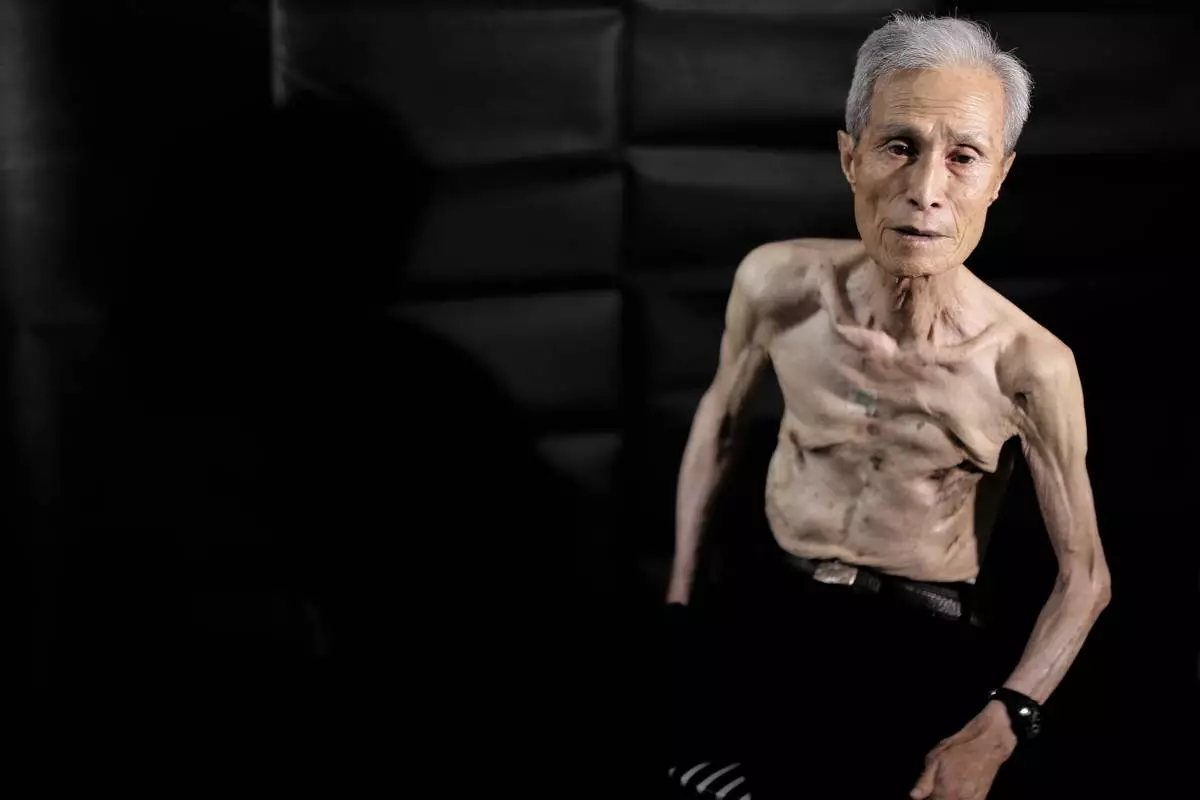
Sumiteru Taniguchi, a survivor of the 1945 atomic bombing of Nagasaki, sits for a photo during an interview at his office in Nagasaki, Nagasaki Prefecture, southern Japan, June 30, 2015. (AP Photo/Eugene Hoshiko)
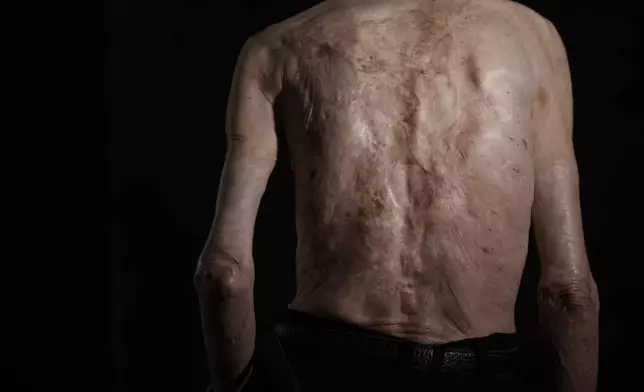
Sumiteru Taniguchi, a survivor of the 1945 atomic bombing of Nagasaki, sits for a photo during an interview at his office in Nagasaki, Nagasaki Prefecture, southern Japan, June 30, 2015. (AP Photo/Eugene Hoshiko)

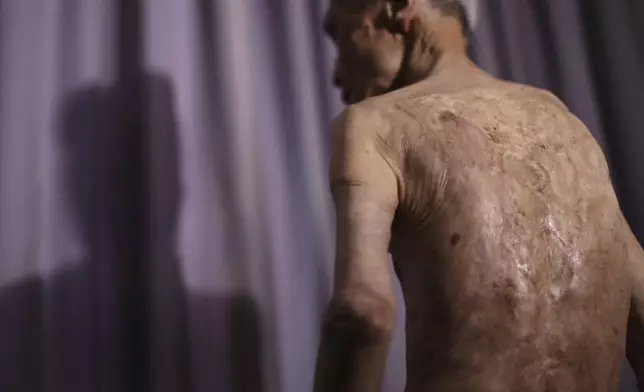
FILE - Sumiteru Taniguchi, 86, a survivor of the 1945 atomic bombing of Nagasaki, shows burn scars on his back during an interview at his office in Nagasaki, southern Japan, June 30, 2015. (AP Photo/Eugene Hoshiko)
FILE - Sumiteru Taniguchi, 86, a survivor of the 1945 atomic bombing of Nagasaki, shows burn scars on his back during an interview at his office in Nagasaki, southern Japan, June 30, 2015. (AP Photo/Eugene Hoshiko)
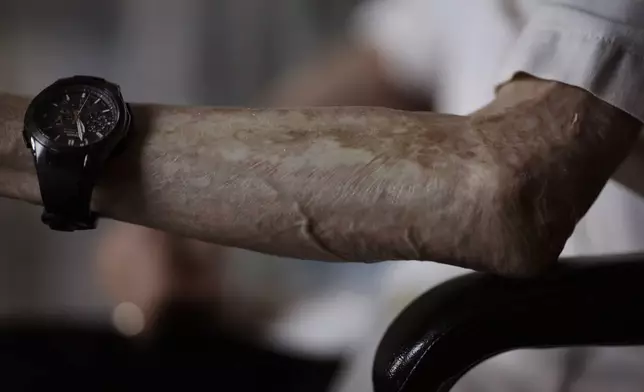
FILE - Sumiteru Taniguchi, 86, a survivor of the 1945 atomic bombing of Nagasaki, speaks as he shows the scars in his arm during an interview at his office in Nagasaki, southern Japan, June 30, 2015. (AP Photo/Eugene Hoshiko)

FILE - Sumiteru Taniguchi, 86, a survivor of the 1945 atomic bombing of Nagasaki, speaks as he shows the scars in his arm during an interview at his office in Nagasaki, southern Japan, June 30, 2015. (AP Photo/Eugene Hoshiko)

FILE - Sumiteru Taniguchi, a survivor of the 1945 atomic bombing of Nagasaki, shows scars on his back during an interview at his office in Nagasaki, southern Japan, June 30, 2015. (AP Photo/Eugene Hoshiko, File)
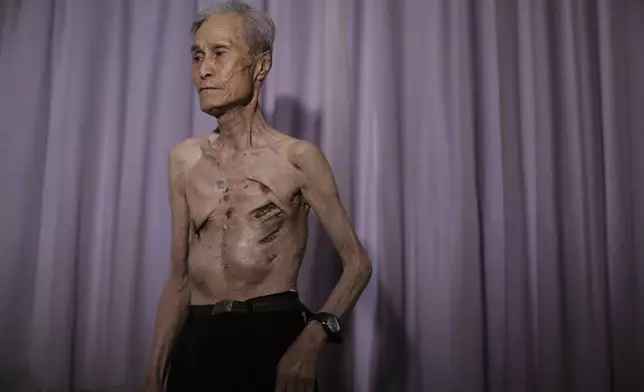
FILE - Sumiteru Taniguchi, a survivor of the 1945 atomic bombing of Nagasaki, shows scars on his back during an interview at his office in Nagasaki, southern Japan, June 30, 2015. (AP Photo/Eugene Hoshiko, File)
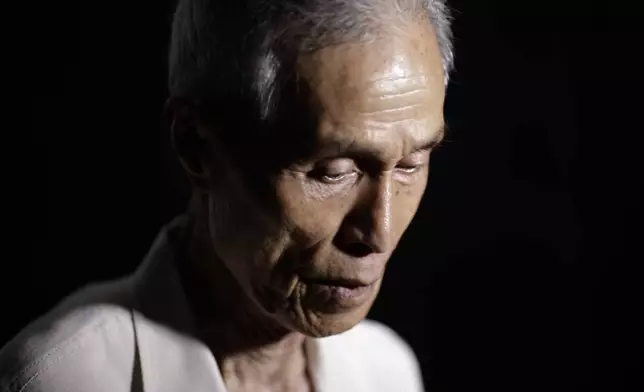
FILE - Sumiteru Taniguchi, 86, a survivor of the 1945 atomic bombing of Nagasaki, stands for photos during an interview at his office in Nagasaki, southern Japan, June 30, 2015. (AP Photo/Eugene Hoshiko, File)
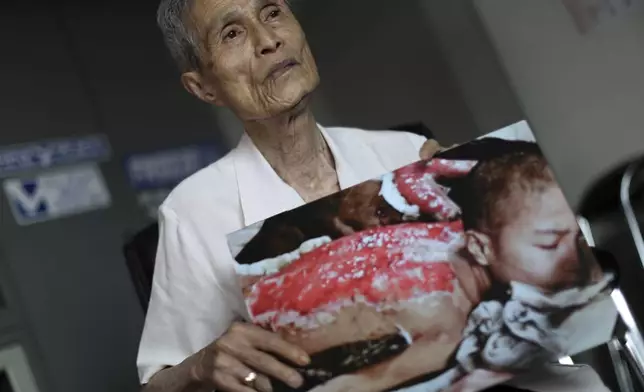
FILE - Sumiteru Taniguchi, 86, a survivor of the 1945 atomic bombing of Nagasaki, stands for photos during an interview at his office in Nagasaki, southern Japan, June 30, 2015. (AP Photo/Eugene Hoshiko, File)
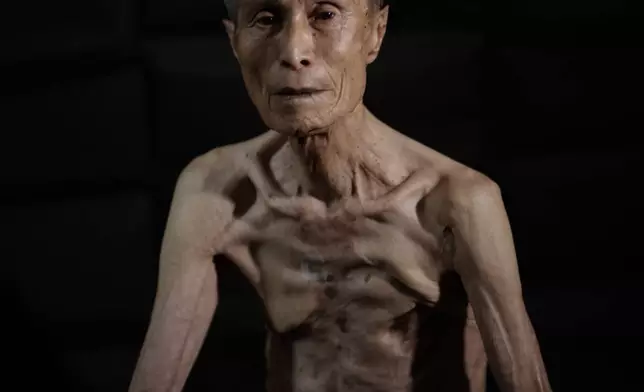
FILE - Sumiteru Taniguchi, 86, a survivor of the 1945 atomic bombing of Nagasaki, pauses during an interview at his office in Nagasaki, southern Japan, June 30, 2015. (AP Photo/Eugene Hoshiko, File)

FILE - Sumiteru Taniguchi, 86, a survivor of the 1945 atomic bombing of Nagasaki, pauses during an interview at his office in Nagasaki, southern Japan, June 30, 2015. (AP Photo/Eugene Hoshiko, File)

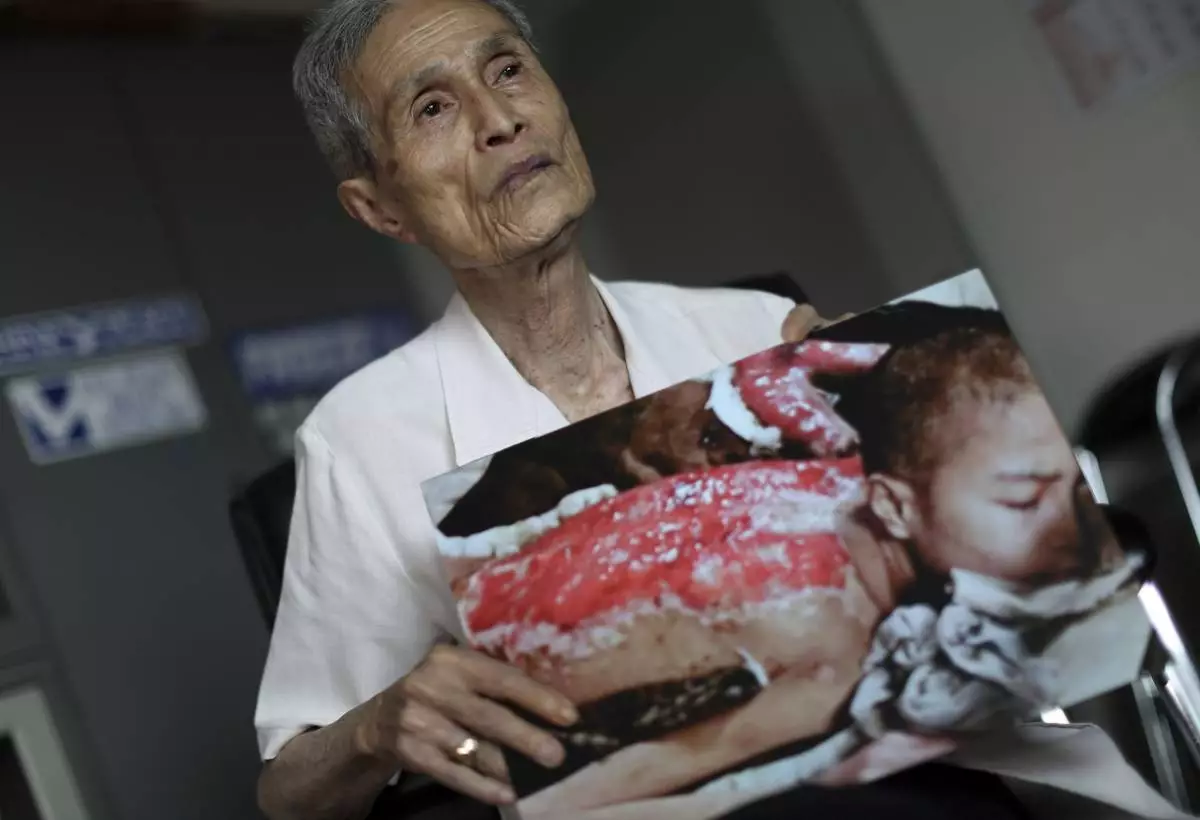
FILE - Sumiteru Taniguchi, 86, a survivor of the 1945 atomic bombing of Nagasaki, shows a photo of himself taken in 1945, during an interview at his office in Nagasaki, southern Japan, June 30, 2015. (AP Photo/Eugene Hoshiko, File)

FILE - Sumiteru Taniguchi, 86, a survivor of the 1945 atomic bombing of Nagasaki, shows a photo of himself taken in 1945, during an interview at his office in Nagasaki, southern Japan, June 30, 2015. (AP Photo/Eugene Hoshiko, File)

FILE - Sumiteru Taniguchi, 86, a survivor of the 1945 atomic bombing of Nagasaki, poses for a photo during an interview at his office in Nagasaki, southern Japan, June 30, 2015. (AP Photo/Eugene Hoshiko, File)

FILE - Sumiteru Taniguchi, 86, a survivor of the 1945 atomic bombing of Nagasaki, poses for a photo during an interview at his office in Nagasaki, southern Japan, June 30, 2015. (AP Photo/Eugene Hoshiko, File)

The photos, originally published in 2015 by Eugene Hoshiko, the AP chief photographer in Tokyo, show more than remnants of extreme trauma. Taniguchi considered them to be warnings, evidence shown freely so no one could say they hadn’t seen the horrific results of nuclear warfare.

Even after his death, Taniguchi’s legacy endures. As co-chairperson of Nihon Hidankyo, a Japanese organization of survivors of the U.S. atomic bombings of Hiroshima and Nagasaki, for decades he helped lead activists pushing for the end to nuclear weapons.

When Nihon Hidankyo was awarded the Nobel Peace Prize in 2024, many recalled Taniguchi’s quiet, unwavering voice and the scars he refused to hide.

Here is the original story from 2015, published on the 70th anniversary of the attacks:

Struggling a bit with a left arm that has never straightened out, Sumiteru Taniguchi slowly peeled the undershirt off his frail 86-year-old body to show two visitors his scars from the atomic bomb attack on Nagasaki.

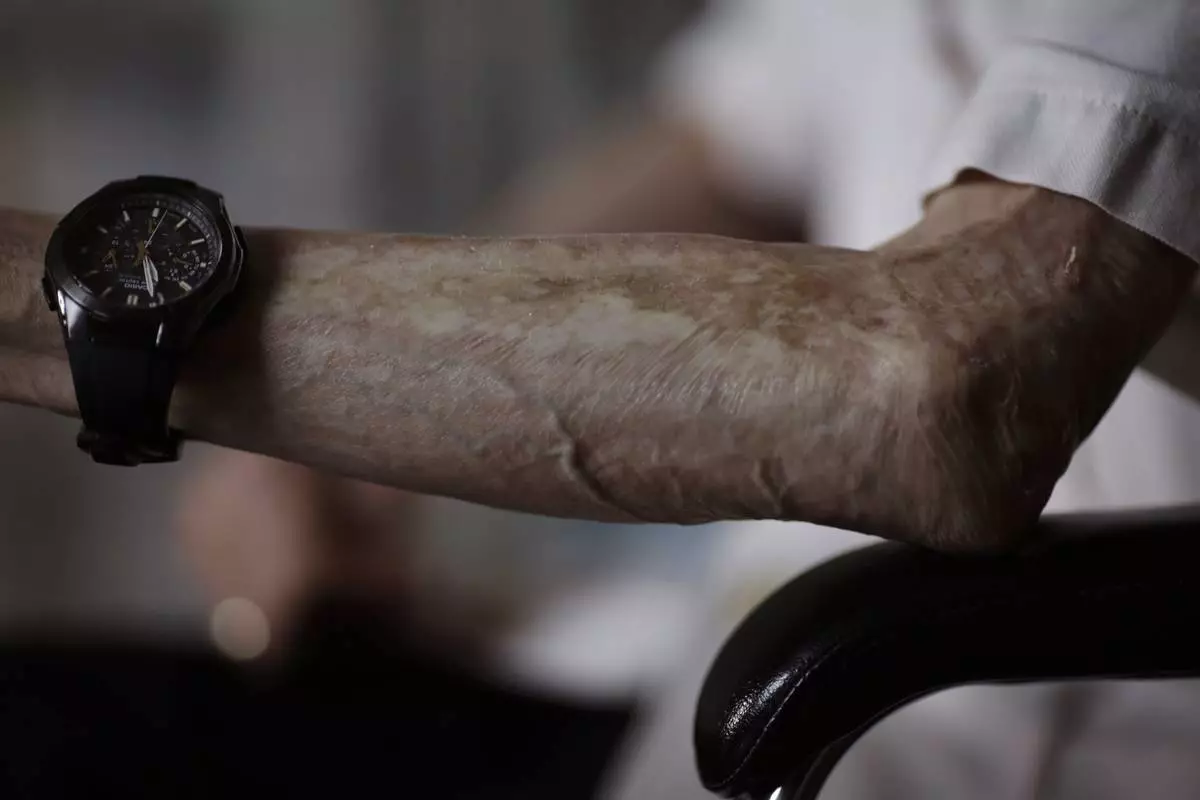
For 70 years, he has lived with them, a web of wounds covering most of his back, and the remains of three ribs that half rotted away and permanently press against his lungs, making it hard to breathe. His wife still applies a moisturizing cream every morning to reduce irritation from the scars. Not a day goes by without pain.

He was 16 and on the job as a letter carrier when the powerful blast threw him from his bicycle. He had been about 1.8 kilometers (1.1 miles) from the epicenter of the “Fat Man” plutonium bomb that detonated over Nagasaki on Aug. 9, 1945, killing more than 70,000 people. Six days later, Japan surrendered, ending World War II.

Speaking in a weak voice with some effort, he told the story last month of wandering for three days in a daze, unaware of the seriousness of his injuries. He felt something like a ragged cloth hanging from his back, shoulder and arm: It was his skin.

He would spend the next 21 months lying on his stomach, getting treatment for his burned back, decomposing flesh and exposed bones. Going in and out of consciousness, he could hear the nurses passing by in the hallway asking each other if the boy was still breathing. He thought: “Just kill me.”

Because he lay immobile for so long, as one of his teenage arm bones grew, it blocked the joint at the elbow so he can’t fully extend the arm.

Taniguchi hopes no one else will have to suffer the pain of nuclear weapons. He heads a Nagasaki survivors group working against nuclear proliferation, though old age and pneumonia are making it harder for him to play an active role. After so many years, his words are tinged with frustration.

“I want this to be the end,” he said, slipping his shirt back on.

This is a photo gallery curated by Associated Press photo editors.
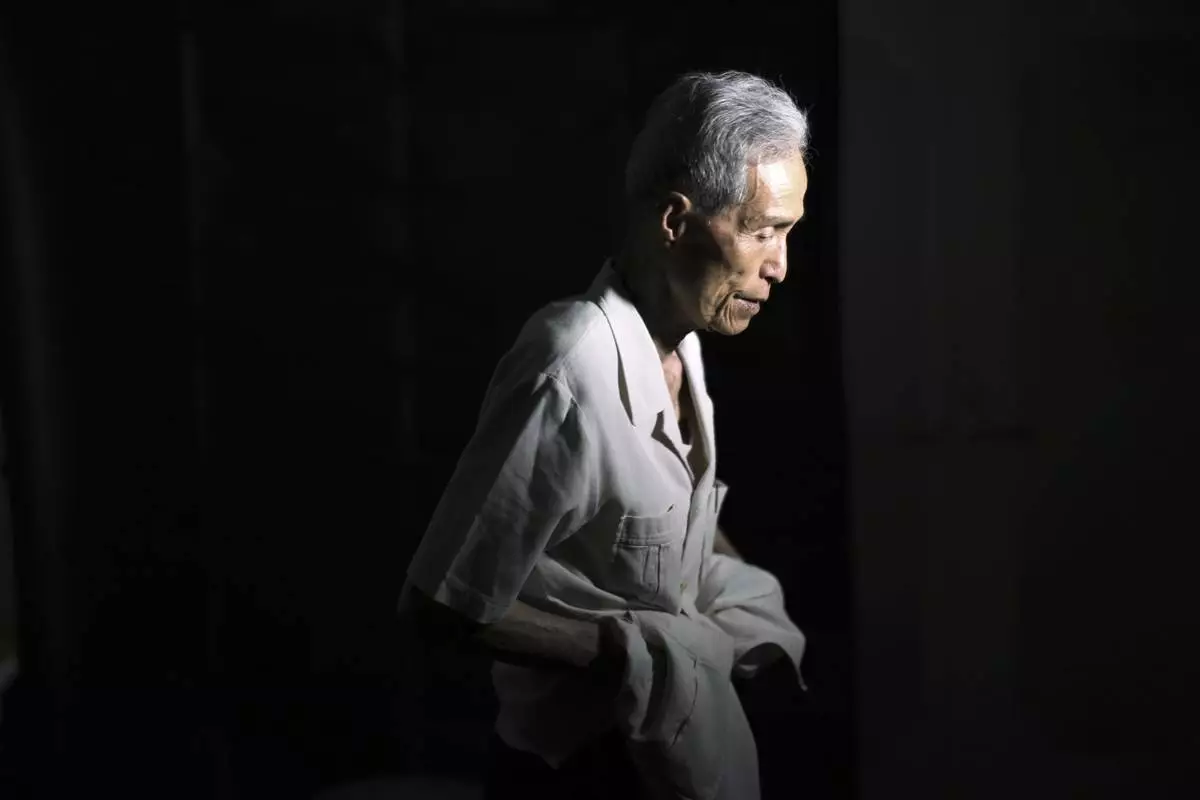
FILE - Sumiteru Taniguchi, 86, a survivor of the 1945 atomic bombing of Nagasaki, puts his cloth on after posing for photographs during an interview at his office in Nagasaki, southern Japan, June 30, 2015. (AP Photo/Eugene Hoshiko)
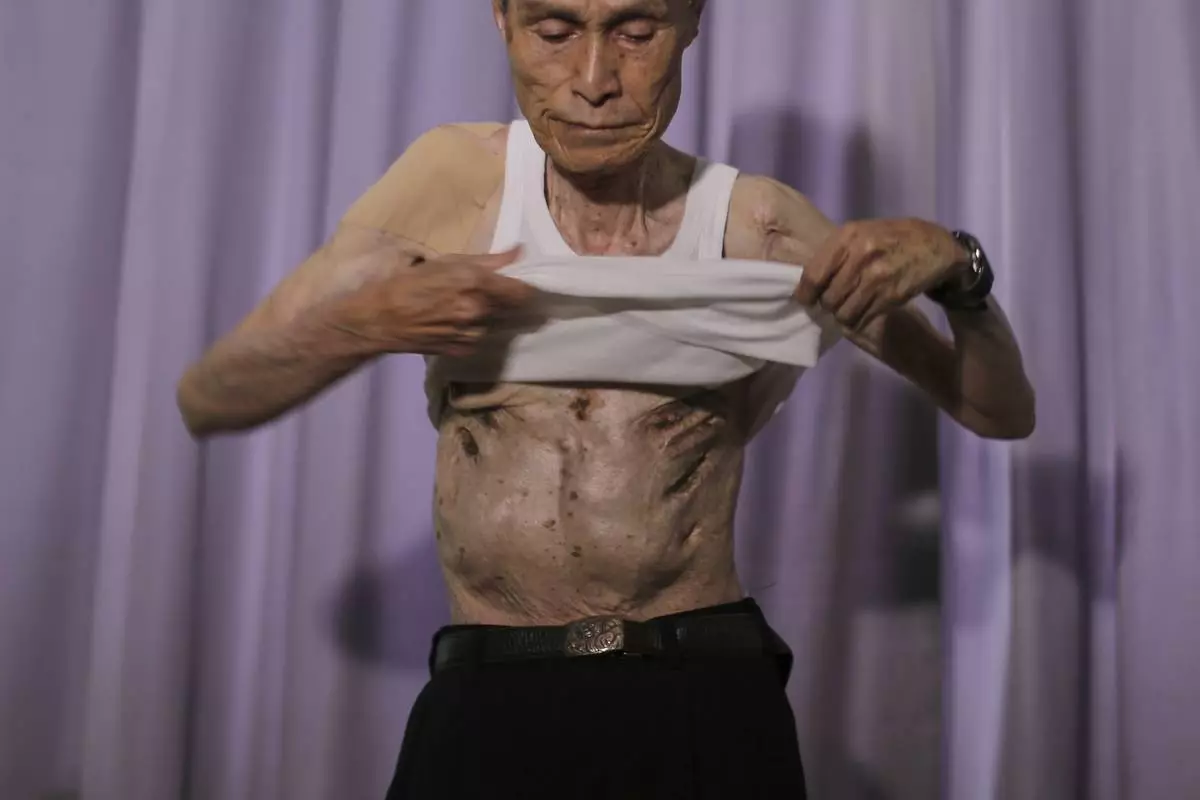
FILE - Sumiteru Taniguchi, 86, a survivor of the 1945 atomic bombing of Nagasaki, puts his cloth on after posing for photographs during an interview at his office in Nagasaki, southern Japan, June 30, 2015. (AP Photo/Eugene Hoshiko)
Sumiteru Taniguchi, a survivor of the 1945 atomic bombing of Nagasaki, removes his clothing to show the scars on his body during an interview at his office in Nagasaki, southern Japan, June 30, 2015. (AP Photo/Eugene Hoshiko)

Sumiteru Taniguchi, a survivor of the 1945 atomic bombing of Nagasaki, removes his clothing to show the scars on his body during an interview at his office in Nagasaki, southern Japan, June 30, 2015. (AP Photo/Eugene Hoshiko)

Sumiteru Taniguchi, a survivor of the 1945 atomic bombing of Nagasaki, sits for a photo during an interview at his office in Nagasaki, Nagasaki Prefecture, southern Japan, June 30, 2015. (AP Photo/Eugene Hoshiko)
Sumiteru Taniguchi, a survivor of the 1945 atomic bombing of Nagasaki, sits for a photo during an interview at his office in Nagasaki, Nagasaki Prefecture, southern Japan, June 30, 2015. (AP Photo/Eugene Hoshiko)

FILE - Sumiteru Taniguchi, 86, a survivor of the 1945 atomic bombing of Nagasaki, shows burn scars on his back during an interview at his office in Nagasaki, southern Japan, June 30, 2015. (AP Photo/Eugene Hoshiko)
FILE - Sumiteru Taniguchi, 86, a survivor of the 1945 atomic bombing of Nagasaki, shows burn scars on his back during an interview at his office in Nagasaki, southern Japan, June 30, 2015. (AP Photo/Eugene Hoshiko)
FILE - Sumiteru Taniguchi, 86, a survivor of the 1945 atomic bombing of Nagasaki, speaks as he shows the scars in his arm during an interview at his office in Nagasaki, southern Japan, June 30, 2015. (AP Photo/Eugene Hoshiko)

FILE - Sumiteru Taniguchi, 86, a survivor of the 1945 atomic bombing of Nagasaki, speaks as he shows the scars in his arm during an interview at his office in Nagasaki, southern Japan, June 30, 2015. (AP Photo/Eugene Hoshiko)

FILE - Sumiteru Taniguchi, a survivor of the 1945 atomic bombing of Nagasaki, shows scars on his back during an interview at his office in Nagasaki, southern Japan, June 30, 2015. (AP Photo/Eugene Hoshiko, File)
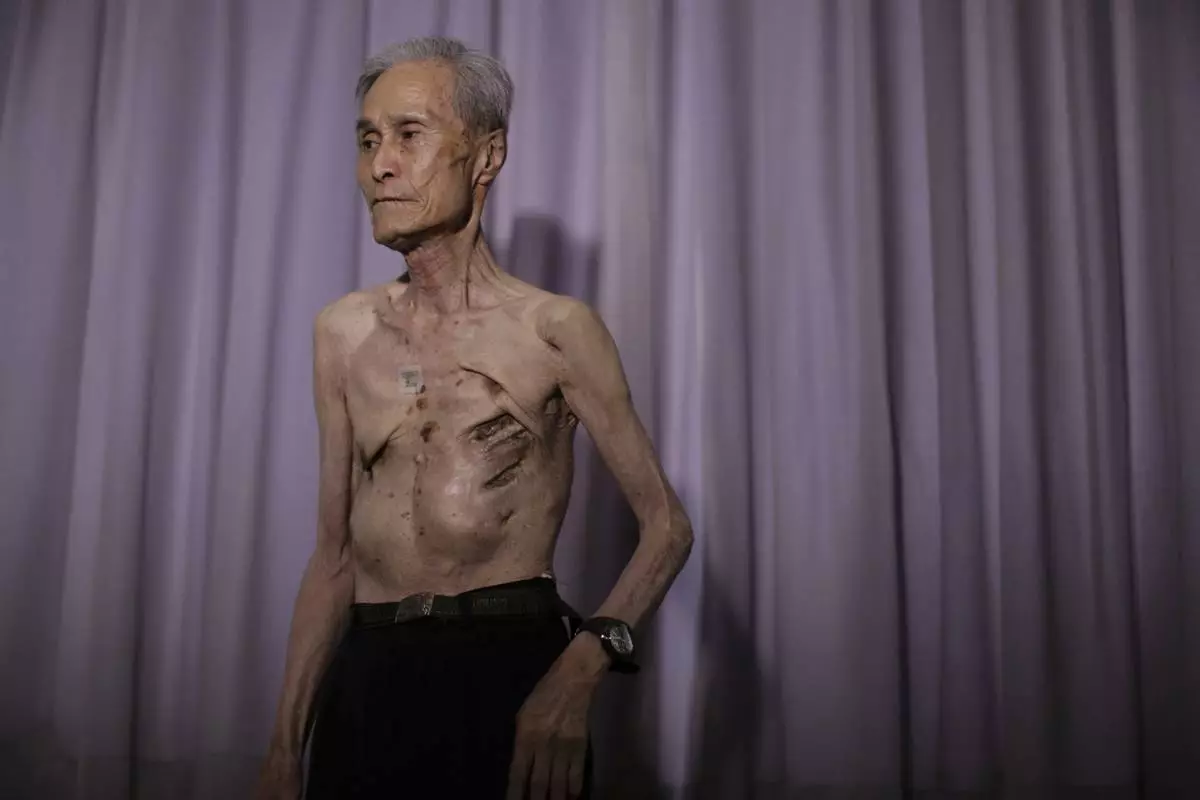
FILE - Sumiteru Taniguchi, a survivor of the 1945 atomic bombing of Nagasaki, shows scars on his back during an interview at his office in Nagasaki, southern Japan, June 30, 2015. (AP Photo/Eugene Hoshiko, File)
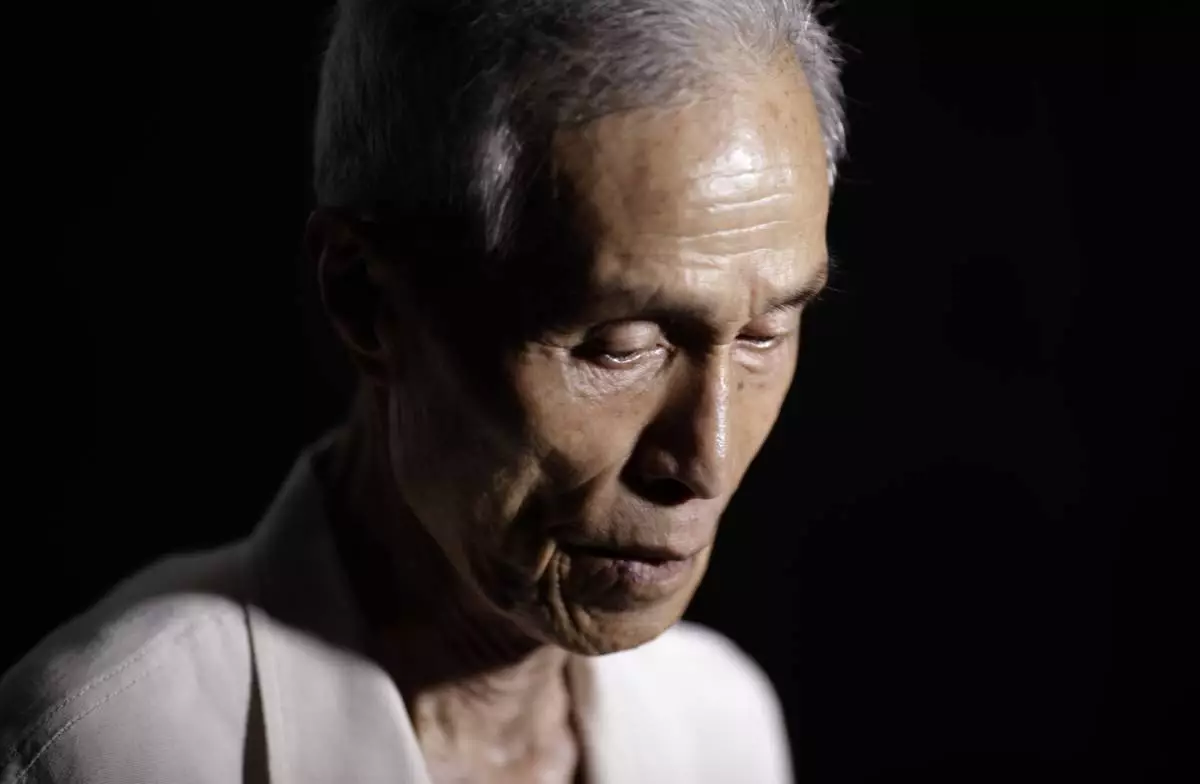
FILE - Sumiteru Taniguchi, 86, a survivor of the 1945 atomic bombing of Nagasaki, stands for photos during an interview at his office in Nagasaki, southern Japan, June 30, 2015. (AP Photo/Eugene Hoshiko, File)
FILE - Sumiteru Taniguchi, 86, a survivor of the 1945 atomic bombing of Nagasaki, stands for photos during an interview at his office in Nagasaki, southern Japan, June 30, 2015. (AP Photo/Eugene Hoshiko, File)
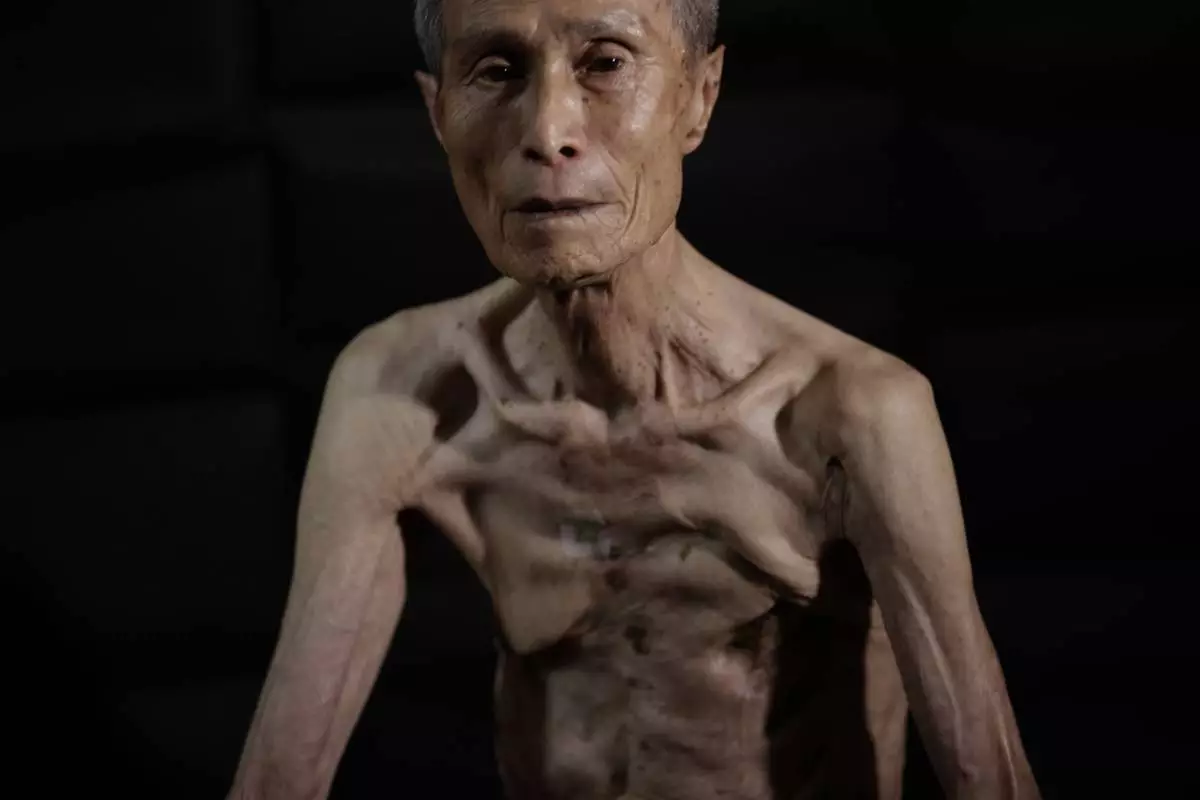
FILE - Sumiteru Taniguchi, 86, a survivor of the 1945 atomic bombing of Nagasaki, pauses during an interview at his office in Nagasaki, southern Japan, June 30, 2015. (AP Photo/Eugene Hoshiko, File)
FILE - Sumiteru Taniguchi, 86, a survivor of the 1945 atomic bombing of Nagasaki, pauses during an interview at his office in Nagasaki, southern Japan, June 30, 2015. (AP Photo/Eugene Hoshiko, File)
FILE - Sumiteru Taniguchi, 86, a survivor of the 1945 atomic bombing of Nagasaki, shows a photo of himself taken in 1945, during an interview at his office in Nagasaki, southern Japan, June 30, 2015. (AP Photo/Eugene Hoshiko, File)
FILE - Sumiteru Taniguchi, 86, a survivor of the 1945 atomic bombing of Nagasaki, shows a photo of himself taken in 1945, during an interview at his office in Nagasaki, southern Japan, June 30, 2015. (AP Photo/Eugene Hoshiko, File)
FILE - Sumiteru Taniguchi, 86, a survivor of the 1945 atomic bombing of Nagasaki, poses for a photo during an interview at his office in Nagasaki, southern Japan, June 30, 2015. (AP Photo/Eugene Hoshiko, File)
FILE - Sumiteru Taniguchi, 86, a survivor of the 1945 atomic bombing of Nagasaki, poses for a photo during an interview at his office in Nagasaki, southern Japan, June 30, 2015. (AP Photo/Eugene Hoshiko, File)
KAMPALA, Uganda (AP) — Vote counting was underway Friday in Uganda’s tense presidential election, which was held a day earlier amid an internet shutdown, voting delays and complaints by an opposition leader who said some of his polling agents had been detained by the authorities.

Opposition leader Bobi Wine said Thursday he was unable to leave his house and that his polling agents in rural areas were abducted before voting started, undermining his efforts to prevent electoral offenses such as ballot stuffing.

Wine is hoping to end President Yoweri Museveni's four-decade rule in an election during which the military was deployed and heavy security was posted outside his house near Kampala, the Ugandan capital, after the vote.

The musician-turned-politician wrote on X on Thursday that a senior party official in charge of the western region had been arrested, adding there was “massive ballot stuffing everywhere.”

Rural Uganda, especially the western part of the country, is a ruling-party stronghold, and the opposition would be disadvantaged by not having polling agents present during vote counting.

To try to improve his chances of winning, Wine had urged his supporters to “protect the vote” by having witnesses document alleged offenses at polling stations, in addition to deploying official polling agents.

Wine faced similar setbacks when he first ran for president five years ago. Museveni took 58% of the vote, while Wine got 35%, according to official results. Wine said at the time that the election had been rigged in favor of Museveni, who has spoken disparagingly of his rival.

Museveni, after voting on Thursday, said the opposition had infiltrated the 2021 election and defended the use of biometric machines as a way of securing the vote in this election.

Museveni has served the third-longest tenure of any African leader and is seeking to extend his rule into a fifth decade. The aging president’s authority has become increasingly dependent on the military, which is led by his son, Muhoozi Kainerugaba.

Uganda has not witnessed a peaceful transfer of presidential power since independence from British colonial rule six decades ago.

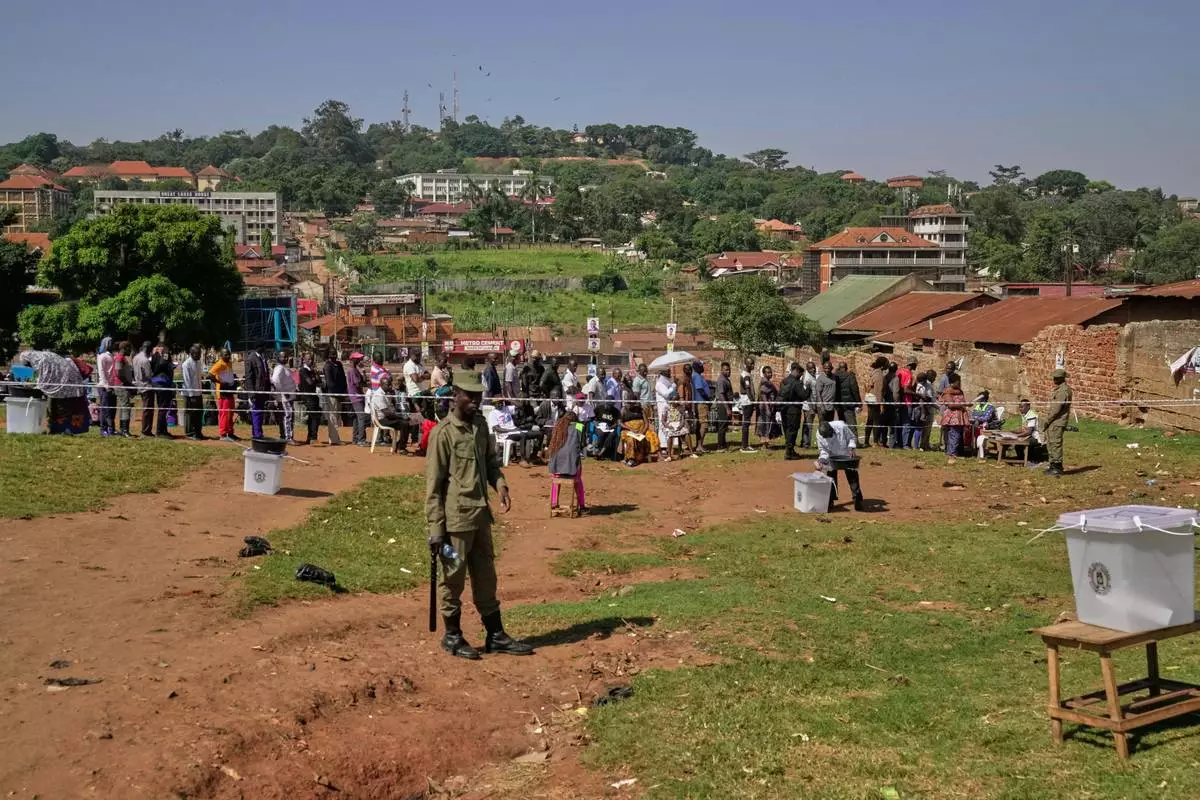
Voters line up to cast their ballots at a polling station, during the presidential election, in the capital, Kampala, Uganda, Thursday, Jan. 15, 2026. (AP Photo/Brian Inganga)

Voters line up to cast their ballots at a polling station, during the presidential election, in the capital, Kampala, Uganda, Thursday, Jan. 15, 2026. (AP Photo/Brian Inganga)

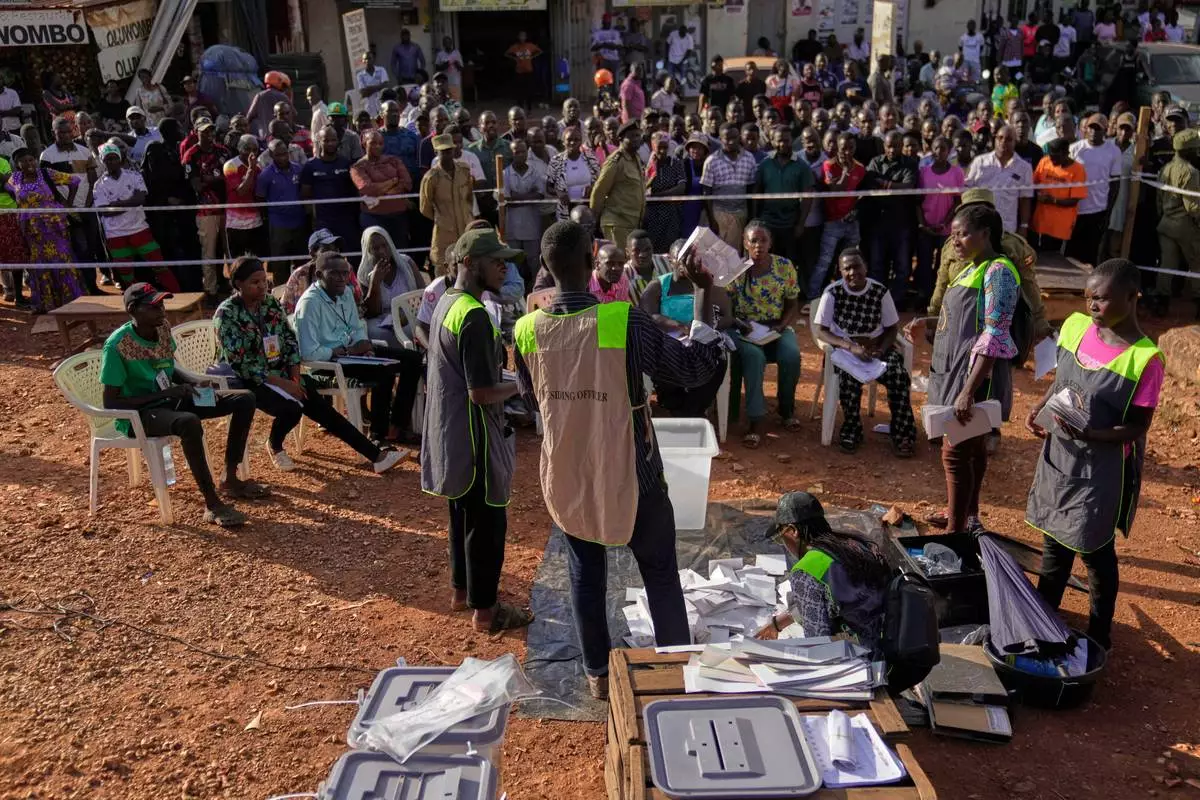
Election officials count ballots after the polls closed for the presidential election at a polling station in Kampala, Uganda, Thursday, Jan. 15, 2026. (AP Photo/Brian Inganga)

Election officials count ballots after the polls closed for the presidential election at a polling station in Kampala, Uganda, Thursday, Jan. 15, 2026. (AP Photo/Brian Inganga)

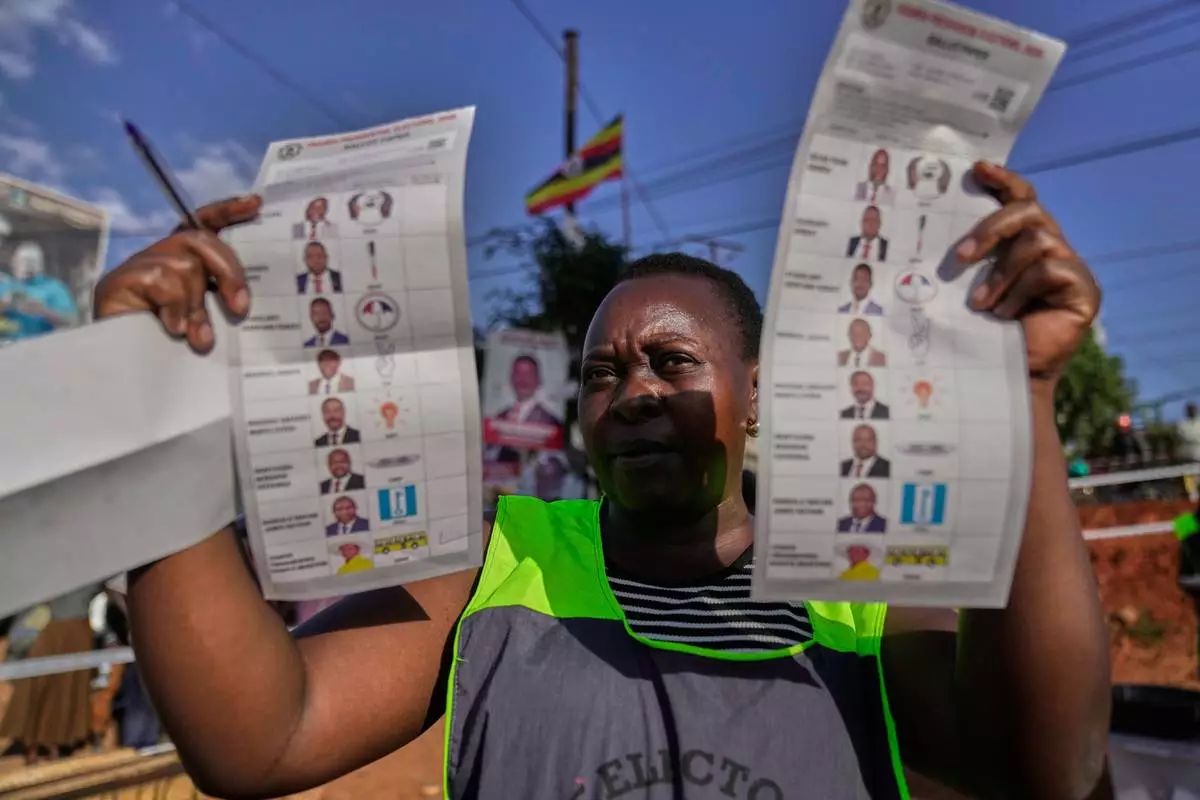
An election official holds up unmarked ballots during the vote count after polls closed for the presidential election, at a polling center in Kampala, Uganda, Thursday, Jan. 15, 2026. (AP Photo/Brian Inganga)

An election official holds up unmarked ballots during the vote count after polls closed for the presidential election, at a polling center in Kampala, Uganda, Thursday, Jan. 15, 2026. (AP Photo/Brian Inganga)

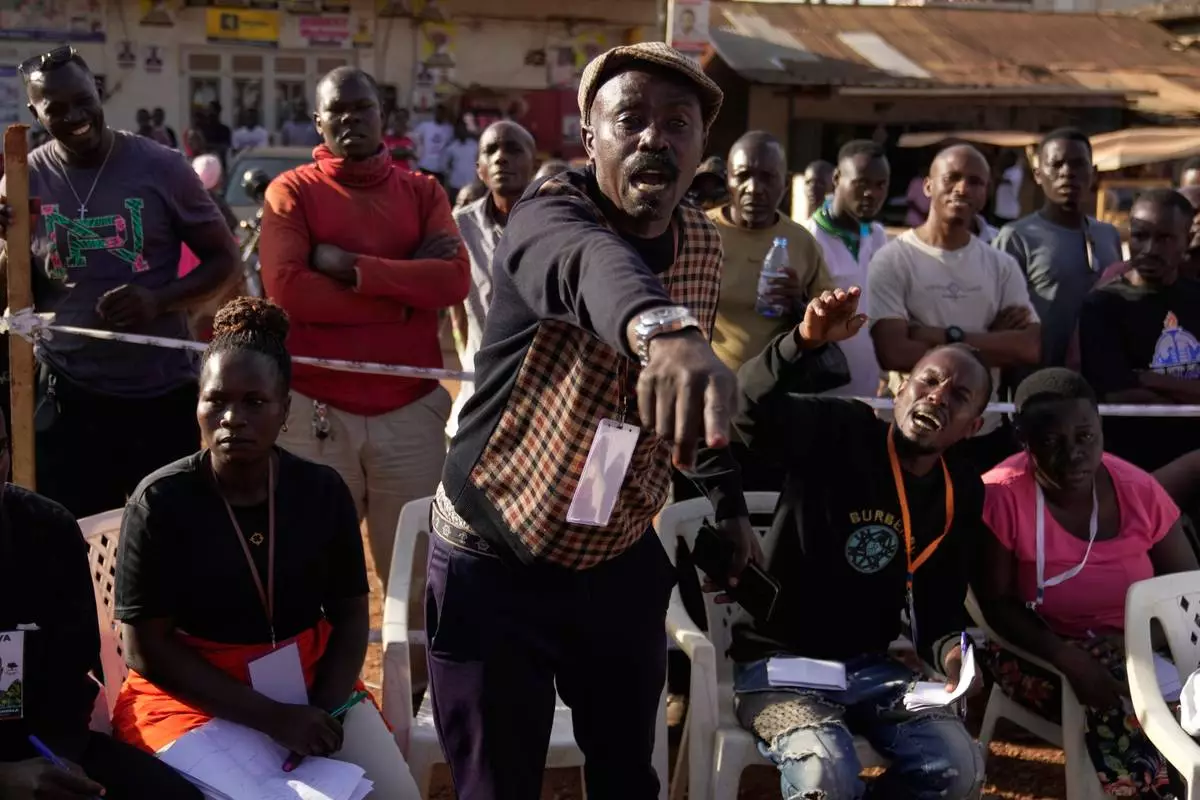
A political representative speaks as he works to observe and verify the counting of ballots after polls closed in the presidential election at a polling station in Kampala, Uganda, Thursday, Jan. 15, 2026. (AP Photo/Brian Inganga)

A political representative speaks as he works to observe and verify the counting of ballots after polls closed in the presidential election at a polling station in Kampala, Uganda, Thursday, Jan. 15, 2026. (AP Photo/Brian Inganga)

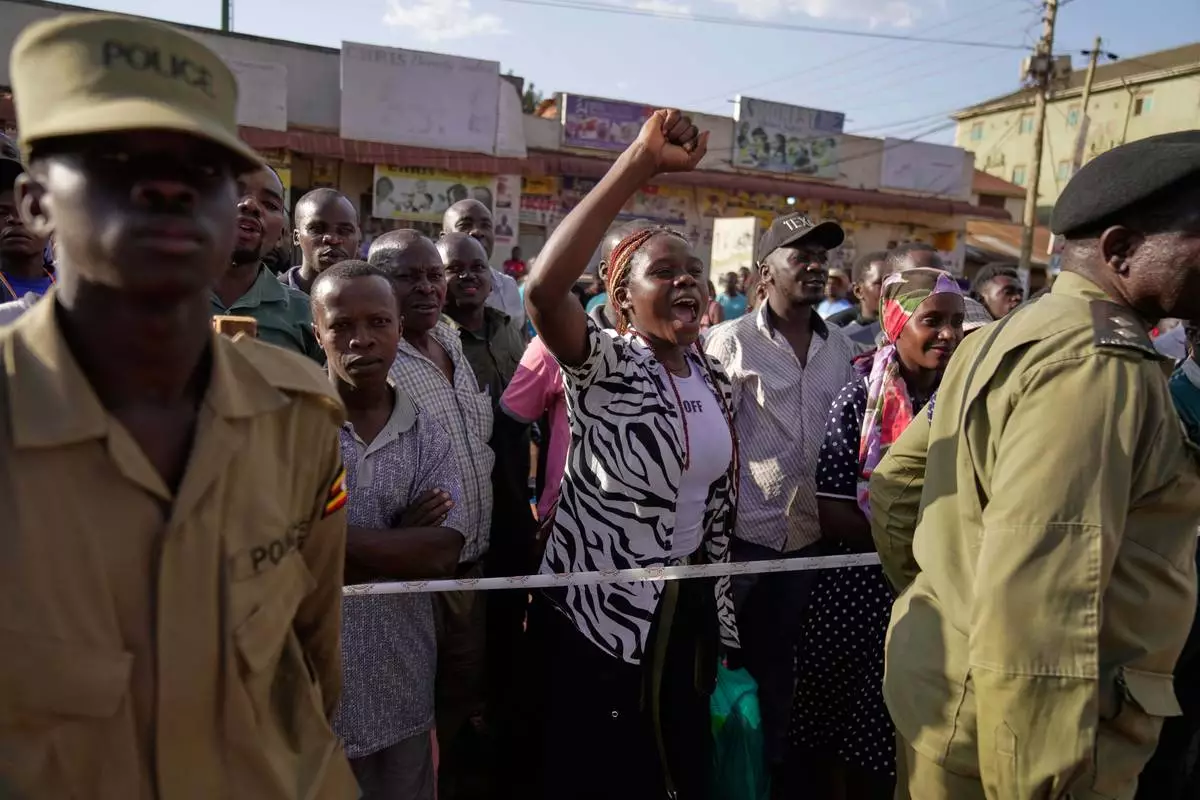
A supporter of leading opposition candidate Bobi Wine cheers while watching election officials count ballots, after polls closed at a polling station in Kampala, Uganda, Thursday, Jan. 15, 2026. (AP Photo/Brian Inganga)

A supporter of leading opposition candidate Bobi Wine cheers while watching election officials count ballots, after polls closed at a polling station in Kampala, Uganda, Thursday, Jan. 15, 2026. (AP Photo/Brian Inganga)

Recommended Articles