The deadlock over Iran's nuclear program is leaving a cloud of uncertainty hanging over the lives of local residents as rising inflation and the specter of sanctions takes its toll.
Iran said International Atomic Energy Agency (IAEA) officials will visit Tehran for talks on Monday, but that there will be no inspection of its nuclear facilities.
For residents hoping for relief, the slow progress of negotiations is taking a toll as food prices soar. Many Iranians now have to make painful trade-offs, such as skipping meals and choosing cheaper goods.
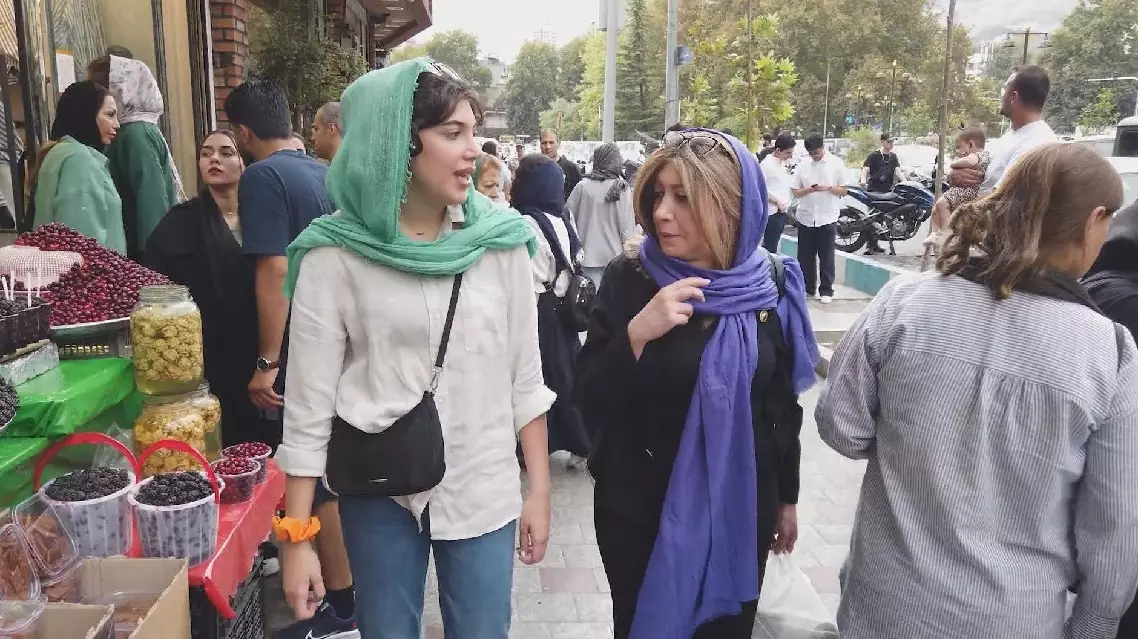
In the country's capital Tehran, local mother Sepideh and her 19-year-old daughter Melina are experiencing the constant shadow of the crisis.
"We used to set aside money for leisure, buying red meat, fresh fruits, nuts. Now, red meat is a rarity, and dining out, a once a weekly treat, is reduced to once a month. Everything feels restricted," said Sepideh.
As diplomats debate Iran's nuclear program, this family, and millions like them, are caught in a cycle of scarcity and fear.
"Since the war, a deep fear has taken root. If conflict erupts again, instability will return. Our country already struggles, another war would be unbearable," the mother said.
For the younger generation, this crisis is not just about the economy, but potentially the erosion of their aspirations and future possibilities.
"I dream of opening my own pastry workshop, but instability has made that impossible. These days, even small ambitions feel out of reach," said Melina.
"The constant uncertainty paralyzes us. How can we plan when we don't know what tomorrow holds. Many of my friends are depressed. Everyone feels lost," she said.
Iranians left in limbo amid uncertainty in nuclear talks
Iranians left in limbo amid uncertainty in nuclear talks