The Yellow River, China's second-longest river, has achieved 26 consecutive years of uninterrupted flow, thanks to decades of efforts to harness the river featuring protection and management, according to the Yellow River Conservancy Commission on Tuesday.
At 08:00 local time Tuesday, the Lijin hydrological station, located at the river's lowermost reaches, recorded a real-time flow of 588 cubic meters per second.
This underscores the success of water resources unified dispatch started in 1999, ensuring the river's continuous flow for over a quarter of a century.
The Yellow River and the Yangtze River are regarded as the "mother rivers" of the Chinese nation. The Yellow River basin had been the political, economic, and cultural centers of the country for as long as 3,000 years in the 5,000-year history of the Chinese civilization.
Today, the 5,464-km-long waterway feeds 12 percent of China's population, irrigates 17 percent of its arable land, and supplies water to more than 50 large and medium-sized cities.
However, throughout its history, the Yellow River used to suffer from frequent dike breaks and course changes.
Between the 1970s and 1990s, the lower reaches of the Yellow River frequently dried up. In 1997, the Yellow River dried up for 226 days, covering a total length of 704 kilometers.
Due to its incomparable historical, cultural and economic significance, together with the environmental impact it brings, China has made great efforts to harness the Yellow River over recent years. Dams were built to generate power and control flood and silt. Large afforestation projects were carried out to reduce soil erosion of the Loess Plateau.
During the 2024-2025 period, the Yellow River's main stream has supplied over 22.3 billion cubic meters of water, sustaining ecological preservation and fostering high-quality development throughout the Yellow River basin.

China's water resource management sustains perennial flow of Yellow River for 26 consecutive years
The Cyberspace Administration of China has drafted a set of guidelines to ensure healthy and safe internet use by minors, laying out a series of regulations for relevant service providers.
The draft was made public on Friday and is open to public comment until Oct. 17.
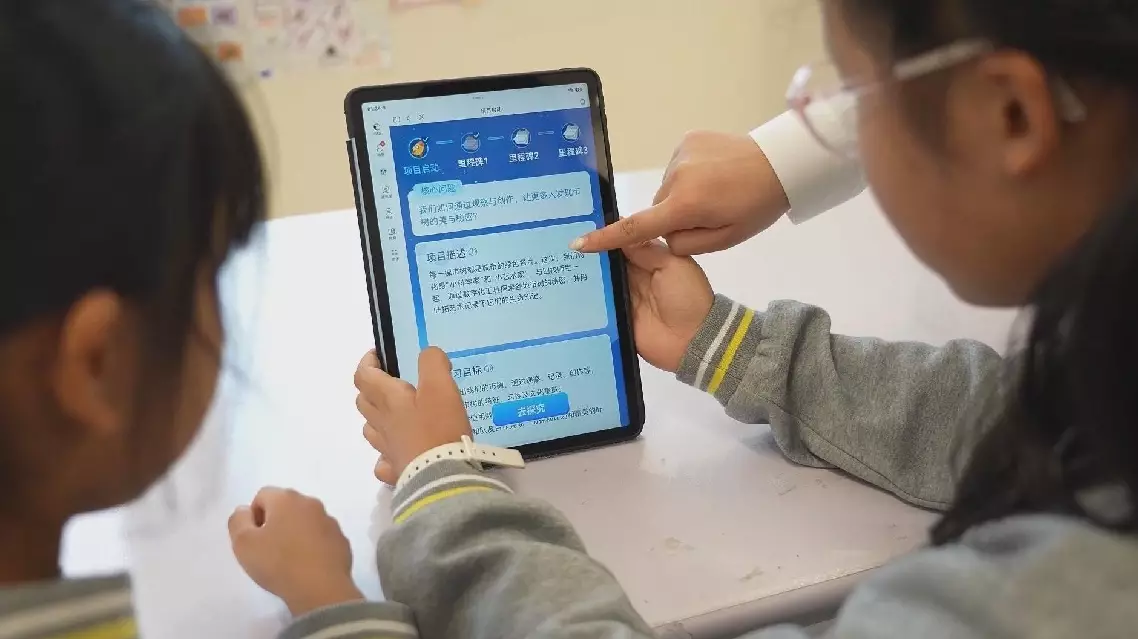
The draft encourages the research, development and manufacture of smart terminal products specifically designed for minors and tailored to the laws and characteristics of their physical and mental development, as well as internet technologies and services conducive to the healthy growth of minors.
Minors shall not be exposed to online social networking services with strangers, virtual intimate relationship services, and online services that induce addiction in minors or are detrimental to their physical and mental health, the draft reads.
Internet services for minors under 16, such as online social networking services and artificial intelligence services that may affect minors' cognition, can only be provided through a minor mode, according to the draft.
It also clarifies the functions of the minor mode, which include identifying online information detrimental to minors' physical and mental health, protecting minors' personal information rights and interests, preventing minors from becoming addicted to the internet, and facilitating guardians in fulfilling their guardianship responsibilities.
As of December 2025, China had more than 200 million internet users aged 6 to 19, the 57th Statistical Report on China's Internet Development revealed.
With the increasingly evident impact of social media on minors' mental well-being, behavior and safety, a growing number of countries and regions have recently started to explore ways to raise the legal threshold for minors' use of social media platforms, said Wang Zhiqin, deputy director of the China Academy of Information and Communications Technology.
The draft proposes a model with Chinese characteristics for protecting minors online, representing a positive response to the global trend toward strengthening online protection for minors, Wang said.
China drafts guidelines to strengthen online protection for minors