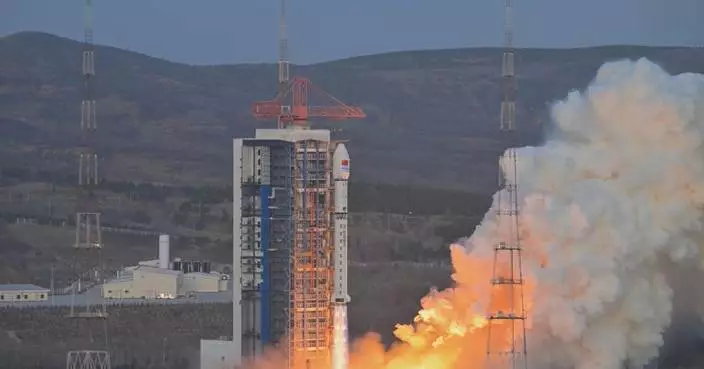
China's carmaker Great Wall Motors (GWM) has been seeking this year to enhance its presence and sales in Brazil and the broader Latin American region through localized production.
On Friday, GWM' first Brazilian plant officially commenced productions.
This facility is the company's third-largest full-process vehicle production base overseas, with vehicles produced for sale throughout the entire Latin American market.
Located in Iracemapolis, São Paulo, the plant covers 1.2 million square meters, featuring welding areas, assembly lines, as well as equipment, energy supply, and logistics chains.
This intelligent production base will enable the co-production of hybrid, plug-in hybrid, and diesel-powered vehicles.
With an initial annual production capacity of 50,000 vehicles, the plant is expected to create 1,000 local jobs by the end of this year.
Brazil is the world's sixth-largest automobile market. In the first half of this year, more than 15,700 GMW vehicles were sold in Brazil, a year-on-year increase of 19.8 percent and 17 percentage points above the industry average.
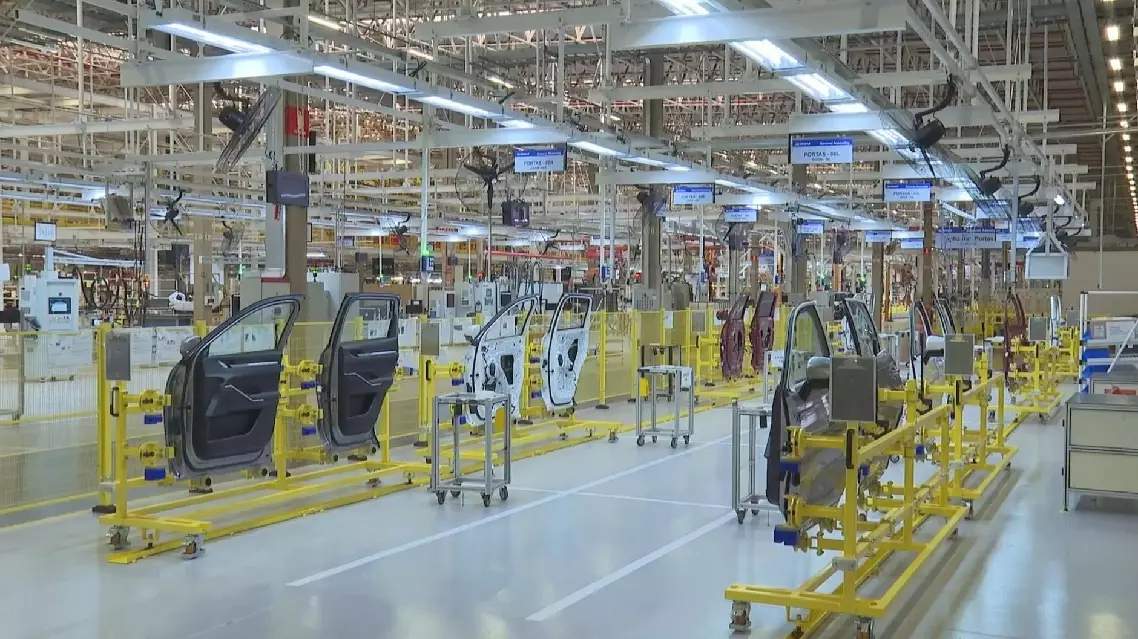
China's automaker GWM seeks expansion in Brazil through localized production
China's automaker GWM seeks expansion in Brazil through localized production
Fuel price hikes due to the U.S.-Israel-Iran conflict are placing significant cost pressures on livelihood industries in the Philippines and New Zealand, which are heavily dependent on imported energy, while also driving the growth of the new energy vehicle market.
In various gas stations across Manila, the Philippine capital, diesel prices have surged more than twice the levels seen at the end of February, with increases also noted in liquefied petroleum gas (LPG) prices.
Businesses such as restaurants and vendors relying on LPG have expressed concerns over escalating costs, fearing they may soon be unable to cover their expenses.
"The cost of our goods has gone up. Our income has decreased as a result. The money we earn is barely enough to cover restocking, let alone pay our employees' wages," said Rey, a food vendor.
In Auckland, New Zealand, a senior executive at a local car dealership said the surge in fuel prices is prompting more consumers in the country to shift from conventional cars to new energy vehicles.
"(Fuel price hike) really has increased the sale of our electric vehicles, particularly battery electric vehicles. Consumers are now experiencing battery electric vehicles. They see their economic advantage. It's good for the market. It's also good for New Zealand in terms of sustainability," said Simon Rutherford, CEO of Auto Distributors New Zealand, a division of Armstrong Motor Group.
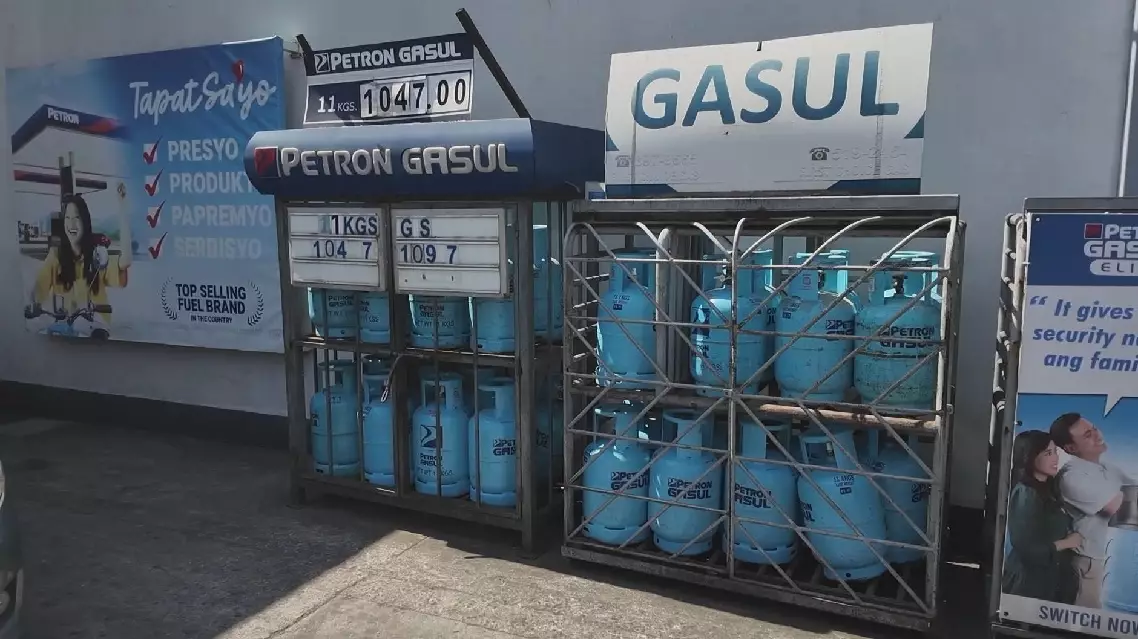
Fuel price hikes squeeze livelihoods in energy-importing Philippines, New Zealand