DH announces latest situation of Legionnaires' disease cases
The Centre for Health Protection (CHP) of the Department of Health today (August 18) reported the latest number of cases of Legionnaires' disease (LD), and reminded the public of the importance of using and maintaining properly designed man-made water systems, adding that susceptible groups should strictly observe relevant precautions.
From August 10 to 16, the CHP recorded four community-acquired LD cases. All of the patients involved had underlying illnesses. The details of the cases are as follows:
A 74-year-old male patient living in Eastern District;
An 80-year-old male patient living in Eastern District;
A 67-year-old male patient living in North District; and
A 65-year-old male patient living in Southern District.
The CHP is conducting epidemiological investigations to identify potential sources of infection and high-risk exposure. Initial investigation revealed that all four cases are sporadic cases. No epidemiological linkages have been established between these cases and other confirmed cases previously recorded in Hong Kong.
As of August 16, 107 LD cases had been recorded this year. In 2024 and 2023, there were 135 and 121 LD cases respectively.
Men, people aged over 50, smokers, alcoholics and persons with weakened immunity are more susceptible to LD. Some situations may also increase the risk of infection, including poor maintenance of water systems; living in areas with old water systems, cooling towers or fountains; using electric water heaters, whirlpools and spas or hot water spring spas; and recent stays in hotels or vessels.
Legionellae are found in various environmental settings and grow well in warm water (20 to 45 degrees Celsius). They can be found in aqueous environments such as water tanks, hot and cold water systems, cooling towers, whirlpools and spas, water fountains and home apparatus that support breathing. People may become infected when they breathe in contaminated droplets (aerosols) and mist generated by artificial water systems, or when handling garden soil, compost and potting mixes.
Immunocompromised persons should:
 Use sterile or boiled water for drinking, tooth brushing and mouth rinsing;
Avoid using humidifiers, or other mist- or aerosol-generating devices; and
If using humidifiers, or other mist- or aerosol-generating devices, fill the water tank with only sterile or cooled freshly boiled water, and not water directly from the tap. Also, clean and maintain humidifiers/devices regularly according to manufacturers' instructions. Never leave stagnant water in a humidifier/device. Empty the water tank, wipe all surfaces dry, and change the water daily.
Use sterile or boiled water for drinking, tooth brushing and mouth rinsing;
Avoid using humidifiers, or other mist- or aerosol-generating devices; and
If using humidifiers, or other mist- or aerosol-generating devices, fill the water tank with only sterile or cooled freshly boiled water, and not water directly from the tap. Also, clean and maintain humidifiers/devices regularly according to manufacturers' instructions. Never leave stagnant water in a humidifier/device. Empty the water tank, wipe all surfaces dry, and change the water daily.
The public should observe the health advice below:
Observe personal hygiene;
Do not smoke and avoid alcohol consumption;
Strainers in water taps and shower heads should be inspected, cleaned, descaled and disinfected regularly or at a frequency recommended by the manufacturer;
If a fresh-water plumbing system is properly maintained, it is not necessary to install domestic water filters. Use of water filters is not encouraged as clogging occurs easily, which can promote growth of micro-organisms. In case water filters are used, the pore size should be 0.2 micrometres (µm) and the filter needs to be changed periodically according to the manufacturer's recommendations;
Drain and clean water tanks of buildings at least quarterly;
Drain or purge for at least one minute infrequently used water outlets (e.g. water taps, shower heads and hot water outlets) and stagnant points of the pipework weekly or before use;
Seek and follow doctors' professional advice regarding the use and maintenance of home respiratory devices and use only sterile water (not distilled or tap water) to clean and fill the reservoir. Clean and maintain the device regularly according to the manufacturer's instructions. After cleaning/disinfection, rinse the device with sterile water, cooled freshly boiled water or water filtered with 0.2 µm filters. Never leave stagnant water in the device. Empty the water tank, keep all surfaces dry, and change the water daily; and
When handling garden soil, compost and potting mixes:
Wear gloves and a face mask;
Water gardens and compost gently using low pressure;
Open composted potting mixes slowly and make sure the opening is directed away from the face;
Wet the soil to reduce dust when potting plants; and
Avoid working in poorly ventilated places such as enclosed greenhouses.
The public may visit the CHP'sLD page, theCode of Practice for Prevention of LDand theHousekeeping Guidelines for Cold and Hot Water Systems for Building Managementof the Prevention of LD Committee, and the CHP'srisk-based strategyfor prevention and control of LD.
Source: AI-found images
CHP urges public to promptly receive seasonal influenza vaccination as another severe paediatric influenza infection case reported
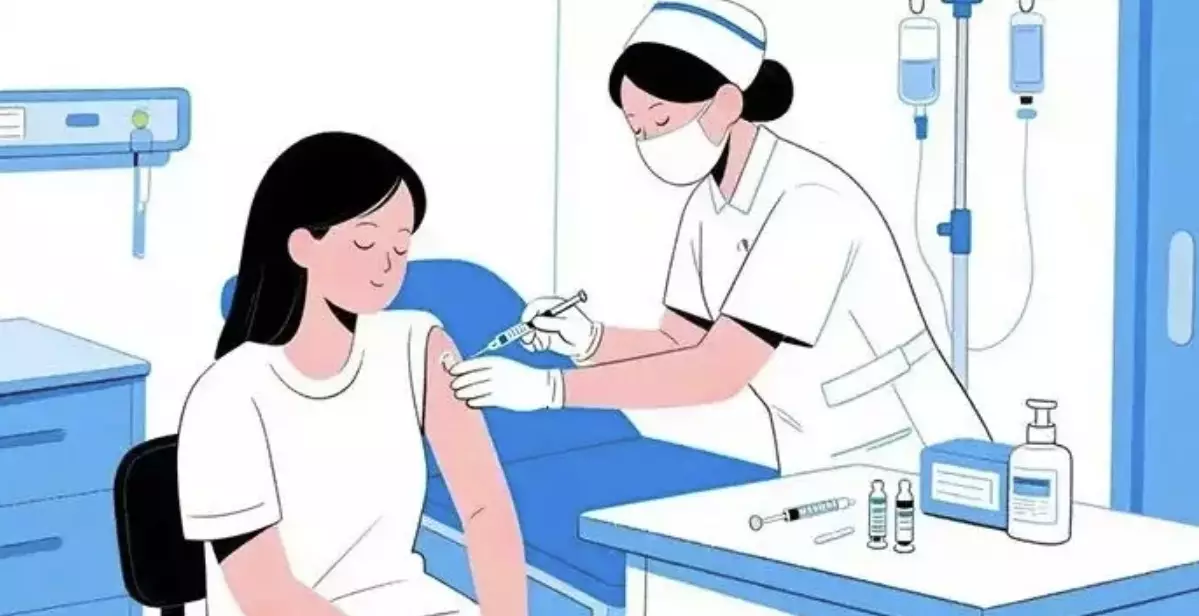
The Centre for Health Protection (CHP) of the Department of Health (DH) today (January 18) recorded a severe paediatric influenza infection case. The CHP again reminded parents to arrange for their children to receive a free seasonal influenza vaccination (SIV) promptly. The SIV remains one of the most effective methods of preventing influenza and its complications, and can reduce the risk of serious complications or death from infection.
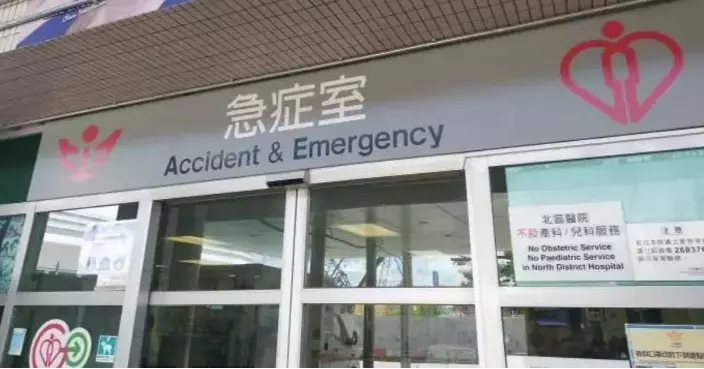
The case involves a 14-year-old boy with underlying illness. He developed a fever, shortness of breath and productive cough since January 16. He sought medical attention at the Accident and Emergency Department of Pamela Youde Nethersole Eastern Hospital on January 17 and was transferred to the paediatric intensive care unit for further management on the same day. He is currently in critical condition. His respiratory specimen tested positive for influenza A virus upon laboratory testing. The clinical diagnosis is influenza A infection complicated with severe pneumonia and septic shock.
A preliminary investigation revealed that the boy received the 2025/26 SIV only three days before onset of illness. As it generally takes two weeks for the body to develop sufficient protection after vaccination, the boy was not protected by the vaccine. Therefore, it is not counted as being vaccinated. The boy had no travel history during the incubation period. Two of his household contacts developed mild respiratory symptoms earlier. The nasal swab sample of one of the household contacts tested positive for influenza A virus via rapid antigen test. The symptoms were mild and hospitalisation was not required.
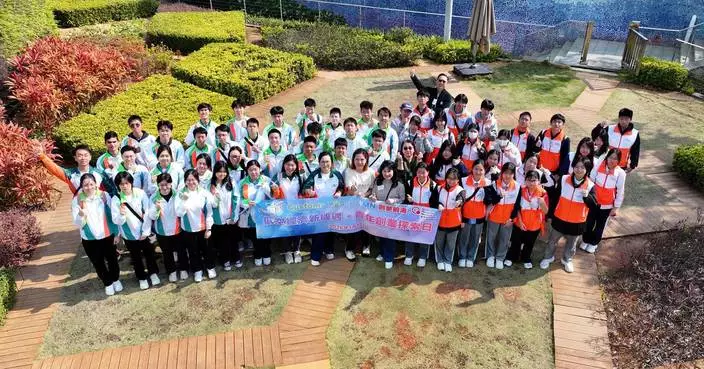
The summer influenza season just ended had recorded 25 severe paediatric influenza cases, including three fatal cases. The affected children were aged between 6 months to 17 years old. Among them, 20 cases (80 per cent) had not received an SIV (including one case who received the 2025/26 SIV only four days before onset of illness).
"The summer influenza season was ended. However, influenza activity may rise again as the weather remains cold in the first quarter of this year and it cannot be ruled out that the circulating virus strains may change as the winter influenza season approaches. Therefore, I once again urge all individuals aged 6 months or older, except those with known contraindications, to act promptly if they have not yet received an SIV. This includes those who contracted influenza during the summer influenza season in order to guard against other circulating virus strains that may emerge during the upcoming winter influenza season. Furthermore, although there are some antigenic differences between the currently circulating influenza A (H3) virus strain and the virus strain contained in the vaccine, scientific research indicates that this season's influenza vaccines can still offer protection against the variant strain of subclade K, as well as the influenza A (H1) and influenza B strains included in the vaccine," the Controller of the CHP, Dr Edwin Tsui, said.
"Although the influenza activity has declined to below the baseline level at the moment, outbreaks caused by influenza viruses still occurred in schools and residential care homes. For children who did not join the SIV School Outreach Programme, parents should promptly bring their children to private doctors enrolled in the Vaccination Subsidy Scheme to receive an SIV. In addition, the SIV coverage rate for children aged 6 months to under 2 years is only about 23 per cent. Although this represents an approximate 4 percentage point increase compared to the same period last year, it is still much lower than that of other age groups. Through the Primary Healthcare Commission, the CHP has urged family doctors to assist in encouraging parents to allow their children to receive an SIV," Dr Tsui added.
He also reminded members of the public that, especially for children, the elderly and those with underlying illnesses, they should seek medical advice promptly for early treatment if they present with fever and respiratory symptoms. As children with influenza can deteriorate rapidly, parents must pay close attention to their children's condition. They should go to an Accident and Emergency Department immediately if the child's condition deteriorates, for example, if they develop symptoms such as shortness of breath, wheezing, blue lips, chest pain, confusion, a persistent fever or convulsions.
Separately, high-risk individuals should wear surgical masks when staying in crowded places. People with respiratory symptoms, even if mild, should wear a surgical mask and seek medical advice promptly. They should also consider whether to attend work or school.
In addition to issuing timely reminders to healthcare professionals and schools based on the latest seasonal influenza development, the CHP also uploads the latest seasonal influenza information on its website weekly. Members of the public can visit the CHP's seasonal influenza and COVID-19 & Flu Express webpages.
Source: AI-created image