Skip to Content Facebook Feature Image

Hamas accepts an Arab ceasefire proposal on Gaza as Palestinian death toll passes 62,000

News

Hamas accepts an Arab ceasefire proposal on Gaza as Palestinian death toll passes 62,000
News

News

Hamas accepts an Arab ceasefire proposal on Gaza as Palestinian death toll passes 62,000

2025-08-19 03:42 Last Updated At:03:50

RAFAH, Egypt (AP) — Hamas said Monday it has accepted a new proposal from Arab mediators for a ceasefire in the Gaza Strip as Israel indicated its positions haven't changed, while Gaza's Health Ministry said the Palestinian death toll from 22 months of war has passed 62,000.

U.S. President Donald Trump appeared to cast doubt on the long-running negotiations that Washington has mediated as well. “We will only see the return of the remaining hostages when Hamas is confronted and destroyed!!! The sooner this takes place, the better the chances of success will be,” he posted on social media.

More Images
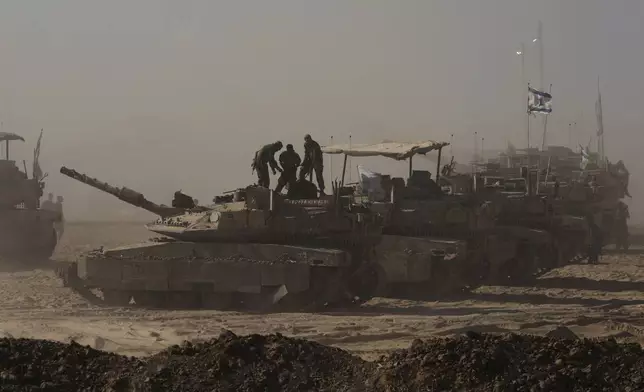
Israeli soldiers stand on the top of a tank parked on an area near the Israeli-Gaza border, as seen from southern Israel, Monday, Aug. 18, 2025. (AP Photo/Maya Levin)
Israeli soldiers stand on the top of a tank parked on an area near the Israeli-Gaza border, as seen from southern Israel, Monday, Aug. 18, 2025. (AP Photo/Maya Levin)

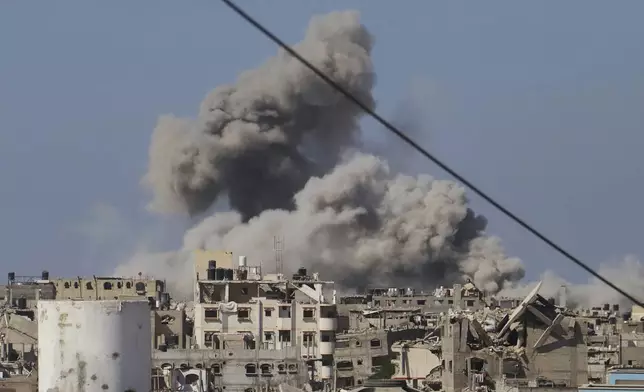
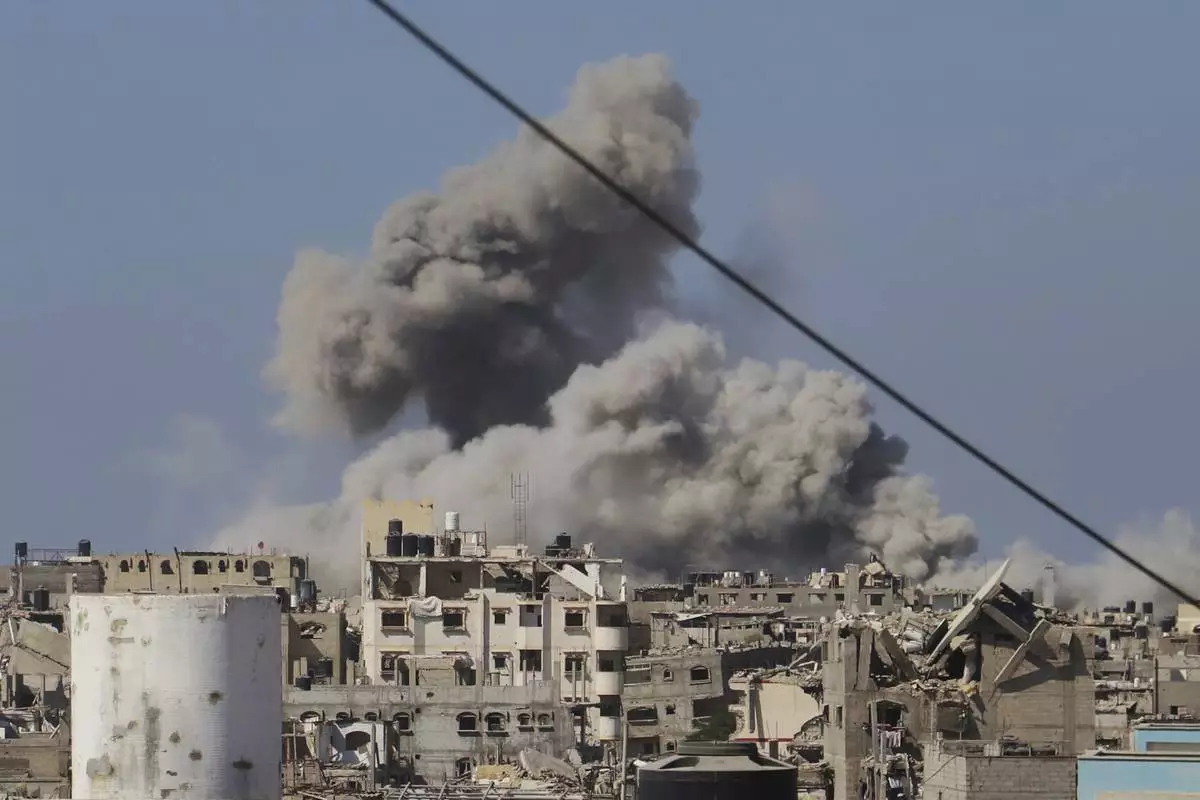
Smoke rises to the sky following an Israeli army airstrike in Khan Younis, in the Gaza Strip, Monday, Aug. 18, 2025. (AP Photo/Mariam Dagga)
Smoke rises to the sky following an Israeli army airstrike in Khan Younis, in the Gaza Strip, Monday, Aug. 18, 2025. (AP Photo/Mariam Dagga)

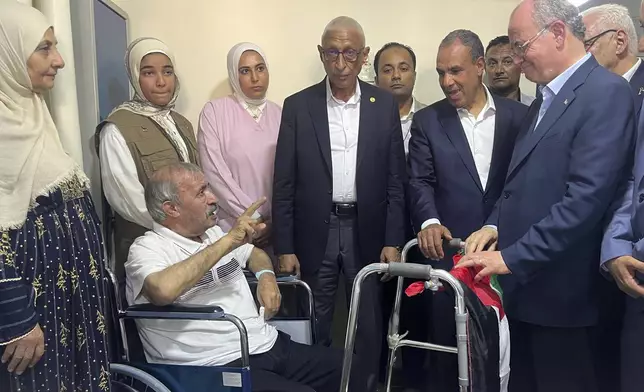
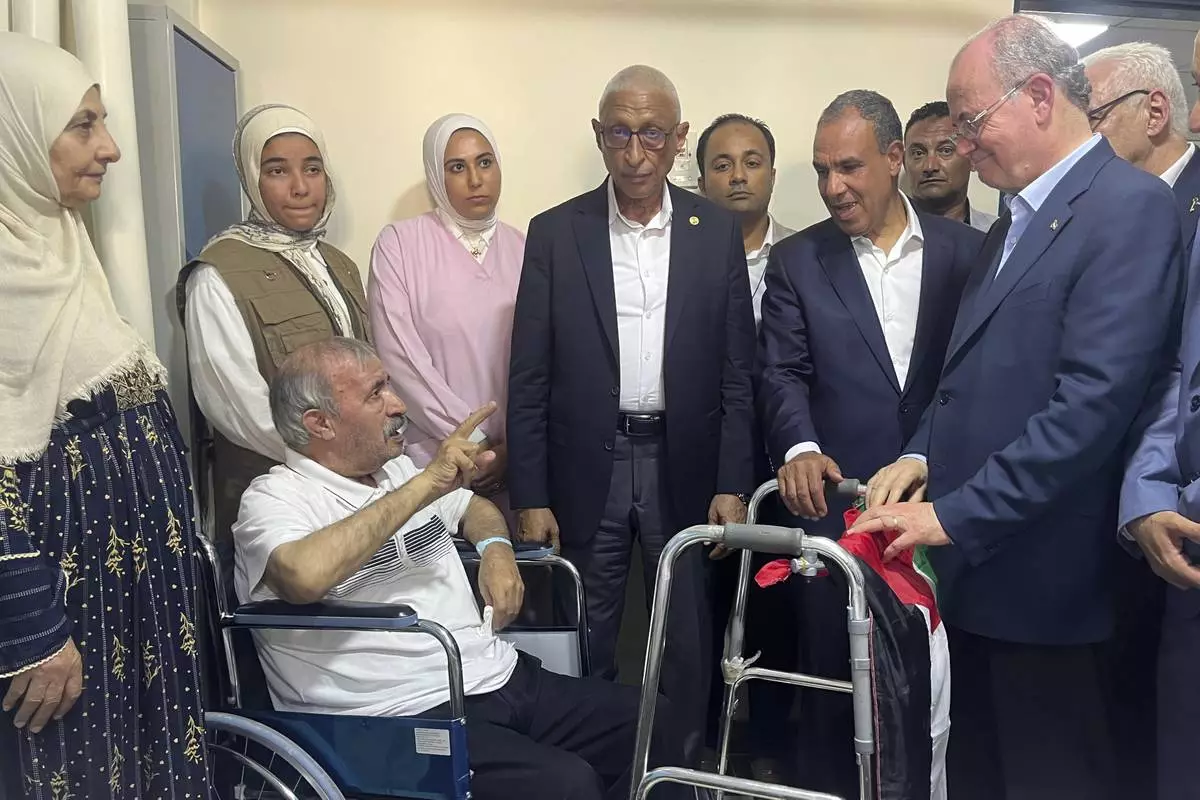
Palestinian Prime Minister Mohammed Mustafa, right, and Egyptian Foreign Minister Badr Abdelatty, second right, visit Palestinian Mohammed Abu Dakkah, from Gaza Strip, who receives medical care at Arish hospital, in Arish, Egypt, Monday, Aug. 18, 2025. (AP Photo/Mohamed Arafat)
Palestinian Prime Minister Mohammed Mustafa, right, and Egyptian Foreign Minister Badr Abdelatty, second right, visit Palestinian Mohammed Abu Dakkah, from Gaza Strip, who receives medical care at Arish hospital, in Arish, Egypt, Monday, Aug. 18, 2025. (AP Photo/Mohamed Arafat)

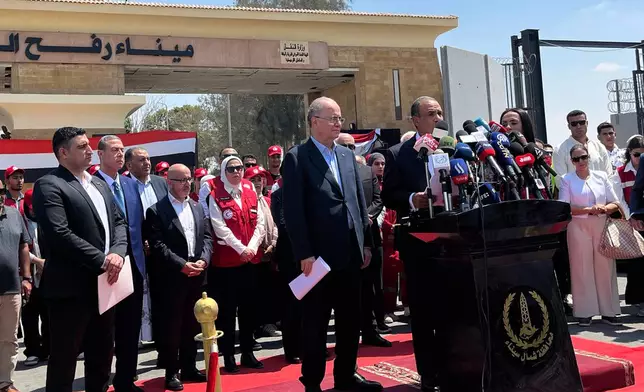
Palestinian Prime Minister Mohammed Mustafa, left on podium, and Egyptian Foreign Minister Badr Abdelatty, center on podium, attend a press conference during their visit to Rafah crossing between Egypt and the Gaza Strip, Monday, Aug. 18, 2025. (AP Photo/Mayar Mokhtar)
Palestinian Prime Minister Mohammed Mustafa, left on podium, and Egyptian Foreign Minister Badr Abdelatty, center on podium, attend a press conference during their visit to Rafah crossing between Egypt and the Gaza Strip, Monday, Aug. 18, 2025. (AP Photo/Mayar Mokhtar)

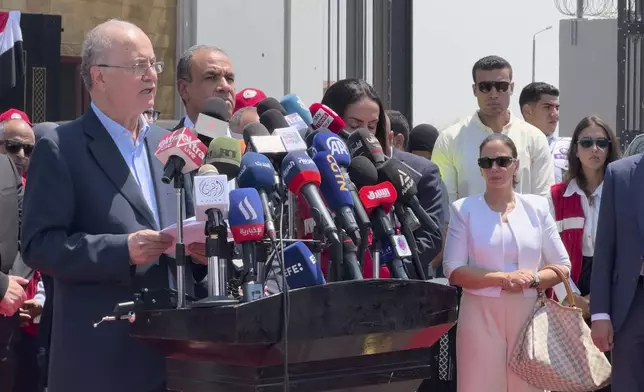
Palestinian Prime Minister Mohammed Mustafa, left on podium, and Egyptian Foreign Minister Badr Abdelatty, attend a press conference during their visit to Rafah crossing between Egypt and the Gaza Strip, Monday, Aug. 18, 2025. (AP Photo/Mohamed Arafat)
Palestinian Prime Minister Mohammed Mustafa, left on podium, and Egyptian Foreign Minister Badr Abdelatty, attend a press conference during their visit to Rafah crossing between Egypt and the Gaza Strip, Monday, Aug. 18, 2025. (AP Photo/Mohamed Arafat)

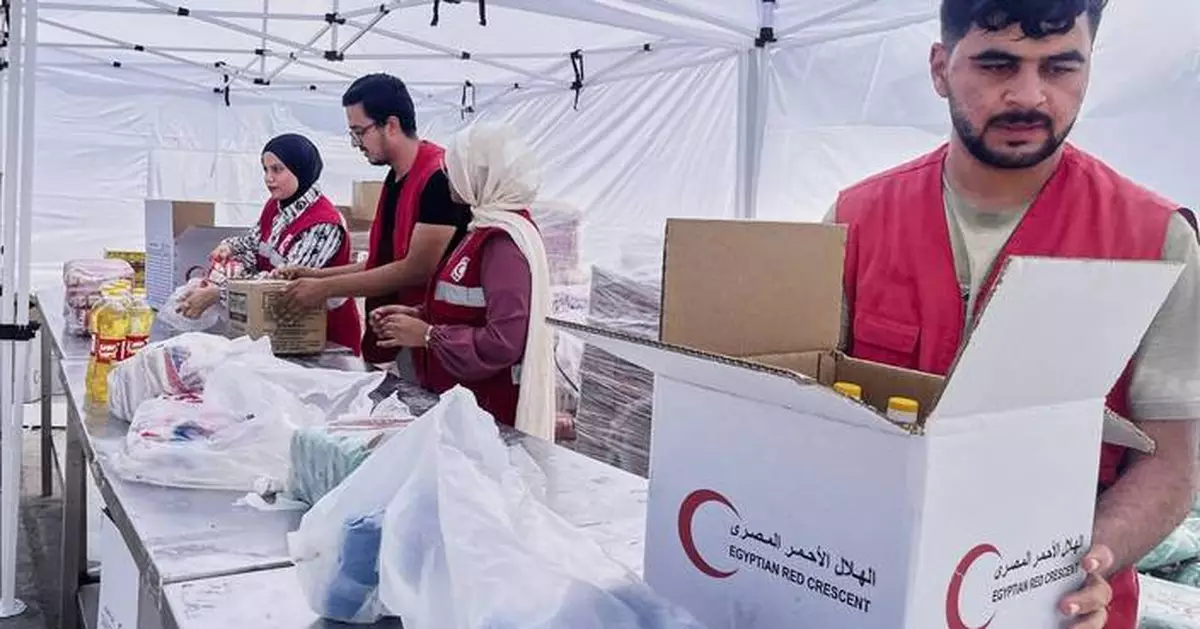
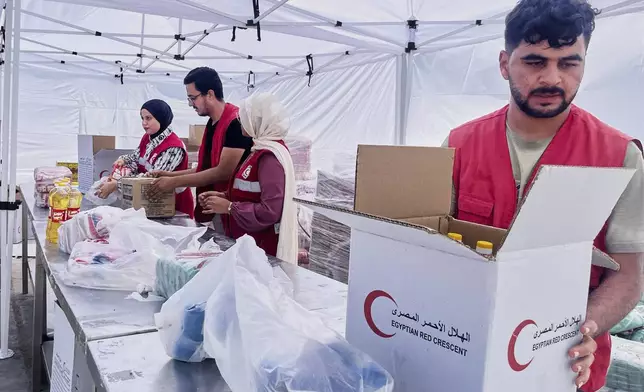
Egyptian Red Crecent members prepare humanitarian aid at their warehouse in the logistical center supporting Gaza, at Sheikh Zuweid, Egypt, Monday, Aug. 18, 2025. (AP Photo/Mayar Mokhtar)

Egyptian Red Crecent members prepare humanitarian aid at their warehouse in the logistical center supporting Gaza, at Sheikh Zuweid, Egypt, Monday, Aug. 18, 2025. (AP Photo/Mayar Mokhtar)

Israel announced plans to reoccupy Gaza City and other heavily populated areas after ceasefire talks appeared to break down last month, raising the possibility of a worsening humanitarian catastrophe in Gaza, which experts say is sliding into famine.

Plans to expand the offensive, in part aimed at pressuring Hamas, have sparked international outrage and infuriated many Israelis who fear for the remaining hostages taken in the Oct. 7, 2023, attack that started the war. Hundreds of thousands took part in mass protests on Sunday calling for their return.

Egyptian Foreign Minister Badr Abdelatty said mediators are “exerting extensive efforts” to revive a U.S. proposal for a 60-day ceasefire, during which some of the remaining 50 hostages would be released and the sides would negotiate a lasting ceasefire and the return of the rest.

Abdelatty told The Associated Press they are inviting U.S. envoy Steve Witkoff to join the ceasefire talks.

Abdelatty spoke to journalists during a visit to Egypt's Rafah crossing with Gaza, which has not functioned since Israel seized the Palestinian side in May 2024. He was accompanied by Mohammad Mustafa, the prime minister of the Palestinian Authority, which has been largely sidelined since the war began.

Abdelatty said Qatari Prime Minister Sheikh Mohammed bin Abdulrahman Al Thani had joined the talks, which include senior Hamas leader Khalil al-Hayya, who arrived in Cairo last week. Abdelatty said they are open to other ideas, including for a comprehensive deal that would release all the hostages at once.

Bassem Naim, a senior Hamas official, told the AP that the militant group had accepted the proposal introduced by the mediators, without elaborating.

An Egyptian official, speaking to the AP on condition of anonymity to discuss the talks, said the proposal includes changes to Israel's pullback of its forces and guarantees for negotiations on a lasting ceasefire during the initial truce. The official said it is almost identical to an earlier proposal accepted by Israel, which has not yet joined the latest talks.

Diaa Rashwan, head of the Egypt State Information Service, told the AP that Egypt and Qatar have sent the Hamas-accepted proposal to Israel.

An Israeli official said Israel’s positions, including on the release of all hostages, had not changed from previous rounds of talks. The official spoke on condition of anonymity because they were not authorized to speak with the media.

Prime Minister Benjamin Netanyahu has vowed to continue the war until all the hostages are returned and Hamas has been disarmed, and to maintain lasting security control over Gaza. Hamas has said it will only release the remaining hostages in exchange for a lasting ceasefire and an Israeli withdrawal.

Netanyahu said in a video addressing the Israeli public that reports of Hamas’ acceptance of the proposal showed that it is “under massive pressure.”

Hamas-led militants abducted 251 people and killed around 1,200, mostly civilians, in the attack that ignited the war. Around 20 of the hostages still in Gaza are believed by Israel to be alive, after most of the rest were released in ceasefires or other deals.

Gaza's Health Ministry said the Palestinian death toll from the war had climbed to 62,004, with another 156,230 people wounded. It does not say how many were civilians or combatants, but says women and children make up around half the dead.

The ministry is part of the Hamas-run government and staffed by medical professionals. The U.N. and many independent experts consider its figures to be the most reliable estimate of wartime casualties. Israel disputes its toll but has not provided its own.

The ministry said 1,965 people have been killed while seeking humanitarian aid since May, either in the chaos around U.N. convoys or while heading to sites operated by the Gaza Humanitarian Foundation, an Israeli-backed American contractor.

Witnesses, health officials and the U.N. human rights office say Israeli forces have repeatedly fired toward crowds seeking aid. Israel says it has only fired warning shots at people who approached its forces. GHF says its armed contractors have only used pepper spray or fired into the air on rare occasions to prevent deadly crowding.

Experts have warned that Israel's ongoing offensive is pushing Gaza toward famine, even after it eased a complete 2 1/2-month blockade on the territory in May. Gaza's Health Ministry said Monday that five more people, including two children, died of malnutrition-related causes.

It says at least 112 children have died of malnutrition-related causes since the war began, and 151 adults have died since the ministry started tracking adult malnutrition deaths in June.

Amnesty International on Monday accused Israel of “carrying out a deliberate campaign of starvation."

Israel has rejected such allegations, saying it allows in enough food and accusing the U.N. of failing to promptly deliver it. U.N. agencies say they are hindered by Israeli restrictions and the breakdown of law and order in the territory, around three-quarters of which is now controlled by Israel.

Magdy reported from Cairo and Lidman reported from Tel Aviv, Israel. Associated Press writers Edith Lederer at the United Nations and Rod McGuirk in Canberra, Australia contributed to this report.

Follow AP’s war coverage at https://apnews.com/hub/israel-hamas-war
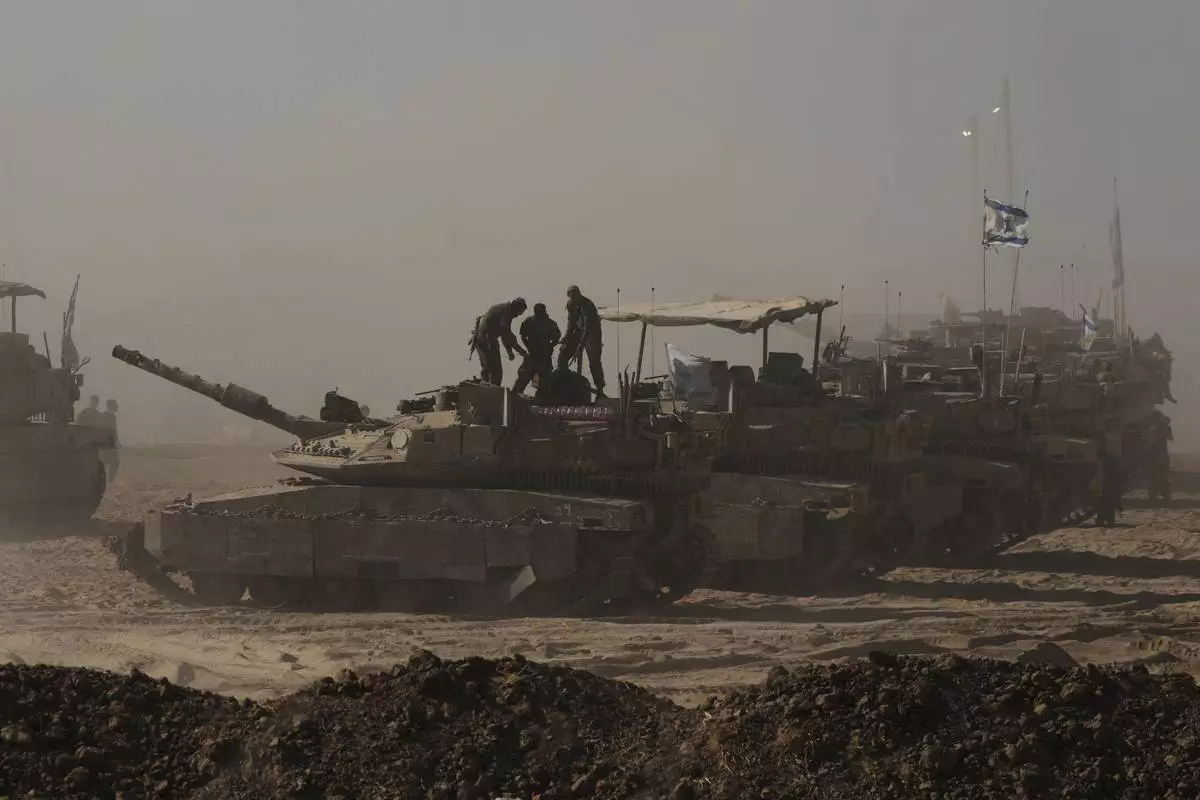
Israeli soldiers stand on the top of a tank parked on an area near the Israeli-Gaza border, as seen from southern Israel, Monday, Aug. 18, 2025. (AP Photo/Maya Levin)
Israeli soldiers stand on the top of a tank parked on an area near the Israeli-Gaza border, as seen from southern Israel, Monday, Aug. 18, 2025. (AP Photo/Maya Levin)

Smoke rises to the sky following an Israeli army airstrike in Khan Younis, in the Gaza Strip, Monday, Aug. 18, 2025. (AP Photo/Mariam Dagga)
Smoke rises to the sky following an Israeli army airstrike in Khan Younis, in the Gaza Strip, Monday, Aug. 18, 2025. (AP Photo/Mariam Dagga)

Palestinian Prime Minister Mohammed Mustafa, right, and Egyptian Foreign Minister Badr Abdelatty, second right, visit Palestinian Mohammed Abu Dakkah, from Gaza Strip, who receives medical care at Arish hospital, in Arish, Egypt, Monday, Aug. 18, 2025. (AP Photo/Mohamed Arafat)
Palestinian Prime Minister Mohammed Mustafa, right, and Egyptian Foreign Minister Badr Abdelatty, second right, visit Palestinian Mohammed Abu Dakkah, from Gaza Strip, who receives medical care at Arish hospital, in Arish, Egypt, Monday, Aug. 18, 2025. (AP Photo/Mohamed Arafat)

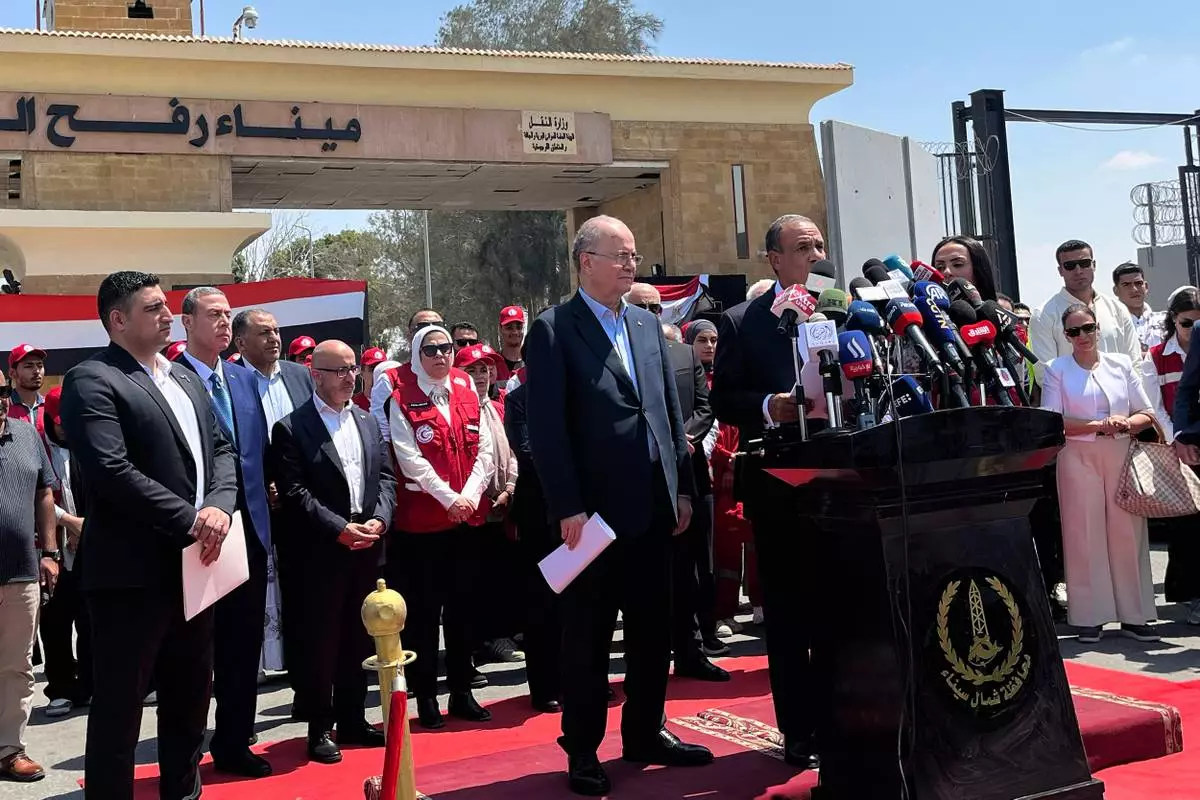
Palestinian Prime Minister Mohammed Mustafa, left on podium, and Egyptian Foreign Minister Badr Abdelatty, center on podium, attend a press conference during their visit to Rafah crossing between Egypt and the Gaza Strip, Monday, Aug. 18, 2025. (AP Photo/Mayar Mokhtar)
Palestinian Prime Minister Mohammed Mustafa, left on podium, and Egyptian Foreign Minister Badr Abdelatty, center on podium, attend a press conference during their visit to Rafah crossing between Egypt and the Gaza Strip, Monday, Aug. 18, 2025. (AP Photo/Mayar Mokhtar)

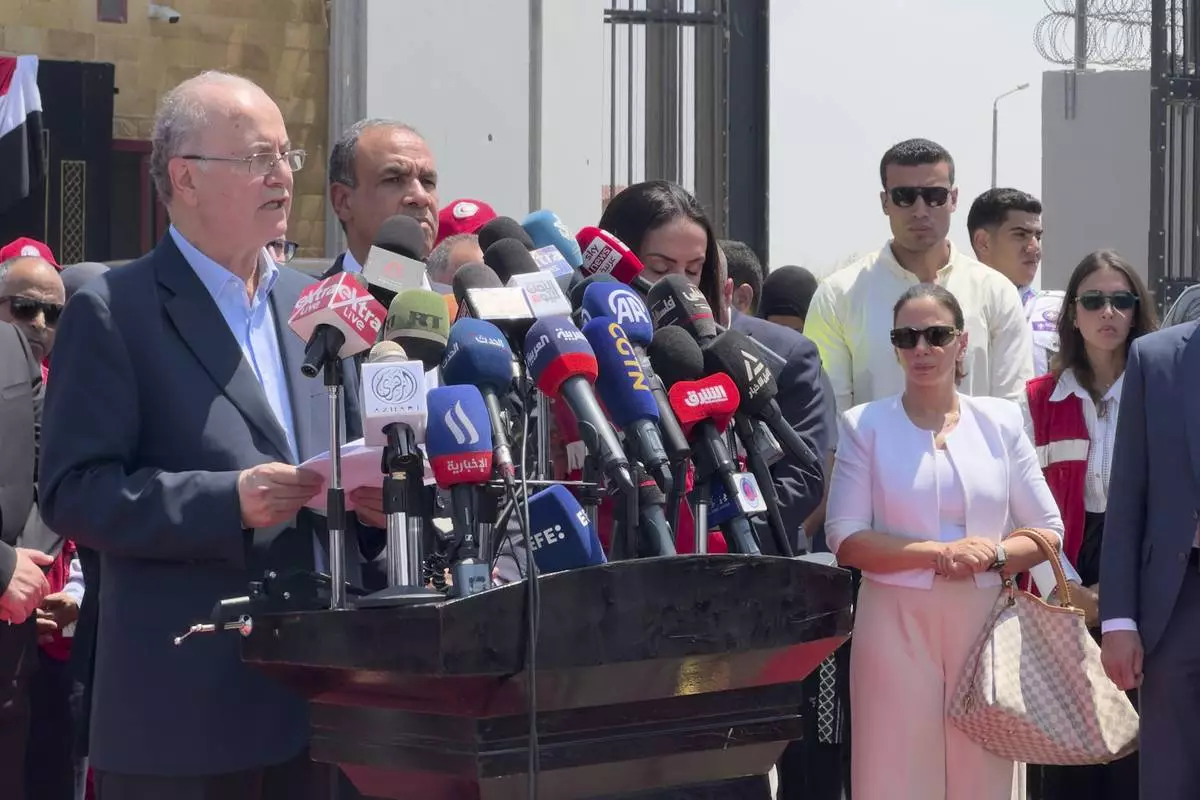
Palestinian Prime Minister Mohammed Mustafa, left on podium, and Egyptian Foreign Minister Badr Abdelatty, attend a press conference during their visit to Rafah crossing between Egypt and the Gaza Strip, Monday, Aug. 18, 2025. (AP Photo/Mohamed Arafat)
Palestinian Prime Minister Mohammed Mustafa, left on podium, and Egyptian Foreign Minister Badr Abdelatty, attend a press conference during their visit to Rafah crossing between Egypt and the Gaza Strip, Monday, Aug. 18, 2025. (AP Photo/Mohamed Arafat)

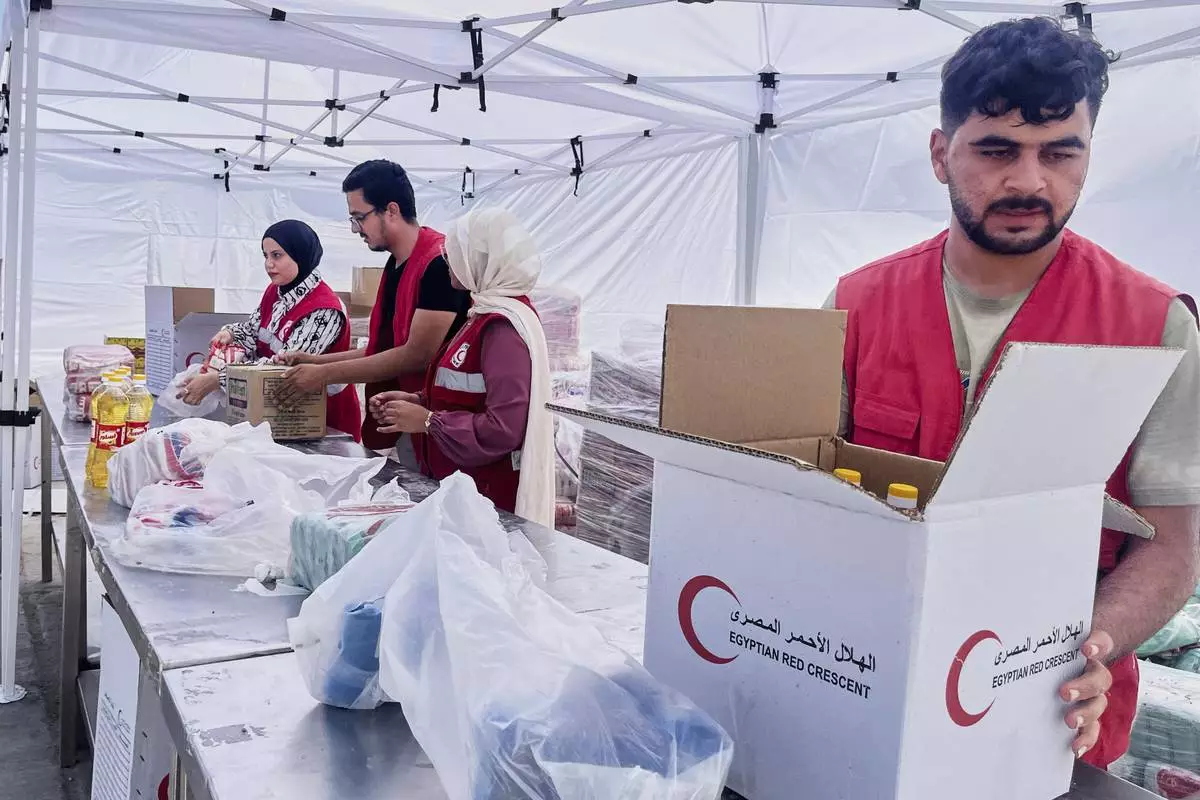
Egyptian Red Crecent members prepare humanitarian aid at their warehouse in the logistical center supporting Gaza, at Sheikh Zuweid, Egypt, Monday, Aug. 18, 2025. (AP Photo/Mayar Mokhtar)
Egyptian Red Crecent members prepare humanitarian aid at their warehouse in the logistical center supporting Gaza, at Sheikh Zuweid, Egypt, Monday, Aug. 18, 2025. (AP Photo/Mayar Mokhtar)
MADRID (AP) — Venezuelans living in Spain are watching the events unfold back home with a mix of awe, joy and fear.

Some 600,000 Venezuelans live in Spain, home to the largest population anywhere outside the Americas. Many fled political persecution and violence but also the country’s collapsing economy.

A majority live in the capital, Madrid, working in hospitals, restaurants, cafes, nursing homes and elsewhere. While some Venezuelan migrants have established deep roots and lives in the Iberian nation, others have just arrived.

Here is what three of them had to say about the future of Venezuela since U.S. forces deposed Nicolás Maduro.

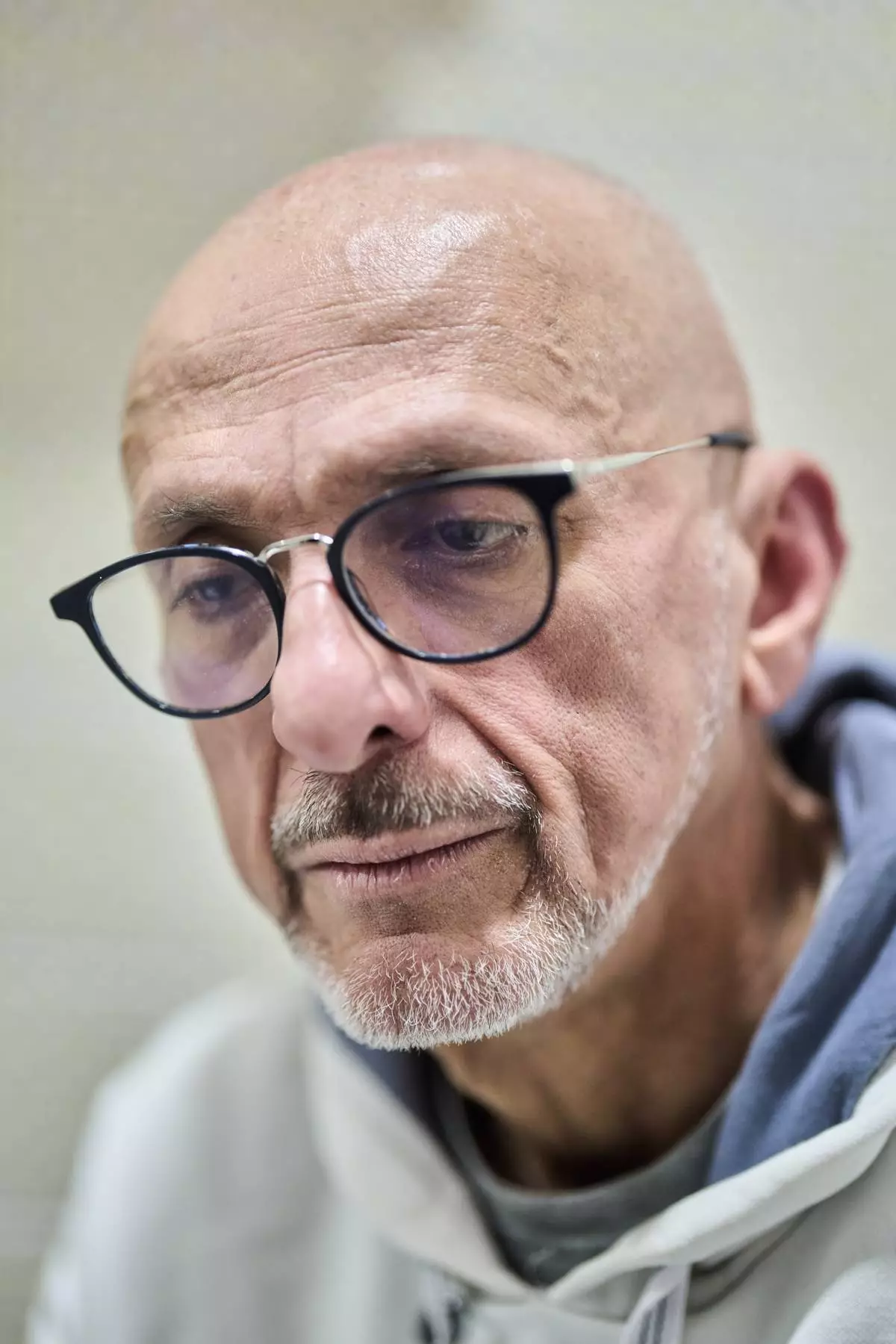
David Vallenilla woke up to text messages from a cousin on Jan. 3 informing him “that they invaded Venezuela.” The 65-year-old from Caracas lives alone in a tidy apartment in the south of Madrid with two Daschunds and a handful of birds. He was in disbelief.

“In that moment, I wanted certainty,” Vallenilla said, “certainty about what they were telling me.”

In June 2017, Vallenilla’s son, a 22-year-old nursing student in Caracas named David José, was shot point-blank by a Venezuelan soldier after taking part in a protest near a military air base in the capital. He later died from his injuries. Video footage of the incident was widely publicized, turning his son’s death into an emblematic case of the Maduro government’s repression against protesters that year.

After demanding answers for his son’s death, Vallenilla, too, started receiving threats and decided two years later to move to Spain with the help of a nongovernmental organization.

On the day of Maduro’s capture, Vallenilla said his phone was flooded with messages about his son.

“Many told me, ‘Now David will be resting in peace. David must be happy in heaven,’” he said. “But don't think it was easy: I spent the whole day crying.”

Vallenilla is watching the events in Venezuela unfold with skepticism but also hope. He fears more violence, but says he has hope the Trump administration can effect the change that Venezuelans like his son tried to obtain through elections, popular protests and international institutions.

“Nothing will bring back my son. But the fact that some justice has begun to be served for those responsible helps me see a light at the end of the tunnel. Besides, I also hope for a free Venezuela.”

Journalist Carleth Morales first came to Madrid a quarter-century ago when Hugo Chávez was reelected as Venezuela's president in 2000 under a new constitution.

The 54-year-old wanted to study and return home, taking a break of sorts in Madrid as she sensed a political and economic environment that was growing more and more challenging.

“I left with the intention of getting more qualified, of studying, and of returning because I understood that the country was going through a process of adaptation between what we had known before and, well, Chávez and his new policies," Morales said. "But I had no idea that we were going to reach the point we did.”

In 2015, Morales founded an organization of Venezuelan journalists in Spain, which today has hundreds of members.

The morning U.S. forces captured Maduro, Morales said she woke up to a barrage of missed calls from friends and family in Venezuela.

“Of course, we hope to recover a democratic country, a free country, a country where human rights are respected,” Morales said. “But it’s difficult to think that as a Venezuelan when we’ve lived through so many things and suffered so much.”

Morales sees it as unlikely that she would return home, having spent more than two decades in Spain, but she said she hopes her daughters can one day view Venezuela as a viable option.

“I once heard a colleague say, ‘I work for Venezuela so that my children will see it as a life opportunity.’ And I adopted that phrase as my own. So perhaps in a few years it won’t be me who enjoys a democratic Venezuela, but my daughters.”

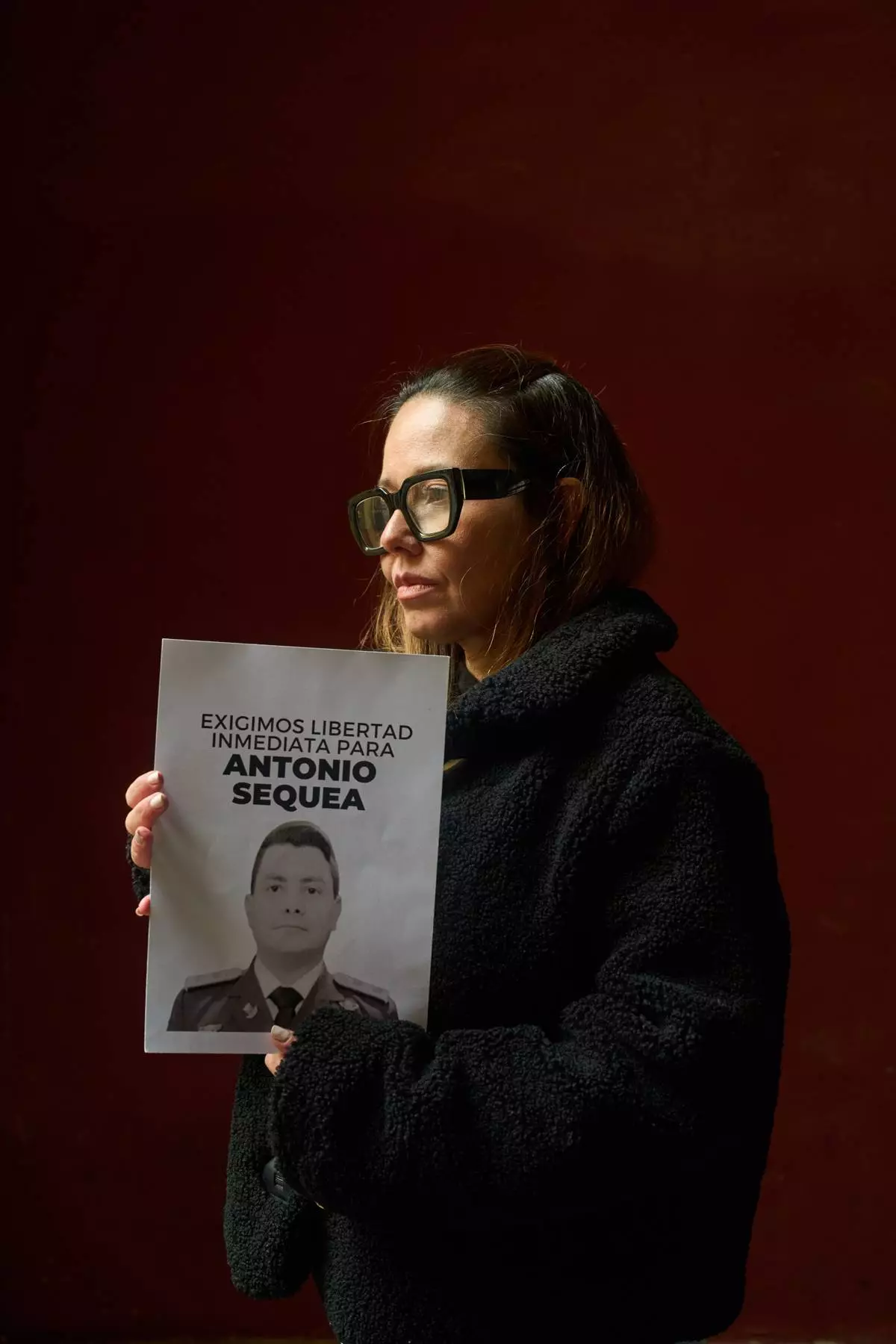
For two weeks, Verónica Noya has waited for her phone to ring with the news that her husband and brother have been freed.

Noya’s husband, Venezuelan army Capt. Antonio Sequea, was imprisoned in 2020 after having taken part in a military incursion to oust Maduro. She said he remains in solitary confinement in the El Rodeo prison in Caracas. For 20 months, Noya has been unable to communicate with him or her brother, who was also arrested for taking part in the same plot.

“That’s when my nightmare began,” Noya said.

Venezuelan authorities have said hundreds of political prisoners have been released since Maduro's capture, while rights groups have said the real number is a fraction of that. Noya has waited in agony to hear anything about her four relatives, including her husband's mother, who remain imprisoned.

Meanwhile, she has struggled with what to tell her children when they ask about their father's whereabouts. They left Venezuela scrambling and decided to come to Spain because family roots in the country meant that Noya already had a Spanish passport.

Still, she hopes to return to her country.

“I’m Venezuelan above all else,” Noya said. “And I dream of seeing a newly democratic country."

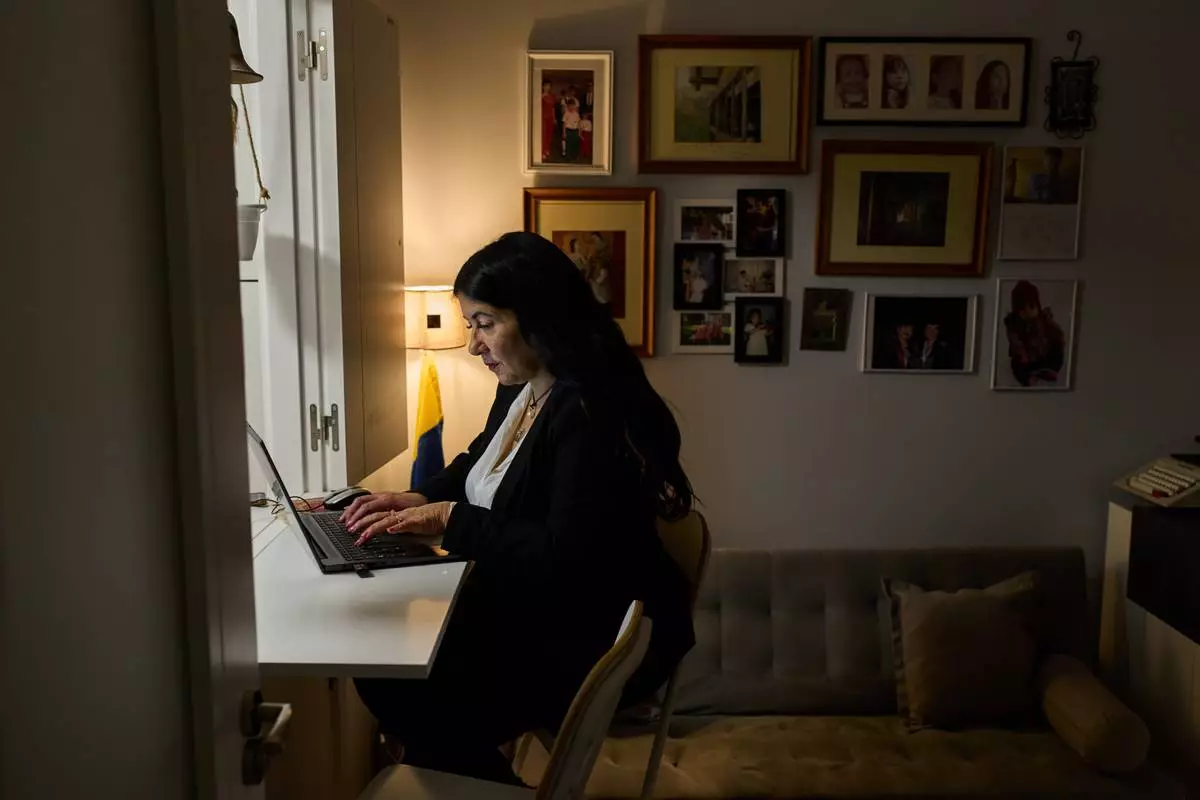
Venezuelan journalist Caleth Morales works in her apartment's kitchen in Madrid, Wednesday, Jan. 14, 2026. (AP Photo/Bernat Armangue)

Venezuelan journalist Caleth Morales works in her apartment's kitchen in Madrid, Wednesday, Jan. 14, 2026. (AP Photo/Bernat Armangue)

David Vallenilla, father of the late David José Vallenilla Luis, sits in his apartment's kitchen in Madrid, Tuesday, Jan. 13, 2026. (AP Photo/Bernat Armangue)

David Vallenilla, father of the late David José Vallenilla Luis, sits in his apartment's kitchen in Madrid, Tuesday, Jan. 13, 2026. (AP Photo/Bernat Armangue)

Veronica Noya holds a picture of her husband Antonio Sequea in Madrid, Thursday, Jan. 15, 2026. (AP Photo/Bernat Armangue)

Veronica Noya holds a picture of her husband Antonio Sequea in Madrid, Thursday, Jan. 15, 2026. (AP Photo/Bernat Armangue)

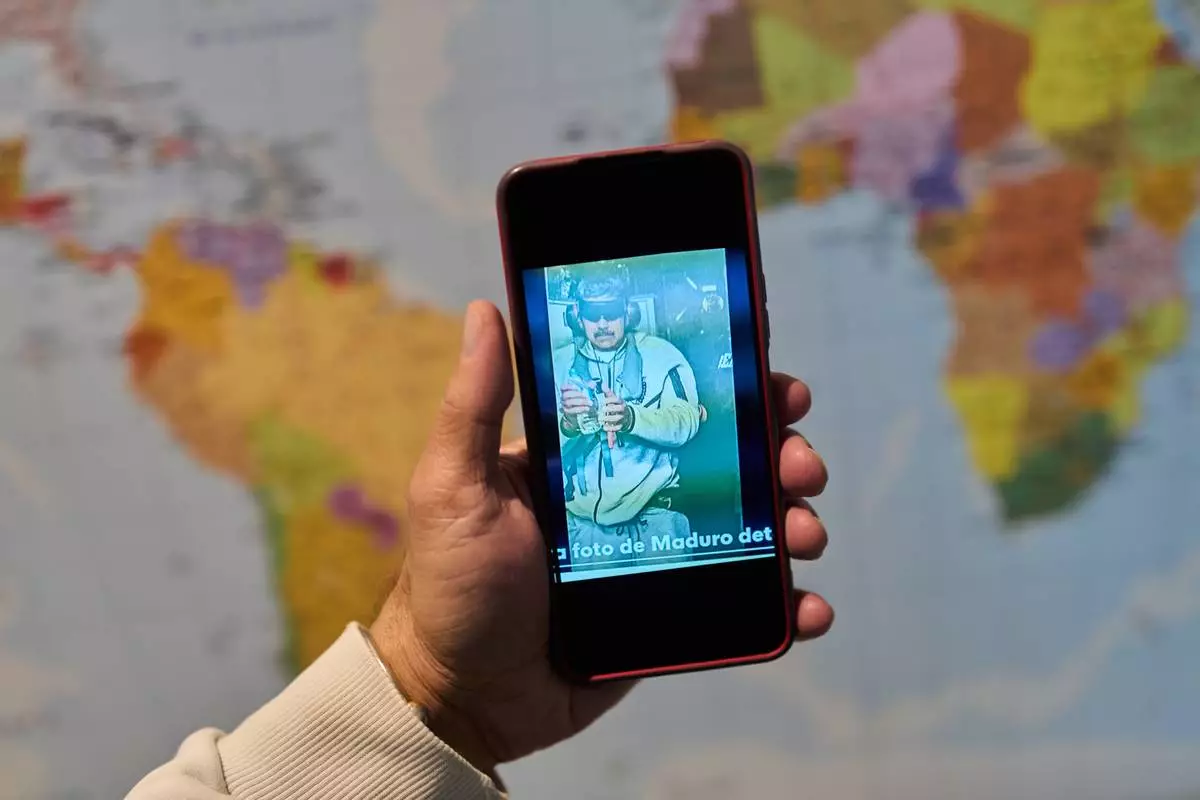
David Vallenilla holds a picture of deposed President Nicolas Maduro, blindfolded and handcuffed, during an interview with The Associated Press at his home in Madrid, Tuesday, Jan. 13, 2026. (AP Photo/Bernat Armangue)

David Vallenilla holds a picture of deposed President Nicolas Maduro, blindfolded and handcuffed, during an interview with The Associated Press at his home in Madrid, Tuesday, Jan. 13, 2026. (AP Photo/Bernat Armangue)

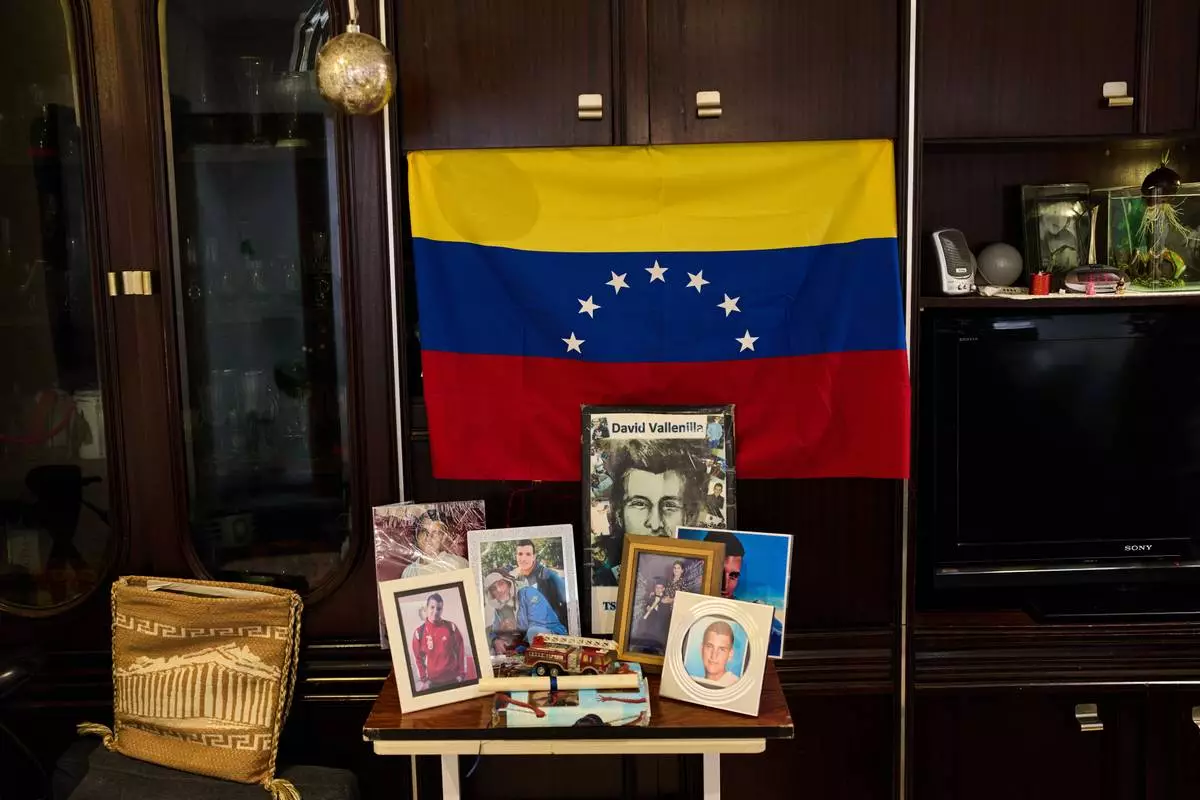
Pictures of the late David José Vallenilla Luis are placed in the living room of his father, David José Vallenilla, in Madrid, Tuesday, Jan. 13, 2026. (AP Photo/Bernat Armangue)

Pictures of the late David José Vallenilla Luis are placed in the living room of his father, David José Vallenilla, in Madrid, Tuesday, Jan. 13, 2026. (AP Photo/Bernat Armangue)

Recommended Articles