New U.S. tariffs threaten Brazil's export of acai, a small berry known for its high antioxidant content and hailed as a "superfruit", disrupting supply chains and impacting riverside communities.
Fifty-percent import tariffs targeting various Brazilian goods, including acai, came into effect in early August. This policy delivers a heavy blow, with the United States standing as Brazil's largest importer of acai.
Amapa state, located in northern Brazil and part of the Amazon River basin, is home to the Amazonbai cooperative, which collaborates with over 150 local growers. The cooperative purchases about 500 tons of acai annually, with 60 percent of that quantity exported to the U.S.
Paulo Edilson, a seasoned local grower, expressed concerns that supply chain disruptions may jeopardize both prices and livelihoods for countless families.
"It has already affected us because today Amapa has a lot of acaí to sell. With this difficulty, large factories will stop buying. This will leave excess product in the market, which tends to lower prices and reduce the economic potential for families," he said.
Amiraldo Picanço, president of the Amazonbai cooperative, highlighted the challenges brought on by the new tariffs. Serving 25 riverside communities, the cooperative faces a tight 24-hour window to process acai after harvest. During peak season, they rely on a coordinated cold chain system to transport the fruit to the state capital, prepare it for export, and ultimately ship it through Santos port to the U.S. - a logistics cycle spanning 40 days. The recently imposed tariffs have thrown this intricate operation into disarray.
Industry insiders estimate that the U.S. tariffs could jeopardize the livelihoods of thousands of families in northern Brazil reliant on the acai industry. In nearby Para state, around 300,000 workers may be affected, experts warned.
In response to these challenges, the cooperative is actively seeking new markets.
"Our strategy now is to try to direct the product we have in stock to other markets in Europe. We are also trying to enter other markets in Asia, specifically China and Japan. The acai pulp and acai powder are the two products in demand today, especially in the Chinese market," said Picanço.
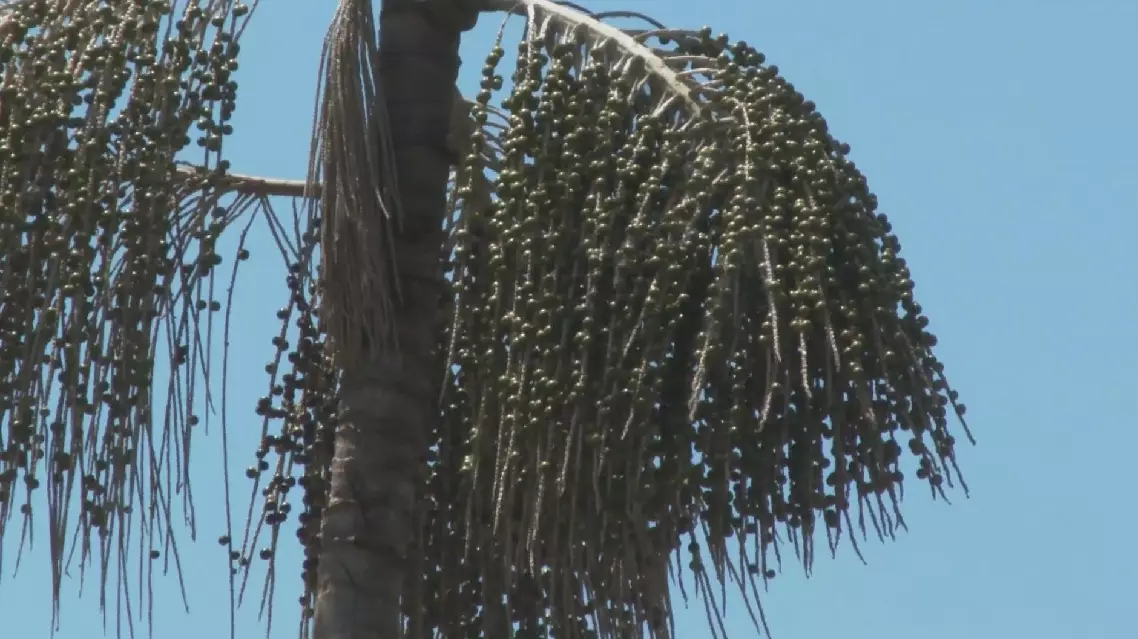
Brazil's acai exporters turn to other markets after US tariffs hit
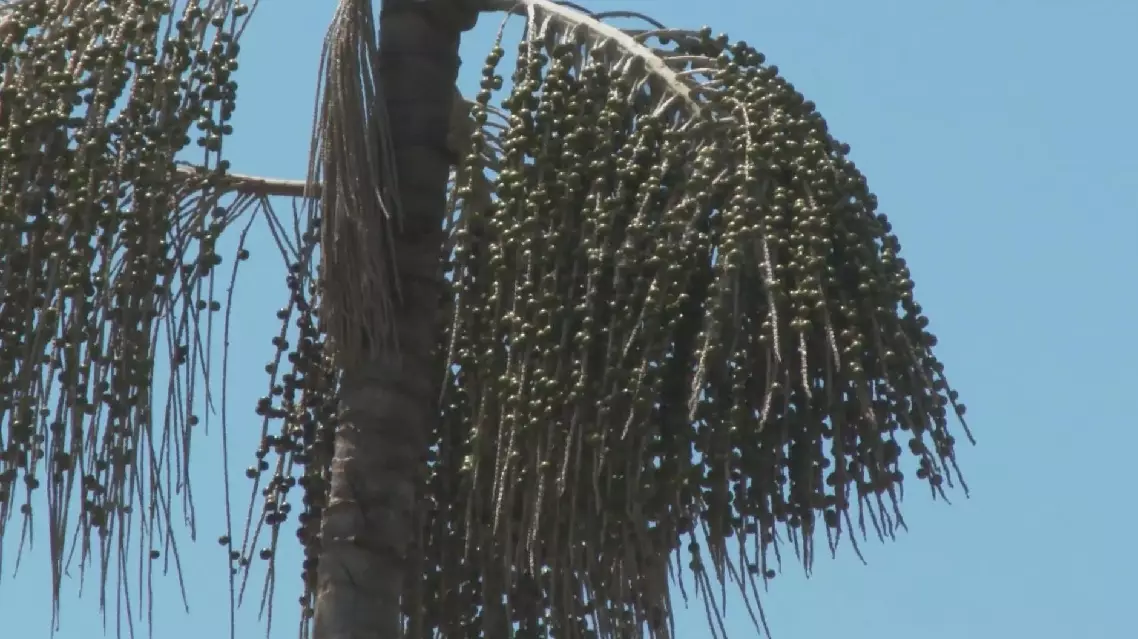
Brazil's acai exporters turn to other markets after US tariffs hit