Skip to Content Facebook Feature Image

Hong Kong Investigates First Imported Case of Japanese Encephalitis This Year, Urges Mosquito Control Measures.

HK

Hong Kong Investigates First Imported Case of Japanese Encephalitis This Year, Urges Mosquito Control Measures.
HK

HK

Hong Kong Investigates First Imported Case of Japanese Encephalitis This Year, Urges Mosquito Control Measures.

2025-08-20 21:38 Last Updated At:21:48

CHP investigates imported case of Japanese encephalitis

The Centre for Health Protection (CHP) of the Department of Health is investigating today (August 20) an imported case of Japanese encephalitis (JE) and urged the public to take proper mosquito control and personal protective measures when travelling to JE endemic areas.

The case involves a 49-year-old female living in Shatin District. Initial investigations revealed that she travelled to the Philippines between July 21 and August 4, and visited rural areas there. She returned to Hong Kong on August 4 and developed fever, headache and vomiting since August 10. She attended the Accident and Emergency Department of Prince of Wales Hospital on August 12 but did not require hospitalisation. As her symptoms persisted, she attended the hospital again on August 14 and was admitted to the hospital. She is currently in stable condition.

Her cerebrospinal fluid sample tested positive for immunoglobulin M (IgM) antibodies against JE upon laboratory testing. Since the patient stayed in the Philippines during the incubation period, the CHP considered that she was infected during travel, and the case was classified as an imported one. Her four household contacts are currently asymptomatic and under medical surveillance. The CHP's epidemiological investigations is ongoing and the case will be reported to the health authority of the Philippines.

This is the first JE case recorded in Hong Kong this year, which is an imported case. In the past five years (from 2020 to 2024), no JE cases were recorded in Hong Kong.

JE is mainly transmitted by mosquito and the principal vector is Culex tritaeniorhynchus. It is not transmitted from person to person. Mosquitoes breed in areas where there is a lot of stagnant water, such as rice paddies, and become infected when they bite pigs or wild birds infected with the JE virus. The infected mosquitoes then transmit the virus to humans and animals during biting. JE is prevalent in rural areas of Asia and the Western Pacific Region, especially in hot season. In the subtropics and tropics, transmission can occur year-round, often with a peak during the rainy season.

Symptoms usually start around four to 14 days after being infected. Most patients with JE have mild symptoms, with no significant symptoms other than fever and headache. However, approximately one in every 250 infections is associated with severe illnesses characterised by rapid onset of high fever, headache, neck stiffness, disorientation, coma, seizures, spastic paralysis, and even death.

To prevent JE, the public should take general measures to prevent mosquito bites. Members of the public, especially those planning to travel to JE endemic areas, should take the following measures:

• Consult a doctor at least six weeks before travelling to JE endemic areas, and have extra preventive measures to avoid mosquito bites;

• Travellers planning to stay in JE endemic areas, particularly in rural areas, for one month or longer, or those planning to have significant extensive outdoor or night-time exposure in rural areas during the transmission season of the disease, may consult their family doctor and consider receiving JE vaccination;

• During travel in JE endemic rural areas, bring a portable bed net and apply permethrin (an insecticide) on it. Permethrin should not be applied directly to the skin. Seek medical attention promptly if feeling unwell; and

• Travellers feeling unwell, such as having a fever, should seek medical advice promptly, and provide travel details to the doctor.

The public may visit the CHP'sJE page,tips for using insect repellents, and the CHPFacebook Page,Instagram AccountandYouTube Channel, Travel Health Serviceand also theMosquito Prevention and Control dedicated pageof the Food and Environmental Hygiene Department for more information.
Source: AI-found images
Source: AI-found images

FSD and BD conduct joint inspection and enforcement operation against industrial buildings

In response to earlier media reports on fire safety issues in certain industrial buildings, the Fire Services Department (FSD) and the Buildings Department (BD) are highly concerned about the situation and conducted a joint inspection and enforcement operation targeting industrial buildings from December 29 to 31, 2025, with a view to ensuring public safety.

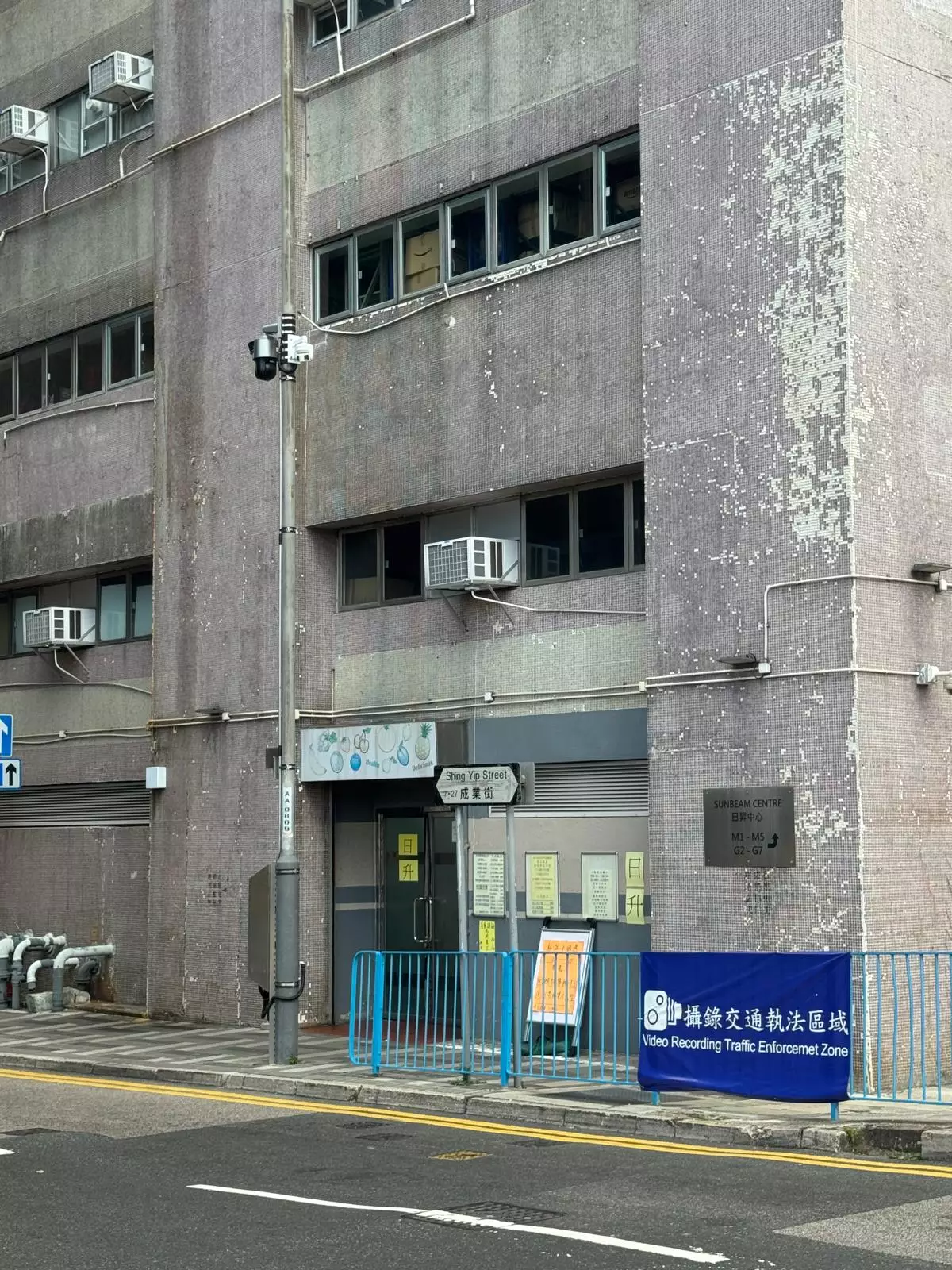
An industrial building in Kwun Tong, Photo by Bastille Post

An industrial building in Kwun Tong, Photo by Bastille Post

The FSD and the BD inspected a total of nine industrial buildings located in various districts in Kowloon and the New Territories during the joint operation. The fire personnel identified a total of 261 irregularities related to various fire hazards, such as obstruction or locking of means of escape, defective or wedged-open smoke stop doors, as well as fire service installations or equipment (FSIs) that were defective or not in efficient working order. The FSD took immediate enforcement action against the persons concerned.

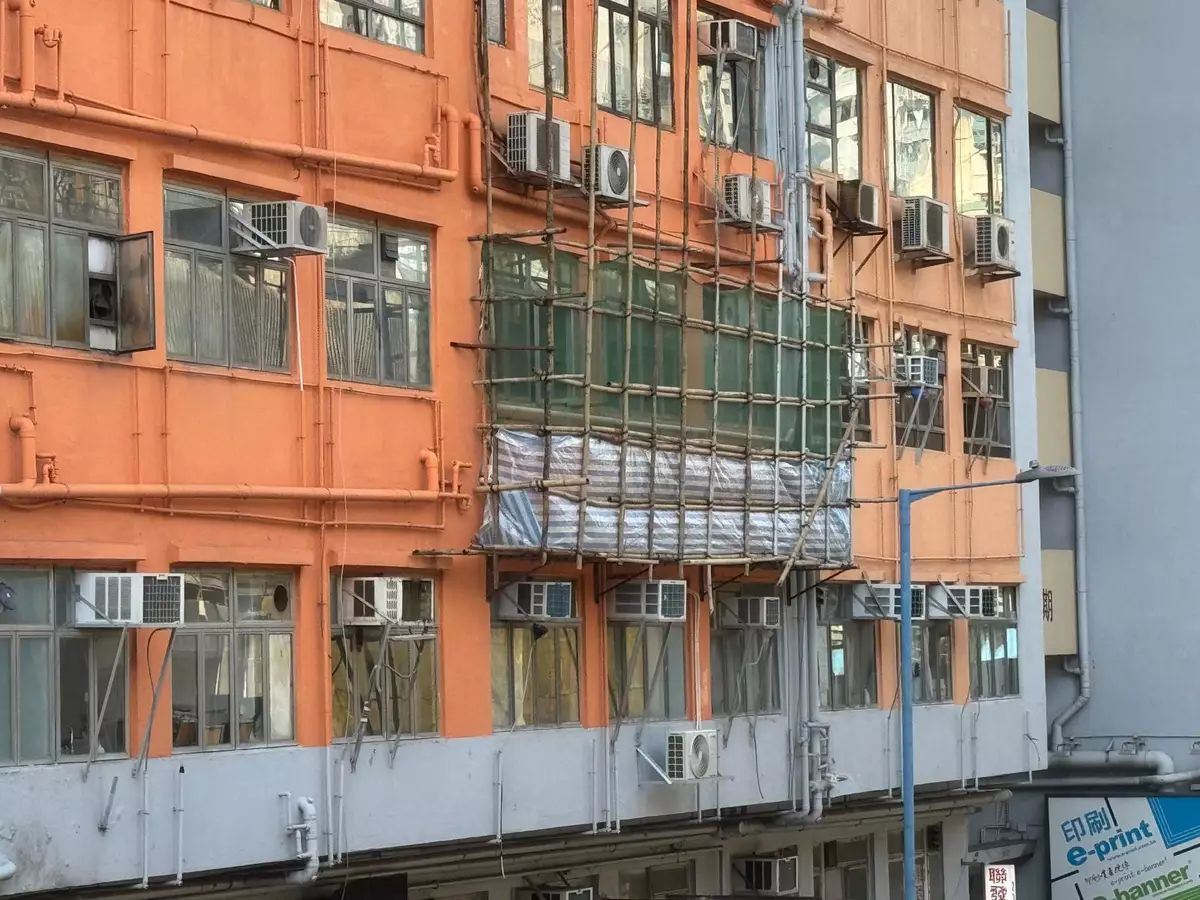
An industrial building in Kwun Tong, Photo by Bastille Post

An industrial building in Kwun Tong, Photo by Bastille Post

Among the cases related to obstruction of means of escape, the FSD instituted three prosecutions and issued 22 Fire Hazard Abatement Notices (FHANs), requiring the persons concerned to abate the fire hazards within a specified period. Should they fail to comply with the requirements of the FHANs within the period, the FSD will institute resolute prosecution. In addition, inspections revealed that some buildings had defective smoke stop doors and FSIs. The FSD will issue FHANs to the persons concerned and continue to take follow-up action.

The Buildings Department (BD), Photo source: reference image

The Buildings Department (BD), Photo source: reference image

The BD identified 13 subdivided flats suspected of being used illegally for domestic purposes. Further investigations are now under way, and letters have been sent to the relevant owners and occupiers asking them to contact the BD as soon as possible to arrange an inspection of their flats. Otherwise, the BD will consider applying for a court warrant to enter the premises for inspection. If it is confirmed that the flats in question have been used for illegal domestic purposes, the BD will take enforcement action in accordance with the Buildings Ordinance, including ordering the cessation of illegal domestic use and rectify the dangerous situations. The BD also identified in the operation that there was dilapidation in the exit staircases of one of the industrial buildings, but no obvious danger to the overall building structure was noted. The BD has issued a repair order to the owners' corporation for conducting the necessary repair work.

The Fire Services Department (FSD), Photo source: reference image

The Fire Services Department (FSD), Photo source: reference image

Apart from inspection and enforcement, the FSD also carried out fire prevention education and publicity at the same time during the operation to enhance fire safety awareness among owners and occupiers of industrial buildings, thereby mitigating fire risk from the source. The BD has also long been promoting building safety and the proper use of buildings through various channels, including distributing themed posters to management offices of industrial buildings for displaying in prominent places to serve as a reminder to owners and occupiers that industrial buildings must not be used illegally for domestic purposes.

Recommended Articles