The Hong Kong Garrison of the Chinese People's Liberation Army completed the 28th rotation on Friday since it began garrisoning Hong Kong in 1997.
Approved by the Central Military Commission, the move is a routine annual rotation in line with the Law of the People's Republic of China on Garrisoning the Hong Kong Special Administrative Region (HKSAR).
The officers and soldiers leaving Hong Kong on rotation had successfully completed all tasks centered on defense during their garrisoning in Hong Kong.
On Friday night, the new PLA Land Force personnel passed through the Huanggang Port border post in south China's Shenzhen City and entered Hong Kong via Lok Ma Chau.
A handover ceremony was held after they arrived at the garrison barracks. After the ceremony, the departing troops returned to the mainland.
"Before the arrival, we have organized targeted learning and training. All officers and soldiers rotating into Hong Kong have the confidence and capability to fulfill our defense duties, make greater contributions to safeguarding national security and Hong Kong's long-term prosperity and stability, and advance the steady and long-term implementation of One Country, Two Systems policy in Hong Kong," said Xu Guoxing, an officer from the Hong Kong Garrison.
On Friday morning, servicemen from the PLA Navy and Air Force departed from the military port and airbase in Shenzhen and Guangzhou, respectively, and completed the rotation and handover after arriving in Hong Kong.
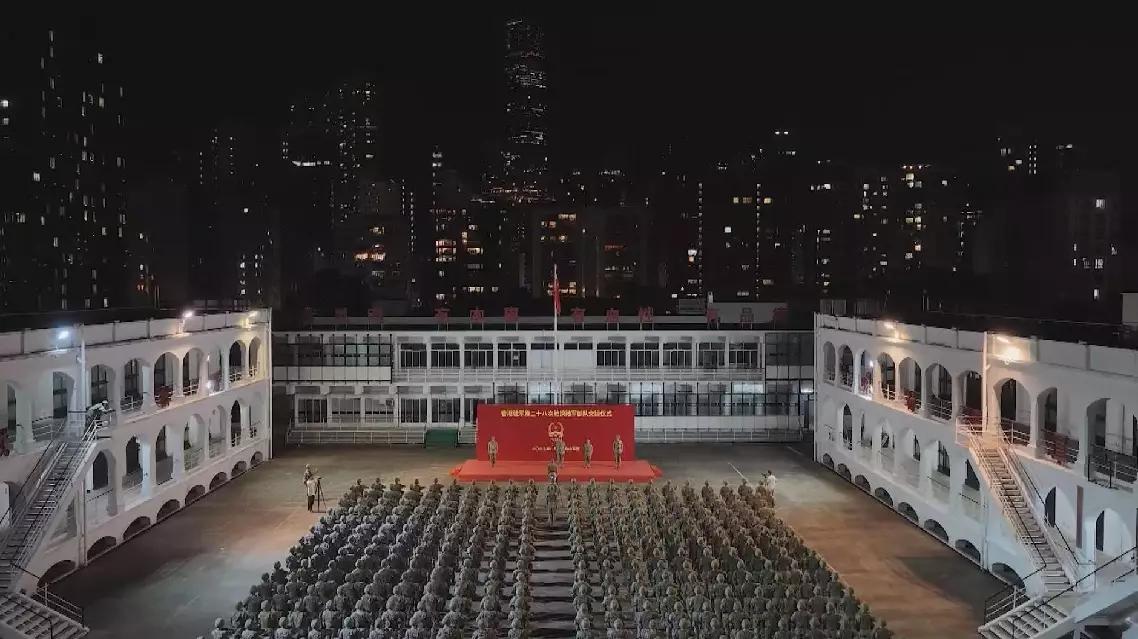
PLA garrison in Hong Kong completes 28th routine rotation
China's futures market recorded robust growth in May, driven by active trading in industrial metals and supported by the country's steady economic recovery, industry data showed on Tuesday.
According to the China Futures Association, the country's futures market recorded a trading volume of 709 million lots in May, up 4.54 percent year on year while its total trading value reached 70.61 trillion yuan (about 10.43 trillion U.S. dollars), an increase of 29.01 percent from a year earlier.
The non-ferrous metals sector remained one of the most active segments of the market. The trading volume of tin futures surged 188.55 percent year on year in May, while copper and aluminum futures rose 20.59 percent and 28.81 percent, respectively.
Performance in the precious metals sector was mixed. The trading volume of silver futures increased 12.55 percent from a year earlier, while the gold futures trading volume fell 54.63 percent.
Market analysts said China's steady economic growth and improving corporate profitability are expected to continue providing fundamental support for the futures market.
"Industrial non-ferrous metal products are supported by demand from the real economy, making market performance relatively resilient. They are suitable for swing trading and hedging strategies that align with industrial fundamentals. Gold, meanwhile, remains constrained by the high-interest-rate environment in the short term and is likely to stay in a pattern of weak fluctuations," said Xu Di, assistant general manager of Guoyuan Futures Co., Ltd.
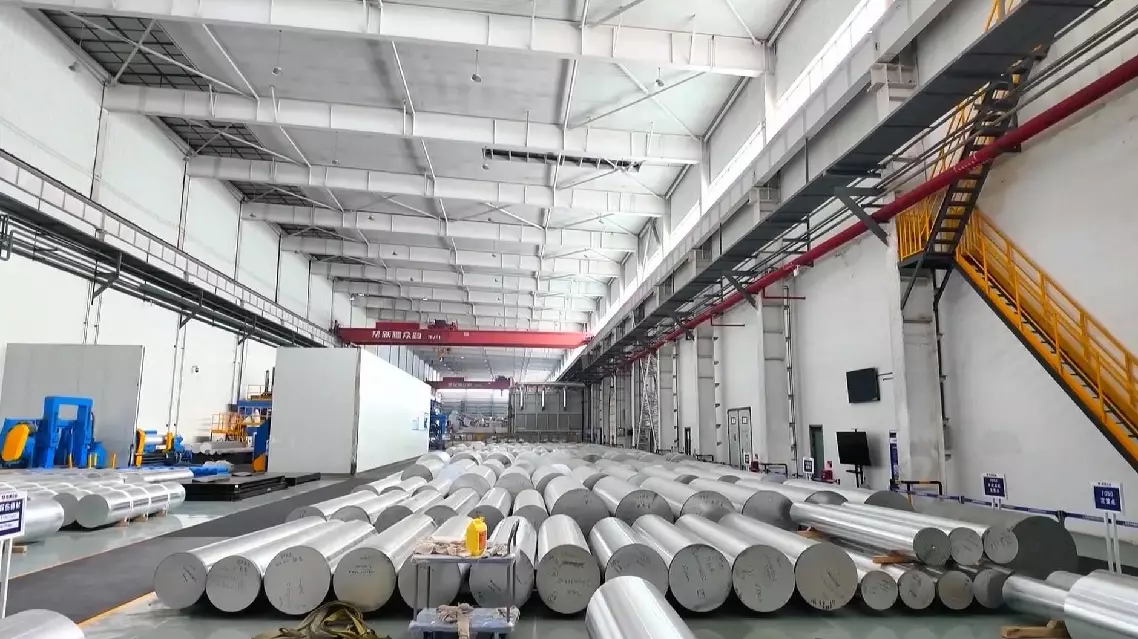
China's futures market turnover rises 29 pct in May