KYIV, Ukraine (AP) — Oleksandr Donii was one of the leaders of student-led protests for sovereignty and political reform in 1990 that preceded Ukraine’s declaration of independence. He remembers thinking the fight for autonomy would take decades.
Instead, it came much sooner than he ever imagined. When the Soviet Union collapsed, Ukraine quickly declared independence in 1991 and later conducted a referendum backed by more than 90% of voters.
Click to Gallery

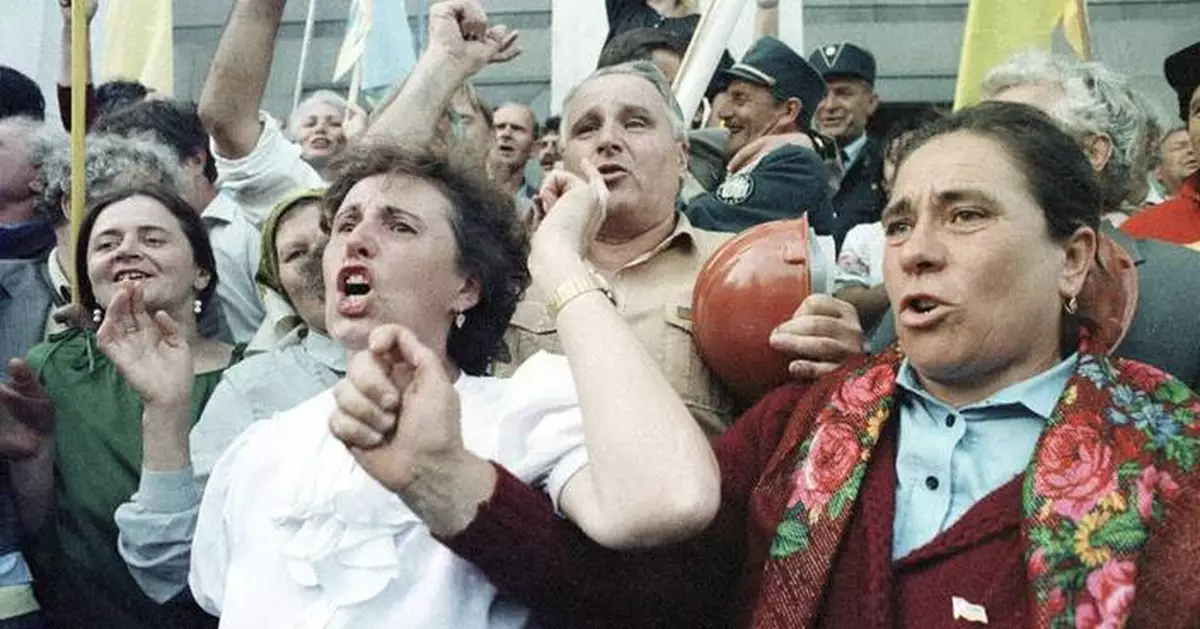
FILE - Two Ukrainians argue the merits of independence in Kyiv's central square, Dec. 2, 1991. (AP Photo/Liu Heung Shing, File)
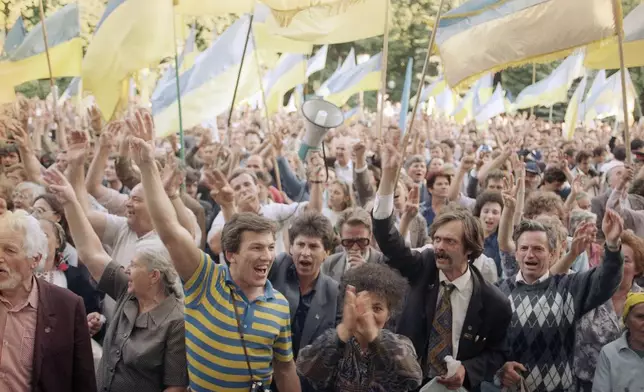
FILE - People wave Ukrainian national flags as they gather outside the parliament building during a pro-independence rally, in Kyiv, Sept. 4, 1991. (AP Photo/Dusan Vranic, File)
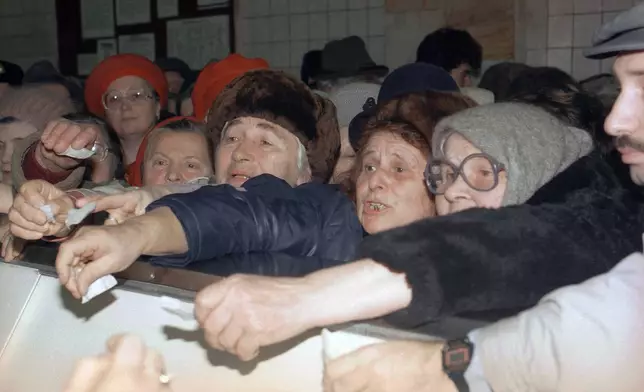
FILE - Ukrainian women shout while waving their coupons to buy butter at a state-owned shop in Kyiv, Dec. 3, 1991. (AP Photo/Liu Heung Shing, File)
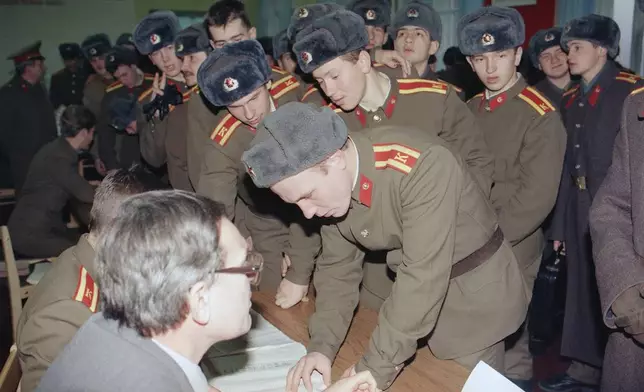
Soviet army cadets register to vote in the Ukraine's first popular presidential election in Kyiv, Dec. 1, 1991. (AP Photo/Liu Heung Shing, File)

FILE - Ukrainian people celebrate in front of the parliament the day when Ukraine's independence was declared, in Kyiv, Aug. 24, 1991. (AP Photo/Efrem Lukatsky, File)
”I was preparing myself for prisons and labor camps, and I thought the struggle would last about 20–30 years,” Donii told The Associated Press.
As the country marks 34 years since that monumental event Sunday, Donii and others from Ukraine’s first generation of lawmakers and activists describe how despite separation from the Soviet Union, Moscow's grip endured. Russia used political pressure, social division and the sidelining of pro-Western voices. That eventually paved the way for the full-scale invasion of Ukraine three decades later and Ukraine’s current fight for independence and identity in the face of its aggressive neighbor.
Back in 1990, Donii and other student leaders of a hunger strike were calling not only for breaking away from Moscow but also for renewing the political system at home.
Their first proposal was to conduct snap elections for Ukraine’s Parliament, which Donii saw as essential for clearing out the Soviet-era lawmakers still in office. The idea, however, failed to gain broad support even among pro-independence forces.
“Ukraine, having won independence, did not win the removal of the Communist ruling class,” he said.
In his view, opportunities that were within reach in the early 1990s slipped away, leaving Ukraine to pay a high price today as it presses toward the European Union and NATO not as distant aspirations but as urgent necessities for safeguarding sovereignty and securing an independent path.
Oleksandr Nechyporenko, a lawmaker from the first Ukrainian Parliament, remembers how fragmented society was on the verge of independence.
“A very large part was neutral, it included people who wavered, who didn’t have enough information,” he recalled. “There was also a big and powerful core that was categorically in favor of preserving the Soviet Union, communist rule, ties with Russia, and so on.” Nechyporenko says the “passionate change-makers” were a minority.
In his view, Ukraine’s tolerance toward agents of Russian influence since the early days of its independence was a major mistake. “We should have been more firm, more radical,” he said.
That sense of missed resolve is not limited to politics alone. Decisions made in the early years of independence continue to weigh heavily as Ukraine now fights for survival against Russia. One of the most consequential was the choice to surrender the vast nuclear arsenal left on Ukrainian soil after the Soviet collapse.
“The path we were supposed to take with the world’s third-largest nuclear arsenal — about five thousand nuclear warheads — that path should have given us the opportunity to effectively use this potential for integration with the West,” said Yurii Kostenko, a scholar and politician who led negotiations on Ukraine’s nuclear disarmament in the early 1990s.
He says that while leading the negotiation process, his vision of nuclear disarmament included the U.S. assisting Ukraine financially and technologically to turn nuclear warheads into fuel for nuclear power plants. Accession to NATO would have been Ukraine’s guarantee of security. The American side was ready to make it happen, Kostenko says.
But instead of cooperation with the U.S., Kostenko recalls Ukraine being eventually pressured into surrendering its warheads to Russia, receiving almost nothing in return. He said to achieve that, then-Russian President Boris Yeltsin demanded Kostenko’s dismissal as leader of the negotiations by Ukraine’s then-President Leonid Kravchuk. That demand was granted.
No longer led by Kostenko, Ukraine’s delegation dropped the initial plan codesigned with the U.S. and chose to cooperate with Russia instead. Kostenko says that in exchange for its nukes, Ukraine received $1.5 billion in nuclear fuel and natural gas from Russia, which, he says, was worth around 1% of what Ukraine gave up.
Instead of NATO accession, Ukraine received the Budapest Memorandum, an agreement in which Ukraine was granted assurances of sovereignty and territorial integrity from the United States, the United Kingdom and Russia. For many Ukrainians, it has become a symbol of promises that carried no weight. Moscow shredded the agreement first with the annexation of Crimea in 2014 and then with the full-scale invasion in 2022. Three decades later, as Ukraine once again negotiates its future with Western partners under the shadow of Russian aggression, the choices and compromises of the 1990s still loom large, shaping its search for lasting security.
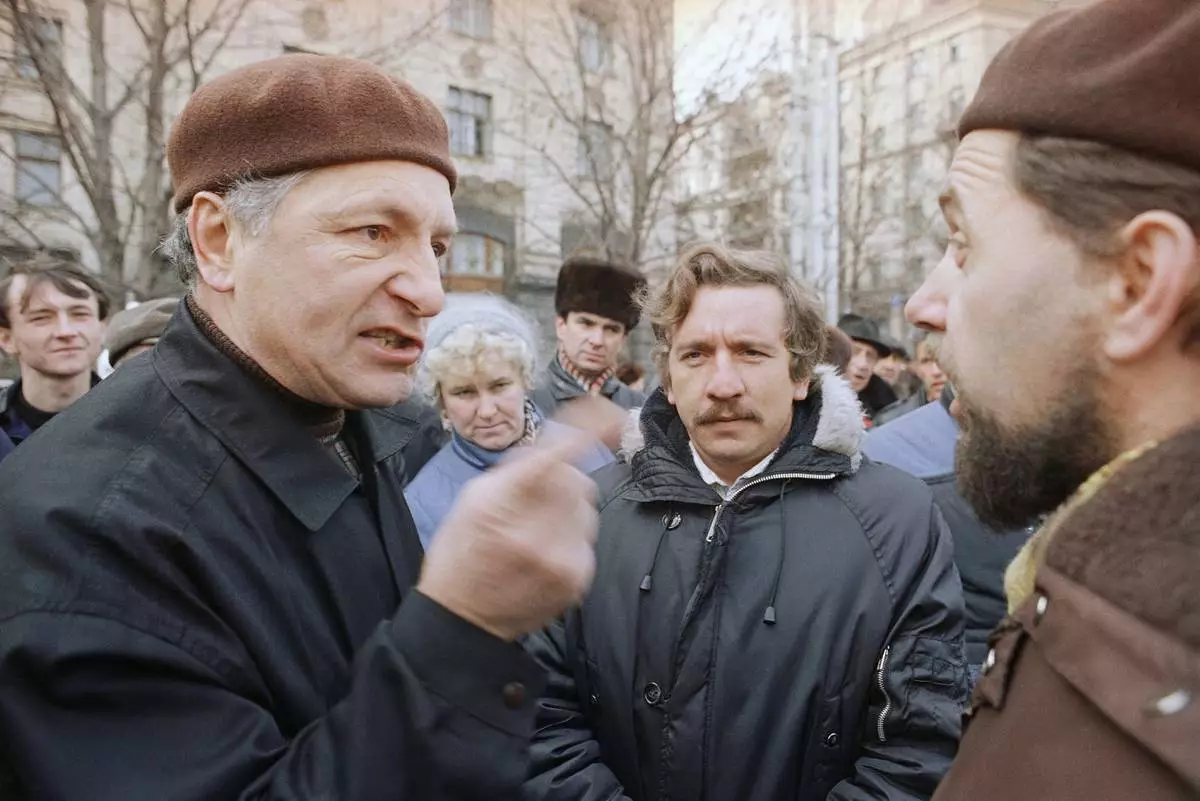
FILE - Two Ukrainians argue the merits of independence in Kyiv's central square, Dec. 2, 1991. (AP Photo/Liu Heung Shing, File)
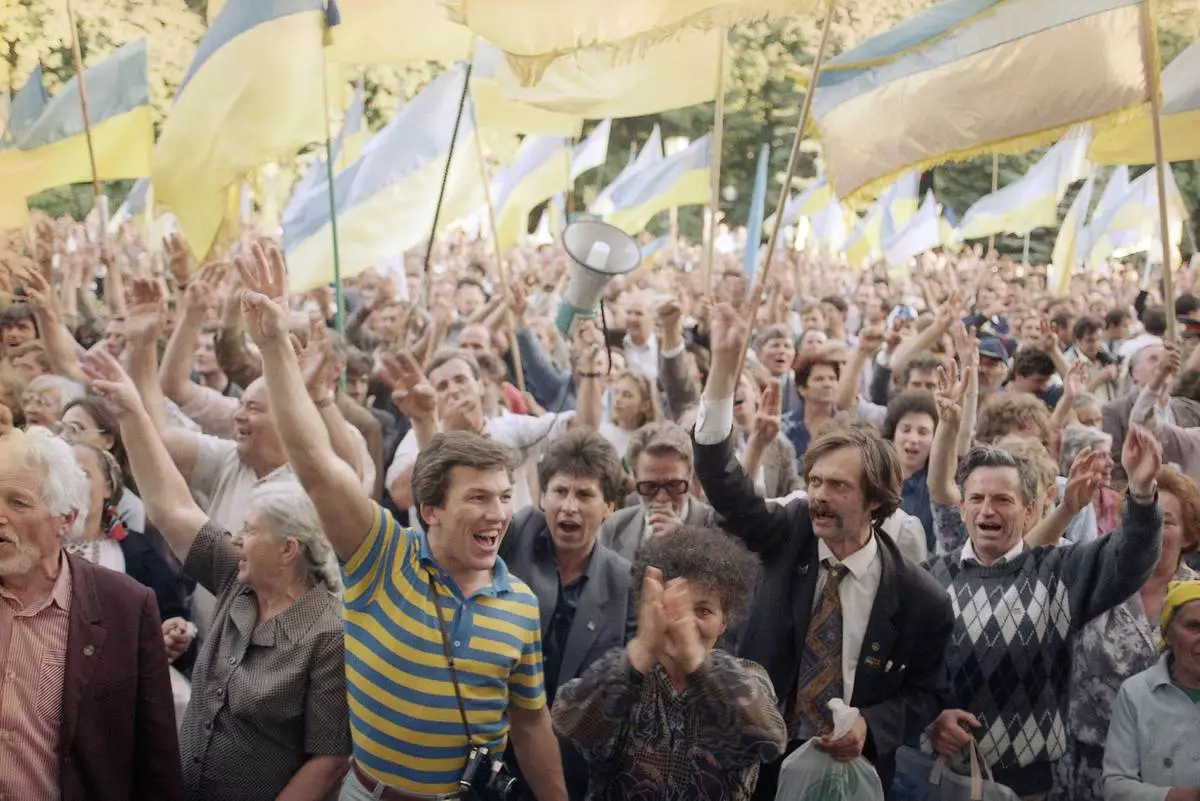
FILE - People wave Ukrainian national flags as they gather outside the parliament building during a pro-independence rally, in Kyiv, Sept. 4, 1991. (AP Photo/Dusan Vranic, File)
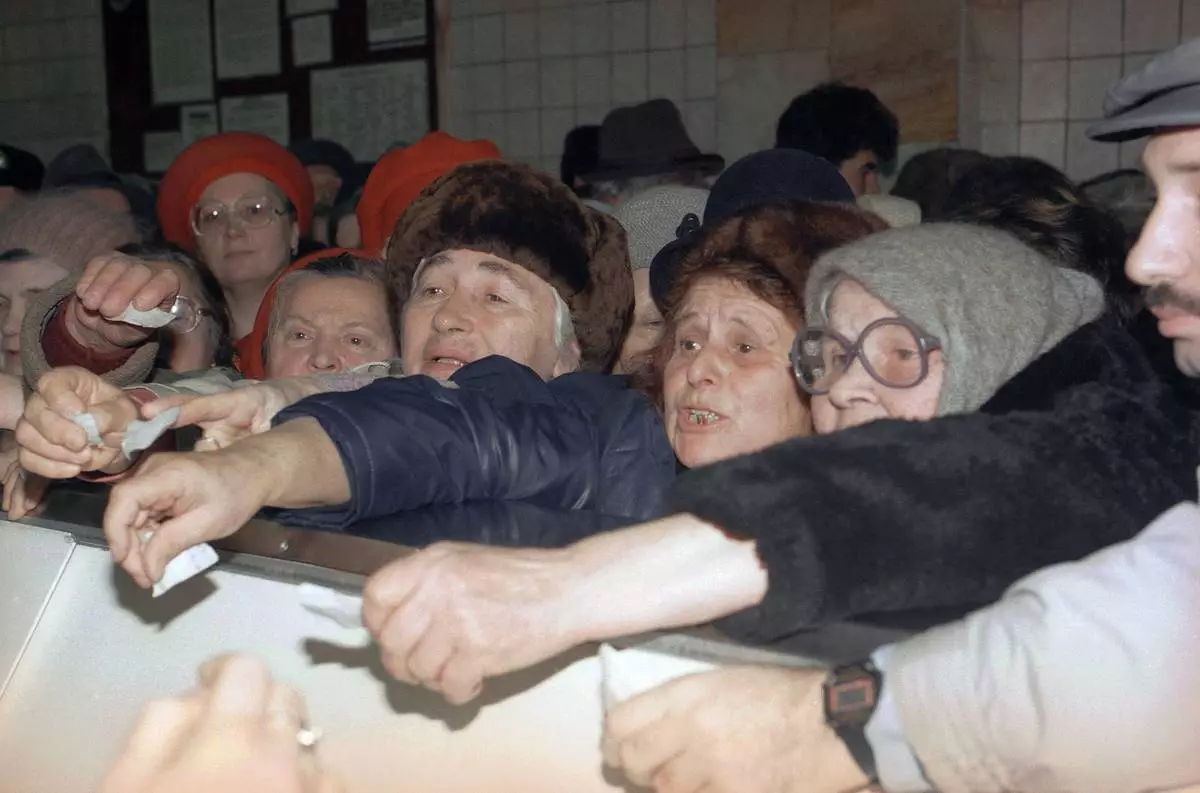
FILE - Ukrainian women shout while waving their coupons to buy butter at a state-owned shop in Kyiv, Dec. 3, 1991. (AP Photo/Liu Heung Shing, File)
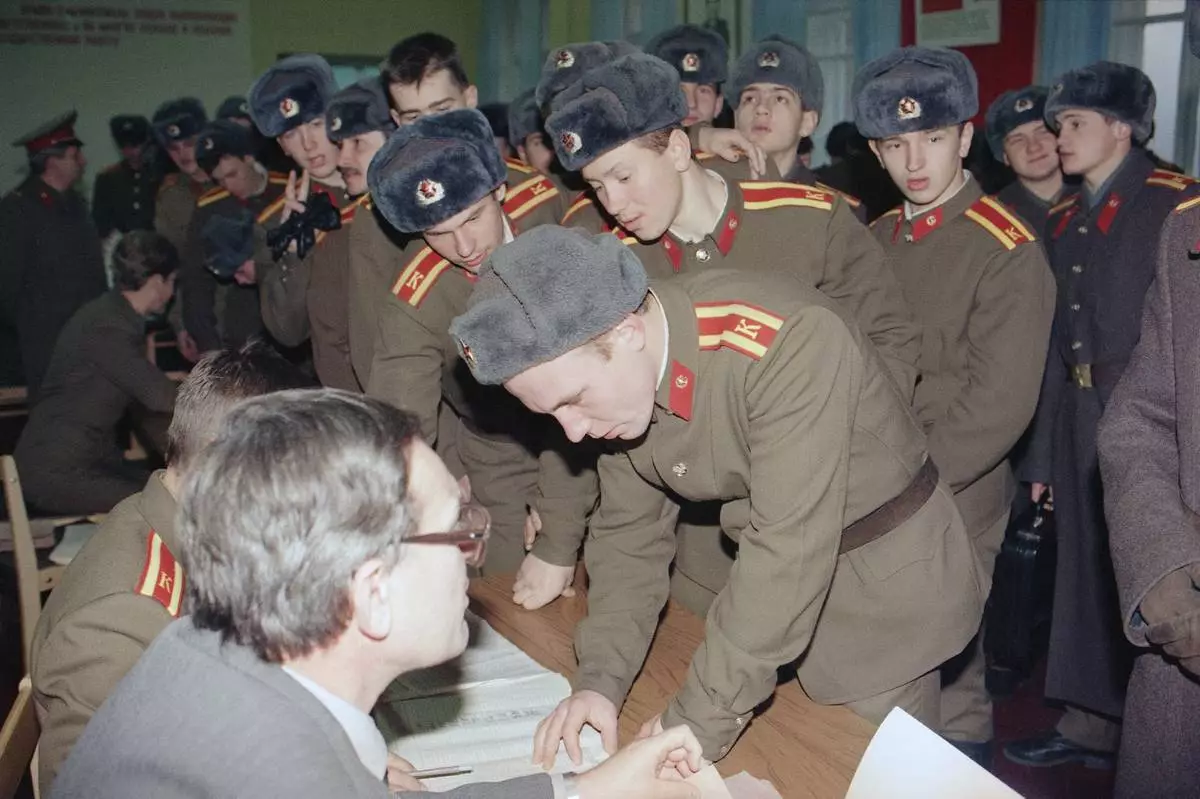
Soviet army cadets register to vote in the Ukraine's first popular presidential election in Kyiv, Dec. 1, 1991. (AP Photo/Liu Heung Shing, File)
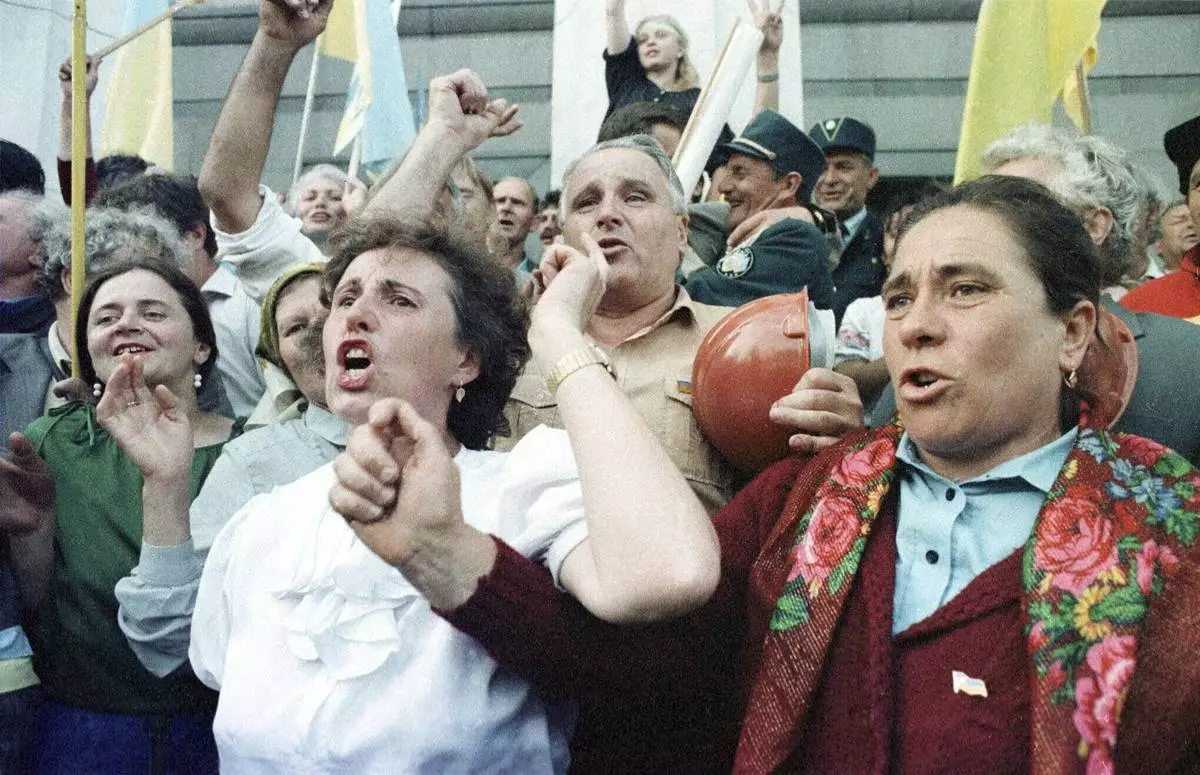
FILE - Ukrainian people celebrate in front of the parliament the day when Ukraine's independence was declared, in Kyiv, Aug. 24, 1991. (AP Photo/Efrem Lukatsky, File)