The reduced crop yields triggered by prolonged high temperatures and low rainfall in Japan have driven up fresh produce prices, subsequently affecting both supermarket retail and the restaurant business.
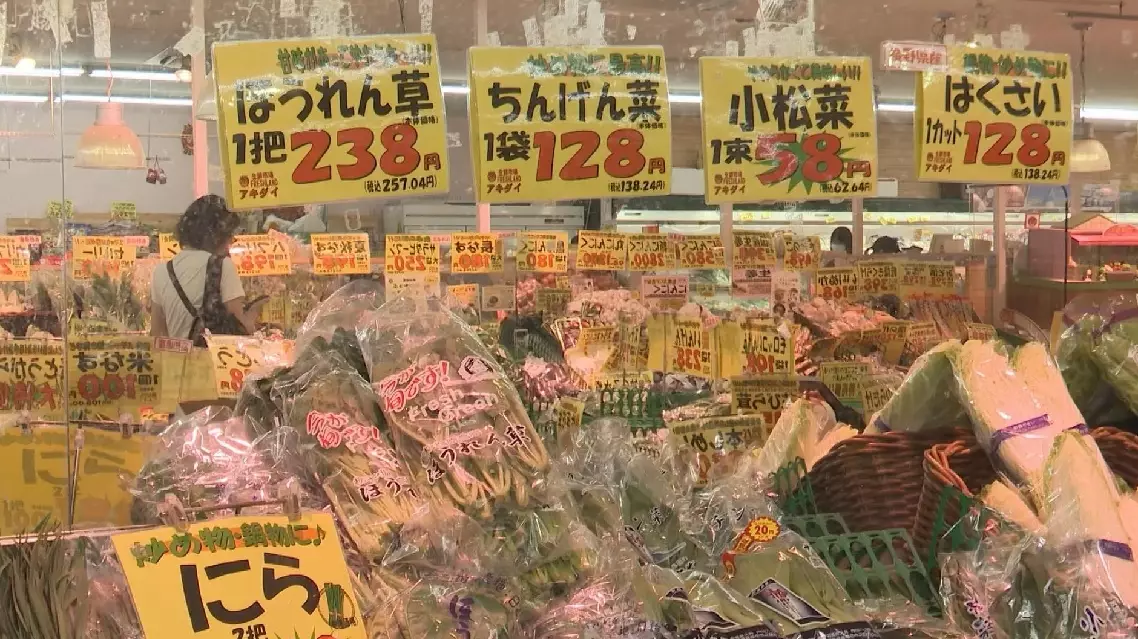
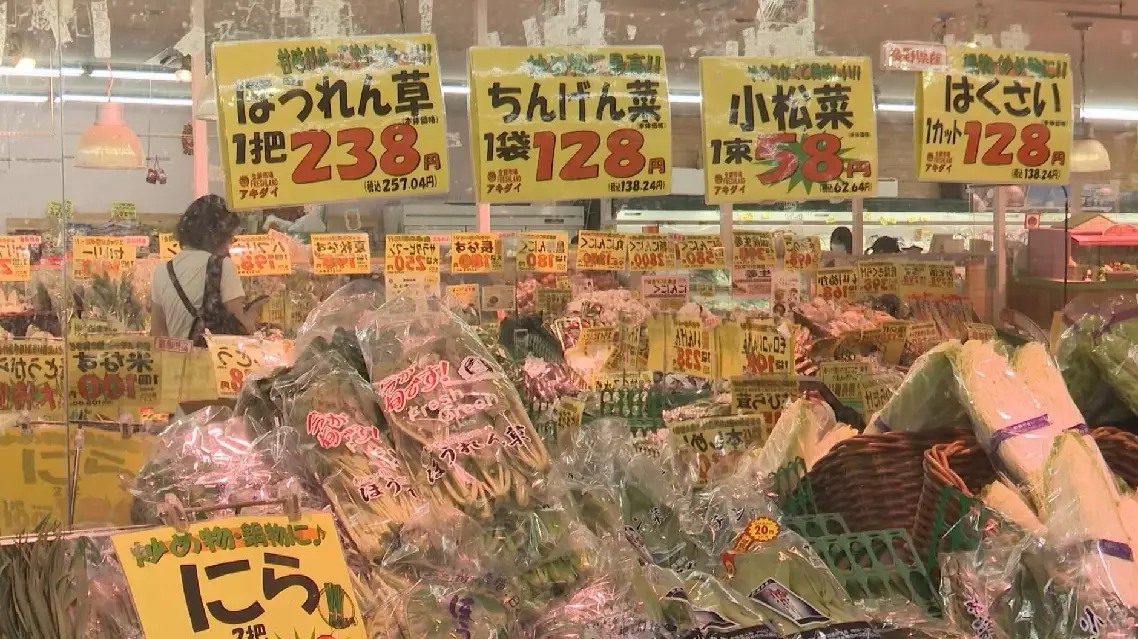
In a budget supermarket in Japan's Saitama Prefecture, the prices of common vegetables, such as tomatoes, in the fresh produce section have surged to nearly double the levels of the same period of last year.
"Large vegetables, such as cabbage and Chinese cabbage, are now priced significantly higher than in previous years, with current prices roughly double what they were. To manage costs, we must negotiate prices and make purchases at the market before dawn," said Hideo Kawamura, person in charge of the fresh produce section of a supermarket in Saitama-ken.
"I'm feeling the pinch financially. I have tried not to waste any ingredients -- even the smallest leftovers are used in meals. I also choose cheaper ingredients and make extra dishes to save for later," said a consumer.
Due to persistent high temperatures and insufficient rainfall, several major agricultural regions in Japan are facing challenges such as stunted crop growth and reduced yields, which have led to a sharp rise in supermarket retail prices.
Hiromichi Akiba, owner of a supermarket in Tokyo Metropolis, said cucumbers, which typically experience price increases in early September, began to rise in mid-August this year. Furthermore, wholesale prices have surged by about 30 percent compared to the same period of last year.
"If vegetable prices rise again, we will find it difficult to bear. Currently, tomatoes are being sold in packets of four. In the future, this might change to packets of three. We have to come up with solutions like this," Akiba said.
Moreover, the rising prices of fresh produce have also taken toll on restaurants.
For example, a couple managing a small Japanese pub has maintained a strict no-price-hike policy for 30 years. To address the current inflationary pressures, they are now compelled to absorb the heightened costs by reducing their own profits or suspending certain menu items.
"Some of the dishes in our restaurant are currently not covering their costs at all. With prices being so high, we are indeed facing significant challenges," said Kiyomi Momma, owner of the pub.
According to Japanese media reports, the average supermarket prices of tomatoes and carrots across the country in August rose by nearly 20 percent compared to the same period of last year.
With the approaching back-to-school season and the resumption of school meal services, demand for vegetables is expected to increase further in Japan, potentially driving prices even higher.
Heatwave in Japan pushes up food prices, takes toll on retailers
Heatwave in Japan pushes up food prices, takes toll on retailers