REDWOOD CITY, Calif.--(BUSINESS WIRE)--Aug 26, 2025--
Riverbed, the leader in AIOps for observability, today announced it has been recognized as an Innovator and Outperformer in two 2025 GigaOm Radar reports: An Innovator and Outperformer in the Network Observability category; and an Innovator and Outperformer in the AIOps Solutions category. These recognitions underscore Riverbed’s continued leadership in delivering a unified platform for deep network visibility, full-stack observability, and AI-powered operations at enterprise scale.
This press release features multimedia. View the full release here: https://www.businesswire.com/news/home/20250826260145/en/
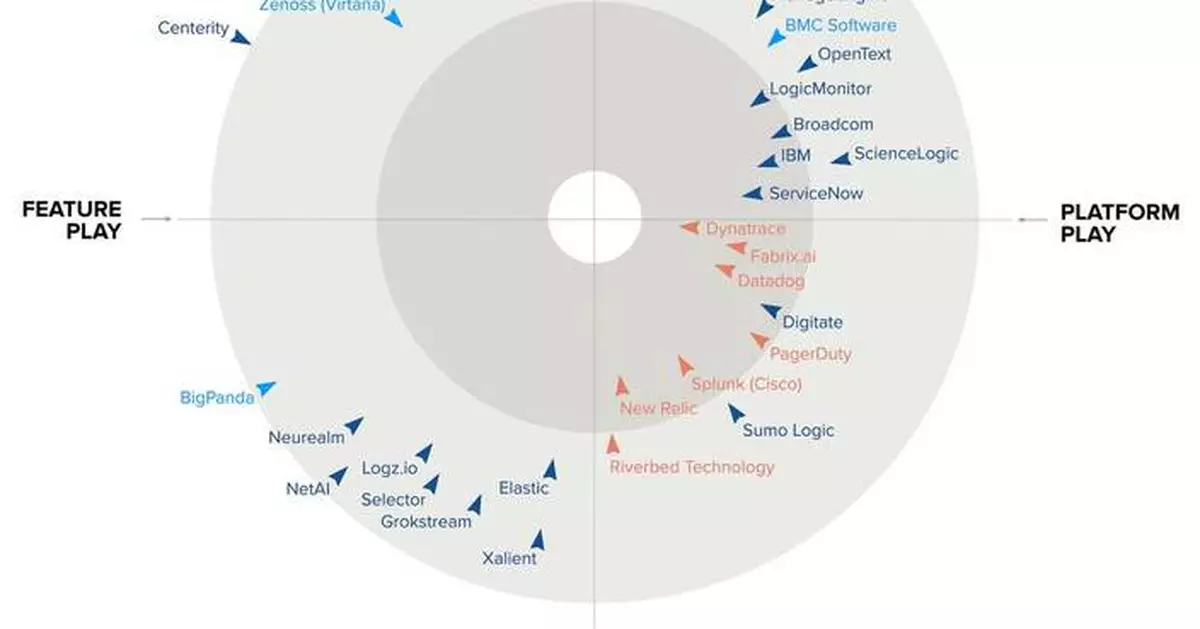
For the second consecutive year, GigaOm named Riverbed an Outperformer in the AIOps Solutions Radar, positioning the company in the Innovation/Platform Play quadrant, representing vendors with broad functionality, strong use case coverage, and the ability to disrupt the market through innovation. Riverbed’s AIOps capabilities were commended for delivering measurable customer outcomes, fast-paced feature delivery, and an aggressive innovation roadmap, resulting in the largest year-over-year positional improvement in the GigaOm Radar report.
In the Network Observability Radar, Riverbed retained its Leader and Outperformer status, while also being recognized as an Innovator for its continued advancement in delivering end-to-end network and application visibility, security observability, and AI-based analytics. GigaOm praised Riverbed for its dynamic network discovery, application and Layer 7 monitoring, and advanced security capabilities, as well as its consistent feature expansion and development pipeline.
“Being recognized by GigaOm in two competitive technology categories and as both an Innovator and an Outperformer speaks to the incredible work our team is doing to push the boundaries of what’s possible with unified observability and AIOps,” said Jim Gargan, Chief Marketing Officer at Riverbed. “Enterprises today need AI that is trustworthy, automation that is actionable, and visibility that is complete. Our platform delivers on all three, empowering IT teams to resolve issues faster, operate more efficiently, and deliver exceptional digital experiences. These GigaOm results validate that we’re not just keeping pace with the market, we’re setting the pace.”
Delivering on the Future of Unified Observability and AIOps
Riverbed’s unified platform integrates network, infrastructure, cloud, application, and digital experience monitoring with AI-powered analytics and automation. Key capabilities highlighted by GigaOm include:
The GigaOm Radars emphasize that both AIOps and advanced network observability are now mission-critical for enterprises navigating increasingly complex, dynamic architectures. AIOps enables proactive, scalable service management, optimizes resources, reduces downtime, and drives measurable ROI. Network observability ensures resilience, security, and user satisfaction across modern IT environments.
Download the 2025 GigaOm Radar for AIOps Solutions and 2025 GigaOm Radar for Network Observability.
About Riverbed
Riverbed, the leader in AIOps for observability, helps organizations optimize their user’s experiences by leveraging AI automation for the prevention, identification, and resolution of IT issues. With over 20 years of experience in data collection and AI and machine learning, Riverbed’s open and AI-powered observability platform and solutions optimize digital experiences and greatly improves IT efficiency. Riverbed also offers industry-leading Acceleration solutions that provide fast, agile, secure acceleration of any app, over any network, to users anywhere. Together with our thousands of market-leading customers globally – including 95% of the FORTUNE 100 – we are empowering next-generation digital experiences. Learn more at riverbed.com.
Riverbed and certain other terms used herein are trademarks of Riverbed Technology LLC. All other trademarks used herein belong to their respective owners.
Connect with Riverbed
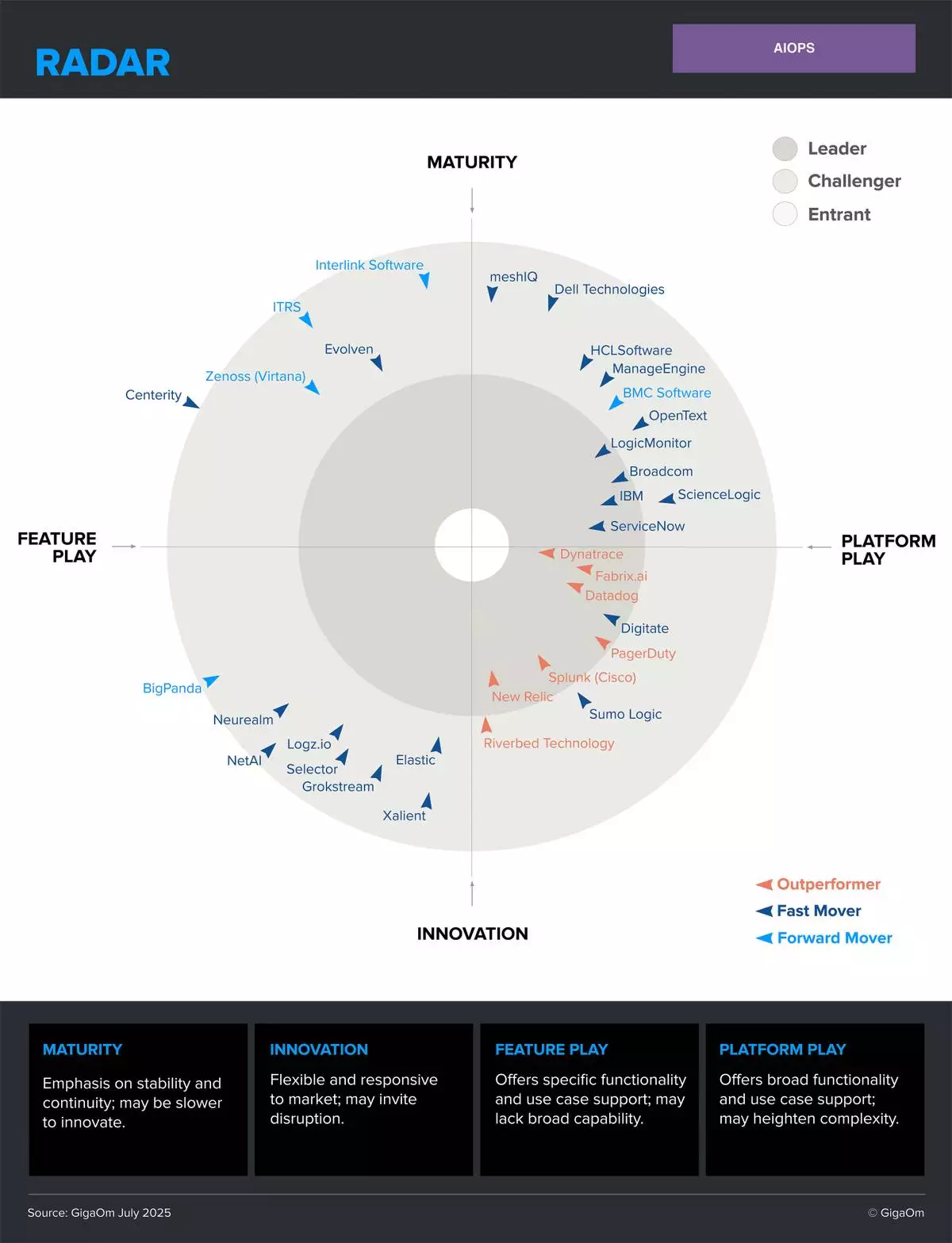
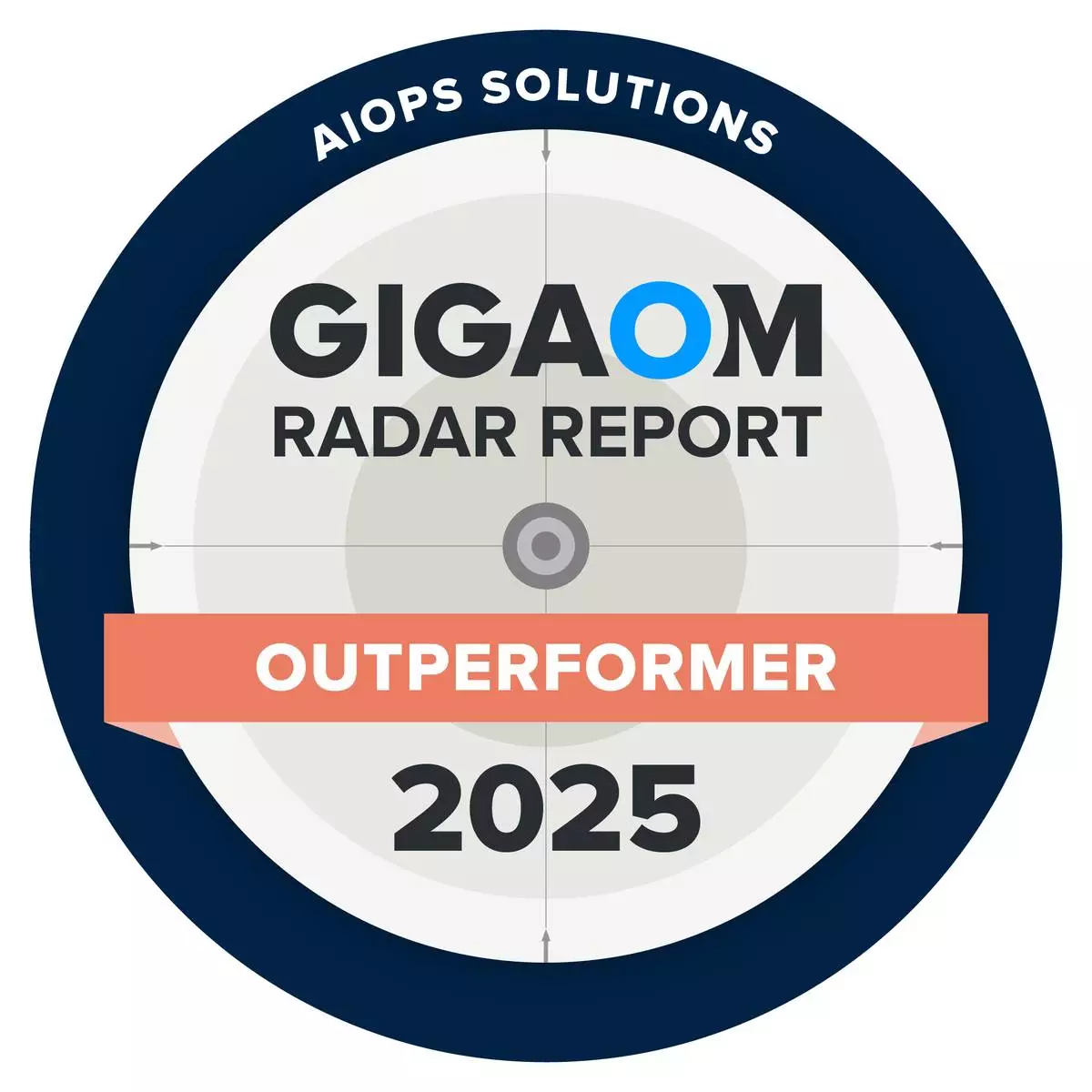
Riverbed Recognized as an Innovator and Outperformer in 2025 GigaOm Radars for Network Observability and AIOps Solutions
GigaOm Radar for AIOps Solutions
WASHINGTON (AP) — The Trump administration on Thursday loosened federal rules that require grocery stores and air-conditioning companies to reduce greenhouse gases used in cooling equipment, a step President Donald Trump said would help lower grocery costs.
Trump, at a White House ceremony, said the action by the Environmental Protection Agency would “substantially lower costs for consumers” by delaying costly restrictions that limit the type of refrigerants U.S. businesses and families can use.
The move to relax the Biden-era rules on harmful pollutants known as HFCs emitted by refrigerators and other appliances was the latest attempt by the Trump administration to try to address rising voter concerns over the cost of living ahead of pivotal elections in November.
It is not clear how much or how quickly the loosening of the refrigerant rule might impact grocery prices. Industry groups said the move could even raise prices because manufacturers have already redesigned products, retooled factories and trained workers to build and service next-generation refrigerant equipment.
Inflation in the United States increased to 3.8% annually in April, amid price spikes caused by the Iran war and President Donald Trump’s sweeping tariffs. Inflation is now outpacing wage gains as the war has kept oil and gasoline prices high.
The Biden-era regulation was “unnecessary and costly and actually makes the machinery worse,” Trump said at a ceremony joined by top executives from Kroger, Piggly Wiggly and other grocery chains. The EPA action will protect hundreds of thousands of jobs and save Americans more than $2 billion a year, he said.
The Air-Conditioning, Heating and Refrigeration Institute, which represents more than 330 HVAC manufacturers and commercial refrigeration companies, said the change in approach would “inject uncertainty across the market” and could even raise prices.
“This rule works against basic supply and demand,” said Stephen Yurek, the group’s president and CEO. “By extending the compliance deadline” for phasing out hydrofluorocarbons, or HFCs, the administration “is maintaining and even increasing demand in the market for existing refrigerants while supply continues to fall.”
Manufacturers have already retooled product lines and certified models based on the existing timeline, Yurek said. Nearly 90% of residential and light commercial air conditioning systems use substitute refrigerants, rather than HFCs, he said.
The administration's action on refrigerants represents a reversal after Trump signed a law in his first term that aimed to reduce harmful, planet-warming pollutants emitted by refrigerators and air conditioners. That bipartisan measure brought environmentalists and major business groups into rare alignment on the contentious issue of climate change and won praise across the political spectrum.
The 2020 law reflected a broad bipartisan consensus on the need to quickly phase out domestic use of HFCs, greenhouse gases that are thousands of times more potent than carbon dioxide and are considered a major driver of global warming.
The EPA action highlights the second Trump administration’s drive to roll back regulations perceived as climate friendly. The plan is among a series of sweeping environmental changes that EPA Administrator Lee Zeldin has said will put a “dagger through the heart of climate change religion.”
Environmentalists criticized the administration’s actions, saying the new rule would exacerbate climate pollution while disrupting a yearslong industry transition to new coolants as an alternative to HFCs.
The 2020 law signed by Trump, known as the American Innovation and Manufacturing Act, phased out HFCs as part of an international agreement on ozone pollution. The law accelerated an industry shift to alternative refrigerants that use less harmful chemicals and are widely available.
The U.S. Chamber of Commerce and the American Chemistry Council, the top lobbying group for the chemical industry, were among numerous business groups that supported the law and an international deal on pollutants, known as the Kigali Amendment, as victories for jobs and the environment. U.S. companies such as Chemours and Honeywell developed and produce the alternative refrigerants sold in the United States and around the world.
The 2023 rule now being relaxed imposed steep restrictions on HFCs starting in 2026. Zeldin said the rule from the Democratic Biden administration did not give companies enough time to comply and that the rapid switch to other refrigerants caused shortages and price increases last year. Some in the industry dispute this.
The Food Industry Association, which represents grocery stores and suppliers, applauded the Trump EPA proposal last year, saying the earlier rule “imposed significant and unrealistic compliance timelines.”
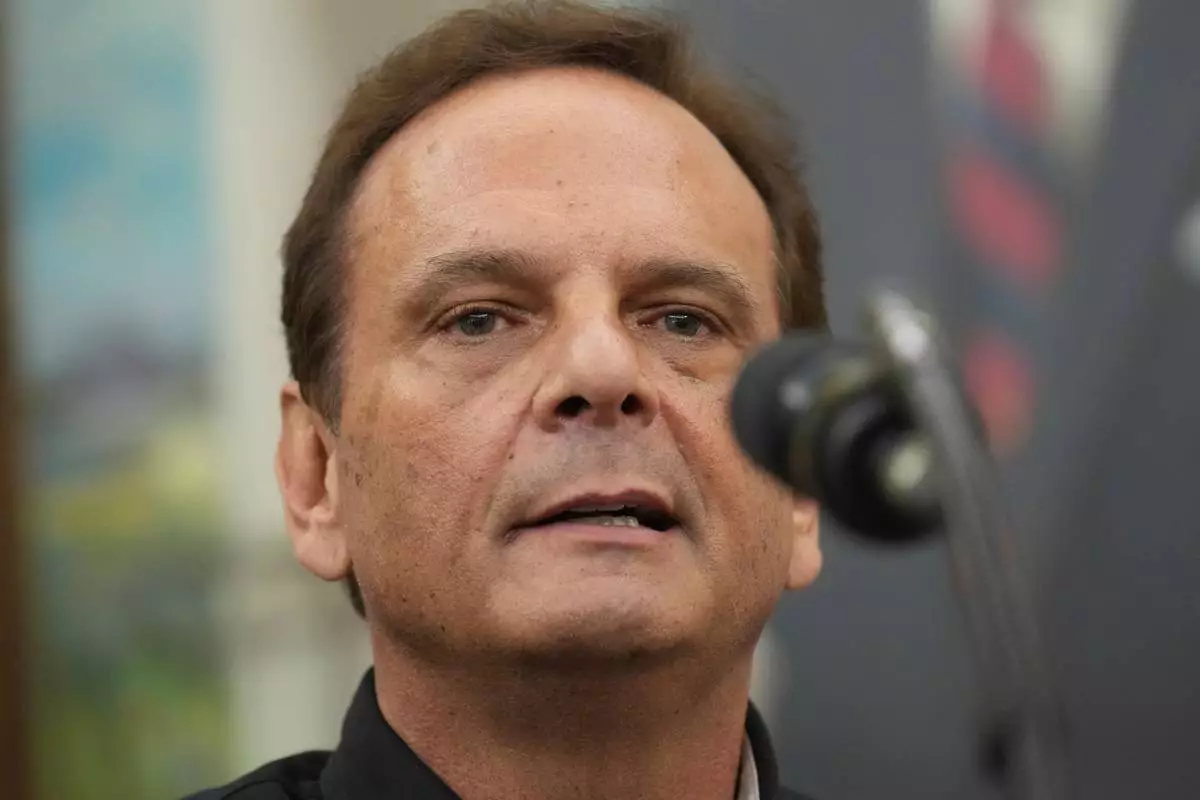
Kevin McDaniel, Piggly Wiggly franchise owner, speaks during an event with President Donald Trump about loosening a federal refrigerant rule, in the Oval Office at the White House, Thursday, May 21, 2026, in Washington. (AP Photo/Jacquelyn Martin)
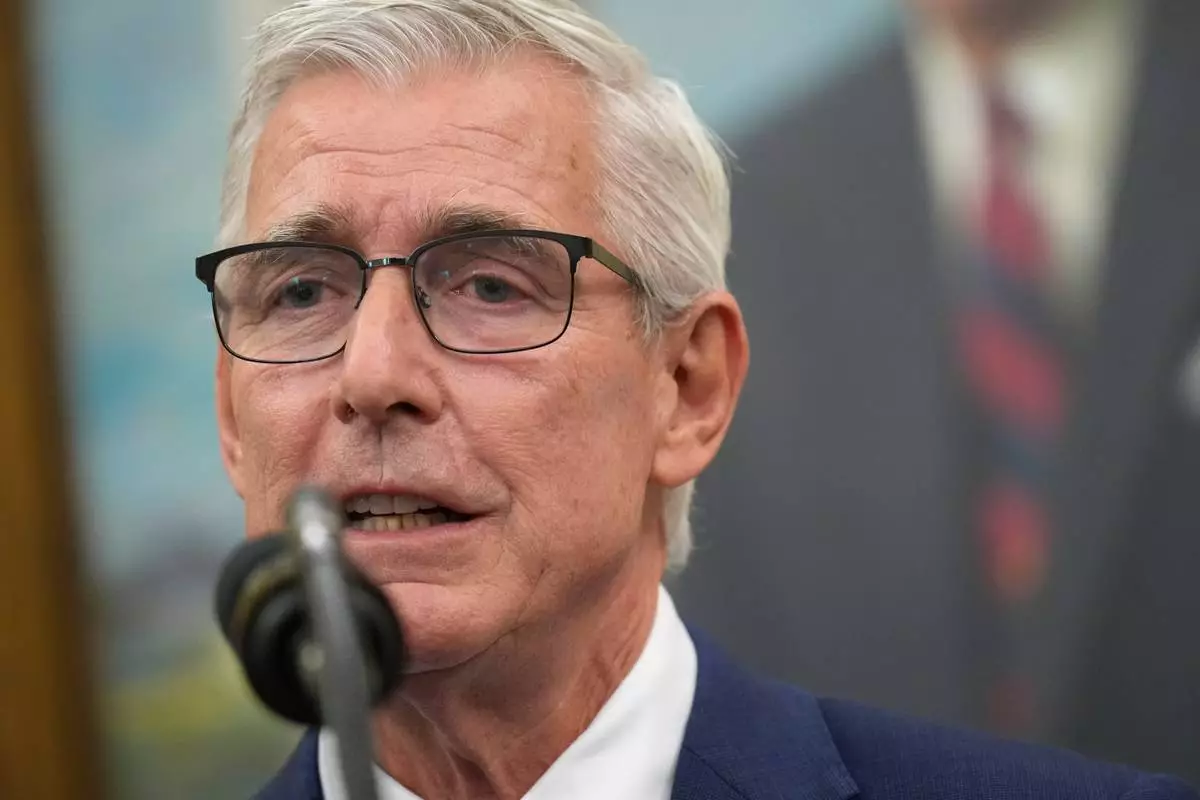
Kroger CEO Greg Foran speaks speaks during an event with President Donald Trump about loosening a federal refrigerant rule, in the Oval Office at the White House, Thursday, May 21, 2026, in Washington. (AP Photo/Jacquelyn Martin)

Lee Zeldin, Environmental Protection Agency administrator, listens as President Donald Trump speaks during an event about loosening a federal refrigerant rule, in the Oval Office at the White House, Thursday, May 21, 2026, in Washington. (AP Photo/Jacquelyn Martin)

President Donald Trump speaks during an event about loosening a federal refrigerant rule, in the Oval Office at the White House, Thursday, May 21, 2026, in Washington. (AP Photo/Jacquelyn Martin)
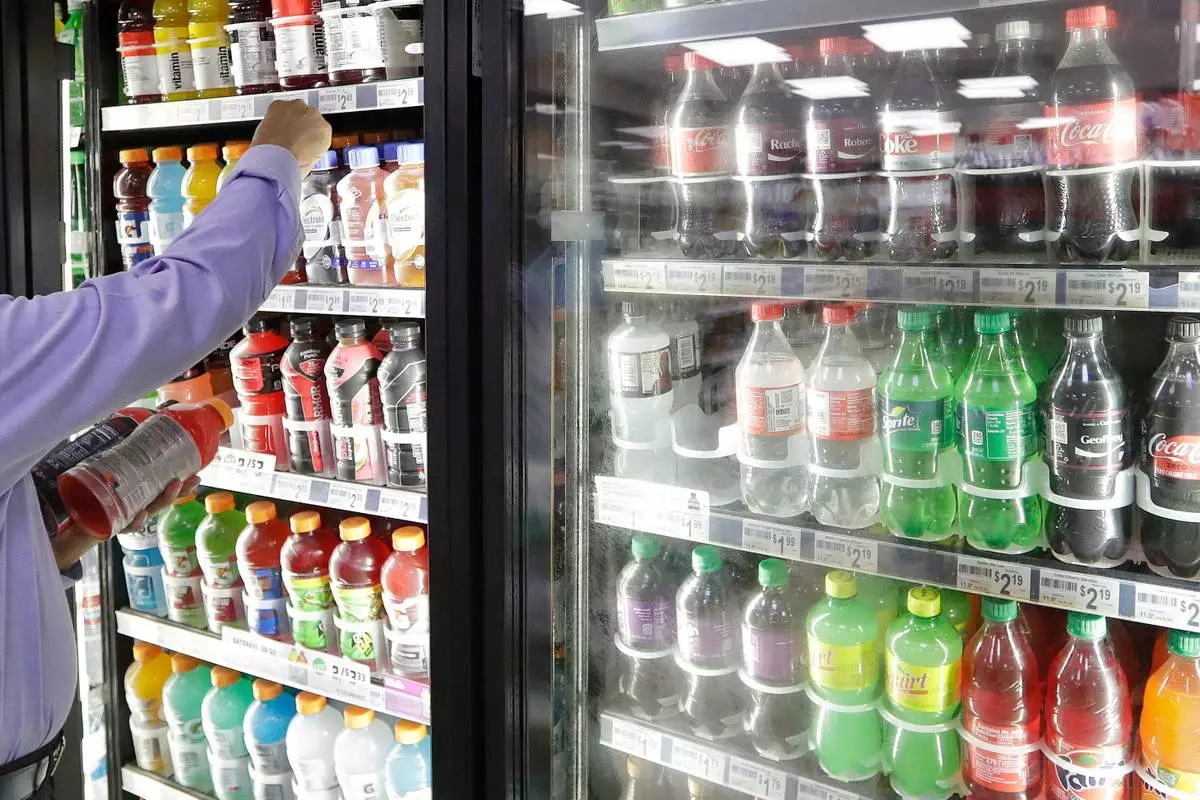
FILE - A shop owner reaches into a drink display refrigerator at his convenience store in Kent, Wash., Oct. 1, 2018. (AP Photo/Elaine Thompson, File)