HONG KONG (AP) — Final arguments concluded Thursday in the landmark national security trial of Hong Kong pro-democracy newspaper founder Jimmy Lai, who could face up to a life sentence if convicted.
Lai founded the now-defunct Apple Daily, which had been one of the local news outlets most critical of the government. He was arrested in 2020 under a national security law imposed by Beijing following widespread anti-government protests in the territory in 2019.
Lai is charged with colluding with foreign forces to endanger national security and conspiring with others to issue seditious publications. His trial has stretched nearly 160 days, almost double the original estimate. The verdict date is unclear but is expected to be delivered in weeks or months. He could face a sentence ranging from three years in prison to a life term if he is convicted.
His case has drawn international attention as a test of press freedom and judicial independence in the Asian financial hub.
Over the past week, defense lawyer Robert Pang repeatedly butted heads with judges when he tried to argue that his client’s comments made online were just armchair punditry, pushing back against the prosecution’s notion that he was requesting sanctions, blockages or hostile activities against China or Hong Kong.
Last Friday, Esther Toh, one of the judges approved by the government to handle the case, challenged Pang’s arguments about freedom of expression. She said that right has its limits, and pointed to the arrests of people who expressed views about Palestinian issues in the U.S. and Britain.
On Wednesday, lawyer Marc Corlett, who was also representing Lai, disputed the allegation that his client was conspiring with others, including those linked with an advocacy group called “Stand with Hong Kong Fight for Freedom,” to call for foreign actions.
Corlett described one of the prosecution witnesses involved in the alleged conspiracy as “a serial liar.” Even if the court took his evidence seriously, it doesn’t mean that Lai had entered into an ongoing agreement with others to work toward the alleged goal, he said.
The prosecution accused Lai of asking foreign countries, especially the United States, to take actions against Beijing “under the guise of fighting for freedom and democracy.”
It said Lai continued to request foreign actions even after his arrest in August 2020, citing Lai’s “persistent” foreign collaborations as his “unwavering intent” to solicit foreign actions. It argued Lai’s testimony was not credible and that he had used the Apple Daily to seek foreign sanctions, describing the acts as a betrayal of national interest and security.
Lai, who is 77, has been in jail for about four years and eight months and has reported experiencing heart palpitations. Concerns over his health delayed the start of the final arguments this month. The government said a medical examination of Lai found no abnormalities and that the medical care he received in custody was adequate.
When Lai entered the courtroom, he smiled and waved at people sitting in the public gallery. He also pressed his palms together in an apparent expression of gratitude.
After Toh said the judges would inform the parties in “good time” about when the verdict may come and left the courtroom, Lai spoke with his lawyers briefly and waved at the public gallery before departing.
Hours ahead of the hearing, dozens of people were in line outside the court building for a seat in the main courtroom. Resident Chan Chung-yee said he worried about Lai's health, likening Lai to a flag representing freedom and democracy.
“Jimmy Lai did a lot of good deeds for us Hong Kongers,” he said.
Foreign governments and rights groups have raised concerns about Lai’s case. U.S. President Donald Trump said in a Fox News radio interview released Aug. 14 that he had already brought up the issue with China. “I’m going to do everything I can to save him,” he said.
Reporters Without Borders, alongside a coalition of 72 human rights and press freedom organizations, last week sent a letter to British Prime Minister Keir Starmer to urge him to demand Lai’s “urgent humanitarian release.”
China has accused Lai of stirring up a rise in anti-China sentiments in Hong Kong, saying it firmly opposes the interference of other countries in its internal affairs.
When Britain handed back Hong Kong to China in 1997, Beijing promised to retain the former colony’s civil liberties for at least 50 years. But critics say the freedoms promised were being curtailed after the introduction of the security law.
Chinese and Hong Kong authorities insist the law was necessary for the city’s stability.
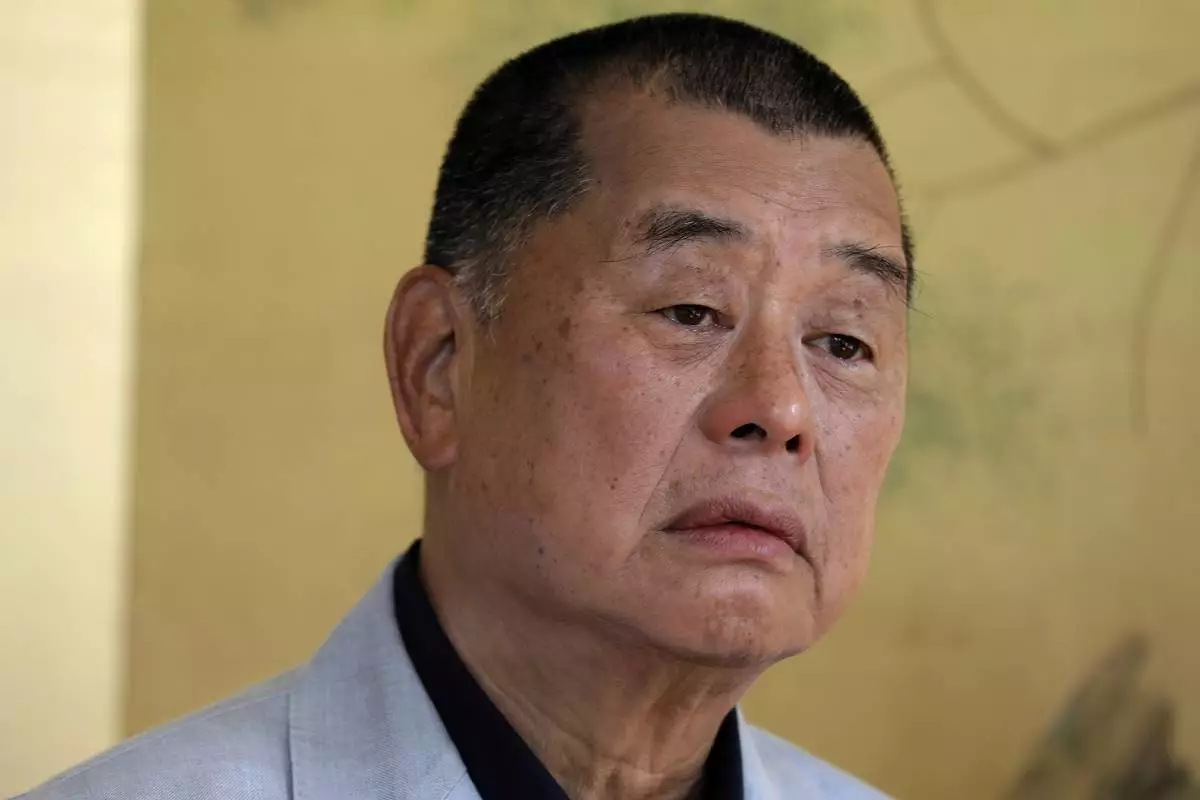
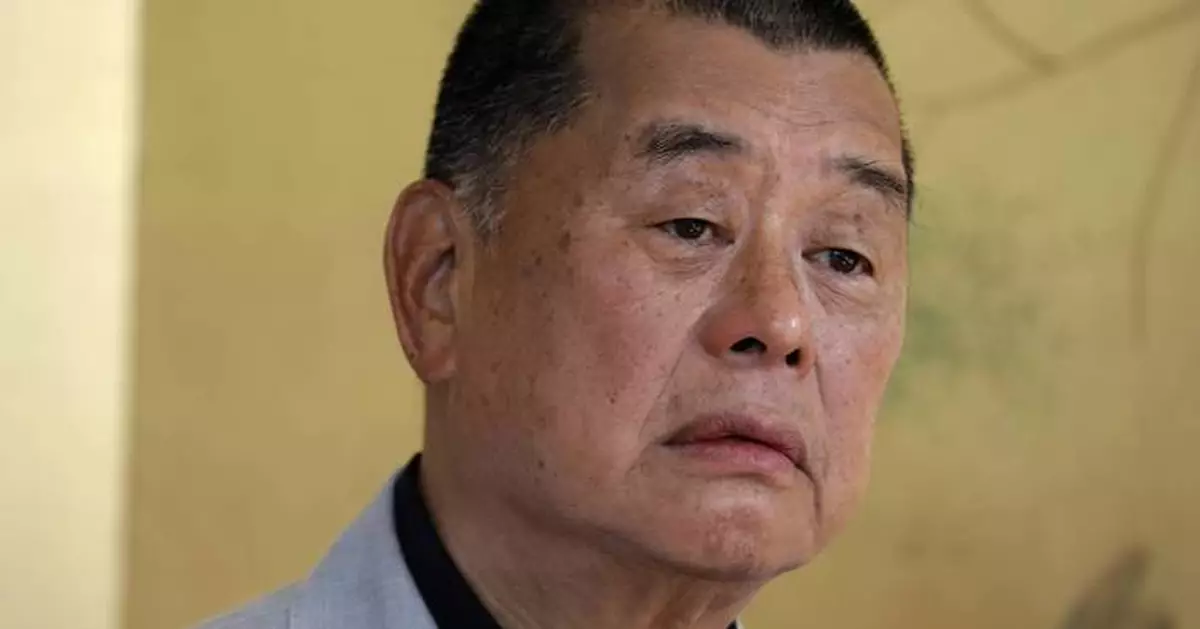
FILE - Hong Kong media tycoon Jimmy Lai pauses during an interview in Hong Kong on July 1, 2020. (AP Photo/Vincent Yu, File)
PROVIDENCE, R.I. (AP) — A man who is suspected of killing two and wounding several others at Brown University has been found dead in a New Hampshire storage facility, a law enforcement official and a person familiar with the matter told The Associated Press.
The man was found dead Thursday evening. He is believed to have died from a self-inflicted gunshot wound, the person familiar with the matter said.
Investigators believe the man is responsible for both the shooting at Brown and the killing of a Massachusetts Institute of Technology professor who was fatally shot in his Brookline home Monday, the official said. Authorities have not formally confirmed a connection between the two shootings.
The official and the person familiar with the matter could not publicly discuss details of the ongoing investigation and both spoke to AP on condition of anonymity.
Two people were killed and nine were wounded in the mass shooting Saturday at Brown University. The investigation had shifted Thursday when authorities said they were looking into a connection between the Brown mass shooting and an attack two days later near Boston that killed MIT professor Nuno F.G. Loureiro.
The FBI previously said it knew of no links between the cases.
It has been nearly a week since the shooting at Brown. There have been other high-profile attacks in which it took days or longer to make an arrest, including in the brazen New York City sidewalk killing of UnitedHealthcare's CEO last year, which took five days.
But frustration mounted in Providence that the person behind the attack managed to get away and that a clear image of their face hadn't emerged.
Although Brown officials say there are 1,200 cameras on campus, the attack happened in an older part of the engineering building that has few, if any, cameras. And investigators believe the shooter entered and left through a door that faces a residential street bordering campus, which might explain why the cameras Brown does have didn’t capture footage of the person.
In such targeted and highly public attacks, the shooters typically kill themselves or are killed or arrested by police, said Katherine Schweit, a retired FBI agent and expert on mass shootings. When they do get away, searches can take time.
In the 2013 Boston Marathon bombing, it took investigators four days to catch up to the two brothers who carried it out. In a 2023 case, Army reservist Robert Card was found dead of an apparent suicide two days after he killed 18 people and wounded 13 others in Lewiston, Maine.
The man accused of killing conservative political figure Charlie Kirk in September turned himself in about a day and a half after the attack on Utah Valley University's campus. And Luigi Mangione, who has pleaded not guilty to murder charges in the killing of UnitedHealthcare CEO Brian Thompson in Manhattan last year, was arrested five days later at a McDonald's in Pennsylvania.
Loureiro, who was married, joined MIT in 2016 and was named last year to lead the school's Plasma Science and Fusion Center, where he worked to advance clean energy technology and other research. The center, one of MIT's largest labs, had more than 250 people working across seven buildings when he took the helm. He was a professor of physics and nuclear science and engineering.
He grew up in Viseu, in central Portugal, and studied in Lisbon before earning a doctorate in London, according to MIT. He was a researcher at an institute for nuclear fusion in Lisbon before joining MIT, the university said.
“He shone a bright light as a mentor, friend, teacher, colleague and leader, and was universally admired for his articulate, compassionate manner,” Dennis Whyte, an engineering professor who previously led MIT’s Plasma Science and Fusion Center, told a campus publication.
Loureiro had said he hoped his work would shape the future.
“It’s not hyperbole to say MIT is where you go to find solutions to humanity’s biggest problems,” Loureiro said when he was named to lead the plasma science lab last year. “Fusion energy will change the course of human history.”
This story was updated to delete a reference to MIT being an Ivy League school.
Richer and Tucker reported from Washington. Associated Press reporters Mark Scolforo in Harrisburg, Pennsylvania, and Hallie Golden in Seattle contributed.
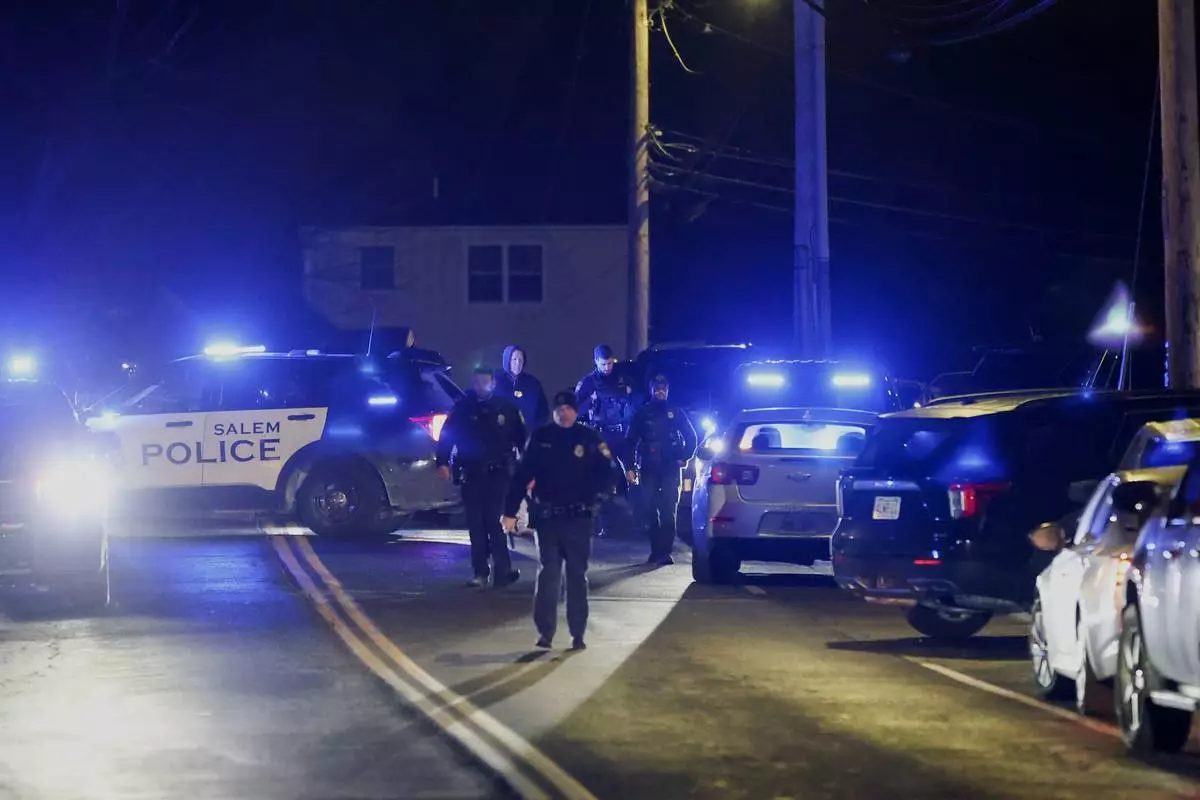
Law enforcement officers search the area for the Brown University shooting suspect, Thursday, Dec. 18, 2025, in Salem, N.H. (AP Photo/Reba Saldanha)
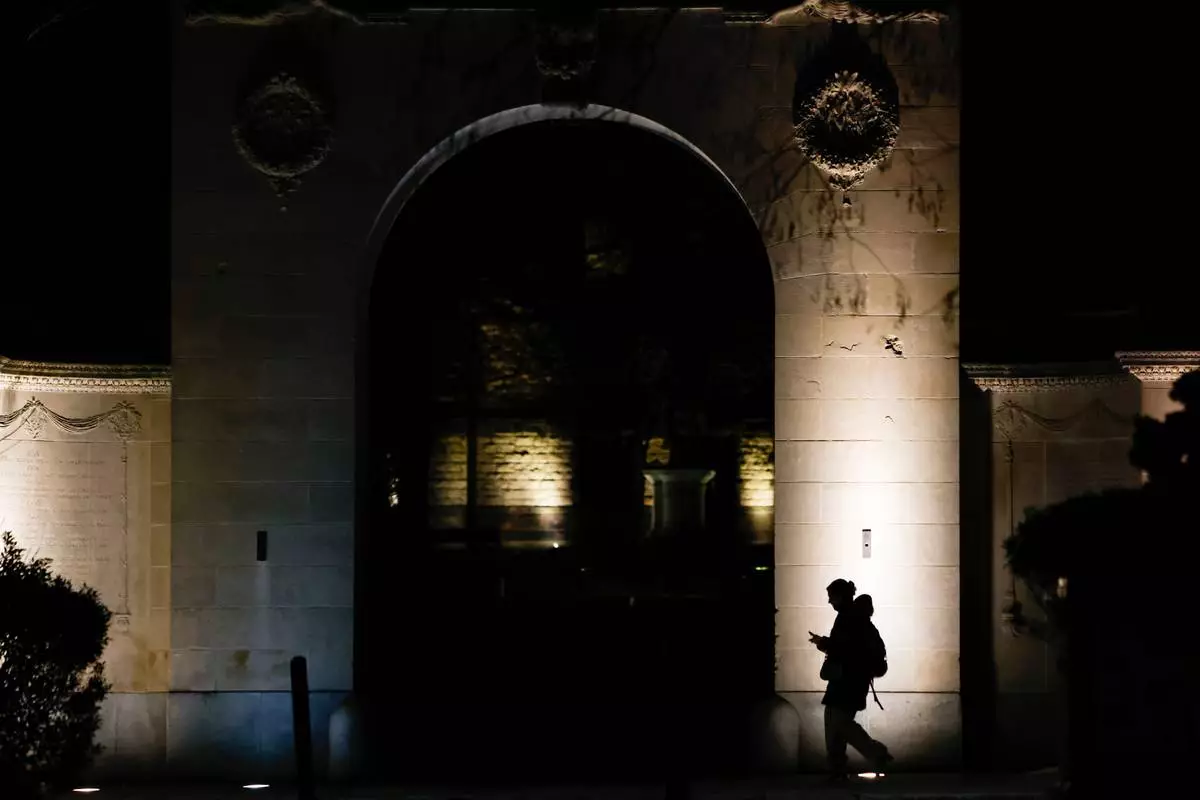
A pedestrian walks along Brown University's campus on Thayer St. in Providence, R.I., Wednesday, Dec. 17, 2025. (Lily Speredelozzi/The Sun Chronicle via AP)
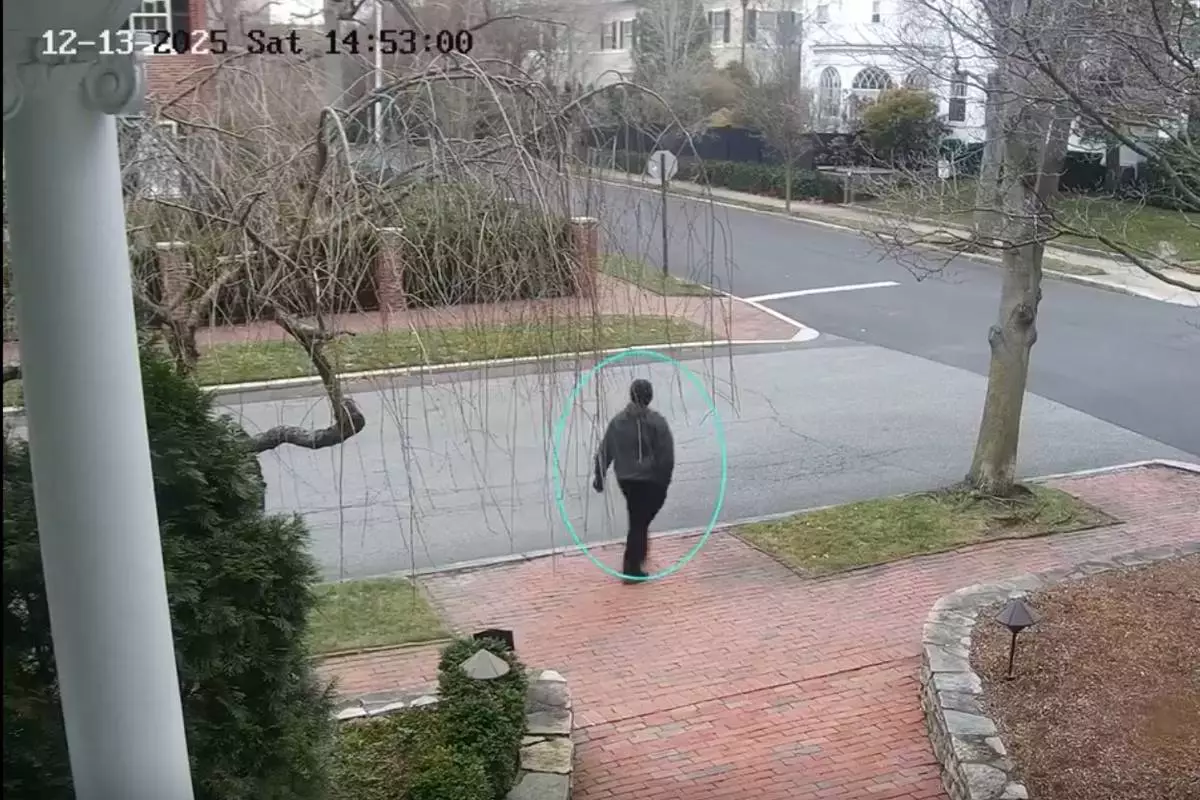
This image taken from video provided by the FBI shows a person of interest in the investigation of the shooting that occurred at Brown University, in Providence, R.I., Saturday, Dec. 13, 2025. (FBI via AP)
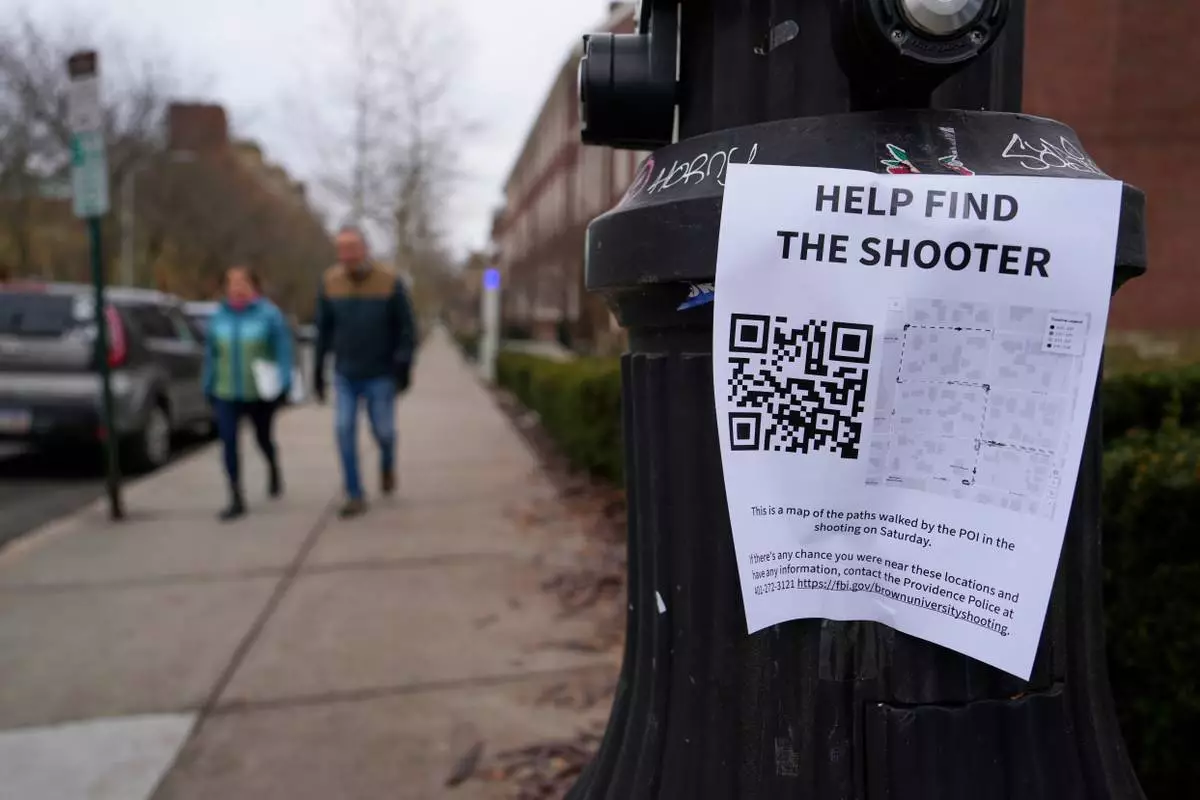
A poster seeking information about the campus shooting suspect is seen on the campus of Brown University, Wednesday, Dec. 17, 2025, in Providence, R.I. (AP Photo/Robert F. Bukaty)
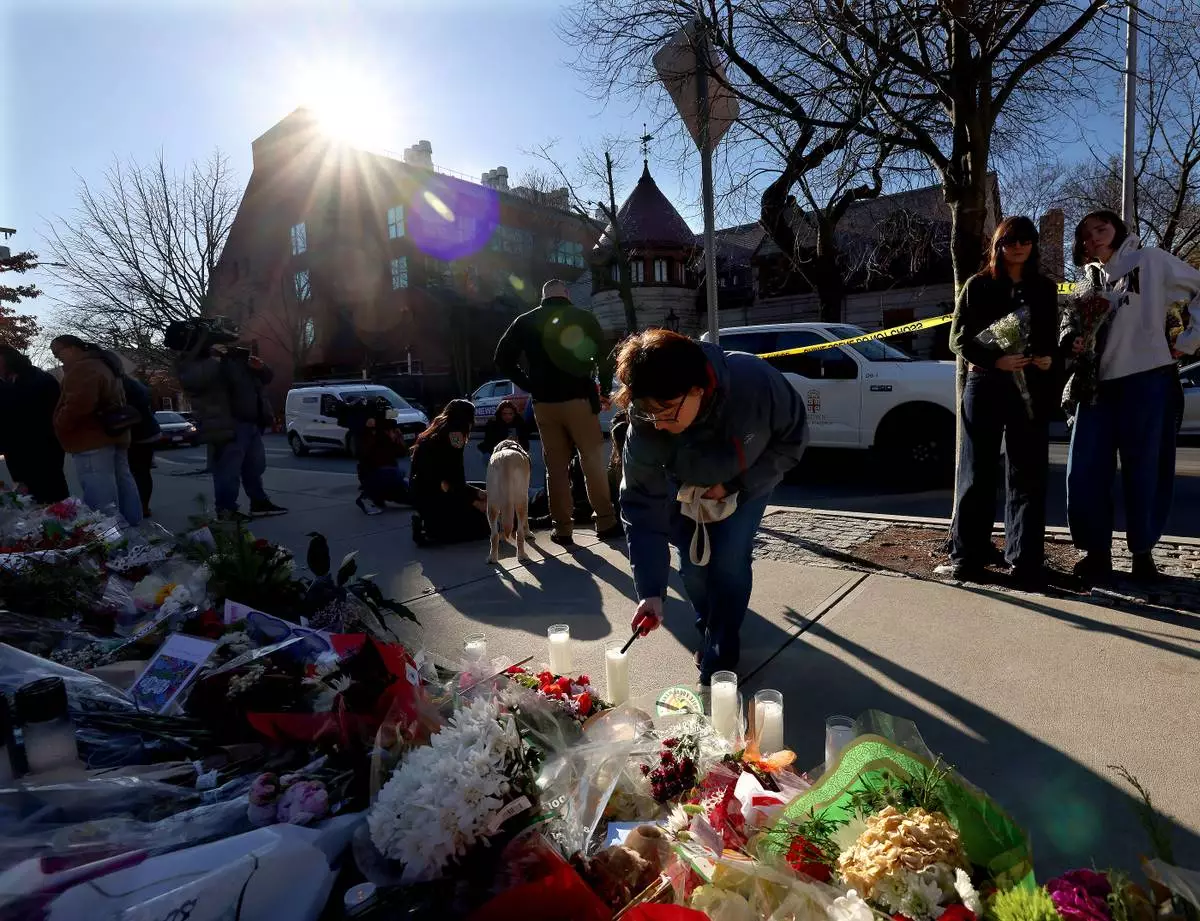
A woman lights a candle at a memorial set up in front of the Barus and Holley engineering building at Brown University in Providence, RI, Thursday, Dec. 18, 2025. (AP Photo/ Mark Stockwell)
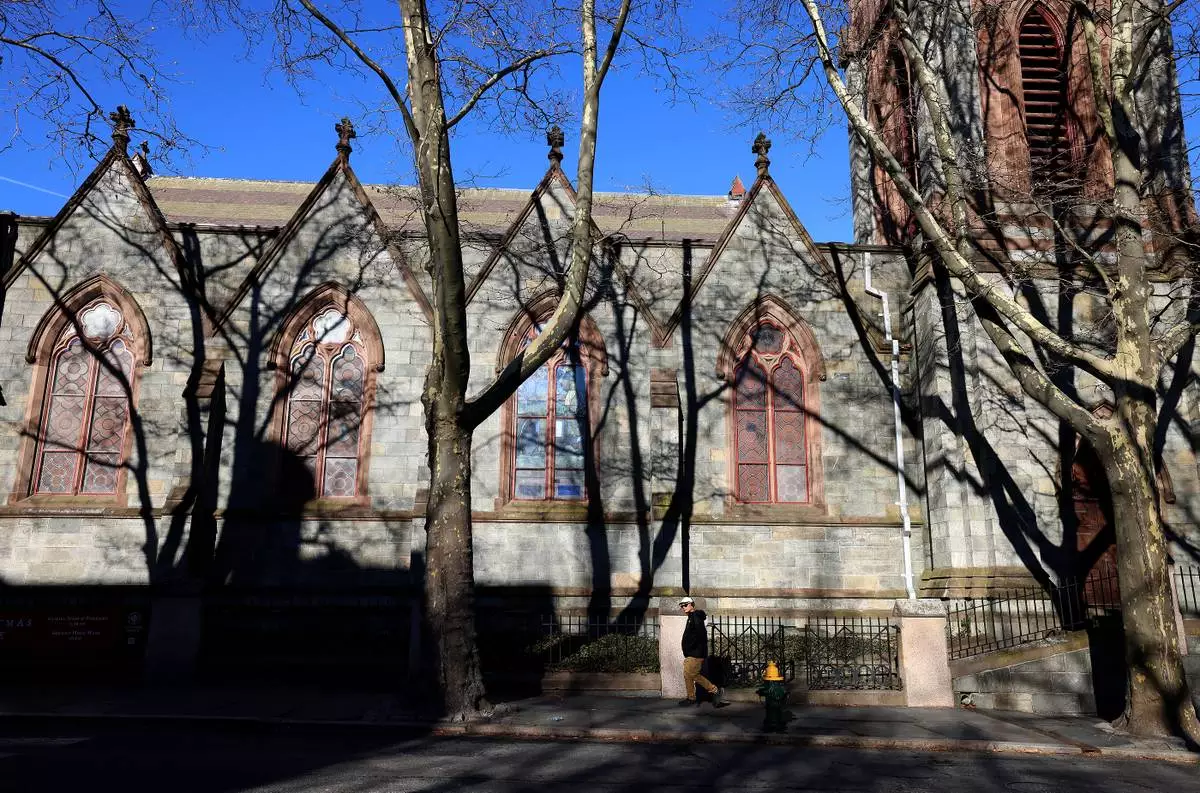
A Brown University student walks past a church on the Providence, RI, campus, Thursday, Dec. 18, 2025. (AP Photo/ Mark Stockwell)