GENEVA (AP) — Switzerland's highest court has upheld the conviction of noted Islamic scholar Tariq Ramadan for rape and sexual coercion handed down by a regional court last year.
The federal court said Thursday it had rejected Ramadan's appeal, which had alleged procedural flaws and an “arbitrary assessment” of the evidence examined by the appeals court in Geneva. That ruling had overruled an acquittal by a lower court.
The court decision included intimate details of Ramadan allegedly forcing a woman to have sex and preventing her from leaving a Geneva hotel room in October 2008, as well as social media exchanges they had before and after.
Defense lawyer Yaël Hayat on Thursday expressed “huge disappointment” at the decision and announced plans to refer the case to the European Court of Human Rights.
“This result is shocking and disturbing,” Hayat said by phone. “For us, there were flaws — or pitfalls in any case — that stood out and made it very clear that Tariq Ramadan was innocent. So obviously the fight continues.”
In September, the Geneva appeals court handed Ramadan, 63, a three-year prison sentence of which two were suspended. He was ordered to pay damages to the plaintiff as well as legal and other fees totaling more than 100,000 Swiss francs (about $118,000).
A lower court had previously cleared Ramadan, citing a lack of material evidence. The 2023 acquittal marked a first victory for the former Oxford scholar who fell from grace after accusations of rape and sexual assault in neighboring France in 2018.
Ramadan, who is Swiss, was handed preliminary charges for rape over two alleged assaults in France over a decade ago. He was jailed in February 2018 and released on bail nine months later, pending trial.
A third woman filed a rape complaint against him in France in March 2023.
The outspoken scholar has consistently denied wrongdoing and filed suits saying the allegations were false.
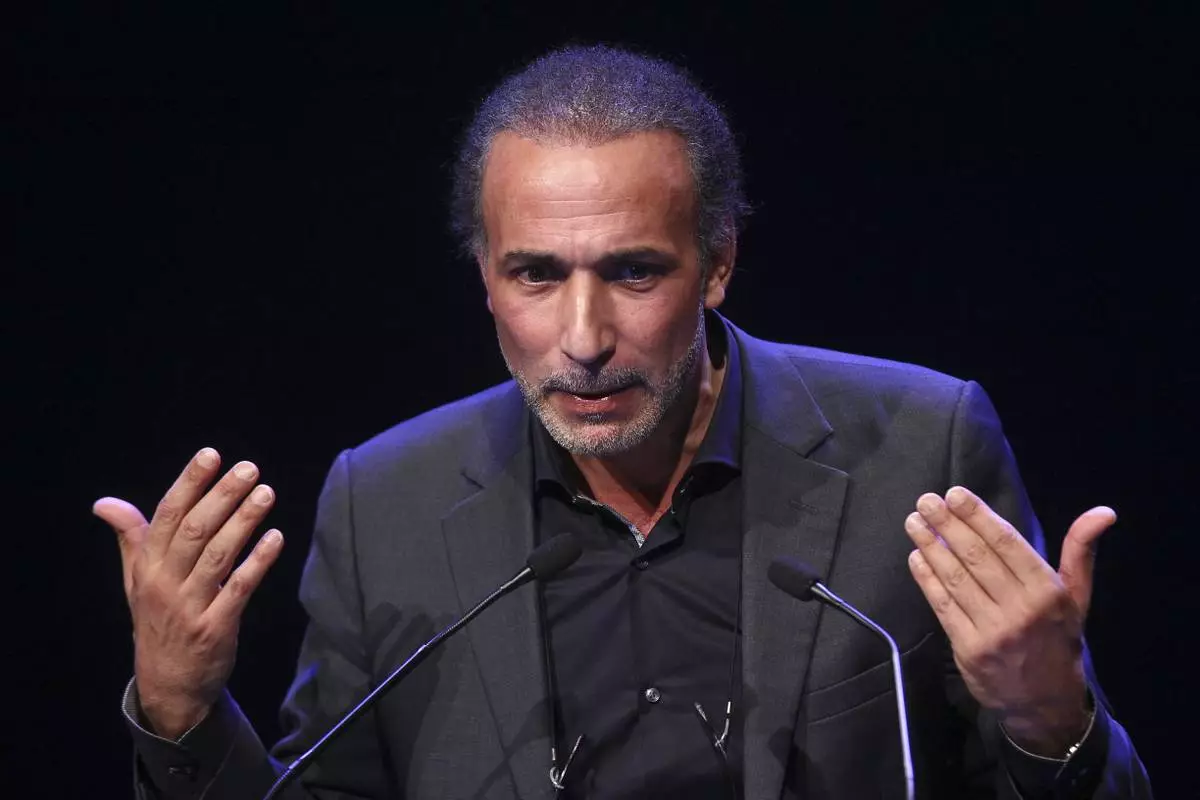
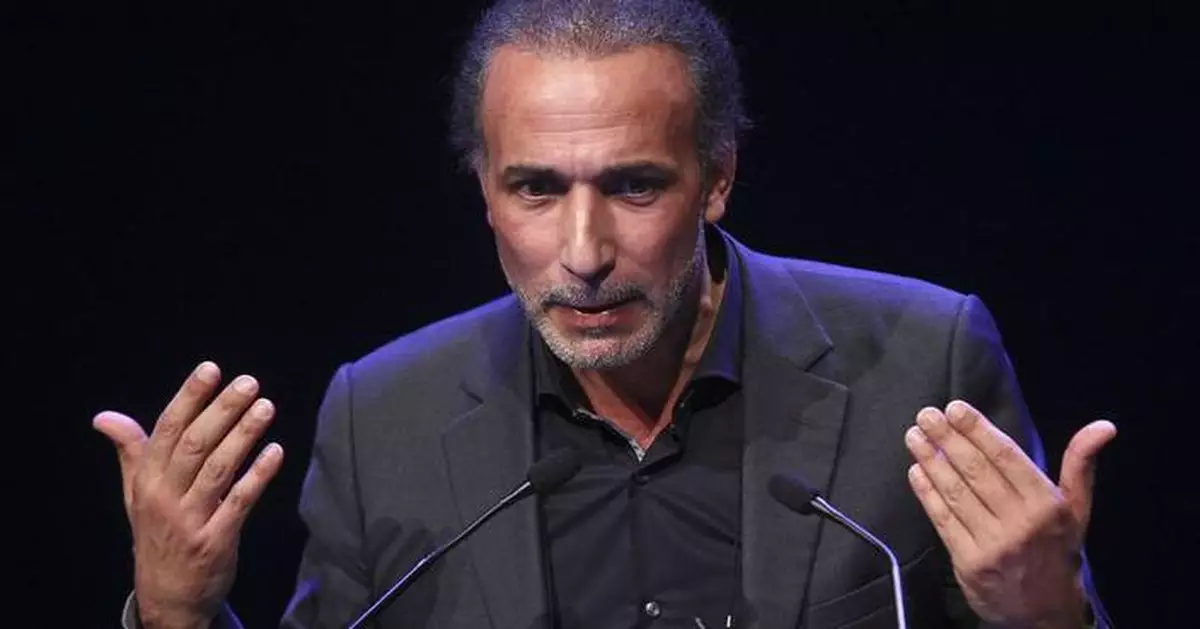
FILE - Muslim scholar Tariq Ramadan delivers a speech during a French Muslim organizations meeting in Lille, northern France, Feb. 7, 2016. (AP Photo/Michel Spingler, File)
SEOUL, South Korea (AP) — A South Korean court sentenced former President Yoon Suk Yeol to five years in prison Friday in the first verdict from eight criminal trials over the martial law debacle that forced him out of office and other allegations.
Yoon was impeached, arrested and dismissed as president after his short-lived imposition of martial law in December 2024 triggered huge public protests calling for his ouster.
The most significant criminal charge against him alleges that his martial law enforcement amounted to a rebellion, and the independent counsel has requested the death sentence in the case that is to be decided in a ruling next month.
In Friday's case, the Seoul Central District Court sentenced Yoon for defying attempts to detain him, fabricating the martial law proclamation and sidestepping a legally mandated full Cabinet meeting.
Yoon has maintained he didn’t intend to place the country under military rule for an extended period, saying his decree was only meant to inform the people about the danger of the liberal-controlled parliament obstructing his agenda. But investigators have viewed Yoon’s decree as an attempt to bolster and prolong his rule, charging him with rebellion, abuse of power and other criminal offenses.
Judge Baek Dae-hyun said in the televised ruling that imposing “a grave punishment” was necessary because Yoon hasn’t shown remorse and has only repeated “hard-to-comprehend excuses.” The judge also restoring legal systems damaged by Yoon’s action was necessary.
Yoon, who can appeal the ruling, hasn’t immediately publicly responded to the ruling. But when the independent counsel demanded a 10-year prison term in the case, Yoon’s defense team accused them of being politically driven and lacking legal grounds to demand such “an excessive” sentence.
Prison sentences in the multiple, smaller trials Yoon faces would matter if he is spared the death penalty or life imprisonment at the rebellion trial.
Park SungBae, a lawyer who specializes in criminal law, said there is little chance the court would decide Yoon should face the death penalty in the rebellion case. He said the court will likely issue a life sentence or a sentence of 30 years or more in prison.
South Korea has maintained a de facto moratorium on executions since 1997 and courts rarely hand down death sentences. Park said the court would take into account that Yoon’s decree didn’t cause casualties and didn’t last long, although Yoon hasn’t shown genuine remorse for his action.

A supporter of former South Korean President Yoon Suk Yeol shouts slogans outside Seoul Central District Court, in Seoul, South Korea, Friday, Jan. 16, 2026. (AP Photo/Lee Jin-man)

Supporters of former South Korean President Yoon Suk Yeol hold signs and flags outside Seoul Central District Court, in Seoul, South Korea, Friday, Jan. 16, 2026. (AP Photo/Lee Jin-man)
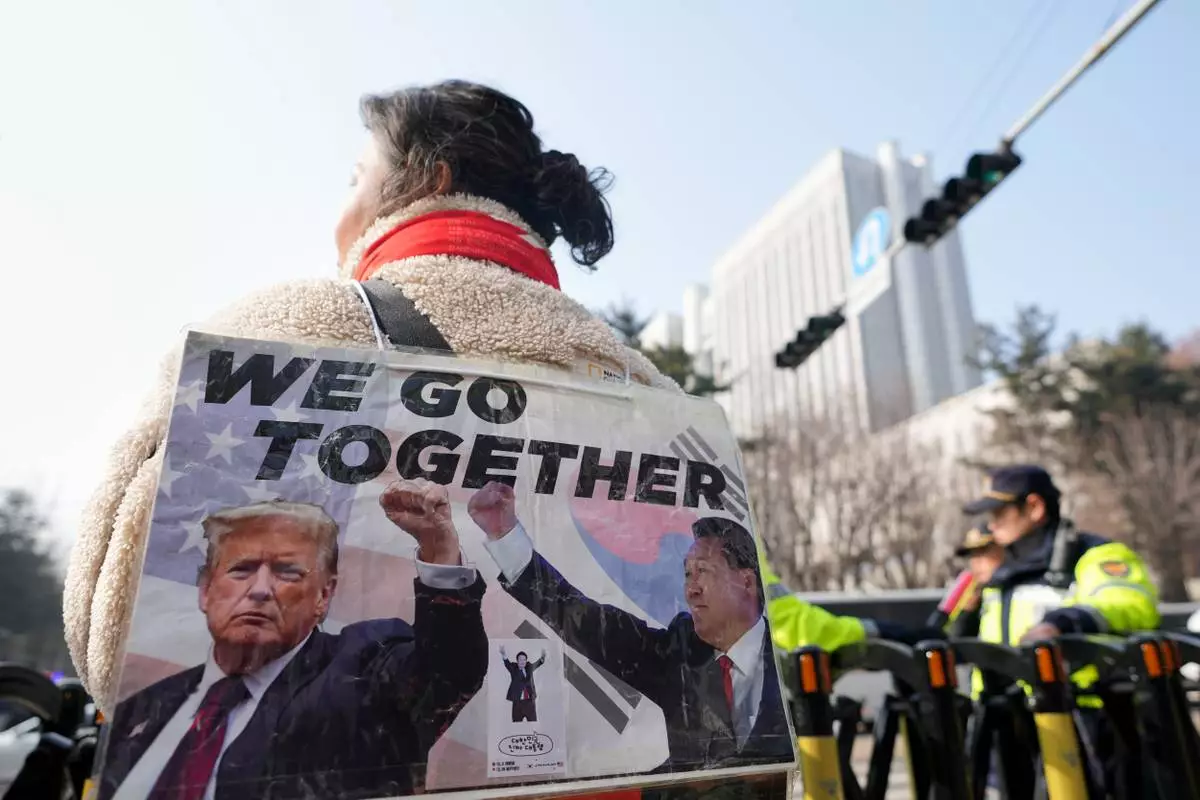
A supporter of former South Korean President Yoon Suk Yeol waits for a bus carrying former South Korean President Yoon Suk Yeol outside Seoul Central District Court, in Seoul, South Korea, Friday, Jan. 16, 2026. (AP Photo/Lee Jin-man)
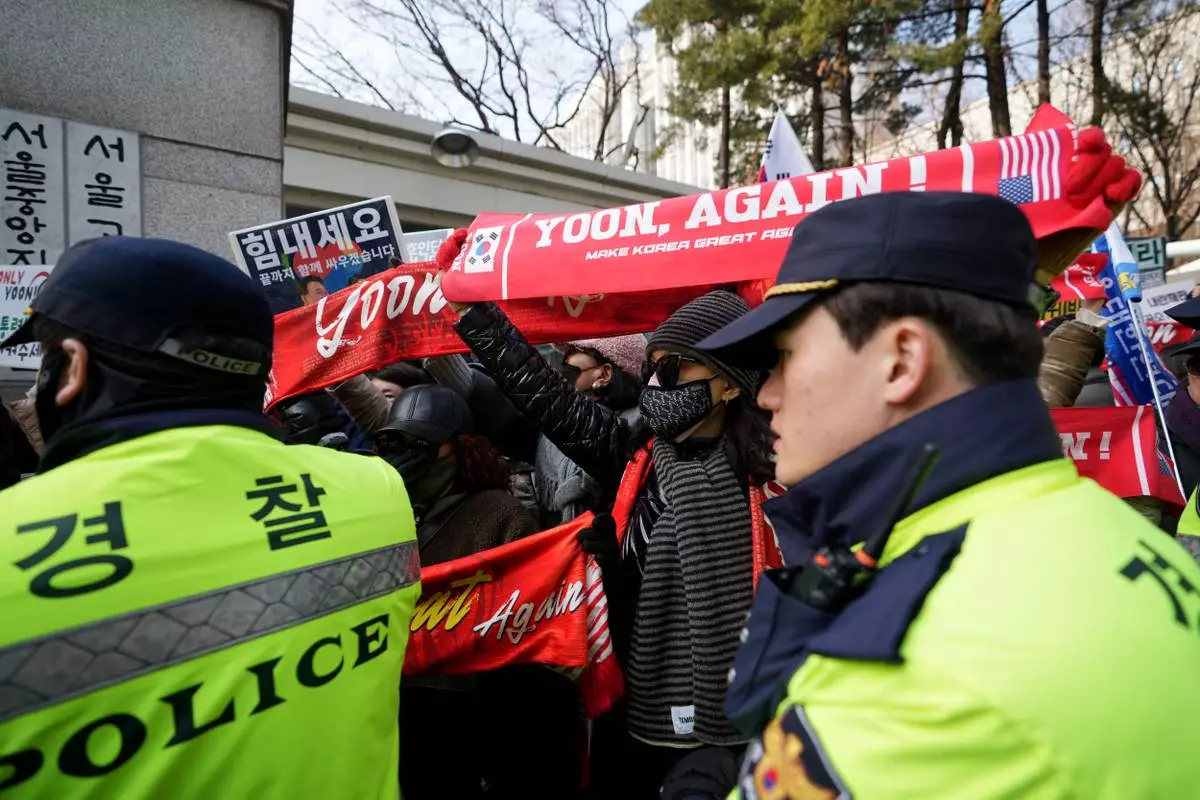
Supporters of former South Korean President Yoon Suk Yeol hold signs as police officers stand guard outside Seoul Central District Court, in Seoul, South Korea, Friday, Jan. 16, 2026. (AP Photo/Lee Jin-man)
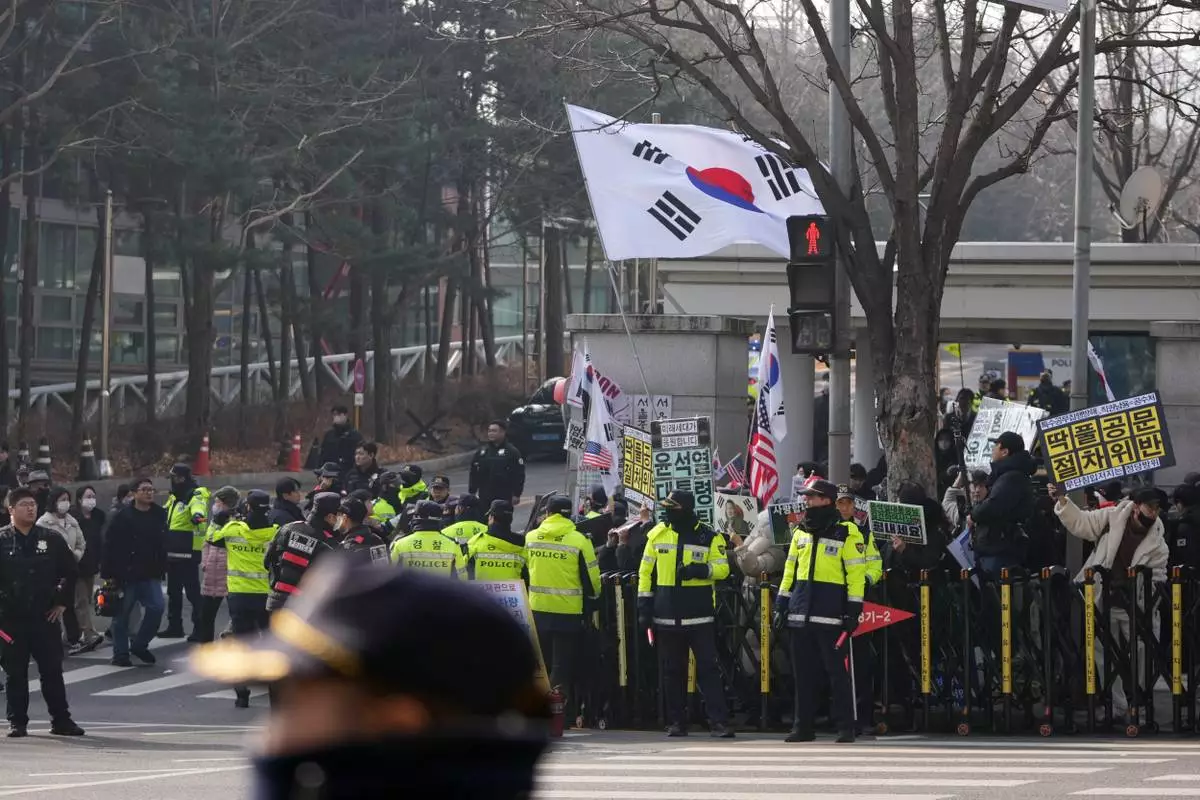
Supporters of former South Korean President Yoon Suk Yeol hold signs and flags outside Seoul Central District Court, in Seoul, South Korea, Friday, Jan. 16, 2026. (AP Photo/Lee Jin-man)
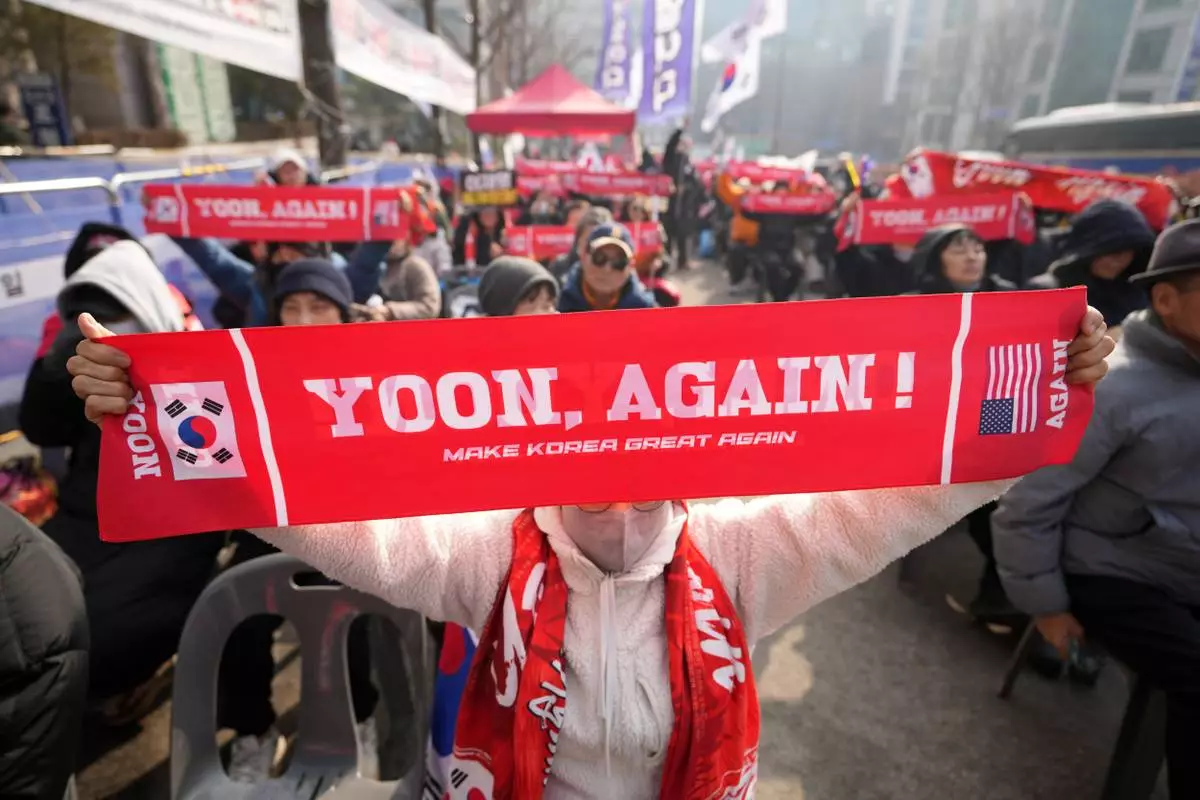
Supporters of former South Korean President Yoon Suk Yeol hold signs outside Seoul Central District Court, in Seoul, South Korea, Friday, Jan. 16, 2026. (AP Photo/Lee Jin-man)
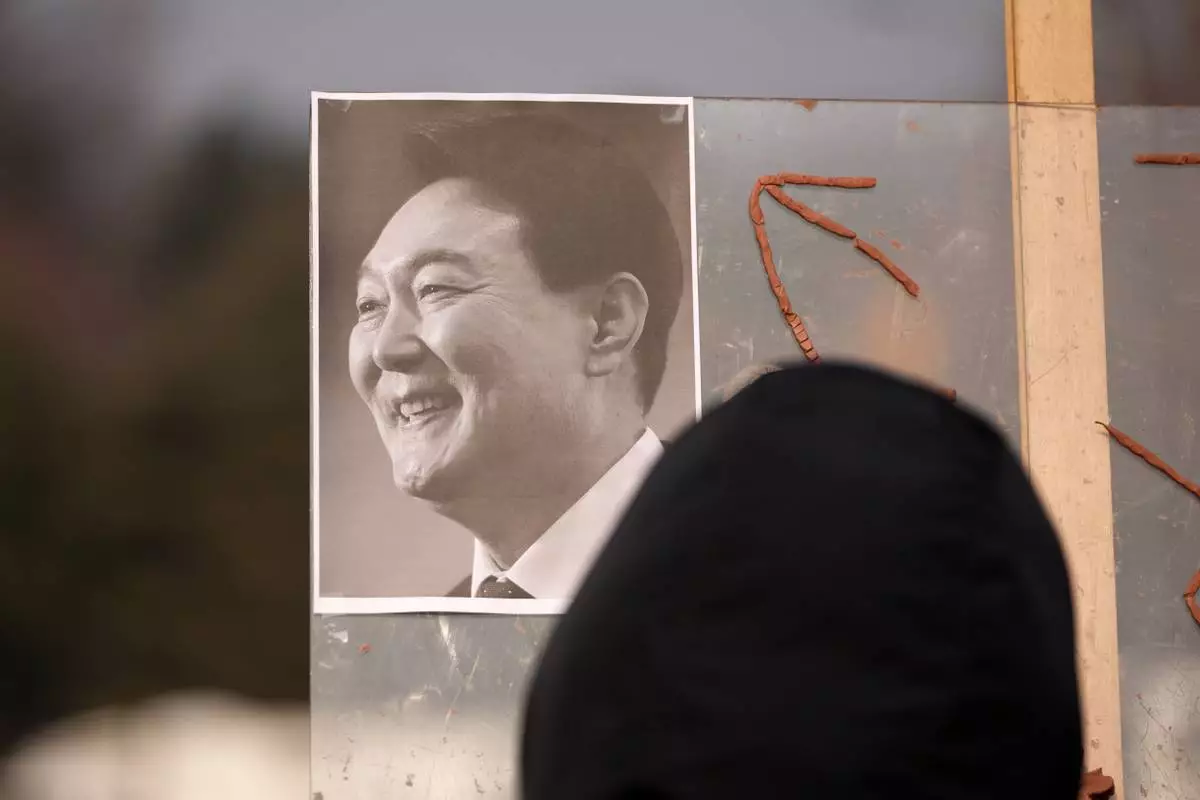
A picture of former South Korean President Yoon Suk Yeol is placed on a board as supporters gather outside Seoul Central District Court, in Seoul, South Korea, Friday, Jan. 16, 2026. (AP Photo/Lee Jin-man)