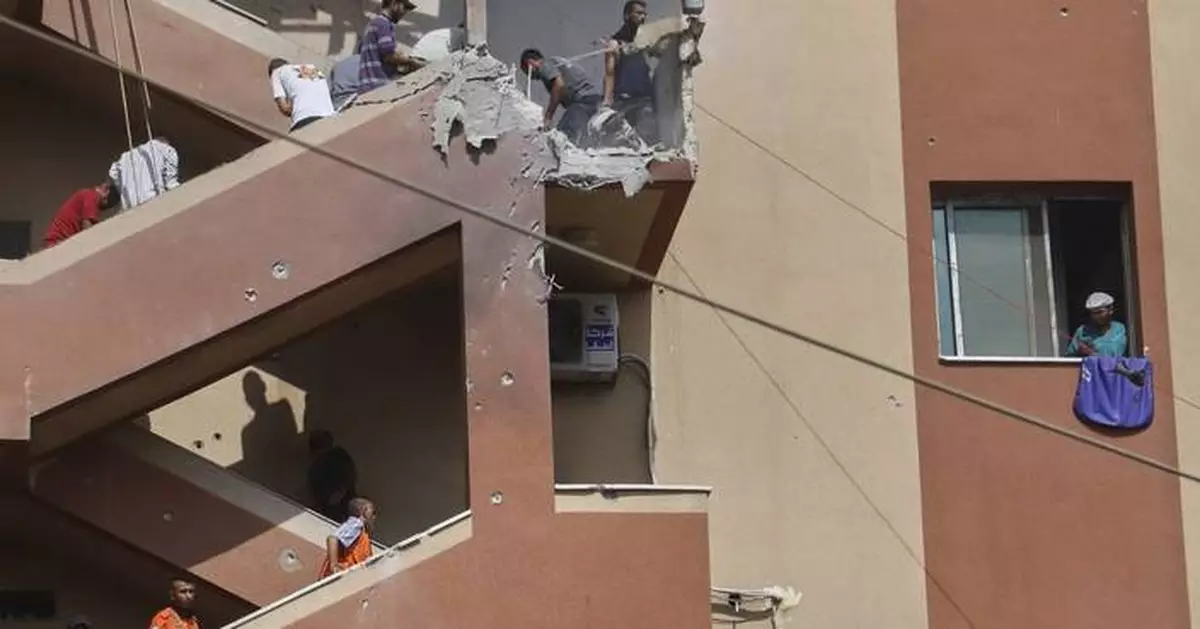
The last photos taken by Mariam Dagga show the damaged stairwell outside a hospital in the Gaza Strip where she would be killed by an Israeli strike moments later.
Dagga, a visual journalist who freelanced for The Associated Press, was among 22 people, including five reporters, killed Monday when Israeli forces struck Nasser Hospital twice in quick succession, according to health officials.
The photos, retrieved from her camera on Wednesday, show people walking up the staircase after it was damaged in the first strike while others look out the windows of the main health facility in southern Gaza.
The Israeli military said it targeted what it believed was a Hamas surveillance camera, without providing evidence. Witnesses and health officials said the first strike killed a cameraman from the Reuters news agency doing a live television shot and a second person who was not named. A senior Hamas official denied that Hamas was operating a camera at the hospital.
Dagga, 33, and other reporters regularly based themselves at Nasser Hospital in Khan Younis during the war. She documented the experiences of ordinary Palestinians who had been displaced from their homes, and doctors who treated wounded or malnourished children.
Algeria’s ambassador to the United Nations, his voice breaking and on the verge of tears, read a letter Wednesday to the U.N. Security Council that Dagga wrote days before she was killed.
It was addressed to her 13-year-old son, Ghaith, who left Gaza at the start of the war to live with his father in the United Arab Emirates.
Holding up a photo of Dagga, Amar Bendjama called her “a young and beautiful mother” whose only weapon was a camera.
“Ghaith. You are the heart and soul of your mother,” Bendjama quoted Dagga as writing. “When I die, I want you to pray for me, not to cry for me.”
“I want you never, never to forget me. I did everything to keep you happy and safe and when you grow, when you marry, and when you have a daughter, name her Mariam after me.”
This story was first published on Aug. 27, 2025. It was updated on Aug. 29, 2025, to correct the transliteration of the name of journalist Mariam Dagga’s son in one instance. He is Ghaith, not Gaith.
Follow AP’s war coverage at https://apnews.com/hub/israel-hamas-war

Freelance journalist Mariam Dagga, 33, who had been working with the Associated Press and other outlets during the Gaza war, poses for a portrait in Khan Younis, southern Gaza Strip, on June 14, 2024. Dagga was one of several journalists killed along with other people in Israeli strikes on Nasser Hospital in Khan Younis on Monday, Aug. 25, 2025. (AP Photo/Jehad Alshrafi)
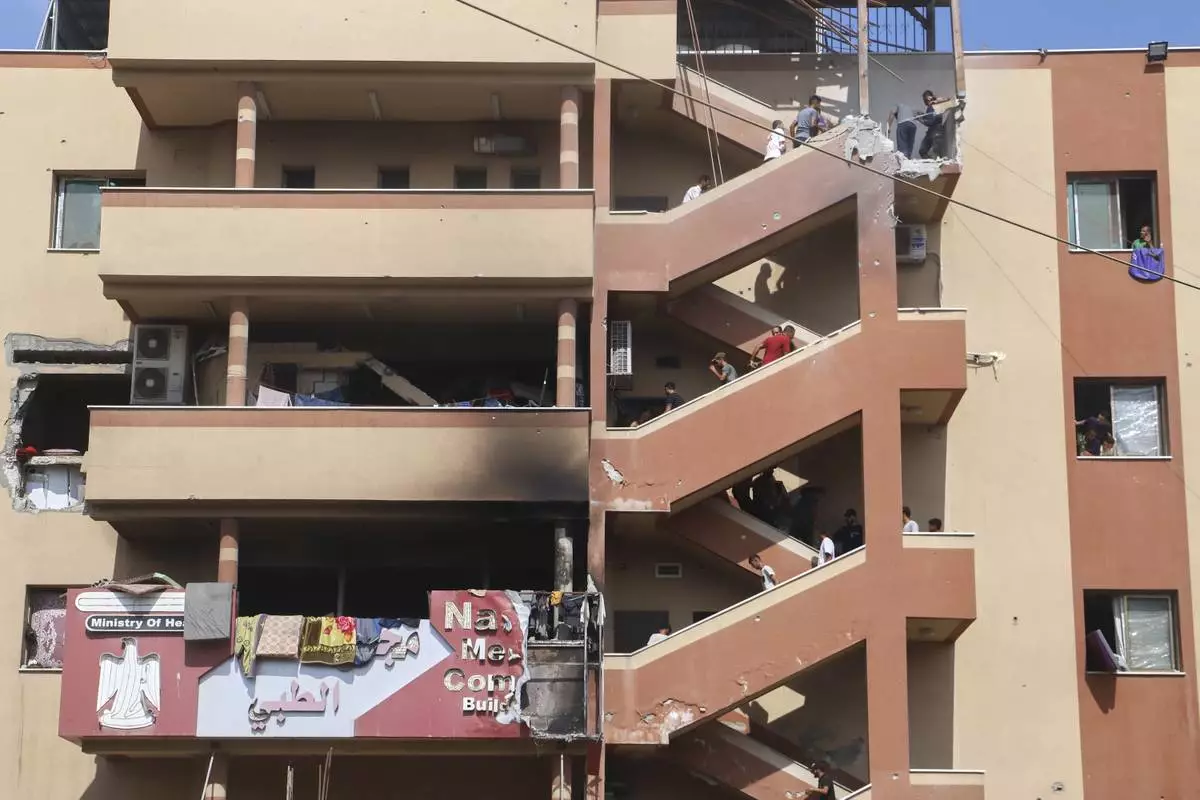
People walk up the stairs to the site of an Israeli strike, minutes before a second strike hit the same spot, killing at least 22 people in total, including five journalists, at Nasser Hospital in Khan Younis, southern Gaza Strip, Monday, Aug. 25, 2025. This was one of the last photos taken by journalist Mariam Dagga, who freelanced for The Associated Press and other outlets, before she walked to the site and was killed in the second strike. (AP Photo/Mariam Dagga)
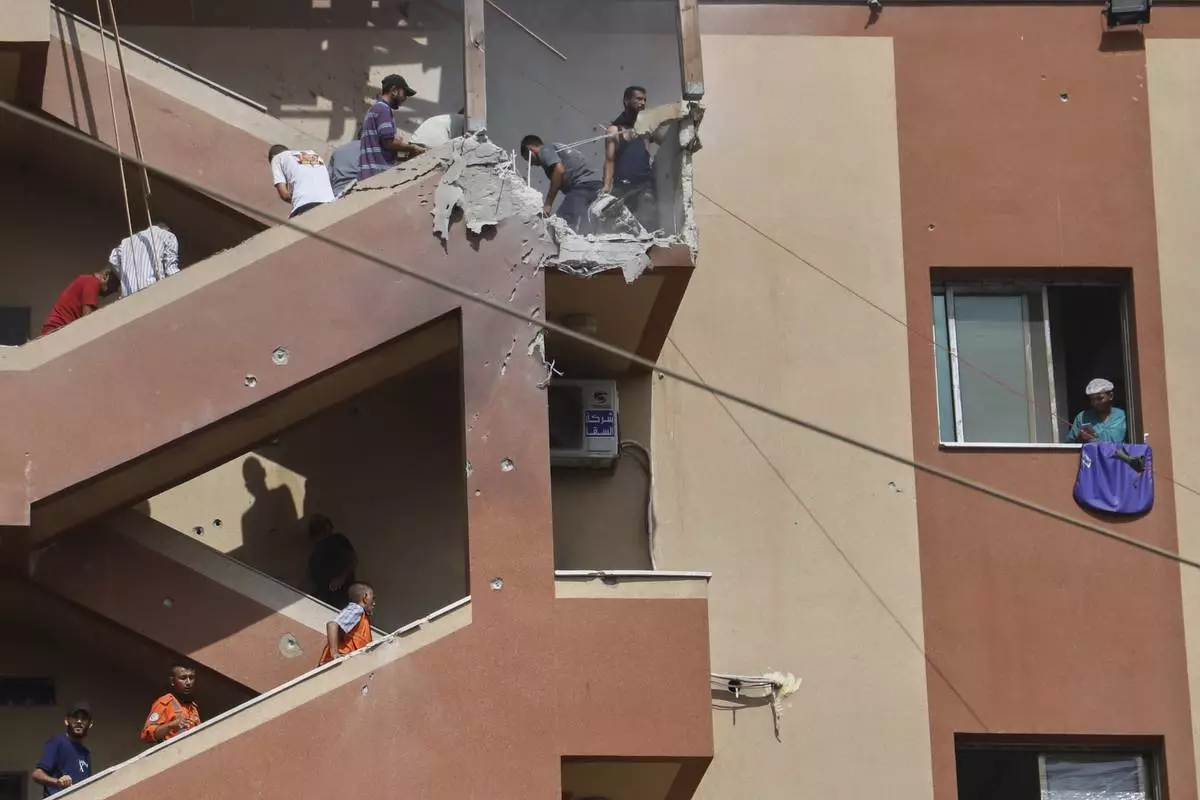
People walk up the stairs to the site of an Israeli strike, minutes before a second strike hit the same spot, killing at least 22 people in total, including five journalists, at Nasser Hospital in Khan Younis, southern Gaza Strip, Monday, Aug. 25, 2025. This was one of the last photos taken by journalist Mariam Dagga, who freelanced for The Associated Press and other outlets, before she walked to the site and was killed in the second strike. (AP Photo/Mariam Dagga)
SEOUL, South Korea (AP) — A South Korean court sentenced former President Yoon Suk Yeol to five years in prison Friday in the first verdict from eight criminal trials over the martial law debacle that forced him out of office and other allegations.
Yoon was impeached, arrested and dismissed as president after his short-lived imposition of martial law in December 2024 triggered huge public protests calling for his ouster.
The most significant criminal charge against him alleges that his martial law enforcement amounted to a rebellion, and the independent counsel has requested the death sentence in the case that is to be decided in a ruling next month.
In Friday's case, the Seoul Central District Court sentenced Yoon for defying attempts to detain him, fabricating the martial law proclamation and sidestepping a legally mandated full Cabinet meeting.
Yoon has maintained he didn’t intend to place the country under military rule for an extended period, saying his decree was only meant to inform the people about the danger of the liberal-controlled parliament obstructing his agenda. But investigators have viewed Yoon’s decree as an attempt to bolster and prolong his rule, charging him with rebellion, abuse of power and other criminal offenses.
Judge Baek Dae-hyun said in the televised ruling that imposing “a grave punishment” was necessary because Yoon hasn’t shown remorse and has only repeated “hard-to-comprehend excuses.” The judge also restoring legal systems damaged by Yoon’s action was necessary.
Yoon, who can appeal the ruling, hasn’t immediately publicly responded to the ruling. But when the independent counsel demanded a 10-year prison term in the case, Yoon’s defense team accused them of being politically driven and lacking legal grounds to demand such “an excessive” sentence.
Prison sentences in the multiple, smaller trials Yoon faces would matter if he is spared the death penalty or life imprisonment at the rebellion trial.
Park SungBae, a lawyer who specializes in criminal law, said there is little chance the court would decide Yoon should face the death penalty in the rebellion case. He said the court will likely issue a life sentence or a sentence of 30 years or more in prison.
South Korea has maintained a de facto moratorium on executions since 1997 and courts rarely hand down death sentences. Park said the court would take into account that Yoon’s decree didn’t cause casualties and didn’t last long, although Yoon hasn’t shown genuine remorse for his action.

A supporter of former South Korean President Yoon Suk Yeol shouts slogans outside Seoul Central District Court, in Seoul, South Korea, Friday, Jan. 16, 2026. (AP Photo/Lee Jin-man)

Supporters of former South Korean President Yoon Suk Yeol hold signs and flags outside Seoul Central District Court, in Seoul, South Korea, Friday, Jan. 16, 2026. (AP Photo/Lee Jin-man)
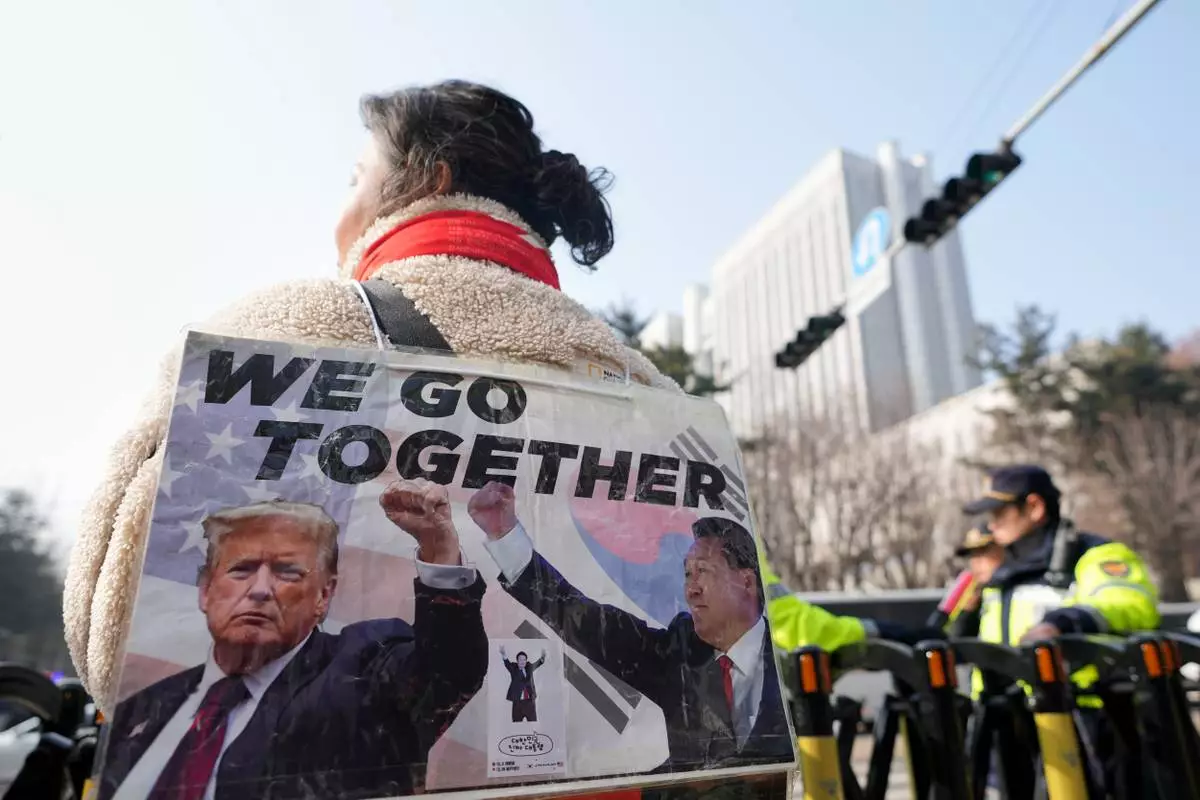
A supporter of former South Korean President Yoon Suk Yeol waits for a bus carrying former South Korean President Yoon Suk Yeol outside Seoul Central District Court, in Seoul, South Korea, Friday, Jan. 16, 2026. (AP Photo/Lee Jin-man)
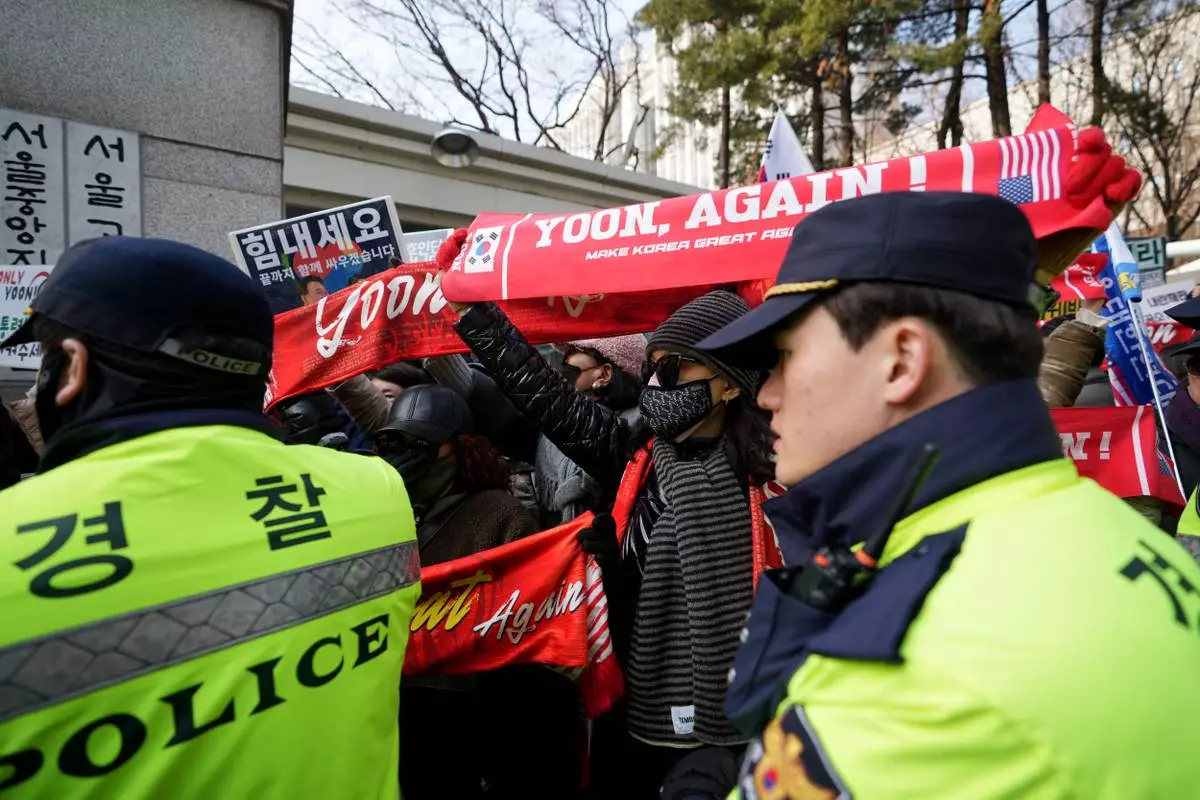
Supporters of former South Korean President Yoon Suk Yeol hold signs as police officers stand guard outside Seoul Central District Court, in Seoul, South Korea, Friday, Jan. 16, 2026. (AP Photo/Lee Jin-man)
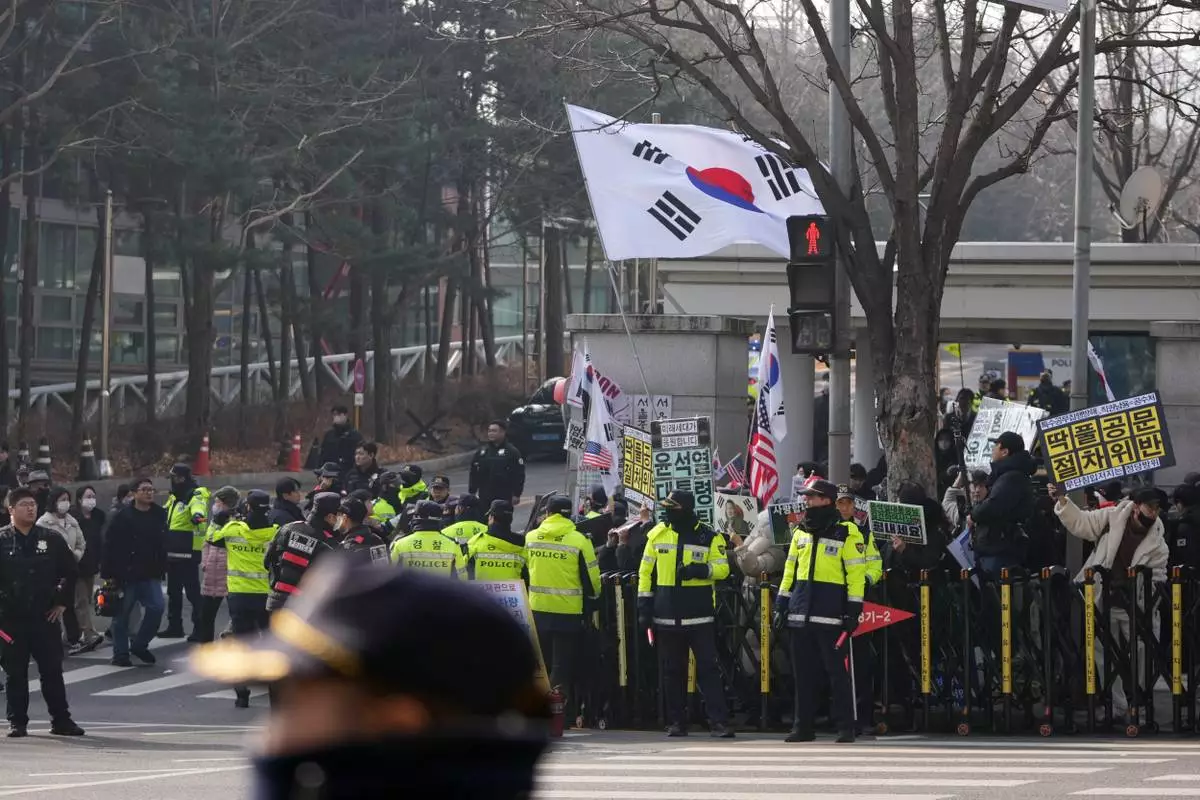
Supporters of former South Korean President Yoon Suk Yeol hold signs and flags outside Seoul Central District Court, in Seoul, South Korea, Friday, Jan. 16, 2026. (AP Photo/Lee Jin-man)
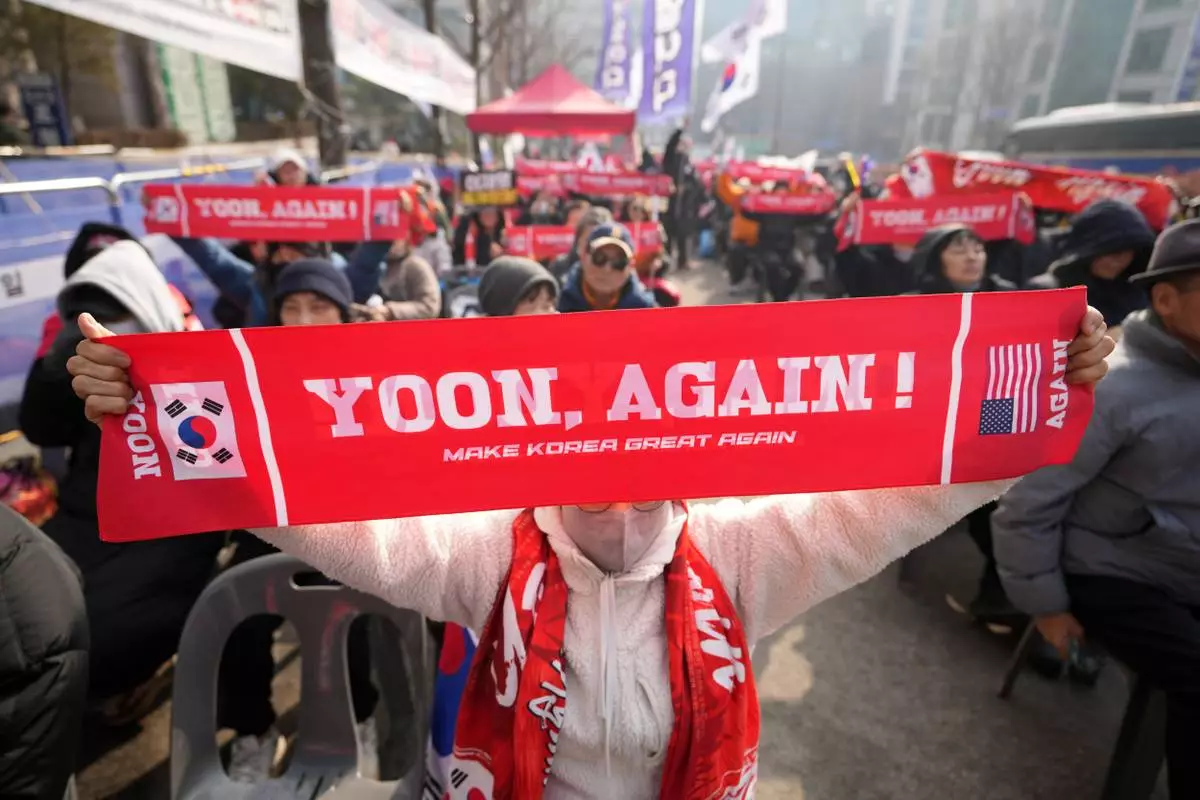
Supporters of former South Korean President Yoon Suk Yeol hold signs outside Seoul Central District Court, in Seoul, South Korea, Friday, Jan. 16, 2026. (AP Photo/Lee Jin-man)
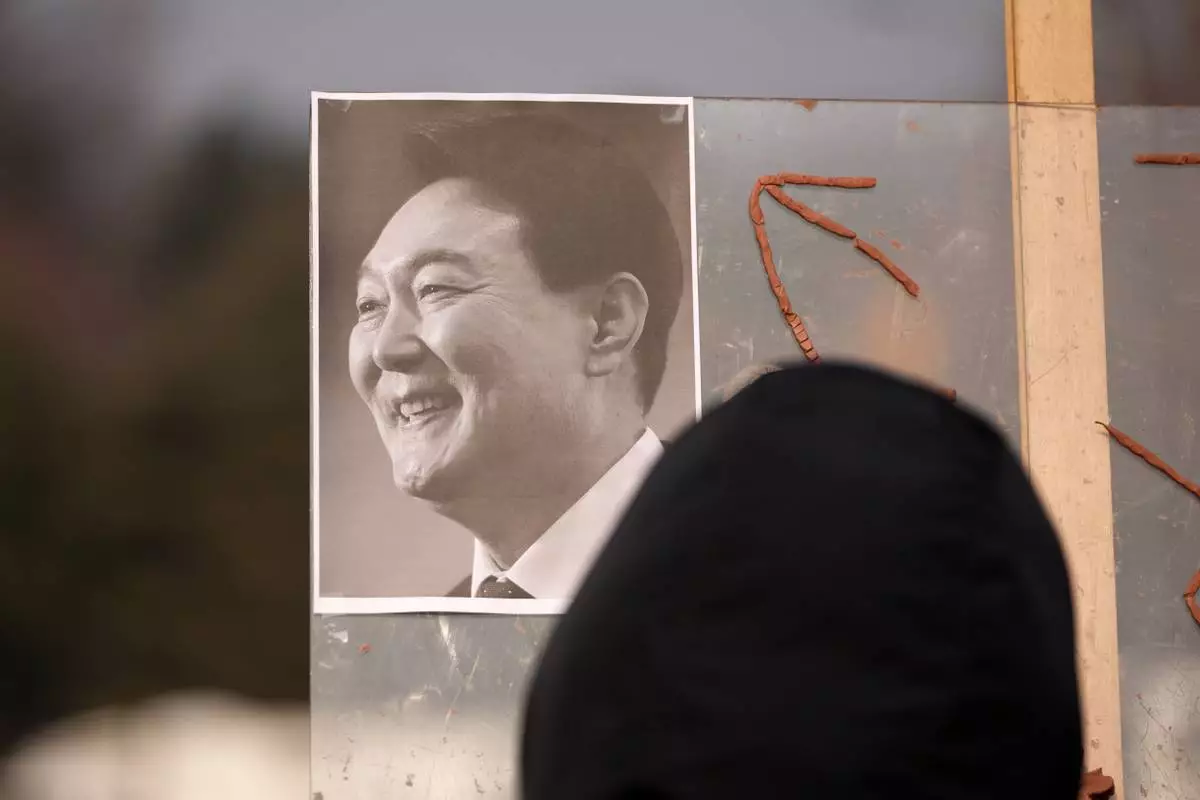
A picture of former South Korean President Yoon Suk Yeol is placed on a board as supporters gather outside Seoul Central District Court, in Seoul, South Korea, Friday, Jan. 16, 2026. (AP Photo/Lee Jin-man)