CHP investigates two food poisoning clusters
The Centre for Health Protection (CHP) of the Department of Health is today (August 29) investigating two epidemiologically linkedfood poisoning clusters affecting four persons, and reminded the public to maintain personal, food and environmental hygiene to prevent foodborne diseases.
The two clusters involved one male and three females aged between 26 and 33, who developed abdominal pain and diarrhoea, about 11 to 15 hours after having meals at Huo Huo Chicken at Shop No. G255 on the ground floor of Amoy Plaza of Amoy Gardens, Phase II, 77 Ngau Tau Kok Road, Kowloon Bay, on August 23.
All affected persons did not seek medical advice. They are in stable condition.
A preliminary investigation by the CHP revealed that the affected persons had consumed common food, including Taiwanese sauce chicken rice and shallot sauce chicken rice. Staff of the CHP and the Food and Environmental Hygiene Department (FEHD), including personnel of the Centre for Food Safety (CFS) and Environmental Hygiene Branch, conducted a joint investigation at the restaurant, examined the handling process and food hygiene, and collected food and environmental samples for testing.
A preliminary investigation showed that the sauce concerned was prepared too early in advance and was stored under an improper temperature for a prolonged period. The CFS immediately instructed the premises concerned to suspend serving the incriminated food items with immediate effect and carry out cleaning and disinfection of the premises. The officers have also provided health education related to food safety and environmental hygiene to the staff of the premises.
The investigation of the CHP and CFS is ongoing.
To prevent foodborne diseases, members of the public are reminded to maintain personal, food and environmental hygiene at all times. When dining out, one should:
 Avoid eating raw seafood;
Be a discerning consumer in choosing cold dishes, including sashimi, sushi and raw oysters at a buffet;
Choose pasteurised eggs, egg products or dried egg powder for dishes that often use lightly cooked or uncooked eggs;
Patronise only reliable and licensed restaurants;
Store and reheat precooked or leftover foods properly before consumption;
Ensure food is thoroughly cooked before eating during a hotpot or barbecue meal;
Handle raw and cooked foods carefully and separate them completely during the cooking process;
Use two sets of chopsticks and utensils to handle raw and cooked foods;
Avoid patronising illegal food hawkers;
Drink boiled water;
Susceptible populations, including those with weakened immunity, the elderly, pregnant women and young children are at a higher risk of foodborne diseases, so they should not consume raw or undercooked foods;
Refrain from trying to use salt, vinegar, wine or wasabi to kill bacteria as they are not effective; and
Always wash hands before eating and after going to the toilet.
Avoid eating raw seafood;
Be a discerning consumer in choosing cold dishes, including sashimi, sushi and raw oysters at a buffet;
Choose pasteurised eggs, egg products or dried egg powder for dishes that often use lightly cooked or uncooked eggs;
Patronise only reliable and licensed restaurants;
Store and reheat precooked or leftover foods properly before consumption;
Ensure food is thoroughly cooked before eating during a hotpot or barbecue meal;
Handle raw and cooked foods carefully and separate them completely during the cooking process;
Use two sets of chopsticks and utensils to handle raw and cooked foods;
Avoid patronising illegal food hawkers;
Drink boiled water;
Susceptible populations, including those with weakened immunity, the elderly, pregnant women and young children are at a higher risk of foodborne diseases, so they should not consume raw or undercooked foods;
Refrain from trying to use salt, vinegar, wine or wasabi to kill bacteria as they are not effective; and
Always wash hands before eating and after going to the toilet.
Source: AI-found images
Hong Kong Customs detects two drug trafficking cases involving passengers at airport
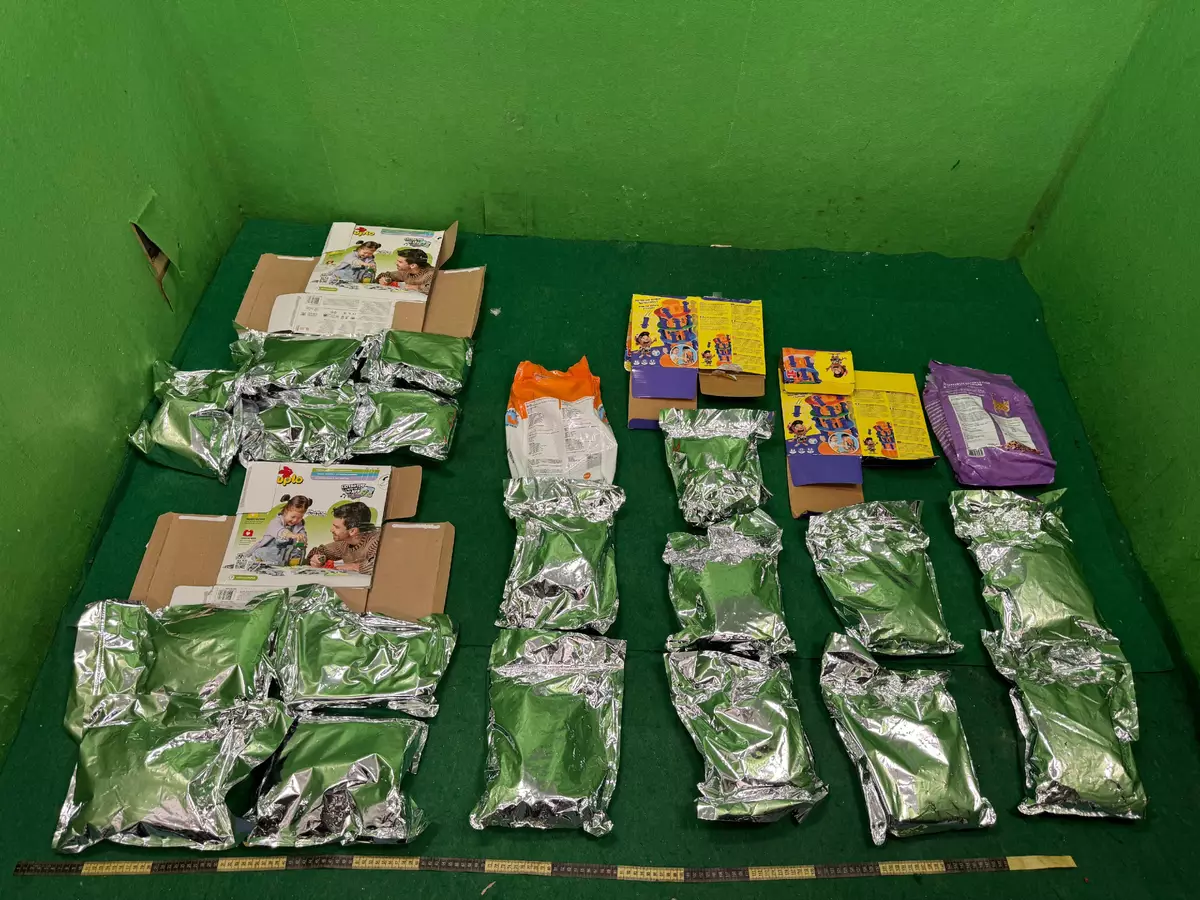
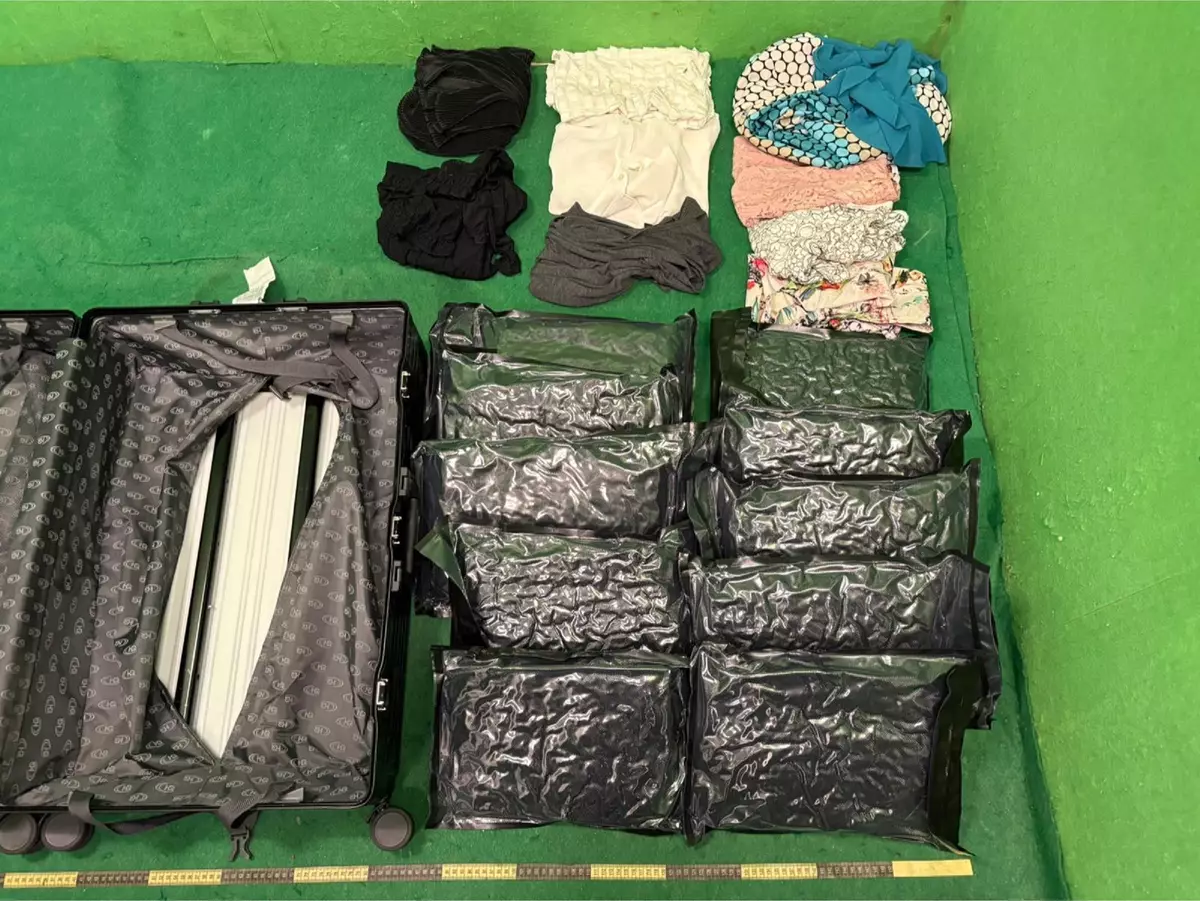
Hong Kong Customs today (May 26) detected two drug trafficking cases involving passengers at Hong Kong International Airport and seized about 11 kilograms of suspected cannabis buds and 18kg of suspected ketamine, with a total estimated market value of about $8.85 million. Two men were arrested.
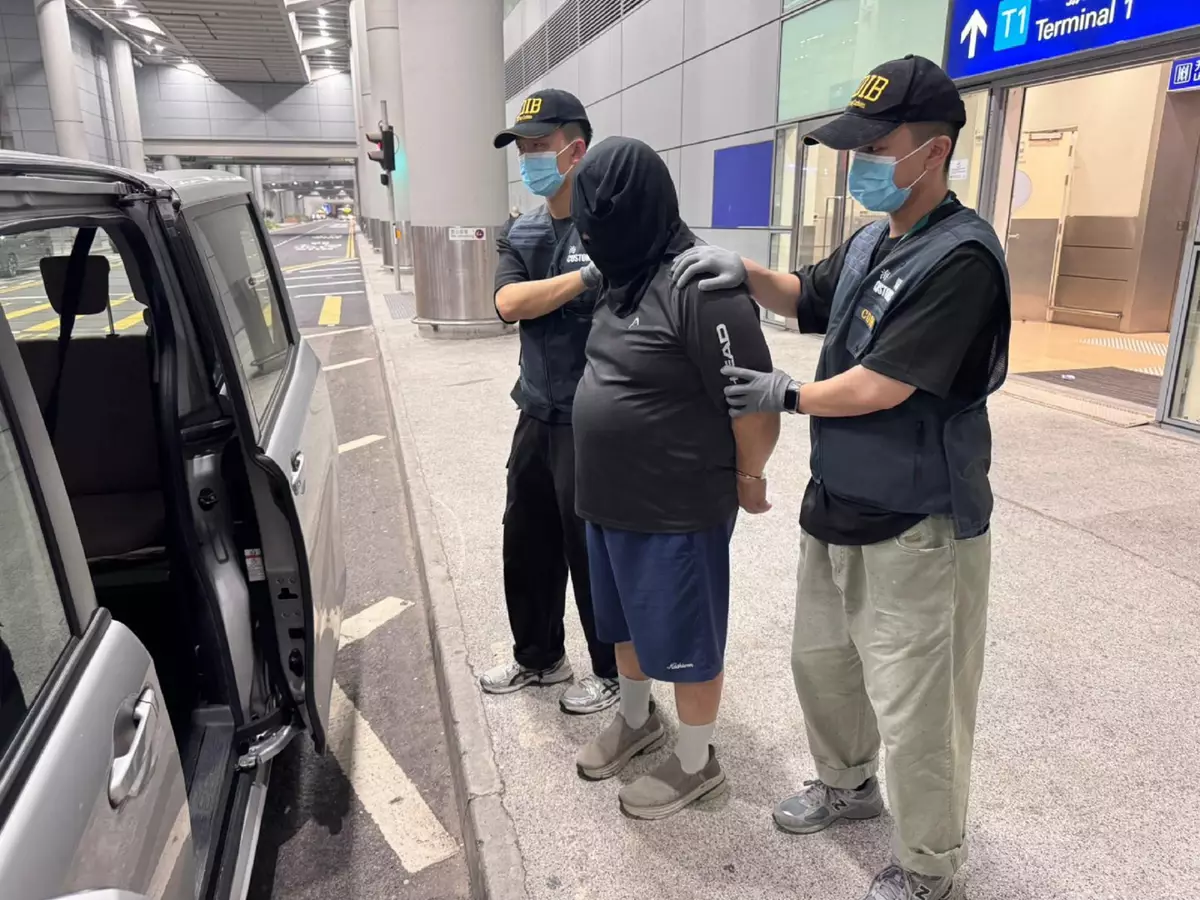
The first case involved a 62-year-old male passenger arriving in Hong Kong from Bangkok, Thailand, today. During customs clearance, Customs officers found about 11kg of suspected cannabis buds, with an estimated market of about $2 million, inside his check-in baggage. The man was subsequently arrested.
The second case involved a 58-year-old male passenger arriving in Hong Kong from Paris, France, today. During customs clearance, Customs officers found about 18kg of suspected ketamine, with an estimated market of about $6.85 million, inside his check-in baggage. The man was subsequently arrested.
The arrested person in the first case has been charged with one count of trafficking in a dangerous drug and the case will be brought up at the West Kowloon Magistrates' Courts tomorrow (May 27). For the second case, an investigation is ongoing.
Customs will continue to step up enforcement against drug trafficking activities through intelligence analysis. The department also reminds members of the public to stay alert and not participate in drug trafficking activities for monetary return. They must not accept hiring or delegation from another party to carry controlled items into and out of Hong Kong. They are also reminded not to carry unknown items for other people.
Customs will continue to apply a risk assessment approach and focus on selecting passengers from high-risk regions for clearance to combat transnational drug trafficking activities.
Under the Dangerous Drugs Ordinance, trafficking in a dangerous drug is a serious offence. The maximum penalty upon conviction is a fine of $5 million and life imprisonment.
Members of the public may report any suspected drug trafficking activities to Customs' 24-hour hotline 182 8080 or its dedicated crime-reporting email account(crimereport@customs.gov.hk) or online form (eform.cefs.gov.hk/form/ced002).
Hong Kong Customs detects two drug trafficking cases involving passengers at airport Source: HKSAR Government Press Releases
Hong Kong Customs detects two drug trafficking cases involving passengers at airport Source: HKSAR Government Press Releases
Hong Kong Customs detects two drug trafficking cases involving passengers at airport Source: HKSAR Government Press Releases
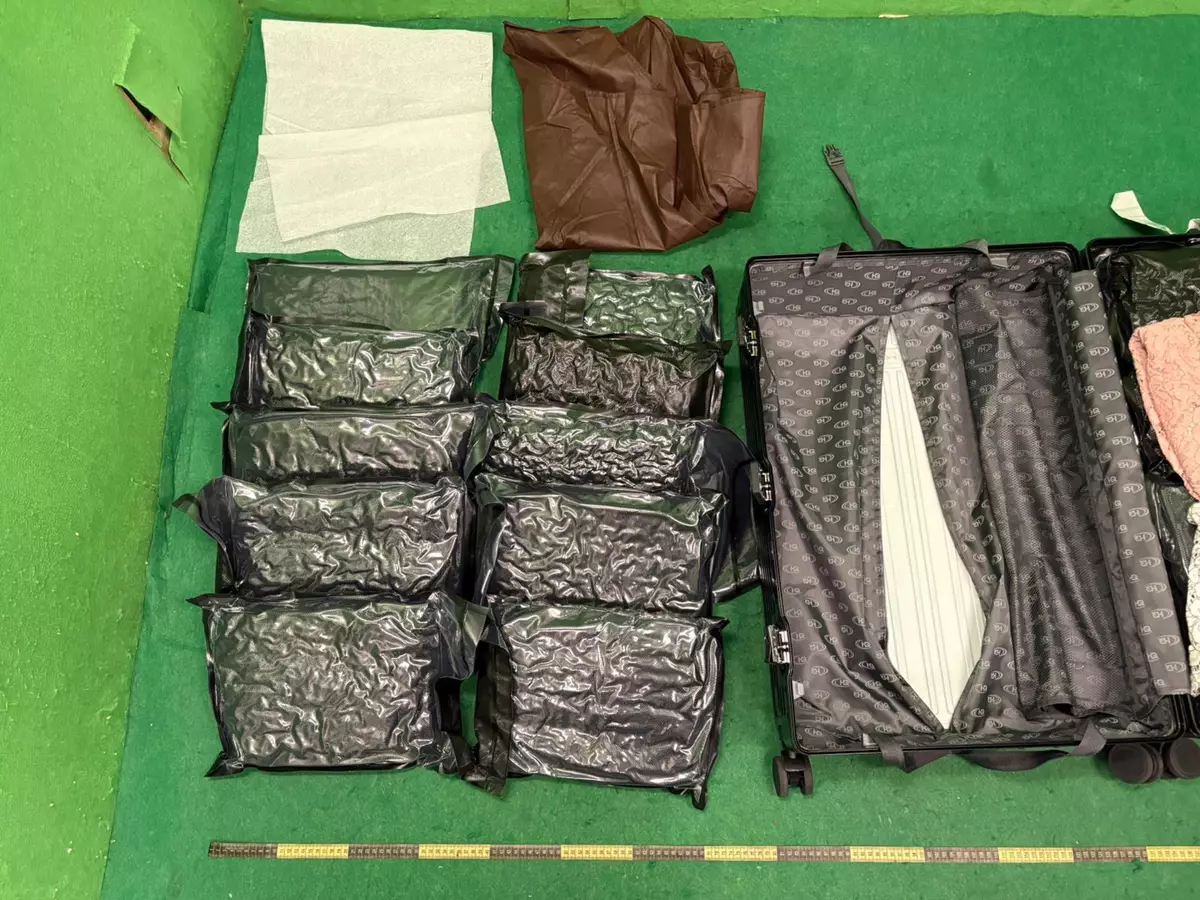
Hong Kong Customs detects two drug trafficking cases involving passengers at airport Source: HKSAR Government Press Releases