The Japanese economy is suffering due to the unpredictable and inconsistent U.S. tariff policies, with the automobile industry taking the heaviest blow, according to Hideo Kumano, chief economist at Dai-ichi Life Research Institute in Tokyo.
Kumano's comments came as Japan's chief tariff negotiator, Ryosei Akazawa, noted on Friday that he needs to make at least one more trip to the U.S. for consultations.
Although a deal reached in July included an agreement to cut tariffs on Japanese car exports to the U.S. to 15 percent, this policy has yet to be implemented, and Japanese car manufactures still face the ongoing 27.5-percent tariffs on car exports to the U.S..
These high tariffs are putting significant pressure on Japanese exporters, said Kumano.
"Japanese companies are still under significant tariff pressure. And if they are compelled to pass a large part of the tariff costs onto their sales prices, that will inevitably curb their sales in the U.S. market," he said.
Affected by the tariff hikes, Japan's auto exports to the U.S. dropped by 28.4 percent year on year to 422 billion yen (about 2.87 billion U.S. dollars) in July, while the export volume decreased by 3.2 percent to 123,500 vehicles, according to data from Japan's Ministry of Finance.
The decline in automakers' exports could further worsen Japan's unemployment and consumption, said Kumano.
"Among the numerous automotive industry clusters across Japan, some have already announced layoffs. A reduction in employment in these regions would lead to decreased consumption, creating a chain reaction that will impact the local economy," he said.
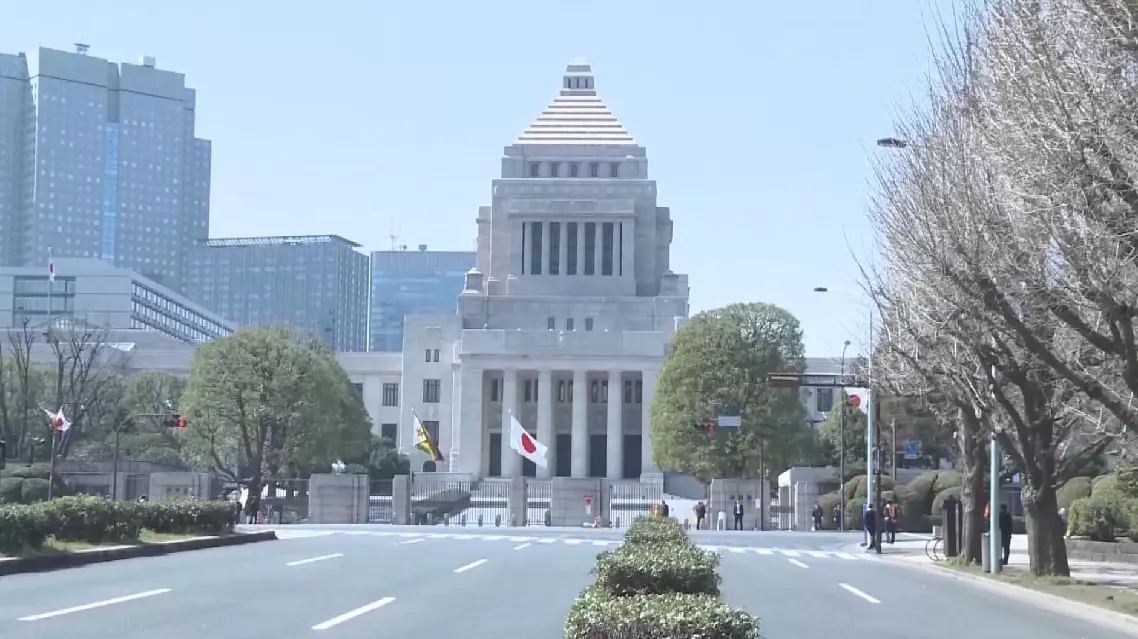
Japanese economy suffers from inconsistent U.S. tariff policies: economist