WASHINGTON (AP) — The agency that oversees Voice of America and other government-funded international broadcasters is eliminating jobs for more than 500 employees, a Trump administration official said. The move could ratchet up a monthslong legal challenge over the news outlets' fate.
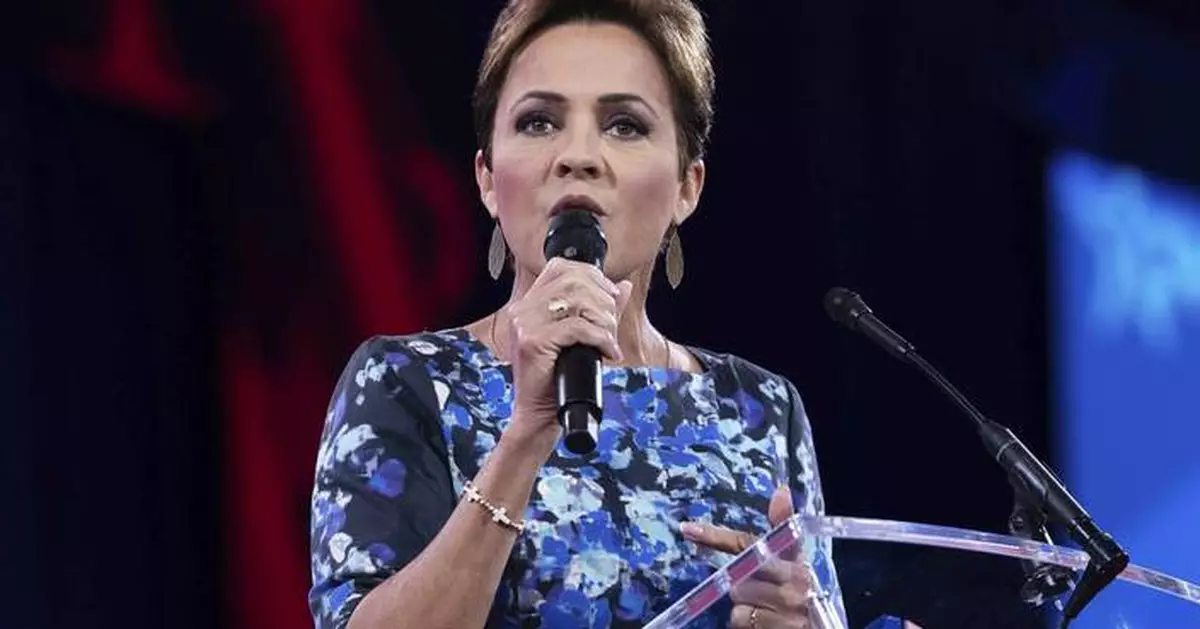
Kari Lake, acting CEO of the U.S. Agency for Global Media, announced the latest round of job cuts late Friday, one day after a federal judge blocked her from removing Michael Abramowitz as VOA director.
U.S. District Judge Royce Lamberth had ruled separately that the Republican administration had failed to show how it was complying with his orders to restore VOA's operations. His order Monday gave the administration “one final opportunity, short of a contempt trial” to demonstrate its compliance. He ordered Lake to sit for a deposition by lawyers for agency employees by Sept. 15.
On Thursday, Lamberth said Abramowitz could not be removed without the approval of the majority of the International Broadcasting Advisory Board. Firing Abramowitz would be “plainly contrary to law,” according to Lamberth, who was nominated to the bench by Republican President Ronald Reagan.
Lake posted a statement on social media that said her agency had initiated a reduction in force, or RIF, eliminating 532 jobs for full-time government employees. She said the agency “will continue to fulfill its statutory mission after this RIF— and will likely improve its ability to function.”
“I look forward to taking additional steps in the coming months to improve the functioning of a very broken agency and make sure America’s voice is heard abroad where it matters most,” she wrote.
A group of agency employees who sued to block VOA's elimination said Lake's move would give their colleagues 30 days until their pay and benefits end.
“We find Lake’s continued attacks on our agency abhorrent,” they said in a statement. “We are looking forward to her deposition to hear whether her plan to dismantle VOA was done with the rigorous review process that Congress requires. So far we have not seen any evidence of that.”
In June, layoff notices were sent to more than 600 agency employees. Abramowitz was placed on administrative leave along with almost the entire VOA staff. He was told he would be fired effective Aug. 31.
The administration said in a court filing Thursday that it planned to send RIF notices to 486 employees of VOA and 46 other agency employees but intended to retain 158 agency employees and 108 VOA employees. The filing said the global media agency had 137 “active employees” and 62 other employees on administrative leave while VOA had 86 active employees and 512 others administrative leave.
The agency also houses Radio Free Europe/Radio Liberty, Radio Free Asia, Middle East Broadcasting Networks and Radio Marti, which beams Spanish-language news into Cuba. The networks, which together reach an estimated 427 million people, date to the Cold War and are part of a network of government-funded organizations trying to extend U.S. influence and combat authoritarianism.
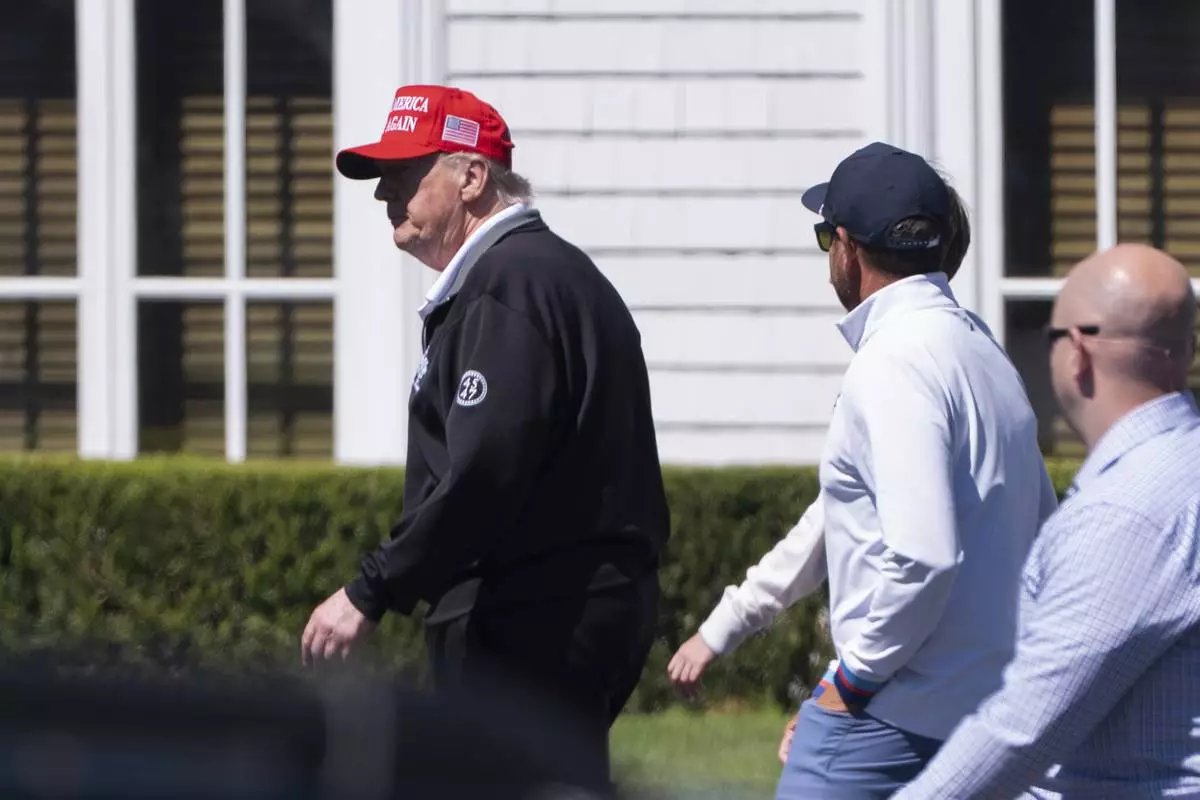
President Donald Trump, left, walks toward the tennis court at the Trump National Golf Club in Sterling, Va., Saturday, Aug. 30, 2025. (AP Photo/Manuel Balce Ceneta)
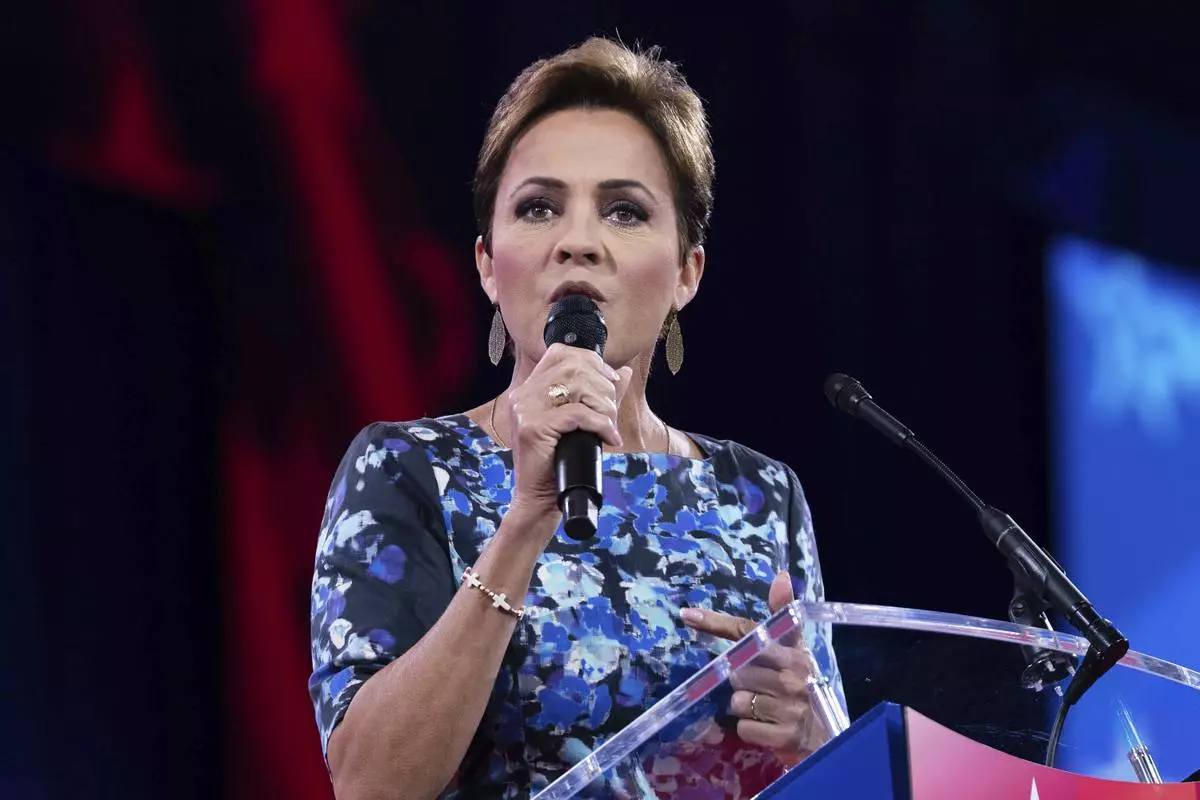
FILE - Kari Lake speaks at the Conservative Political Action Conference, CPAC, Feb. 21, 2025, in Oxon Hill, Md. (AP Photo/Jose Luis Magana, File)
MADRID (AP) — Venezuelans living in Spain are watching the events unfold back home with a mix of awe, joy and fear.
Some 600,000 Venezuelans live in Spain, home to the largest population anywhere outside the Americas. Many fled political persecution and violence but also the country’s collapsing economy.
A majority live in the capital, Madrid, working in hospitals, restaurants, cafes, nursing homes and elsewhere. While some Venezuelan migrants have established deep roots and lives in the Iberian nation, others have just arrived.
Here is what three of them had to say about the future of Venezuela since U.S. forces deposed Nicolás Maduro.
David Vallenilla woke up to text messages from a cousin on Jan. 3 informing him “that they invaded Venezuela.” The 65-year-old from Caracas lives alone in a tidy apartment in the south of Madrid with two Daschunds and a handful of birds. He was in disbelief.
“In that moment, I wanted certainty,” Vallenilla said, “certainty about what they were telling me.”
In June 2017, Vallenilla’s son, a 22-year-old nursing student in Caracas named David José, was shot point-blank by a Venezuelan soldier after taking part in a protest near a military air base in the capital. He later died from his injuries. Video footage of the incident was widely publicized, turning his son’s death into an emblematic case of the Maduro government’s repression against protesters that year.
After demanding answers for his son’s death, Vallenilla, too, started receiving threats and decided two years later to move to Spain with the help of a nongovernmental organization.
On the day of Maduro’s capture, Vallenilla said his phone was flooded with messages about his son.
“Many told me, ‘Now David will be resting in peace. David must be happy in heaven,’” he said. “But don't think it was easy: I spent the whole day crying.”
Vallenilla is watching the events in Venezuela unfold with skepticism but also hope. He fears more violence, but says he has hope the Trump administration can effect the change that Venezuelans like his son tried to obtain through elections, popular protests and international institutions.
“Nothing will bring back my son. But the fact that some justice has begun to be served for those responsible helps me see a light at the end of the tunnel. Besides, I also hope for a free Venezuela.”
Journalist Carleth Morales first came to Madrid a quarter-century ago when Hugo Chávez was reelected as Venezuela's president in 2000 under a new constitution.
The 54-year-old wanted to study and return home, taking a break of sorts in Madrid as she sensed a political and economic environment that was growing more and more challenging.
“I left with the intention of getting more qualified, of studying, and of returning because I understood that the country was going through a process of adaptation between what we had known before and, well, Chávez and his new policies," Morales said. "But I had no idea that we were going to reach the point we did.”
In 2015, Morales founded an organization of Venezuelan journalists in Spain, which today has hundreds of members.
The morning U.S. forces captured Maduro, Morales said she woke up to a barrage of missed calls from friends and family in Venezuela.
“Of course, we hope to recover a democratic country, a free country, a country where human rights are respected,” Morales said. “But it’s difficult to think that as a Venezuelan when we’ve lived through so many things and suffered so much.”
Morales sees it as unlikely that she would return home, having spent more than two decades in Spain, but she said she hopes her daughters can one day view Venezuela as a viable option.
“I once heard a colleague say, ‘I work for Venezuela so that my children will see it as a life opportunity.’ And I adopted that phrase as my own. So perhaps in a few years it won’t be me who enjoys a democratic Venezuela, but my daughters.”
For two weeks, Verónica Noya has waited for her phone to ring with the news that her husband and brother have been freed.
Noya’s husband, Venezuelan army Capt. Antonio Sequea, was imprisoned in 2020 after having taken part in a military incursion to oust Maduro. She said he remains in solitary confinement in the El Rodeo prison in Caracas. For 20 months, Noya has been unable to communicate with him or her brother, who was also arrested for taking part in the same plot.
“That’s when my nightmare began,” Noya said.
Venezuelan authorities have said hundreds of political prisoners have been released since Maduro's capture, while rights groups have said the real number is a fraction of that. Noya has waited in agony to hear anything about her four relatives, including her husband's mother, who remain imprisoned.
Meanwhile, she has struggled with what to tell her children when they ask about their father's whereabouts. They left Venezuela scrambling and decided to come to Spain because family roots in the country meant that Noya already had a Spanish passport.
Still, she hopes to return to her country.
“I’m Venezuelan above all else,” Noya said. “And I dream of seeing a newly democratic country."
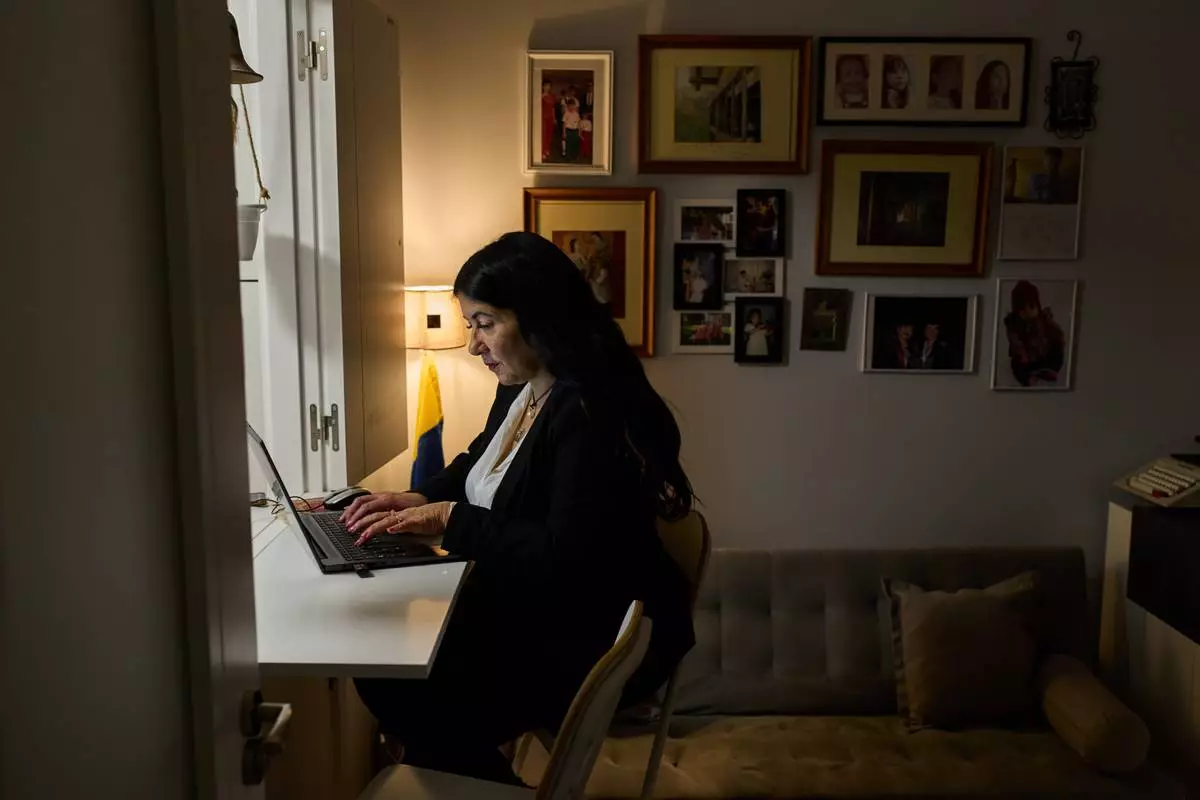
Venezuelan journalist Caleth Morales works in her apartment's kitchen in Madrid, Wednesday, Jan. 14, 2026. (AP Photo/Bernat Armangue)
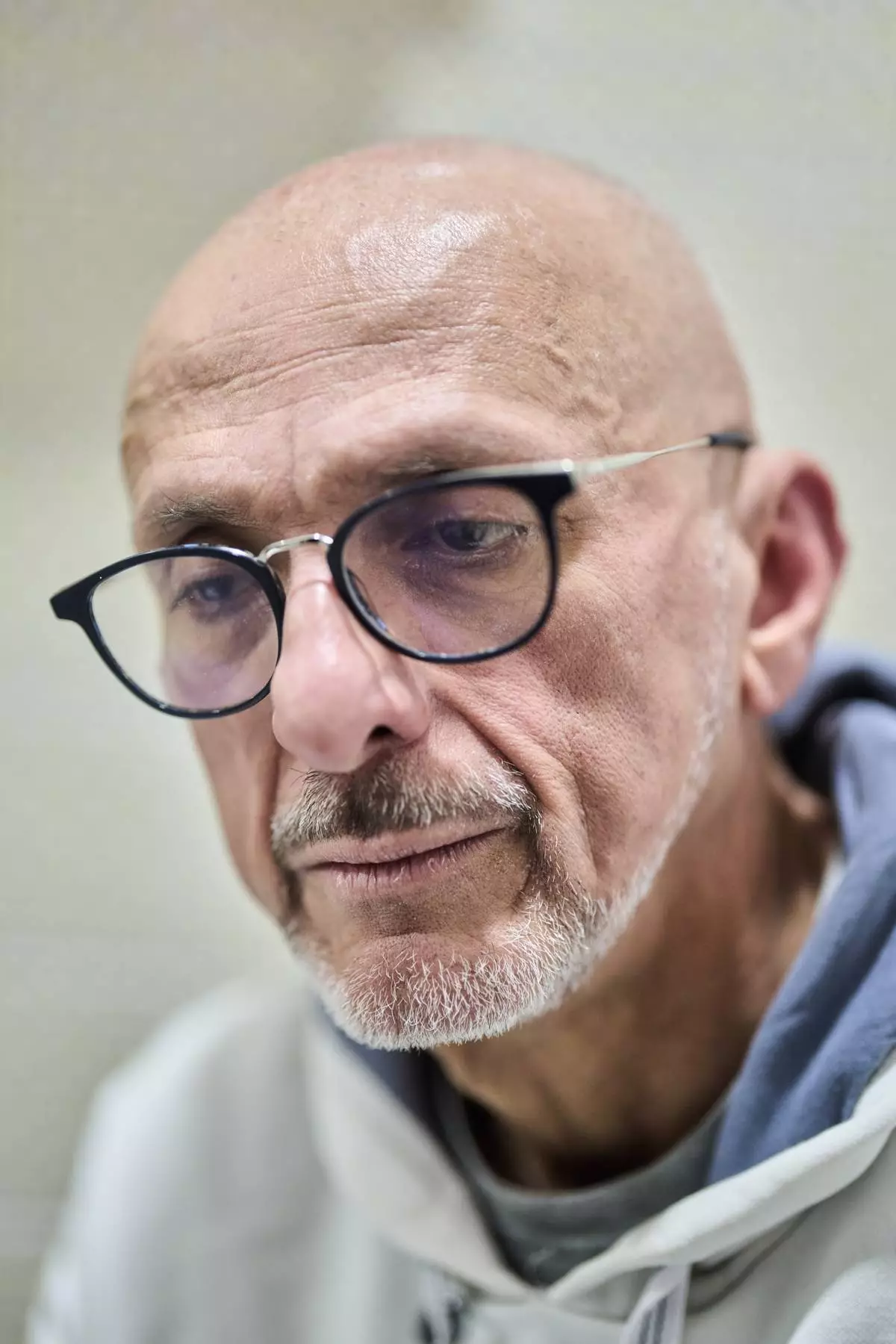
David Vallenilla, father of the late David José Vallenilla Luis, sits in his apartment's kitchen in Madrid, Tuesday, Jan. 13, 2026. (AP Photo/Bernat Armangue)
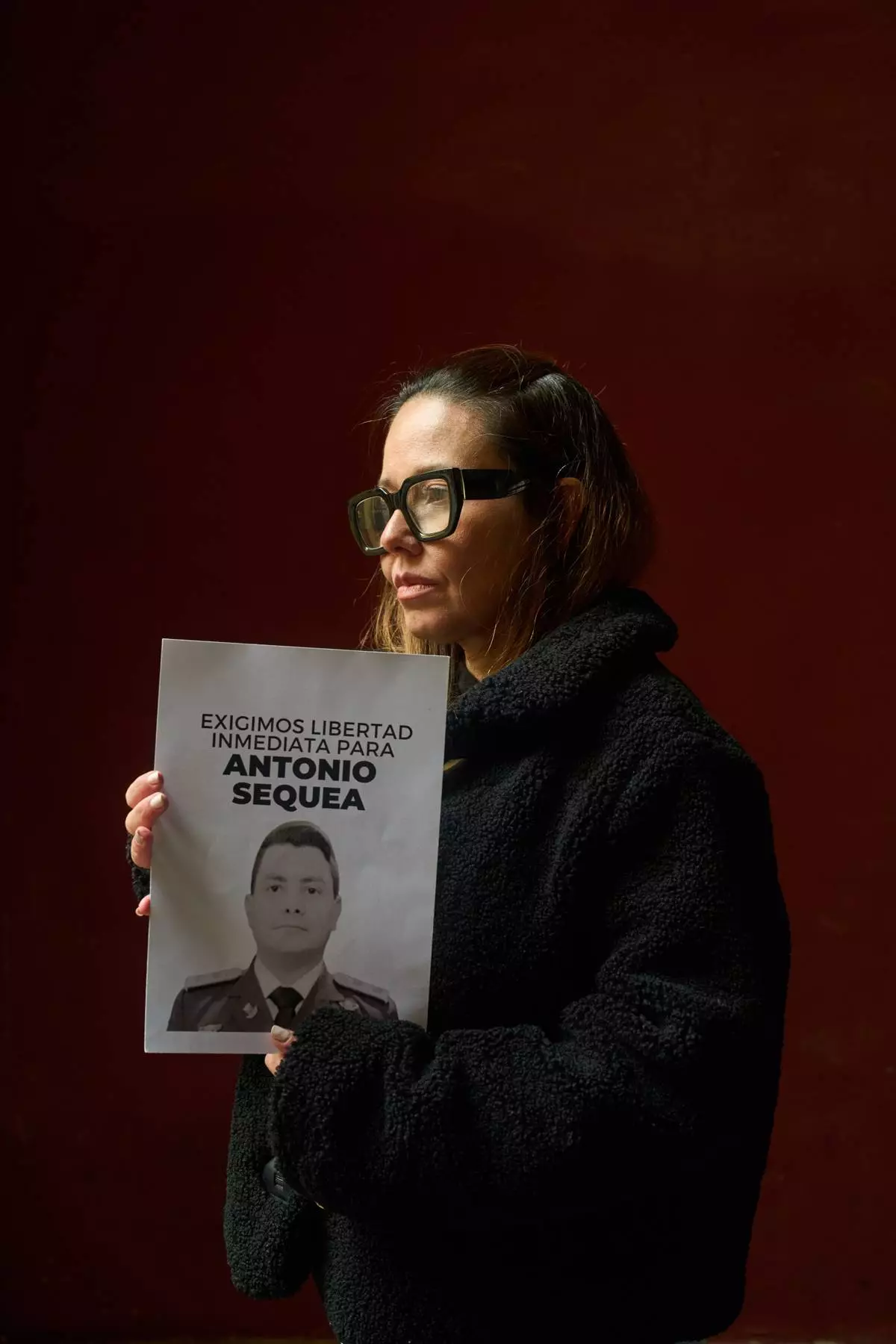
Veronica Noya holds a picture of her husband Antonio Sequea in Madrid, Thursday, Jan. 15, 2026. (AP Photo/Bernat Armangue)
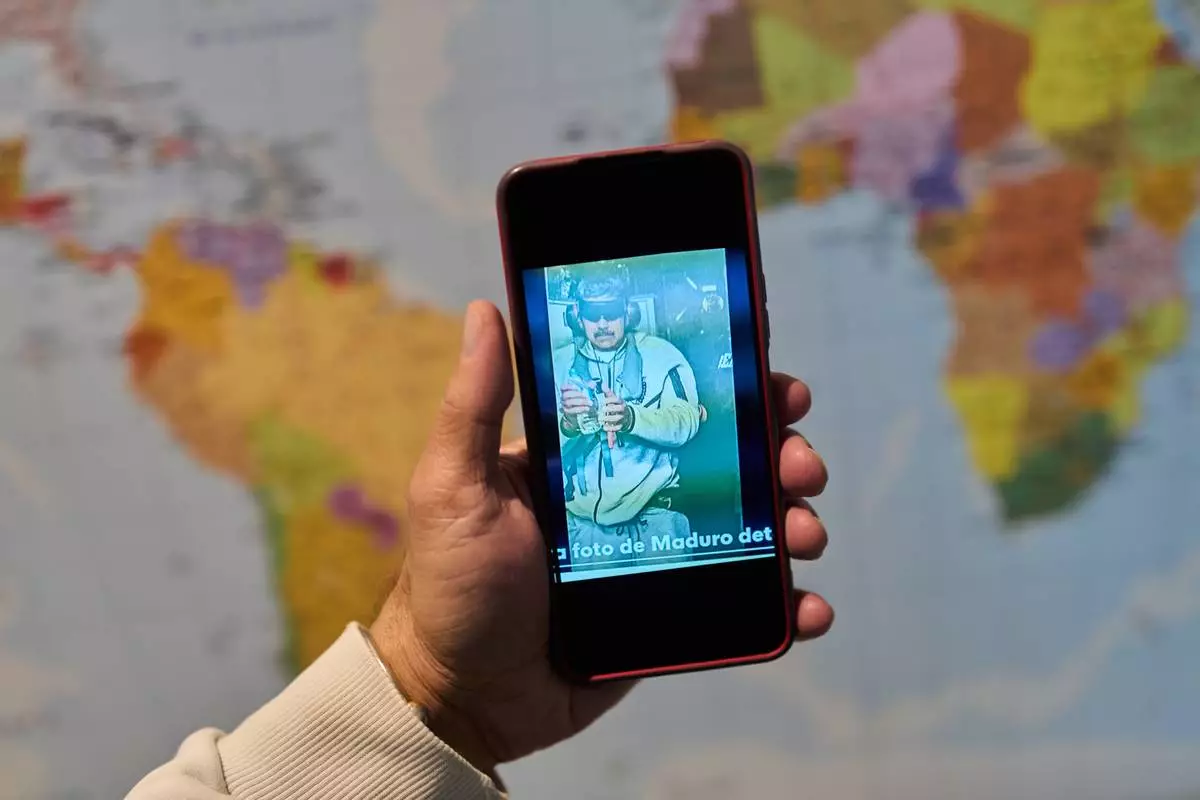
David Vallenilla holds a picture of deposed President Nicolas Maduro, blindfolded and handcuffed, during an interview with The Associated Press at his home in Madrid, Tuesday, Jan. 13, 2026. (AP Photo/Bernat Armangue)
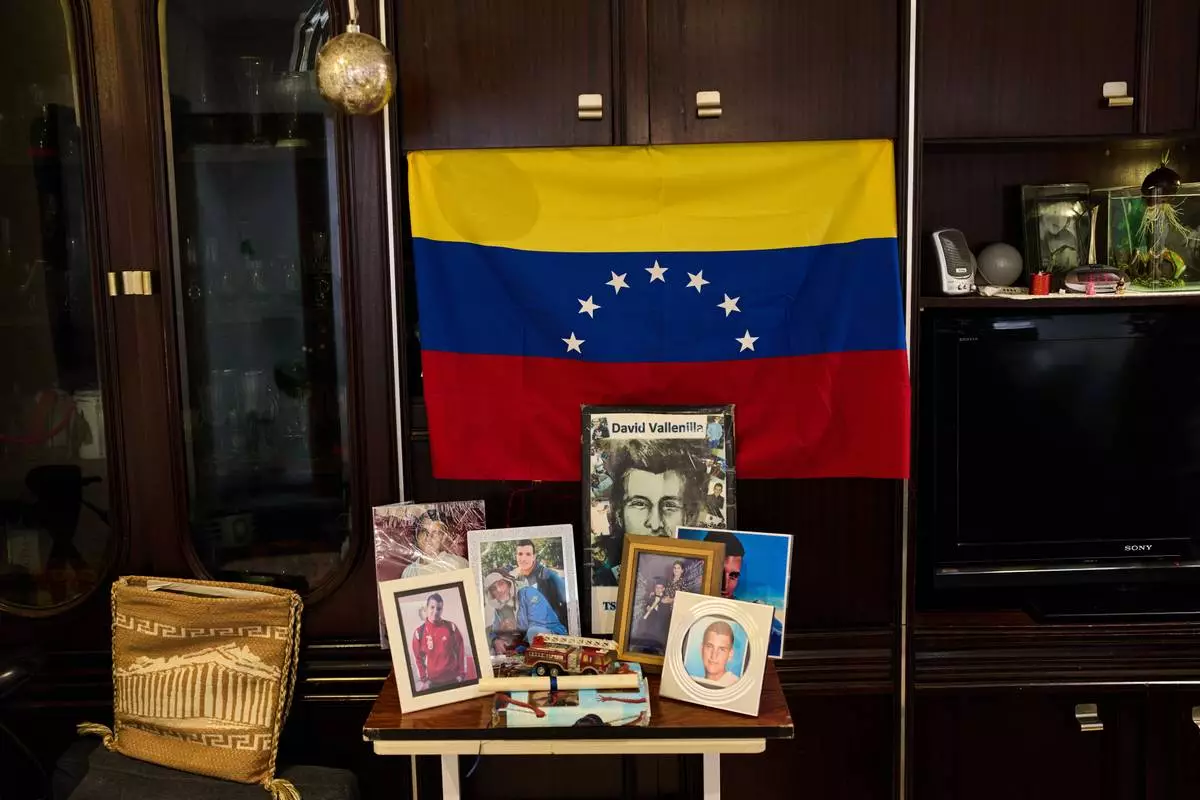
Pictures of the late David José Vallenilla Luis are placed in the living room of his father, David José Vallenilla, in Madrid, Tuesday, Jan. 13, 2026. (AP Photo/Bernat Armangue)