Chinese cinema is making remarkable strides on the international stage in 2025, with a growing number of high-quality productions capturing the attention of global audiences through innovative storytelling and expanded international distribution.
According to data from online platforms, as of 13:53 on Sunday, the total box office revenue of Chinese films -- including overseas earnings -- exceeded 40 billion yuan (about 5.59 billion U.S. dollars). Domestic box office revenue reached 39.23 billion yuan, with over 909 million admissions, both surpassing last year's figures.
Driven by hits like animated blockbuster "Ne Zha 2" and "Dead To Rights", a historical film about the 1937 Nanjing Massacre, overseas box office revenue has exceeded 770 million yuan, making a multi-year high.
From the Spring Festival to the summer season, mainstream Chinese commercial films have actively explored overseas markets, integrating global releases into their commercial strategies. Several blockbusters have achieved remarkable success internationally.
During the Spring Festival, films such as "Detective Chinatown 1900," "Creation of the Gods II: Demon Force," and "Ne Zha 2" were released in multiple countries and regions worldwide.
"Ne Zha 2" alone grossed over 15.44 billion yuan globally, with overseas earnings exceeding 400 million yuan. It claimed the titles of highest-grossing film in a single market, highest-grossing animated film globally, and fifth-highest-grossing film in global box office history, setting a new milestone for Chinese cinema.
"Creation of the Gods II: Demon Force," distributed in over 160 countries and regions, continued the international influence of its predecessor.
Summer releases like "Dead to Rights" and "Dongji Rescue", a film based on the true story of Chinese fishermen during World War II (WWII), also premiered in North America and Europe.
"Dead to Rights," which presents an accurate historical perspective on WWII, sparked heated discussions among audiences in the United States, Canada, and Germany, encouraging overseas viewers to reflect on history and cherish peace through the power of cinema.
Upcoming films, such as the animated action-adventure "The Legend of Hei II," are set for overseas release, further showcasing Chinese stories and culture through high-quality content.

Chinese cinema makes global strides in 2025 with innovative storytelling, wider distribution
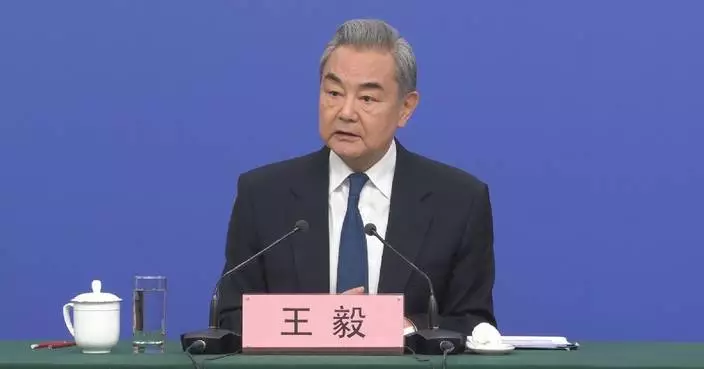
China calls for an immediate stop to military operations in the Middle East to prevent further escalation and avoid the spillover of the conflict, Chinese Foreign Minister Wang Yi said on Sunday.
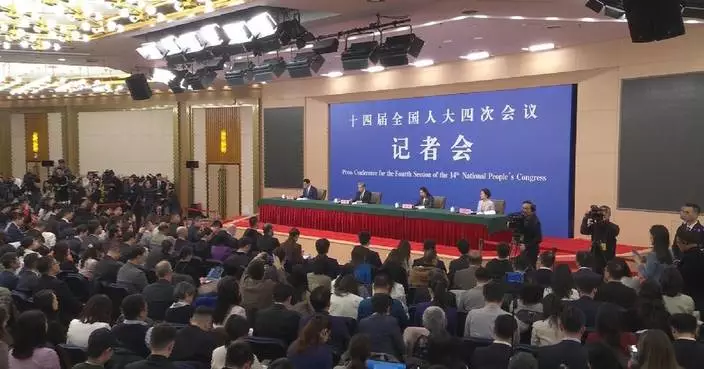
Wang reiterated China's stance on Iran situation during a press conference on the sidelines of the fourth session of the 14th National People's Congress in Beijing where he answered questions of journalists from home and abroad on China's foreign policy and external relations.
"China's attitude is objective and impartial. We have stated our principled position on multiple occasions, which can be summarized into one key message, that is to achieve ceasefire and end hostilities. Ancient Chinese wisdom warns that weapons are ominous tools and should not be used without discretion. Seeing the Middle East engulfed in flames, I want to say this is a war that should never have happened, and one that benefits no one. The history of the Middle East tells the world once again that force is not the way to resolve problems, and resorting to arms will only breed new hatred and new crises. Once again, China calls for an immediate stop to military operations to avoid the spiraling escalation of the situation and avoid the spillover of the conflict," Wang said.
The foreign minister put forward five fundamental principles for handling the situation in Iran and expressed China's commitment to contributing to peaceful development of the Middle East region.
"China believes that to properly and appropriately handle issues related to Iran and the Middle East, several fundamental principles should be adhered to. First, respecting national sovereignty. Sovereignty is the cornerstone of the current international order. We maintain that the sovereignty, security and territorial integrity of Iran and all countries in the Gulf region should be respected and not violated. Second, refraining from the abuse of force. A strong fist does not mean a strong argument. The world cannot revert to the law of the jungle. Willful use of force does not prove one's strengths. People should not be innocent victims of war," he said.
"Third, adhering to non-interference in internal affairs. The people of the Middle East are the true owners of this region, and the affairs of the Middle East should be independently decided by the countries in the region. Plotting color revolution or seeking regime change are not welcomed. Fourth, promoting political settlement of hotspot issues. China always believes that peace is the most precious. All sides should return to the negotiating table as soon as possible, resolve differences through equal dialogue and make efforts to realize common security," Wang said.
"Fifth, major countries should play a constructive role and use their strength in a benevolent way. Another old saying in China reads when benevolence and justice are not practiced, the position of strength shifts. Major countries should act in the spirit of justice and righteousness and contribute more positive energy to peace and development of the Middle East. As a sincere friend and strategic partner of Middle East countries, China is willing to work with them to implement the Global Security Initiative, restore order to the Middle East, bring peace to the people and contribute to world peace," Wang said.
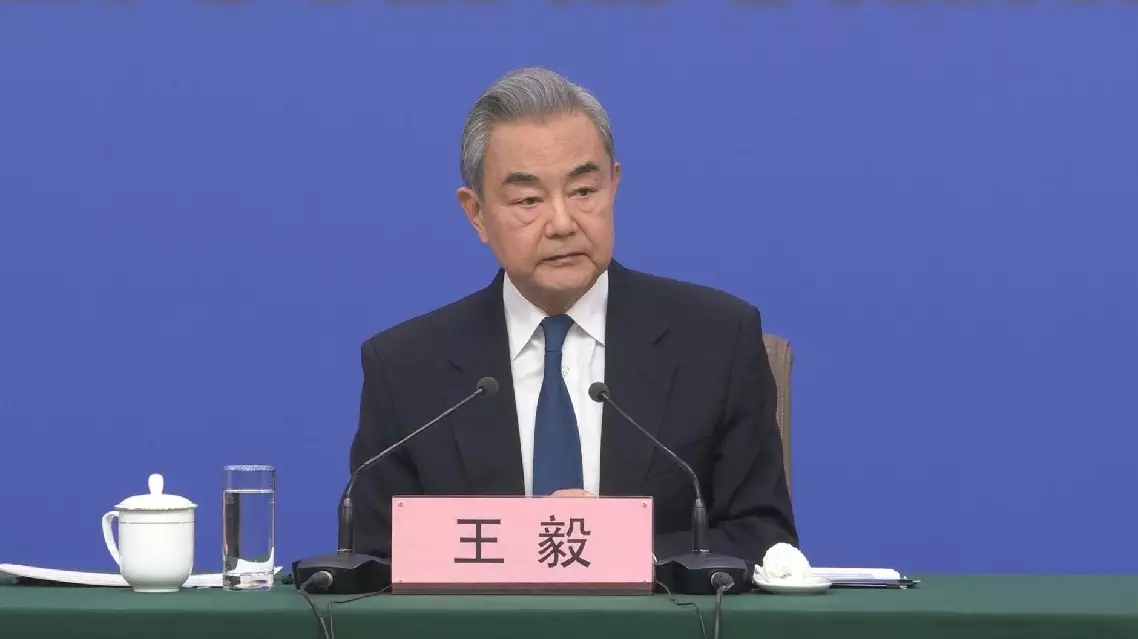
China calls for immediate ceasefire in Middle East: FM