Skip to Content Facebook Feature Image

A base deep in the Swedish forest is part of Europe's hope to compete in the space race

News

A base deep in the Swedish forest is part of Europe's hope to compete in the space race
News

News

A base deep in the Swedish forest is part of Europe's hope to compete in the space race

2025-09-01 14:03 Last Updated At:14:11

KIRUNA, Sweden (AP) — Deep in the Swedish forest, where reindeer roam and scientists ski in winter, lies one of Europe's hopes for a spaceport that can ultimately compete with the United States, China and Russia.

For decades, Europe has relied upon the U.S. for its security among the stars. But the Trump administration’s “America First” policies, plus a commercial market that’s growing exponentially, has prompted Europeans to rethink their approach.

More Images
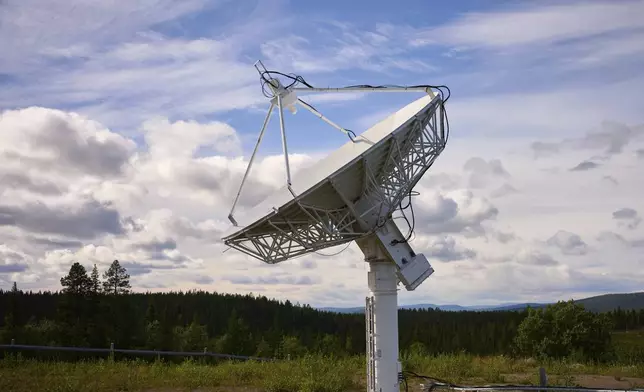
A satellite antenna is pointing at the sky outside the Esrange Space Center, a base deep in the Swedish forest and a part of Europe's hope to compete in the space race in Kiruna, Sweden, Tuesday, Aug. 19, 2025. (AP Photo/Malin Haarala)
A satellite antenna is pointing at the sky outside the Esrange Space Center, a base deep in the Swedish forest and a part of Europe's hope to compete in the space race in Kiruna, Sweden, Tuesday, Aug. 19, 2025. (AP Photo/Malin Haarala)
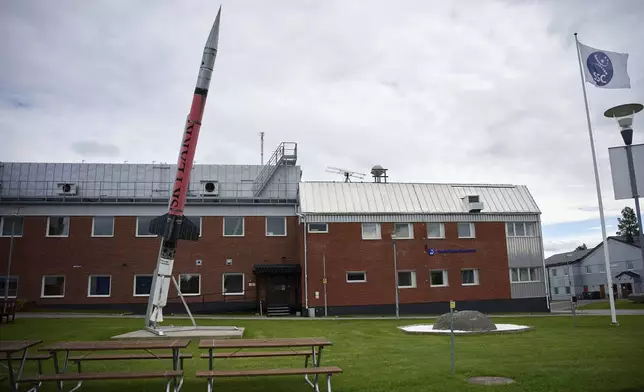
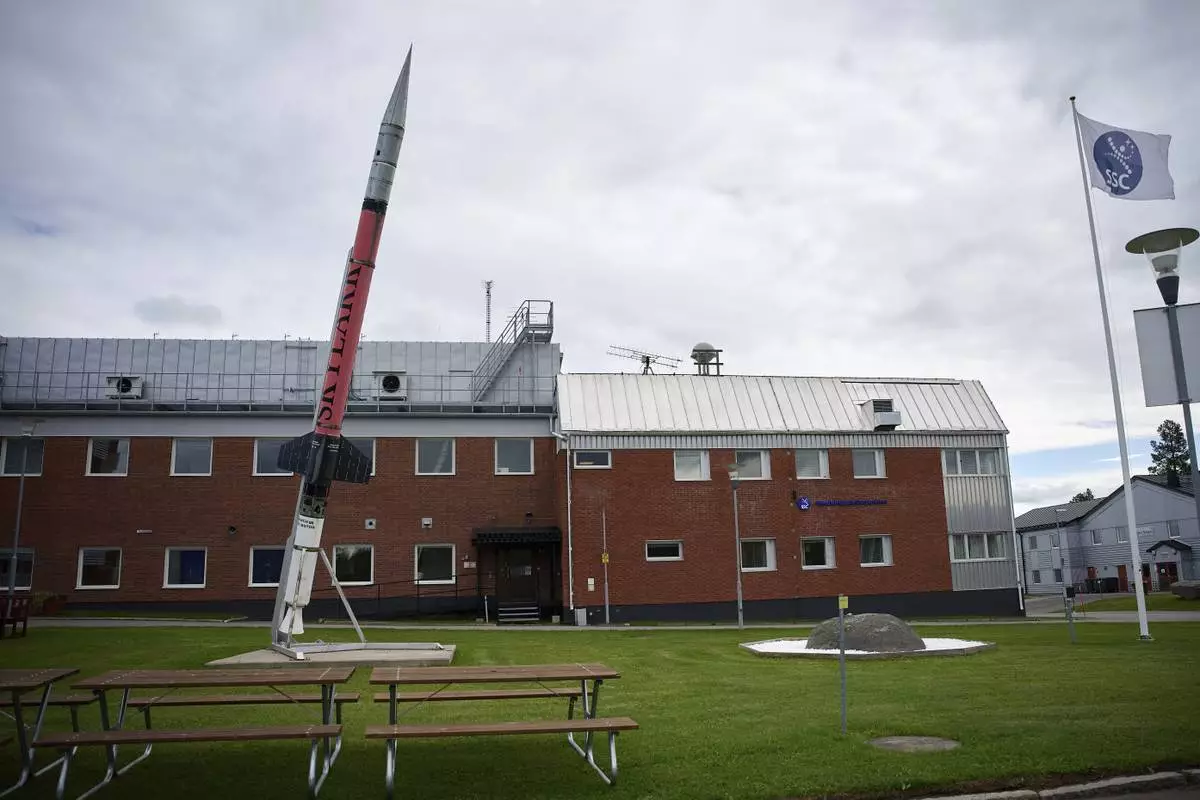
A rocket is placed outside the Esrange Space Center, a base deep in the Swedish forest and a part of Europe's hope to compete in the space race in Kiruna, Sweden, Tuesday, Aug. 19, 2025. (AP Photo/Malin Haarala)

A rocket is placed outside the Esrange Space Center, a base deep in the Swedish forest and a part of Europe's hope to compete in the space race in Kiruna, Sweden, Tuesday, Aug. 19, 2025. (AP Photo/Malin Haarala)

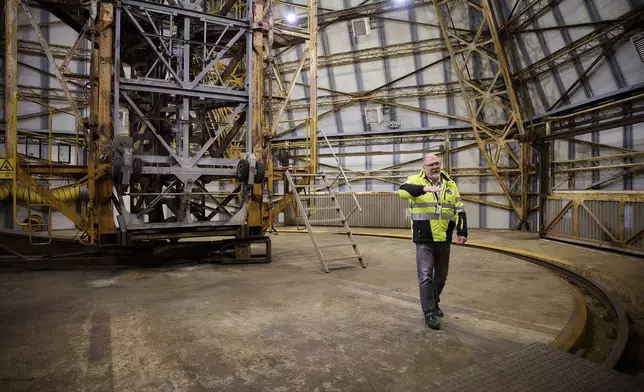
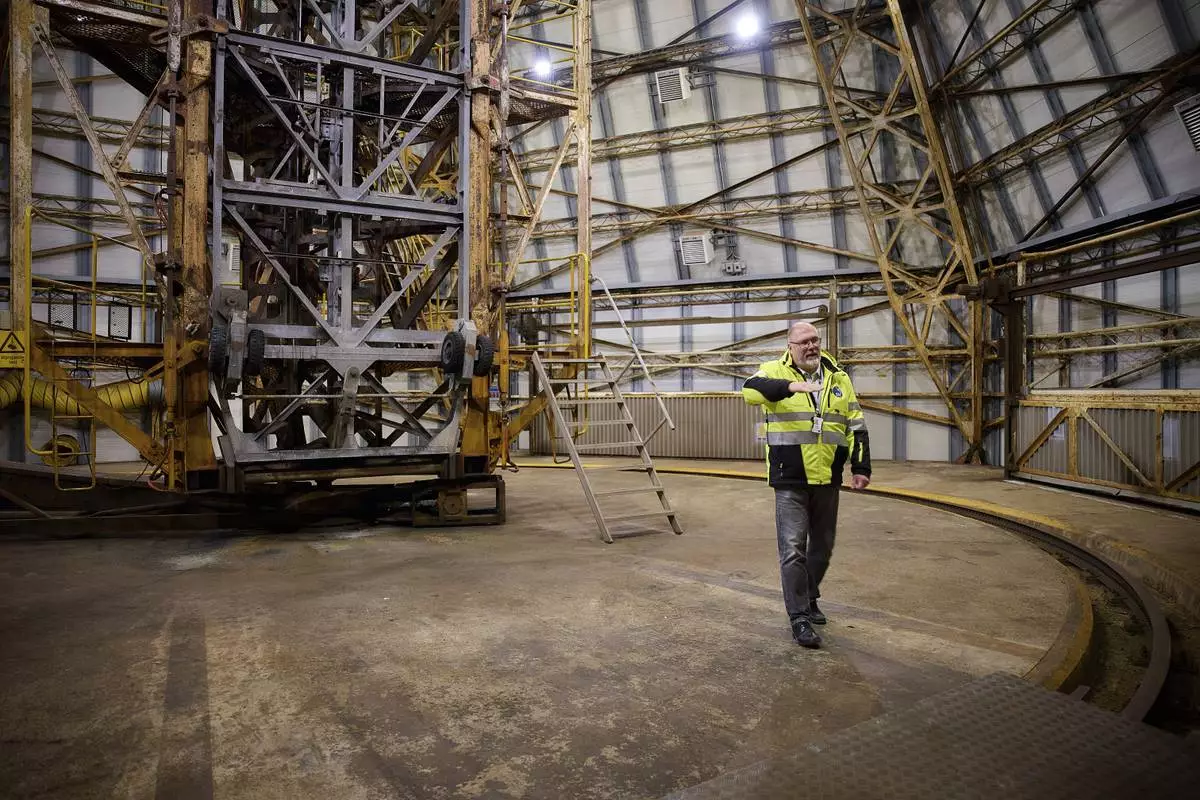
Mattias Abrahamsson, business development director for the science division, of the Esrange Space Center gestures in one of the base's facilities in Kiruna, Sweden, Tuesday, Aug. 19, 2025. (AP Photo/Malin Haarala)
Mattias Abrahamsson, business development director for the science division, of the Esrange Space Center gestures in one of the base's facilities in Kiruna, Sweden, Tuesday, Aug. 19, 2025. (AP Photo/Malin Haarala)

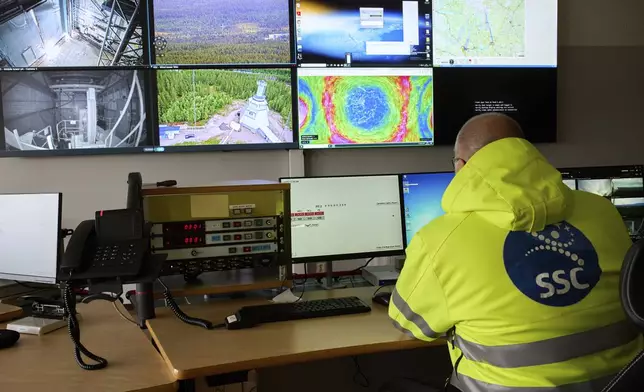
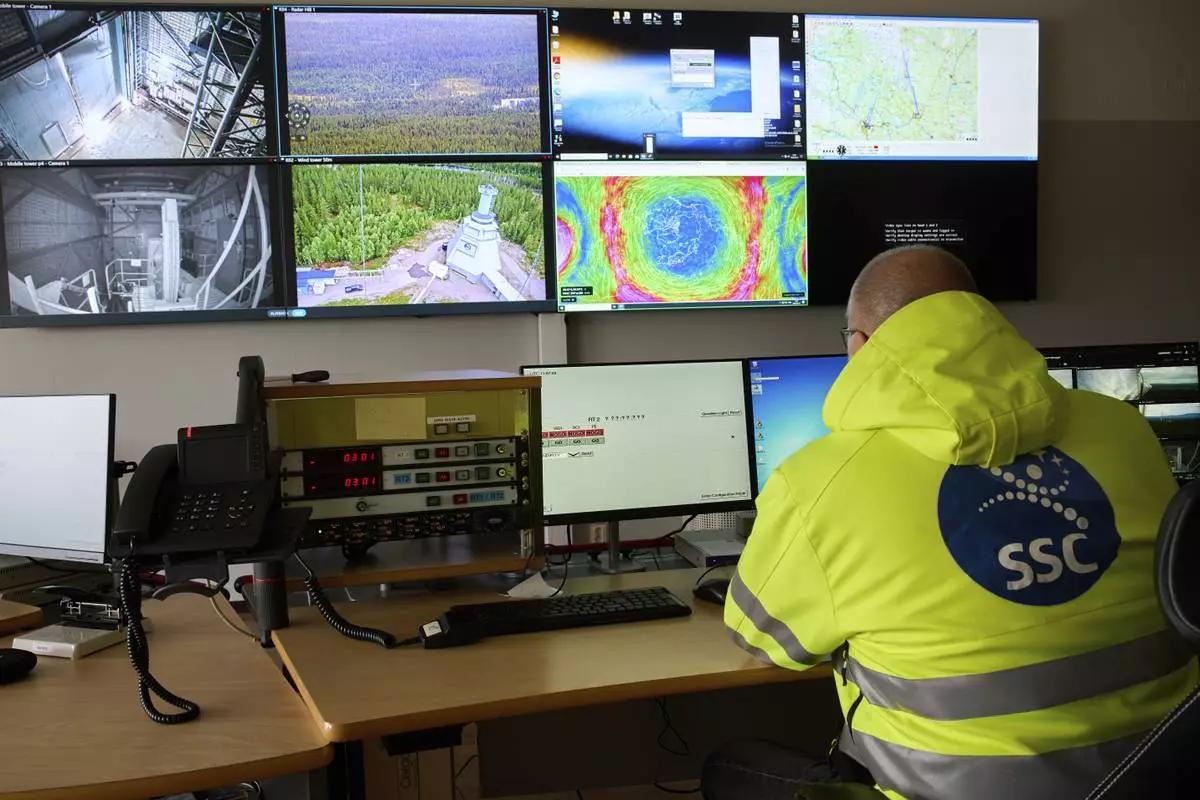
Mattias Abrahamsson, business development director for the science division, of the Esrange Space Center sits at a desk in Kiruna, Sweden, Tuesday, Aug. 19, 2025. (AP Photo/Malin Haarala)
Mattias Abrahamsson, business development director for the science division, of the Esrange Space Center sits at a desk in Kiruna, Sweden, Tuesday, Aug. 19, 2025. (AP Photo/Malin Haarala)

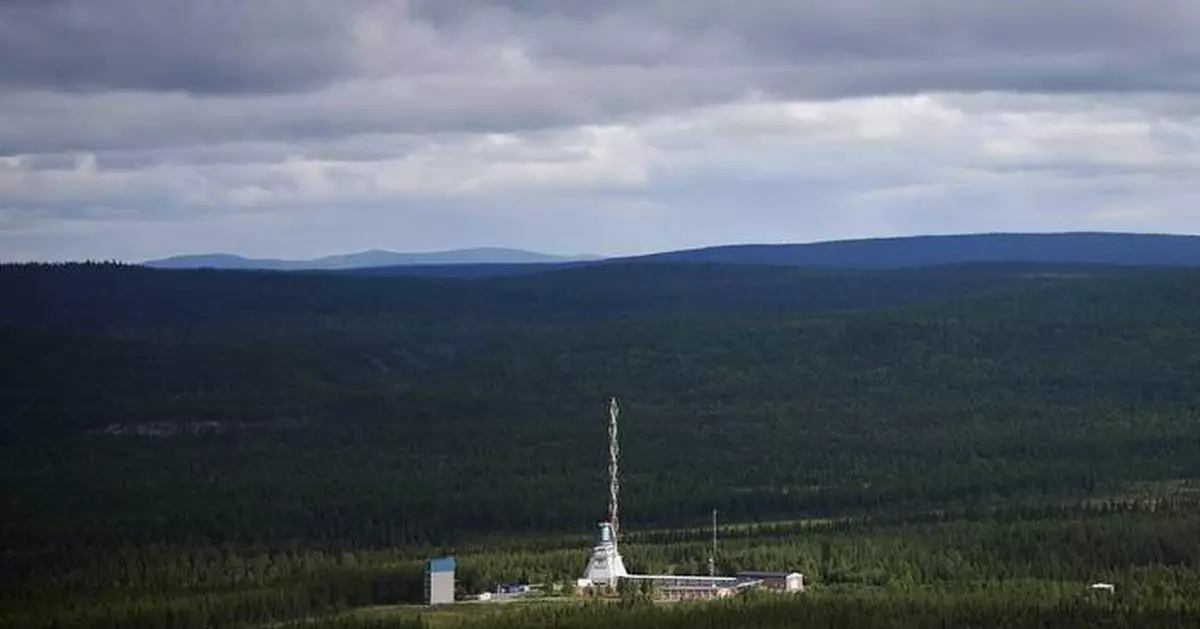
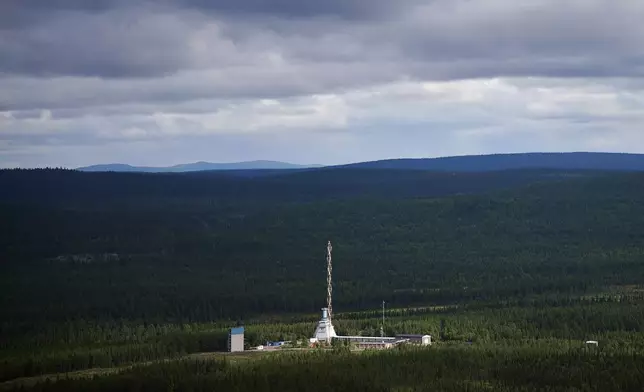
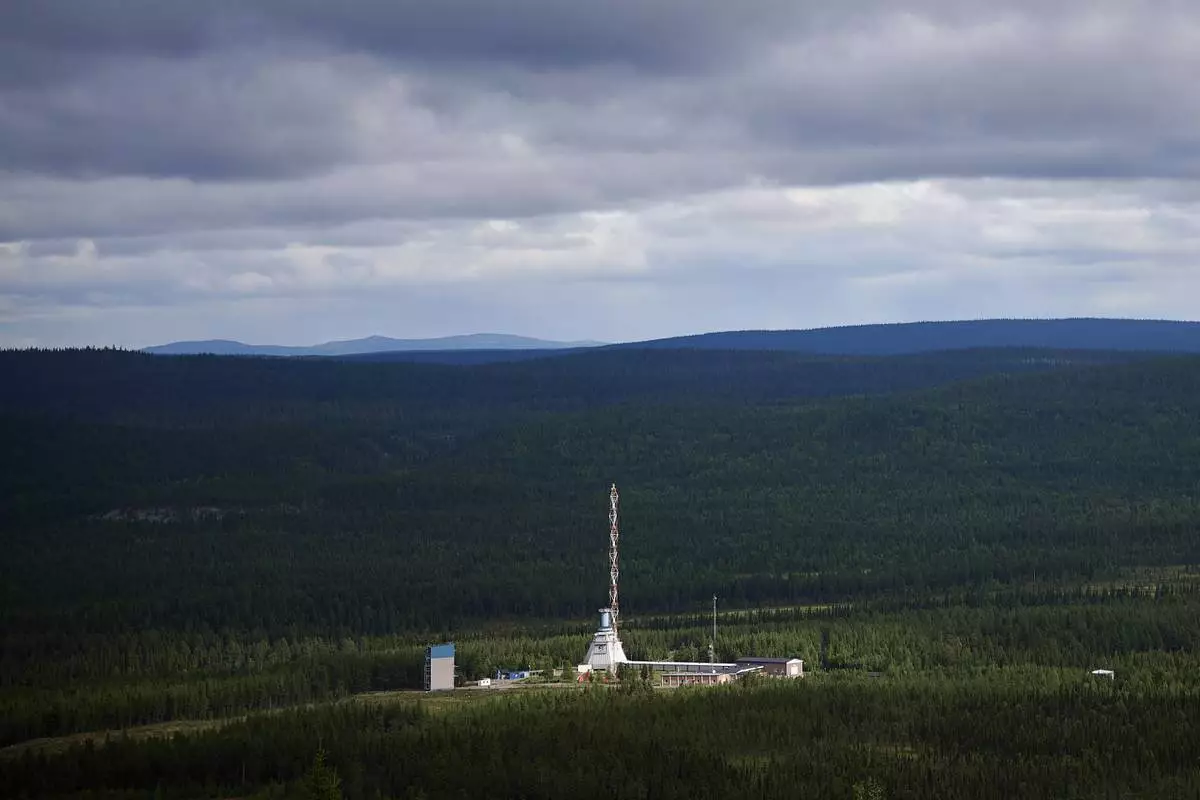
Rays of sunlight filter through the clouds illuminating the Esrange Space Center, a base deep in the Swedish forest and a part of Europe's hope to compete in the space race in Kiruna, Sweden, Tuesday, Aug. 19, 2025. (AP Photo/Malin Haarala)

Rays of sunlight filter through the clouds illuminating the Esrange Space Center, a base deep in the Swedish forest and a part of Europe's hope to compete in the space race in Kiruna, Sweden, Tuesday, Aug. 19, 2025. (AP Photo/Malin Haarala)

The state-owned Esrange Space Center in Kiruna, Sweden, is among the sites building out orbital rocket programs to allow Europe to advance in the global space race and launch satellites from the continent's mainland.

“The gap is significant," said Hermann Ludwig Moeller, director of the European Space Policy Institute. “I would argue that Europe, to be anywhere relevant in the next five to 10 years, needs to at least double its investment in space. And saying that it would double doesn’t mean that it would catch up by the same factor, because you can expect that other regions will also continue to step up.”

Currently, Europe's only space base capable of launching rockets and satellites into orbit is in sparsely populated French Guiana, an overseas department of France in South America that's roughly 500 kilometers (310 miles) north of the equator. Otherwise, Europe borrows NASA's Cape Canaveral in Florida.

In March, Isar Aerospace launched the first test flight of its orbital launch vehicle from the Andøya Spaceport, another site that's part of Europe's efforts to expand its presence in space, on an island in northern Norway.

While the rocket crashed into the sea 30 seconds after liftoff, the private German aerospace company had largely ruled out the possibility of the rocket reaching orbit on its first complete flight and deemed the short journey a success.

Moeller believes a successful orbital launch from continental Europe could occur within the next year, though he won't guess where.

Portugal, Spain, Italy, Germany and the United Kingdom also are among the countries seeking to be part of Europe's spaceport portfolio.

Elsewhere on Earth, India — active in space research since the 1960s — has launched satellites for itself and other countries and successfully put one in orbit around Mars in 2014. After a failed attempt to land on the moon in 2019, India became the first country to land a spacecraft near the moon’s south pole in 2023 in a historic voyage to uncharted territory that scientists believe could hold reserves of frozen water. The mission was dubbed a technological triumph for the world’s most populous nation.

New Zealand also has a growing and active launch industry, and Australia is working to develop its commercial space industry.

Esrange and Andøya date back to the 1960s and much of their space-bound appeal stems from their far-north geography on Earth.

Esrange, for example, is owned and operated by the Swedish Space Corporation and based more than 200 kilometers (120 miles) north of the Arctic Circle. The space center's 30-plus antennas can more easily communicate with satellites orbiting the North Pole compared to infrastructure that’s near the equator.

Most important, perhaps, is its size. The base itself encompasses 6 square kilometers (2.3 square miles), where experts conduct Martian lander parachute tests, suborbital rocket launches and stratospheric balloon experiments.

But its key selling point is Esrange's rocket landing zone: 5,200 square kilometers (2,000 square miles) of birch, pine and spruce trees spread north across the Swedish tundra, nearly to the Norwegian and Finnish borders.

The territory is uninhabited besides the Sami Indigenous reindeer herders who sometimes pass through, and the space center alerts them before any tests occur. The emptiness of the landscape allows scientists to launch and easily recover material for further study.

“The rocket motor will just fall freely into the ground, which means that you need to see to it that no people are in the area,” Mattias Abrahamsson, business development director for the science division at Esrange, said during a recent tour. “We have to see to it that it's not more dangerous to be in that area, if you want to pick berries or hunt or fish or anything like that, than if you're in a street in New York or in Stockholm or anywhere.”

Andøya's remote location on a Norwegian island, meanwhile, means rockets can safely crash down into the sea without risking harm to humans.

During his first week in office earlier this year, U.S. President Donald Trump announced his $175 billion “Golden Dome” missile defense system to protect America from long-range missiles.

If successful, it would mark the first time the U.S. would place weapons in space that are meant to destroy ground-based missiles within seconds of launch. It follows China’s 2021 groundbreaking launch of a warhead system that went into orbit before reentering Earth’s atmosphere.

Europe currently, however, does not have the same capacities and has for decades banked on the U.S. for its security and defense. But U.S. Vice President JD Vance, during a speech in February at the Munich Security Conference, warned Europe against continuing to rely upon America and urged officials to “step up in a big way” to provide for the defense of the continent.

Vance's remarks, as well as concerns over former Trump ally and tech billionaire Elon Musk's politics potentially impacting Ukraine's dependence on his Starlink satellite system in its war with Russia, alarmed European leaders.

It became increasingly clear to them that the continent must have its own space ecosystem, with its "own capabilities to really be able to react with (its) own means and under (its) own control,” Moeller said.

Beyond the space race between global superpowers, commercial companies are taking to the skies. Musk's SpaceX and Amazon founder Jeff Bezos’ rocket company Blue Origin, among others, have proven that space isn't limited to governmental agencies like NASA, and that there's a lot of money to be made in the solar system.

The number of satellites in space is expected to skyrocket in the next five years. And the Swedish Space Corporation, with its burgeoning orbital launch and rocket test division at Esrange, is among those seeking to capitalize on those dollars.

Ulrika Unell, the division's president, said satellites in space are crucial to life on Earth. She wants everyone, beyond astronauts and scientists, to consider how they are impacted by what's orbiting hundreds of kilometers (miles) above the globe.

"I would ask them to think about, when they go around with their mobiles and they use all this data every day: Where does it come from? How is it gathered?" she said. “So space is more and more an asset for the whole society.”

Pietro De Cristofaro in Kiruna, Sweden, contributed to this report.
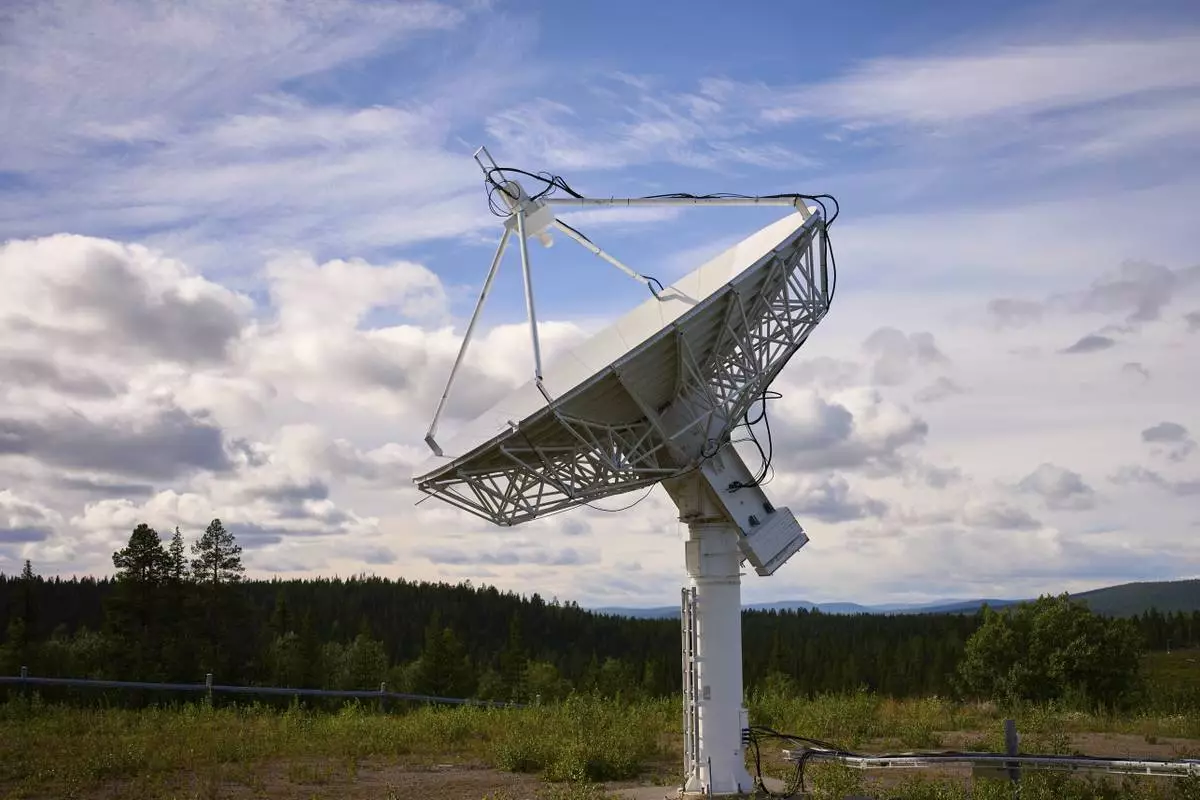
A satellite antenna is pointing at the sky outside the Esrange Space Center, a base deep in the Swedish forest and a part of Europe's hope to compete in the space race in Kiruna, Sweden, Tuesday, Aug. 19, 2025. (AP Photo/Malin Haarala)
A satellite antenna is pointing at the sky outside the Esrange Space Center, a base deep in the Swedish forest and a part of Europe's hope to compete in the space race in Kiruna, Sweden, Tuesday, Aug. 19, 2025. (AP Photo/Malin Haarala)
A rocket is placed outside the Esrange Space Center, a base deep in the Swedish forest and a part of Europe's hope to compete in the space race in Kiruna, Sweden, Tuesday, Aug. 19, 2025. (AP Photo/Malin Haarala)

A rocket is placed outside the Esrange Space Center, a base deep in the Swedish forest and a part of Europe's hope to compete in the space race in Kiruna, Sweden, Tuesday, Aug. 19, 2025. (AP Photo/Malin Haarala)

Mattias Abrahamsson, business development director for the science division, of the Esrange Space Center gestures in one of the base's facilities in Kiruna, Sweden, Tuesday, Aug. 19, 2025. (AP Photo/Malin Haarala)
Mattias Abrahamsson, business development director for the science division, of the Esrange Space Center gestures in one of the base's facilities in Kiruna, Sweden, Tuesday, Aug. 19, 2025. (AP Photo/Malin Haarala)

Mattias Abrahamsson, business development director for the science division, of the Esrange Space Center sits at a desk in Kiruna, Sweden, Tuesday, Aug. 19, 2025. (AP Photo/Malin Haarala)
Mattias Abrahamsson, business development director for the science division, of the Esrange Space Center sits at a desk in Kiruna, Sweden, Tuesday, Aug. 19, 2025. (AP Photo/Malin Haarala)

Rays of sunlight filter through the clouds illuminating the Esrange Space Center, a base deep in the Swedish forest and a part of Europe's hope to compete in the space race in Kiruna, Sweden, Tuesday, Aug. 19, 2025. (AP Photo/Malin Haarala)
Rays of sunlight filter through the clouds illuminating the Esrange Space Center, a base deep in the Swedish forest and a part of Europe's hope to compete in the space race in Kiruna, Sweden, Tuesday, Aug. 19, 2025. (AP Photo/Malin Haarala)
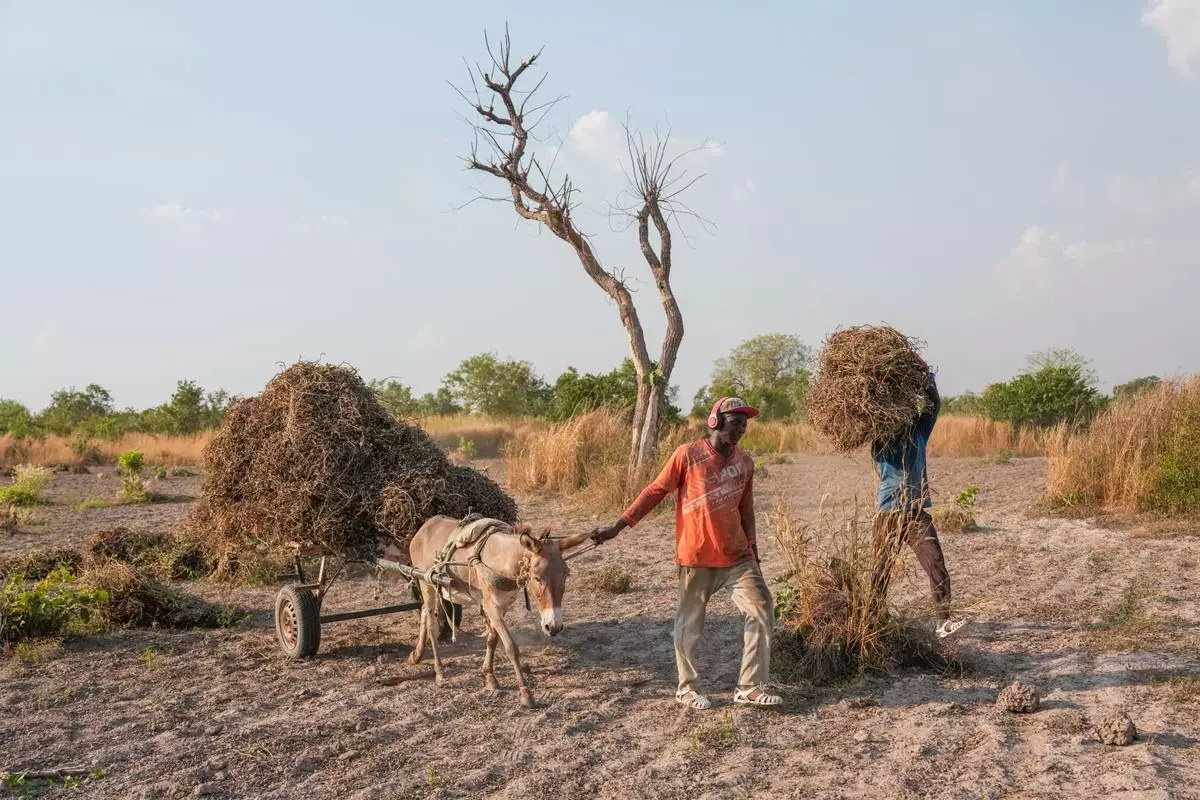
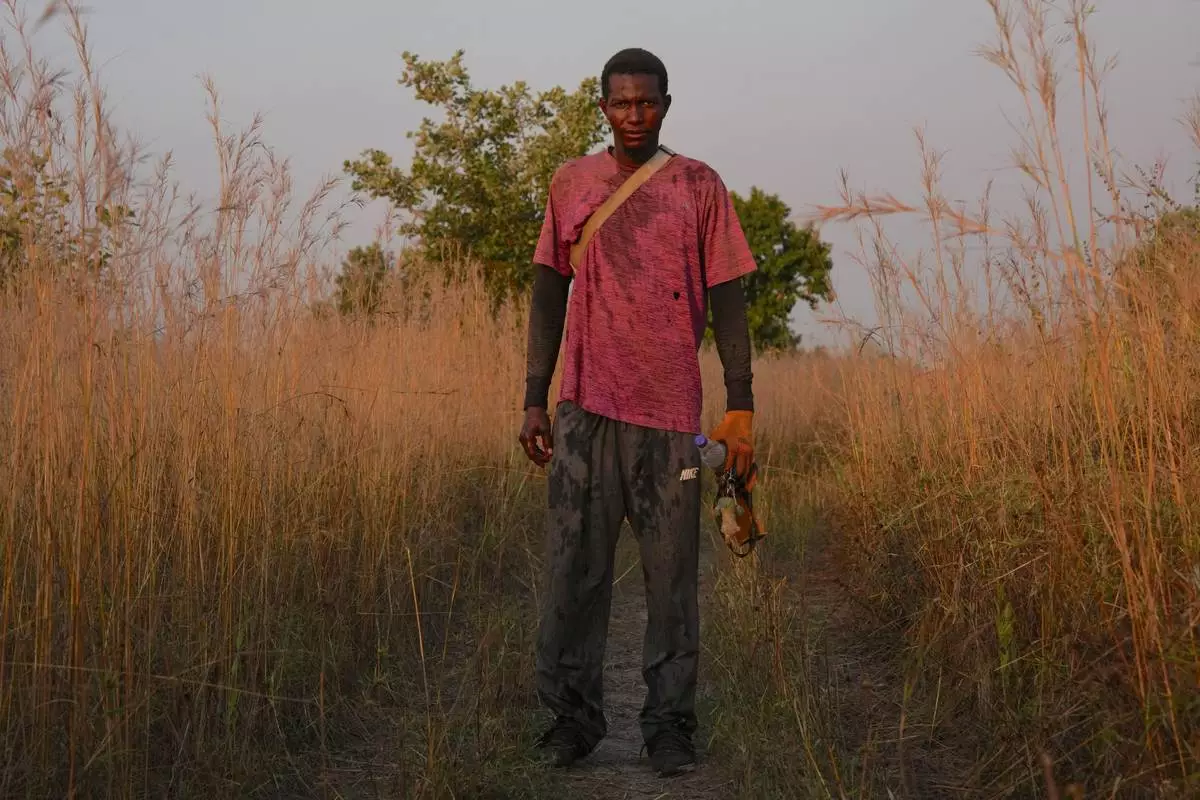
TAMBACOUNDA, Senegal (AP) — On a blazing afternoon in Senegal, 33-year-old farmer Filly Mangassa heaved peanut plants onto a horse-drawn cart, sending clouds of dust swirling.

Ten years ago, he left his village for the capital, Dakar, dreaming of becoming a professor. But the high cost of living and lack of jobs put that dream out of reach.

“Particularly after COVID, companies weren't hiring and prices were rising,” said Mangassa, who has a masters degree in criminology. “I thought: My father and my grandfather were farmers, so why not use that experience and go back to my hometown and try to make a living in agriculture.”

Across much of Africa, farming has long been seen as low-status work, pushing young people to cities in search of office jobs.

“For my father and some people in my family, they sort of saw me returning to the countryside as a step back,” Mangassa said.

But that perception is changing. Rising food prices, investments in irrigation and access to new technologies are making agriculture more profitable. Governments and nonprofits now fund programs that teach advanced farming skills and support farmers with equipment, fertilizers, pesticides and seeds.

“When my father saw that I had a clear, thorough business plan, he encouraged me and helped me with the administrative process to acquire land,” Mangassa said.

He is part of a trend of young Africans leaving cities to try their luck at farming. Mangassa says he makes a profit of around 2 million CFA ($3,500 a year), far above Senegal's average yearly income of about $2,500.

Africa is the world’s fastest-urbanizing region, with cities growing at an average rate of 3.5% per year. As city populations increase, so does the cost of living.

Median rents and grocery prices in places like Dakar or Kenya’s capital of Nairobi are approaching those of major European cities, despite median salaries being significantly lower, according to the World Bank.

Meanwhile, between 10 and 12 million young Africans enter the job market each year while only about 3 million formal jobs are created, according to the African Development Bank.

“A lot of my friends who graduated at the same time as me now work as motorcycle taxi drivers and barely make a living,” Mangassa said.

Mangassa now owns a 32-acre farm where he grows peanuts, corn, vegetables and fruit. He received some funding to buy land from a World Food Program initiative helping young Africans start careers in agriculture.

Launched in 2023 and set to run through early 2027, it has supported around 380,000 people in launching agricultural businesses.

It works with local governments to allow young farmers to acquire land — often a challenge because of complex ownership systems and young people's difficulty in obtaining loans because they are seen as high risk.

In Senegal, the program has supported over 61,000 people, with more than 80% launching farms, according to WFP. It also operates in Ghana, Nigeria, Mozambique, Uganda, Rwanda, Kenya and Tanzania.

“Our surveys show three main barriers for young people entering agriculture: limited access to land, financing and inputs; a lack of practical skills; and tough market conditions — knowing when to sell, how to add value and how to market their products,” said WFP’s country director for Senegal, Pierre Lucas.

Senegal, like many African countries, is plagued by food insecurity that has been exacerbated by donors' funding cuts and worsening climate conditions.

The region also is recovering from the colonial era, said Ibrahima Hathie, an agricultural economist at the Senegal-based Prospective Agricultural and Rural Initiative think tank.

“In Senegal for example, farmers were pressured to grow groundnuts to be sold in France instead of food crops," Hathie said.

Scarce arable land and soil degradation further constrain food production.

But now, many young farmers are shifting to high-value crops and have better technology, so production is increasing, Hathie said, predicting that as more locally produced food enters markets, staple prices could fall.

Senegal is a main departure point for migrants attempting to reach Europe via the deadly Atlantic route. Authorities see agriculture as one way to create jobs to keep young people at home, launching campaigns in rural areas most affected by migration.

“I’m convinced that the only sector that can create the hundreds of thousands of jobs young people in Africa need is agriculture and livestock,” Senegal’s agriculture minister, Mabouba Diagne, told reporters in October.

Adama Sane, 24, once dreamed of reaching Europe but didn't have money to pay smugglers. He had moved to Dakar in 2020 but struggled to make ends meet as a construction worker. Then he heard about the WFP initiative.

“In a sense, discovering agriculture saved my life,” Sane said. “If I had stayed in my construction job, I would have tried crossing the ocean sooner or later.”

He now raises poultry and cultivates peppers on his five-acre farm in his village.

“I am still far from where I want to be with my business, but at least I am saving a lot of money compared to the city, and life is less stressful,” Sane said. “A lot of young people think that being a farmer is a ‘small job,’ but there is starting to be a public awakening that agriculture can be the key to development in Senegal."

Three other potential migrants are now working for Mangassa.

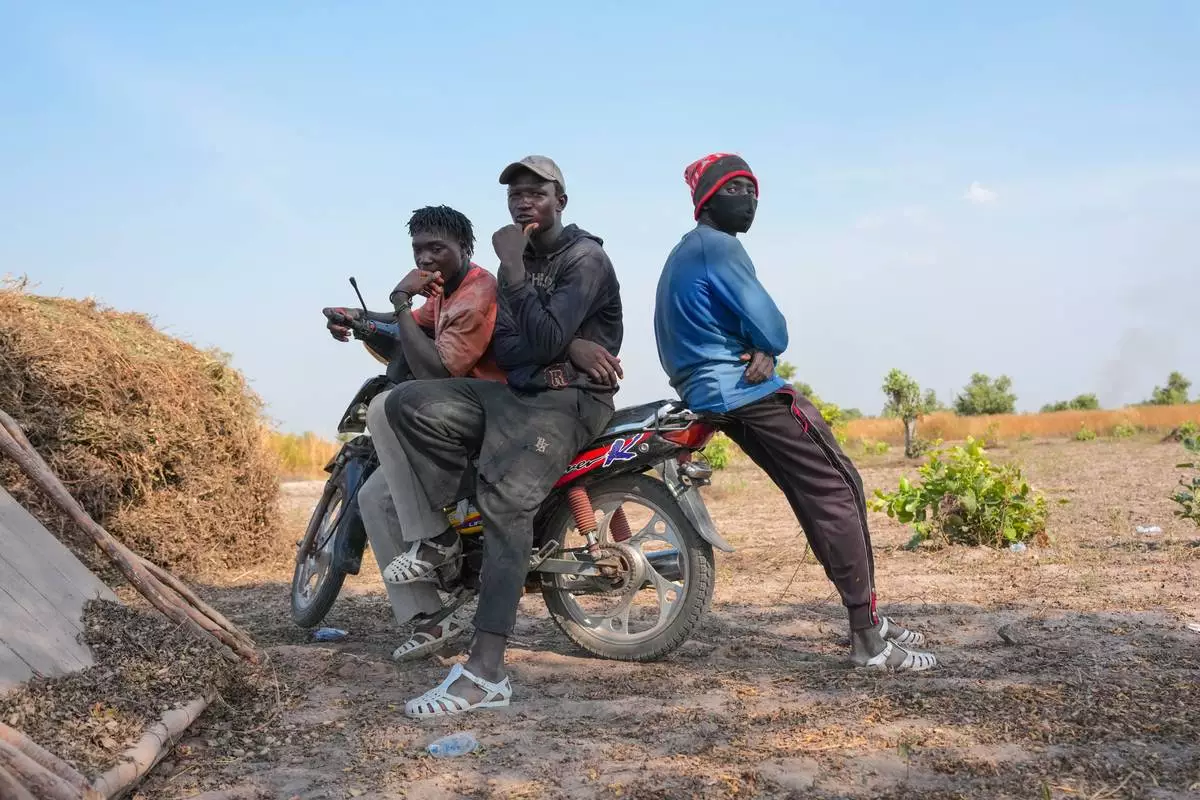
Mamadou Camara, 22, Issa Traoré, 22, and Madassa Kebe, 23, had been living in Mali's capital, Bamako, struggling to find work. Their families had helped them raise money for the Atlantic journey to Europe via Guinea-Bissau, but they said a smuggler there disappeared with it.

They decided to return home through Senegal, where they met Mangassa.

“I empathized with them because I know what it’s like to work hard and still not make ends meet while your family depends on you,” Mangassa said. “I wanted to show them that there are opportunities for young people here.”

For more on Africa and development: https://apnews.com/hub/africa-pulse

The Associated Press receives financial support for global health and development coverage in Africa from the Gates Foundation. The AP is solely responsible for all content. Find AP’s standards for working with philanthropies, a list of supporters and funded coverage areas at AP.org.

Filly Mangassa, who is part of a growing trend of young Africans moving to rural areas for better work opportunities, stands in a field in Tambacounda, Senegal, Wednesday, Nov. 5, 2025. (AP Photo/Mark Banchereau)

Filly Mangassa, who is part of a growing trend of young Africans moving to rural areas for better work opportunities, stands in a field in Tambacounda, Senegal, Wednesday, Nov. 5, 2025. (AP Photo/Mark Banchereau)

Mamadou Camara, who moved from Mali to Senegal pursue farming, stacks peanut plants on a cart on a farm in Tambacounda, Senegal, Wednesday, Nov. 5, 2025. (AP Photo/Mark Banchereau)

Mamadou Camara, who moved from Mali to Senegal pursue farming, stacks peanut plants on a cart on a farm in Tambacounda, Senegal, Wednesday, Nov. 5, 2025. (AP Photo/Mark Banchereau)

Issa Traore, left, Mamadou Camara, center, and Madassa Kebe, who moved from Mali to Senegal to pursue farming, sit on a scooter on a farm in Tambacounda, Senegal, Wednesday, Nov. 5, 2025. (AP Photo/Mark Banchereau)

Issa Traore, left, Mamadou Camara, center, and Madassa Kebe, who moved from Mali to Senegal to pursue farming, sit on a scooter on a farm in Tambacounda, Senegal, Wednesday, Nov. 5, 2025. (AP Photo/Mark Banchereau)

Issa Traore, center, and Madassa Kebe, right, carry peanut plants on a farm in Tambacounda, Senegal, Wednesday, Nov. 5, 2025. (AP Photo/Mark Banchereau)

Issa Traore, center, and Madassa Kebe, right, carry peanut plants on a farm in Tambacounda, Senegal, Wednesday, Nov. 5, 2025. (AP Photo/Mark Banchereau)

Filly Mangassa, left, and Mamadou Camara, who are part of a growing trend of young Africans moving to rural areas for better work opportunities, throw peanut plants on a pile on a farm in Tambacounda, Senegal, Wednesday, Nov. 5, 2025. (AP Photo/Mark Banchereau)

Filly Mangassa, left, and Mamadou Camara, who are part of a growing trend of young Africans moving to rural areas for better work opportunities, throw peanut plants on a pile on a farm in Tambacounda, Senegal, Wednesday, Nov. 5, 2025. (AP Photo/Mark Banchereau)

Recommended Articles