Hong Kong Customs and Hong Kong Police Force seize drugs worth over 479 million in joint anti-narcotics operation
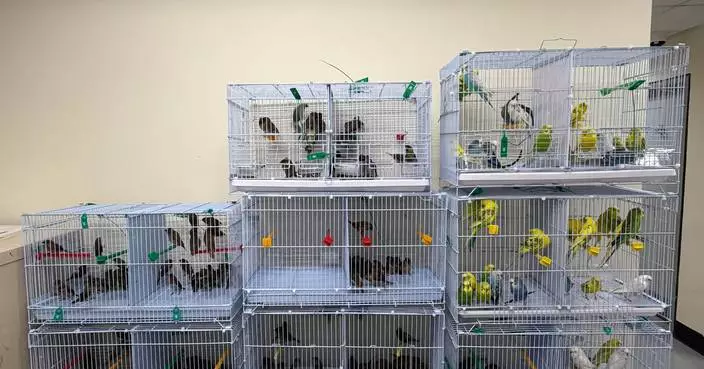
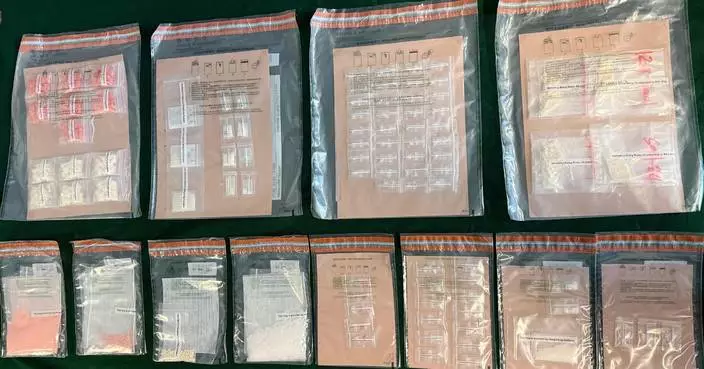
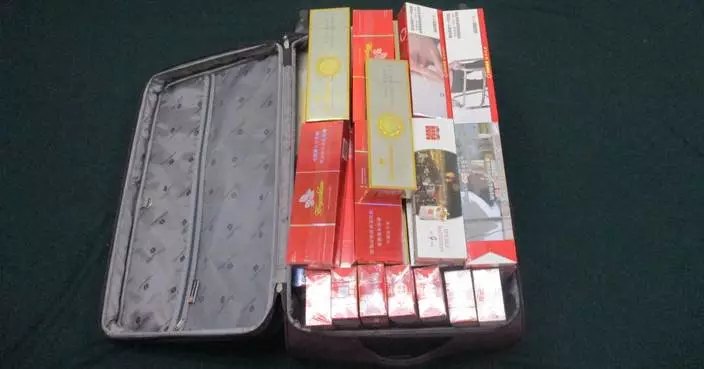
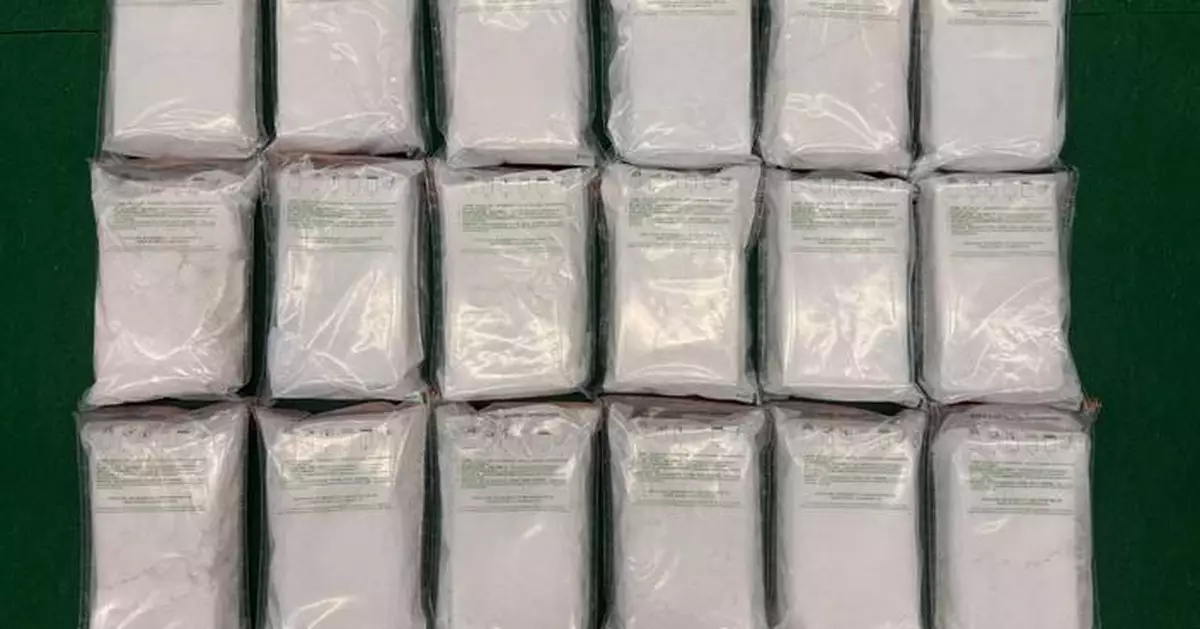
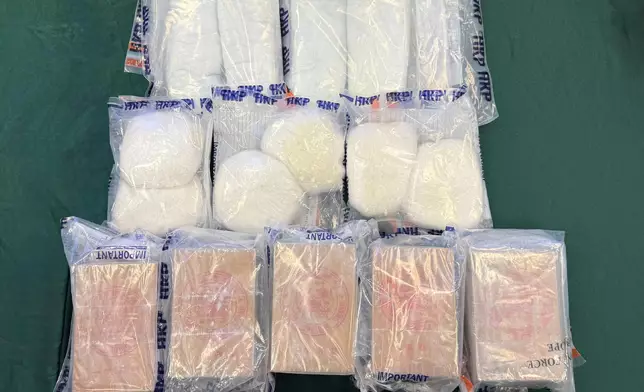
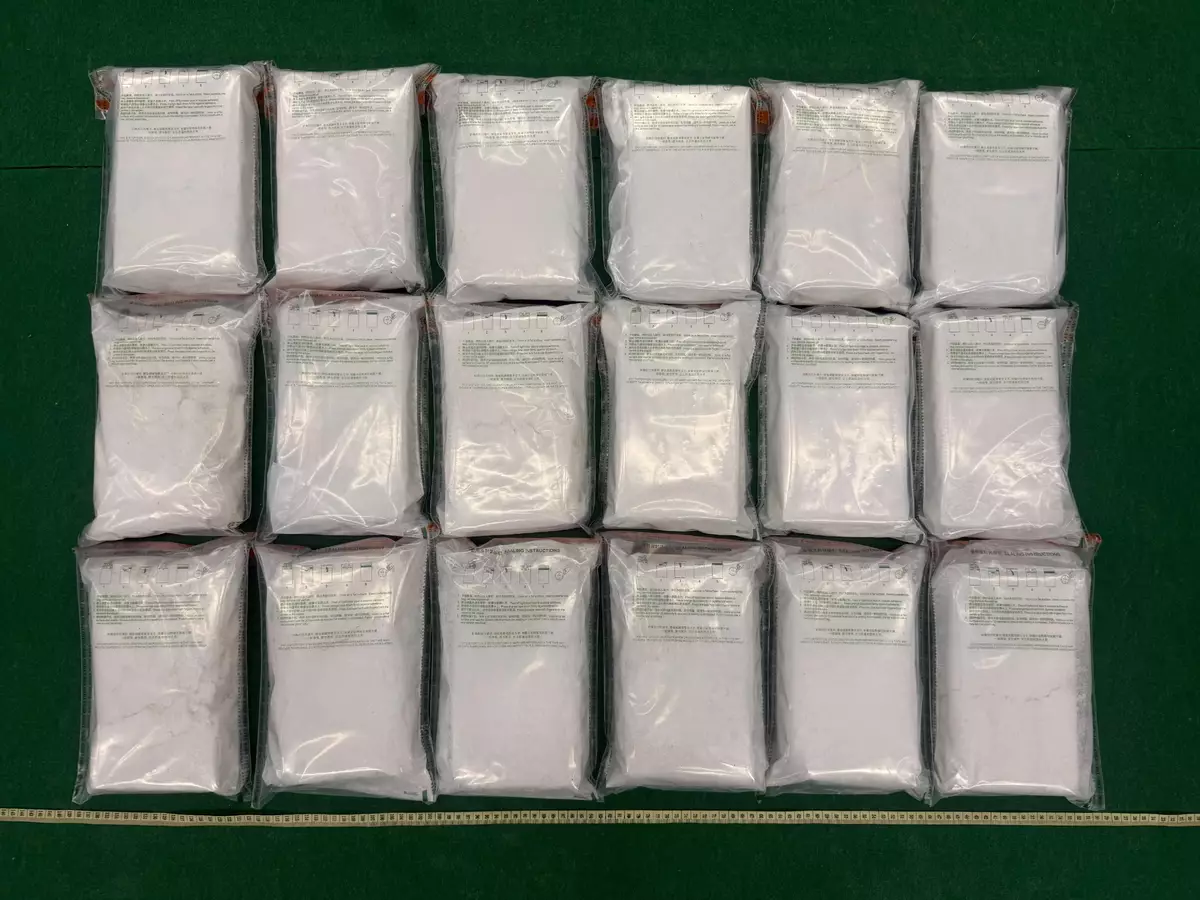
Hong Kong Customs and the Hong Kong Police Force (HKPF) conducted a large-scale anti-narcotics operation codenamed "Boldhit" from June 1 to August 31 this year to combat drug trafficking activities exploiting air passengers as drug couriers by drug syndicates. During the operation, Customs, the HKPF, Mainland and overseas law enforcement agencies detected a total of 74 drug cases, seizing around 1 219 kilograms of suspected drugs including cannabis, ketamine, cocaine, methamphetamine, heroin and MDMA, with an estimated market value of over $479 million. Ninety-six persons suspected to be connected with the cases were arrested.
Click to Gallery
Hong Kong Customs and Hong Kong Police Force seize drugs worth over 479 million in joint anti-narcotics operation Source: HKSAR Government Press Releases
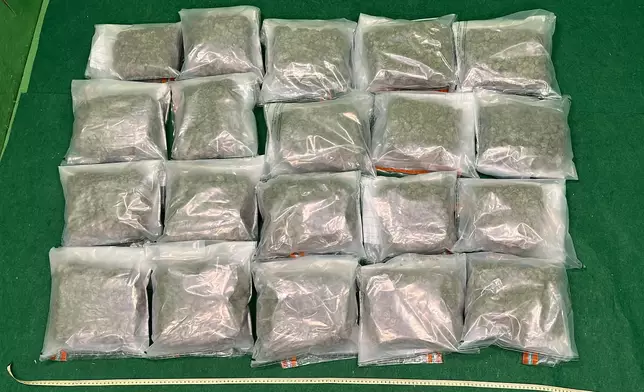
Hong Kong Customs and Hong Kong Police Force seize drugs worth over 479 million in joint anti-narcotics operation Source: HKSAR Government Press Releases
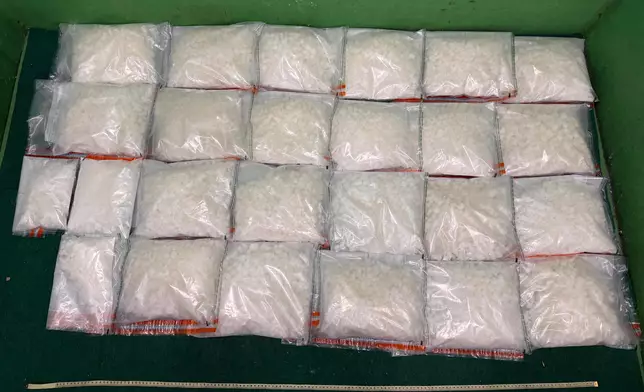
Hong Kong Customs and Hong Kong Police Force seize drugs worth over 479 million in joint anti-narcotics operation Source: HKSAR Government Press Releases
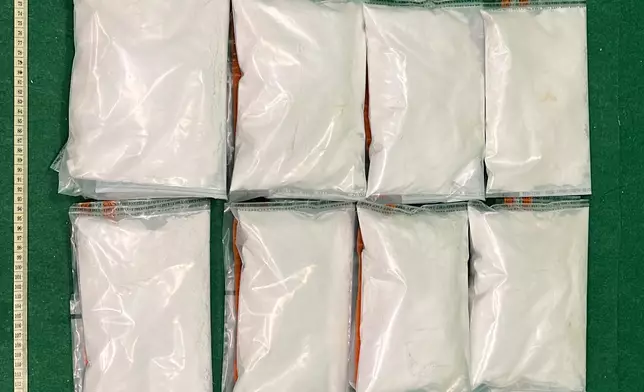
Hong Kong Customs and Hong Kong Police Force seize drugs worth over 479 million in joint anti-narcotics operation Source: HKSAR Government Press Releases
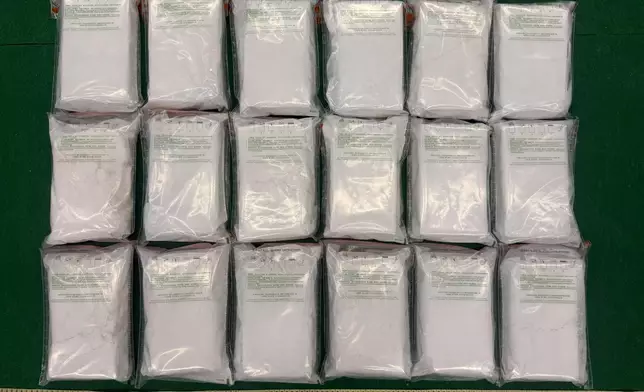
Hong Kong Customs and Hong Kong Police Force seize drugs worth over 479 million in joint anti-narcotics operation Source: HKSAR Government Press Releases
During the operation, Hong Kong Customs and the HKPF collaborated with 12 Mainland and overseas law enforcement agencies to facilitate close and real-time exchange of intelligence, conducting joint assessments to effectively track and intercept air passengers involved in drug trafficking. The Anti-Smuggling Bureau of Mainland Customs, the Narcotics Control Department of the Shenzhen Municipal Public Security Bureau, the Shenzhen General Station of Exit and Entry Frontier Inspection, German Customs, Canada Border Services Agency and the Central Narcotics Bureau of Singapore also successfully detected drug trafficking cases in their respective regions.
Customs and the HKPF have long striven to intercept the inflow of drugs to Hong Kong by adopting a risk management and an intelligence-led approach according to the trends of drug markets and smuggling channels. Both sides will continue to make necessary adjustments in strategy and deployment in accordance with changes in the drug trafficking trends and enhance co-operation with overseas enforcement agencies to fight against transnational narcotics trafficking activities.
Customs and the HKPF remind members of the public to stay alert and not to participate in drug trafficking activities for monetary return. They must not accept hiring or delegation from another party to carry controlled items into and out of Hong Kong. They are also reminded not to carry unknown items for other people.
Under the Dangerous Drugs Ordinance, trafficking in a dangerous drug is a serious offence. The maximum penalty upon conviction is a fine of $5 million and life imprisonment.
Members of the public may report any suspected drug trafficking activities to Customs' 24-hour hotline 182 8080 or its dedicated crime-reporting email account (crimereport@customs.gov.hk) or online form (eform.cefs.gov.hk/form/ced002), or to the HKPF's drug reporting hotline 2527 1234 or "e-Report Centre" of the HKPF's mobile application.
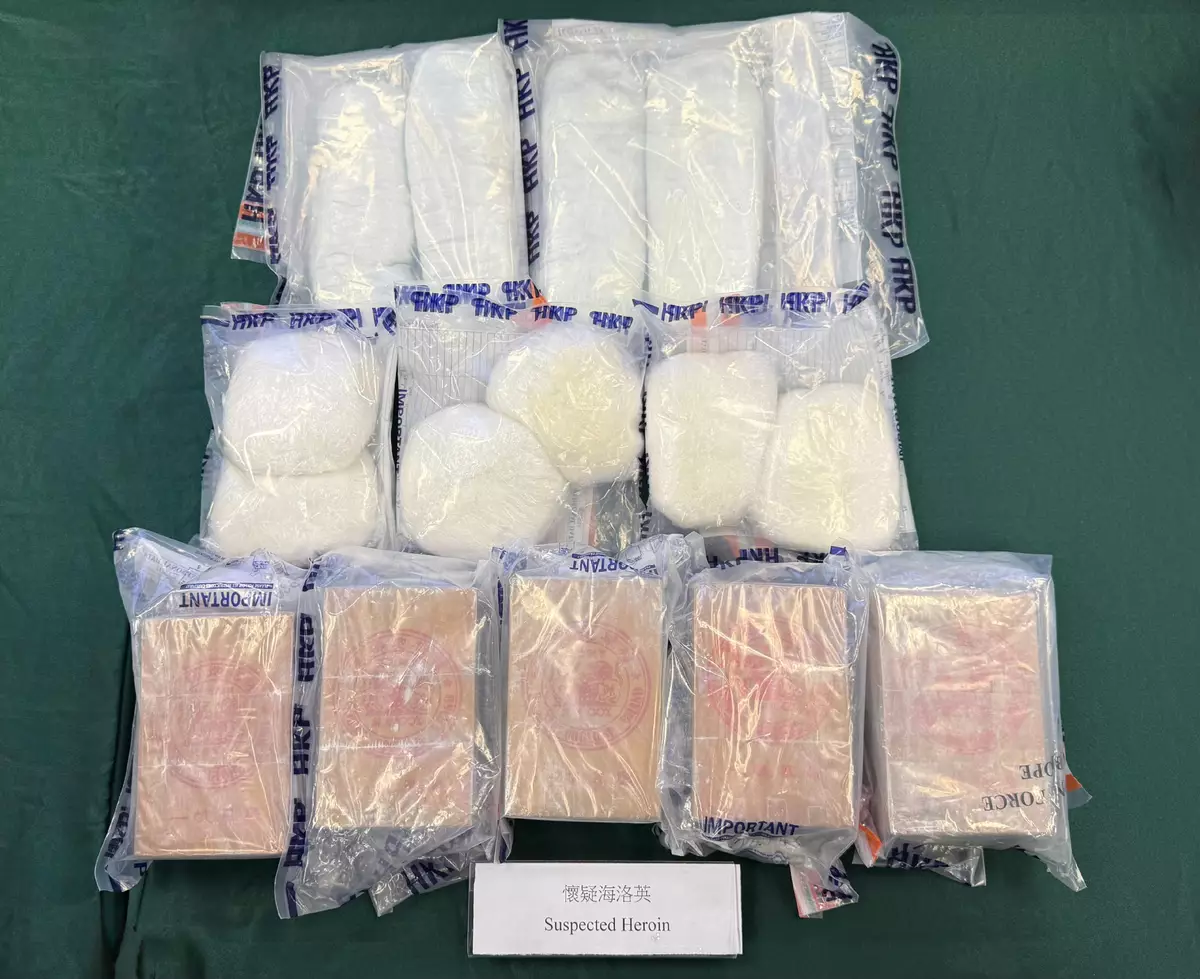
Hong Kong Customs and Hong Kong Police Force seize drugs worth over 479 million in joint anti-narcotics operation Source: HKSAR Government Press Releases
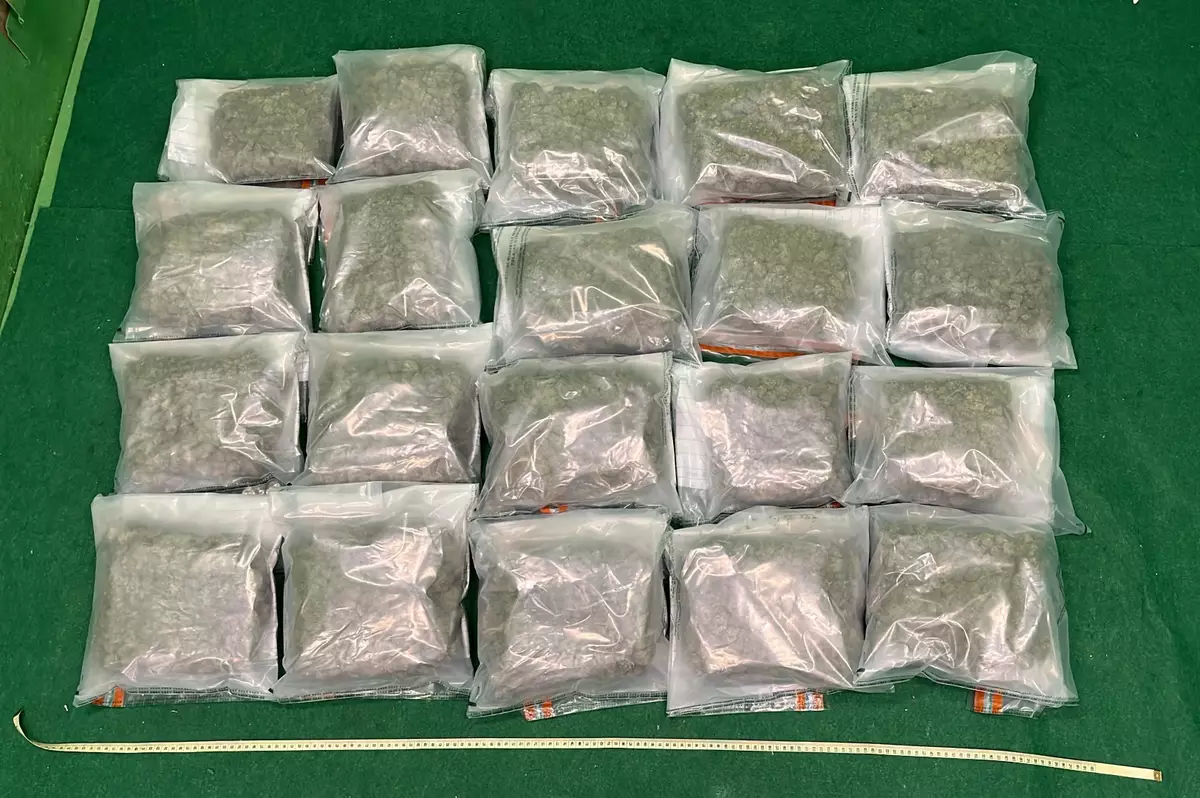
Hong Kong Customs and Hong Kong Police Force seize drugs worth over 479 million in joint anti-narcotics operation Source: HKSAR Government Press Releases
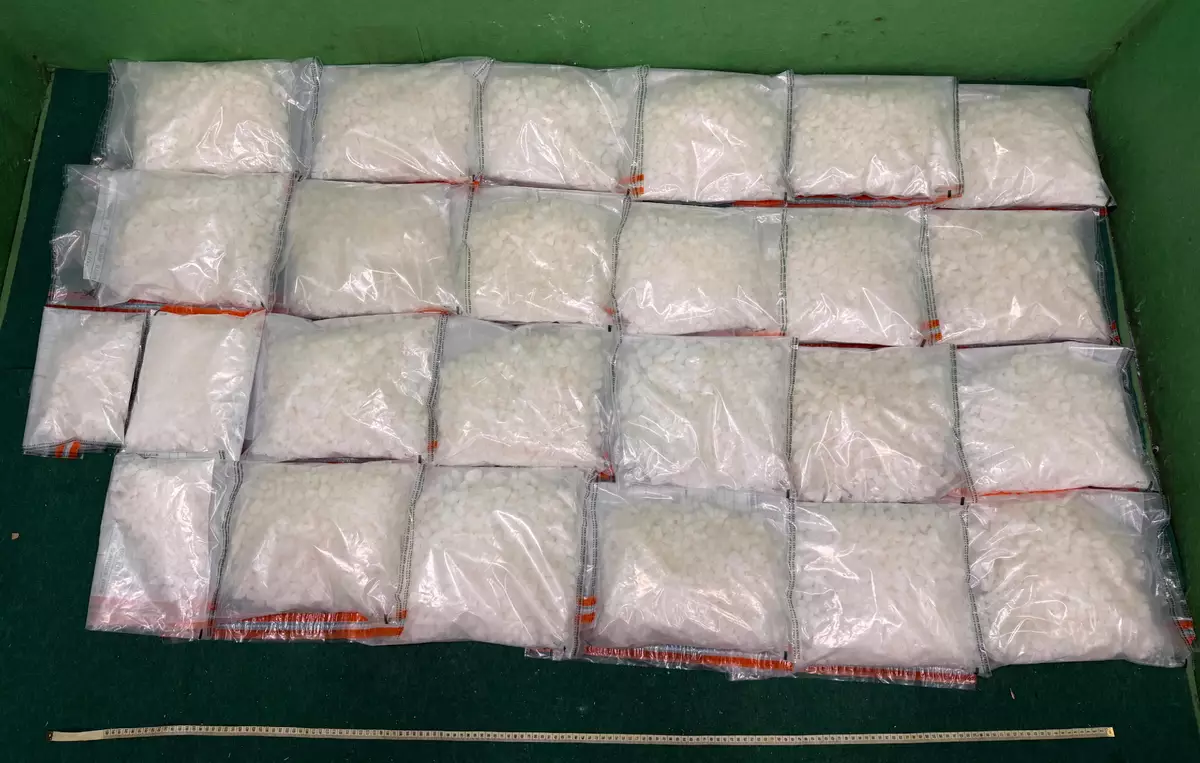
Hong Kong Customs and Hong Kong Police Force seize drugs worth over 479 million in joint anti-narcotics operation Source: HKSAR Government Press Releases
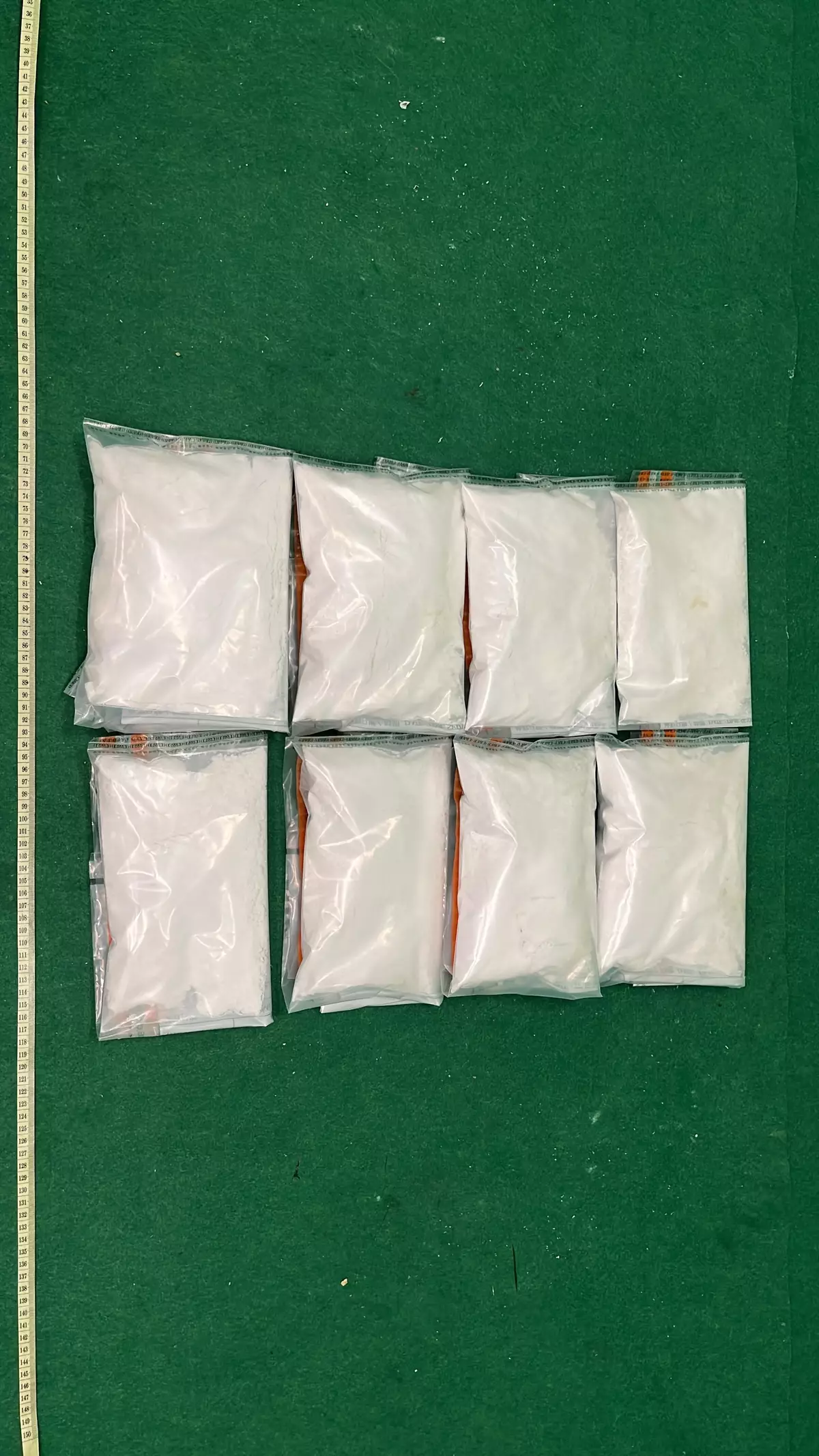
Hong Kong Customs and Hong Kong Police Force seize drugs worth over 479 million in joint anti-narcotics operation Source: HKSAR Government Press Releases
Hong Kong Customs and Hong Kong Police Force seize drugs worth over 479 million in joint anti-narcotics operation Source: HKSAR Government Press Releases