The grand-nephew of Dr. Dwarkanath Kotnis, an Indian doctor who became a wartime hero in China, said China's development over the years showed how shared governance could bring harmony and prosperity to a developing nation.
Some 87 years ago, Dwarkanath Kotnis left his family for China, a country struggling in resistance against Japanese aggression. Amidst the chaos of war, Kotnis saved many lives of Chinese civilians and soldiers and helped train batches of medical personnel, until he succumbed to illness from overwork at the young age of 32. For over eight decades years, Kotnis' spirit of internationalism has transcended time and space.
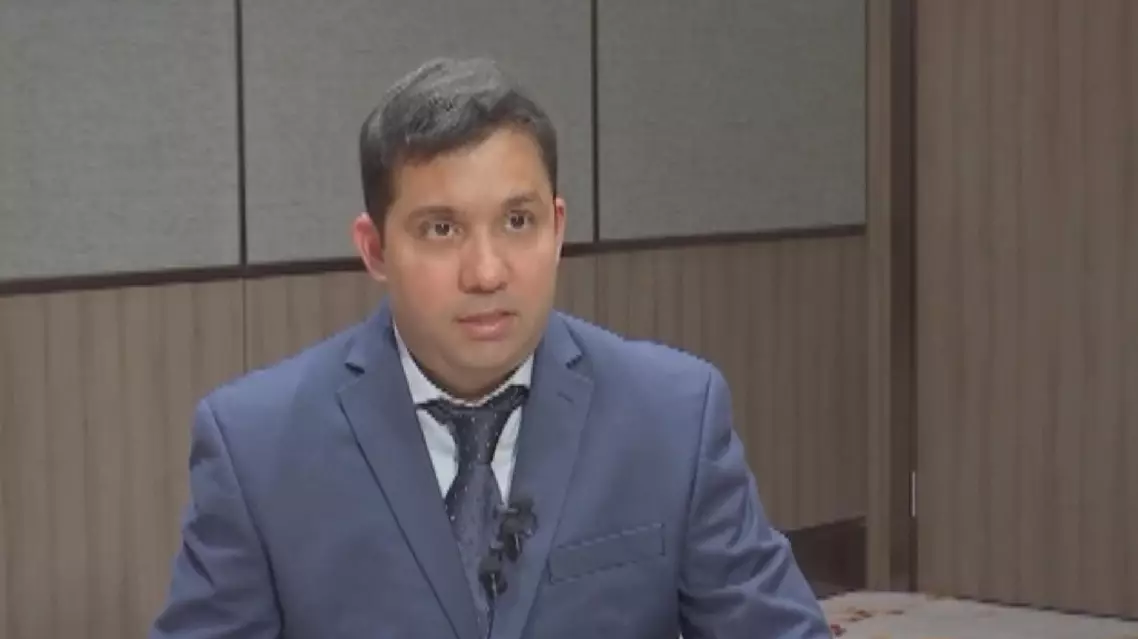
Mangesh Rajan Borkar is in Beijing to represent Dr. Kotnis at commemoration events marking the 80th anniversary of the victory in the Chinese People's War of Resistance Against Japanese Aggression and the World Anti-Fascist War. He is just one of those who are relatives of foreigners who came to the assistance of the Chinese during the war against the invading Japanese army during WWII.
Borkar spoke to China Global Television Network (CGTN) and shared his thoughts on the Global Governance Initiative (GGI) proposed by Chinese President Xi Jinping at the Shanghai Cooperation Organization (SCO) Summit 2025, which was held on Sunday and Monday in north China's port city of Tianjin.
"China has done an amazing job from a country that was war-struck in the 1930s and 40s to coming up a long way and becoming one of the strongest economies in the world. It's great. And China's modernization has all been about people, people-to-people ties. It's about spreading harmony. It's about shared governance where countries can come together, unite and definitely vouch for global peace and global safeguarding," he said.
Grand-nephew of Indian doctor who became war-time hero in China hails Chinese development