WASHINGTON (AP) — U.S. employers posted 7.2 million job vacancies in July as the American labor market continues to cool.
The Labor Department reported Wednesday that job openings fell from 7.4 million in June and came in modestly below what economists had forecast. Healthcare and social assistance companies cut openings by 181,000 and retailers by 110,000.
The Job Openings and Labor Turnover Survey (JOLTS) showed that layoffs rose slightly. The number of Americans quitting their jobs — a sign of confidence in their ability to find better pay, opportunities or working conditions elsewhere — was unchanged from June at 3.2 million.
Jobs openings remain at healthy levels but have fallen steadily since peaking at a record 12.1 million in March 2022 as the U.S. economy roared back from COVID-19 lockdowns.
The U.S. job market has lost momentum this year, partly because of the lingering effects of 11 interest rate hikes by the inflation fighters at the Federal Reserve in 2022 and 2023 and partly because President Donald Trump’s trade wars have created uncertainty that is paralyzing managers making hiring decisions.
On Friday, the Labor Department will put out unemployment and hiring numbers for August. They are expected to show that businesses, government agencies and nonprofits added nearly 80,000 jobs last month, according to a survey of forecasters by the data firm FactSet. That would mark a modest improvement on the disappointing 73,000 they created in July.
Worse than the lackluster July hiring figures were Labor Department revisions that slashed a stunning 258,000 jobs off May and June payrolls. A furious Trump responded to the bad numbers by firing the head of the Bureau of Labor Statistics, the technocratic agency that compiles the statistics, and nominating a partisan idealogue to replace her.
So far this year, the economy has been generating 85,000 jobs a month, down from 168,000 last year and an average 400,000 a month during the hiring boom of 2021-2023.
In a time of uncertainty, employers are less likely to hire, but they’re not letting workers go either.
In a social media post Heather Long, chief economist at Navy Federal Credit Union, noted that jobs openings in July had come in below the number of U.S. unemployed (7.24 million) for the first time since April 2021. “This is yet another crack in the labor market that illustrates how much harder it is to get a new job right now than what we’ve seen in a long time,” she wrote.
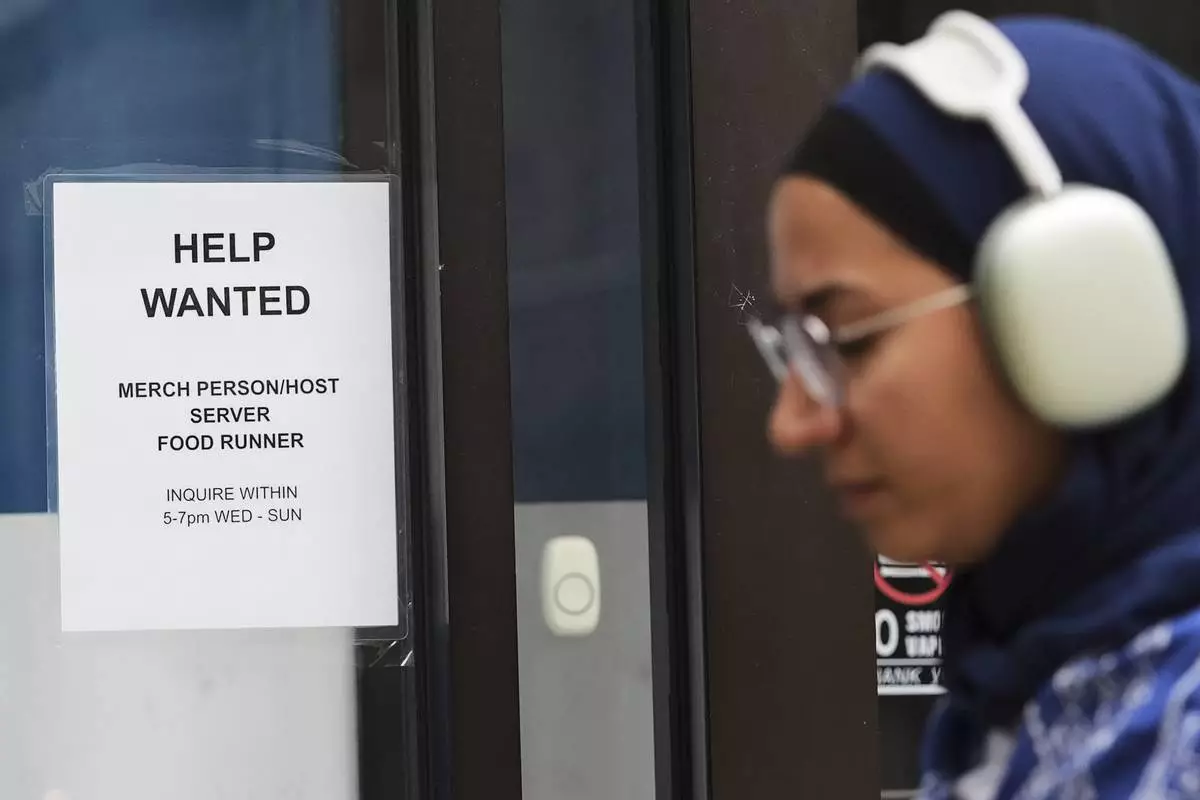
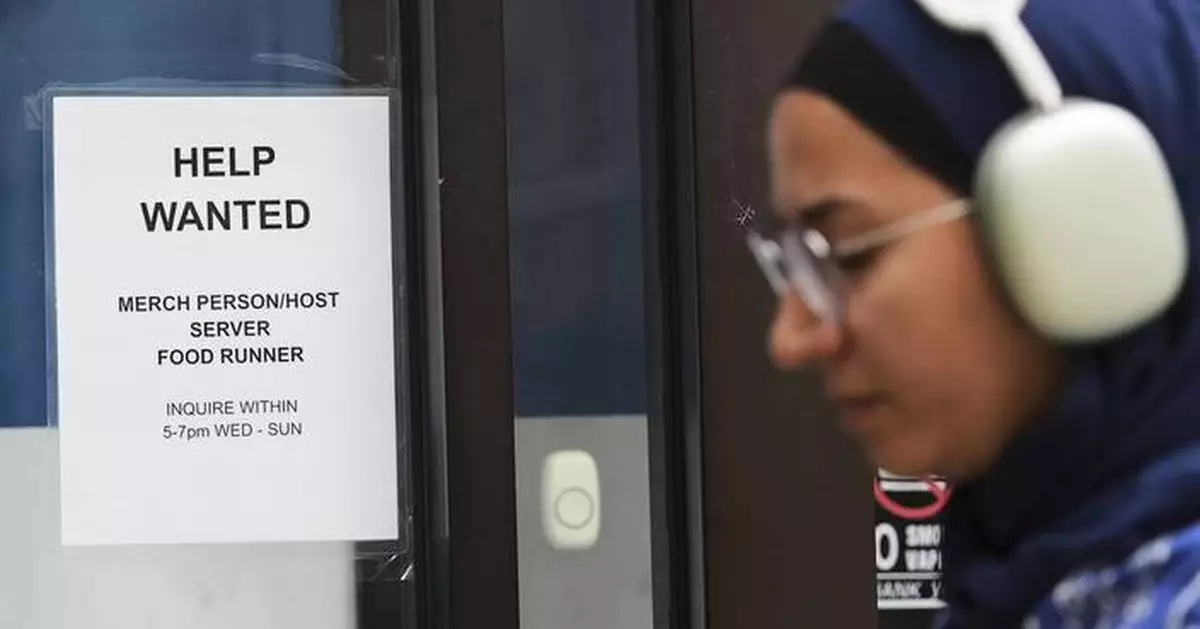
FILE - Help wanted sign is displayed at a live music and blues club in Chicago, Thursday, July 24, 2025. (AP Photo/Nam Y. Huh, File)
SEOUL, South Korea (AP) — A South Korean court sentenced former President Yoon Suk Yeol to five years in prison Friday in the first verdict from eight criminal trials over the martial law debacle that forced him out of office and other allegations.
Yoon was impeached, arrested and dismissed as president after his short-lived imposition of martial law in December 2024 triggered huge public protests calling for his ouster.
The most significant criminal charge against him alleges that his martial law enforcement amounted to a rebellion, and the independent counsel has requested the death sentence in the case that is to be decided in a ruling next month.
In Friday's case, the Seoul Central District Court sentenced Yoon for defying attempts to detain him, fabricating the martial law proclamation and sidestepping a legally mandated full Cabinet meeting.
Yoon has maintained he didn’t intend to place the country under military rule for an extended period, saying his decree was only meant to inform the people about the danger of the liberal-controlled parliament obstructing his agenda. But investigators have viewed Yoon’s decree as an attempt to bolster and prolong his rule, charging him with rebellion, abuse of power and other criminal offenses.
Judge Baek Dae-hyun said in the televised ruling that imposing “a grave punishment” was necessary because Yoon hasn’t shown remorse and has only repeated “hard-to-comprehend excuses.” The judge also restoring legal systems damaged by Yoon’s action was necessary.
Yoon, who can appeal the ruling, hasn’t immediately publicly responded to the ruling. But when the independent counsel demanded a 10-year prison term in the case, Yoon’s defense team accused them of being politically driven and lacking legal grounds to demand such “an excessive” sentence.
Prison sentences in the multiple, smaller trials Yoon faces would matter if he is spared the death penalty or life imprisonment at the rebellion trial.
Park SungBae, a lawyer who specializes in criminal law, said there is little chance the court would decide Yoon should face the death penalty in the rebellion case. He said the court will likely issue a life sentence or a sentence of 30 years or more in prison.
South Korea has maintained a de facto moratorium on executions since 1997 and courts rarely hand down death sentences. Park said the court would take into account that Yoon’s decree didn’t cause casualties and didn’t last long, although Yoon hasn’t shown genuine remorse for his action.

A supporter of former South Korean President Yoon Suk Yeol shouts slogans outside Seoul Central District Court, in Seoul, South Korea, Friday, Jan. 16, 2026. (AP Photo/Lee Jin-man)

Supporters of former South Korean President Yoon Suk Yeol hold signs and flags outside Seoul Central District Court, in Seoul, South Korea, Friday, Jan. 16, 2026. (AP Photo/Lee Jin-man)
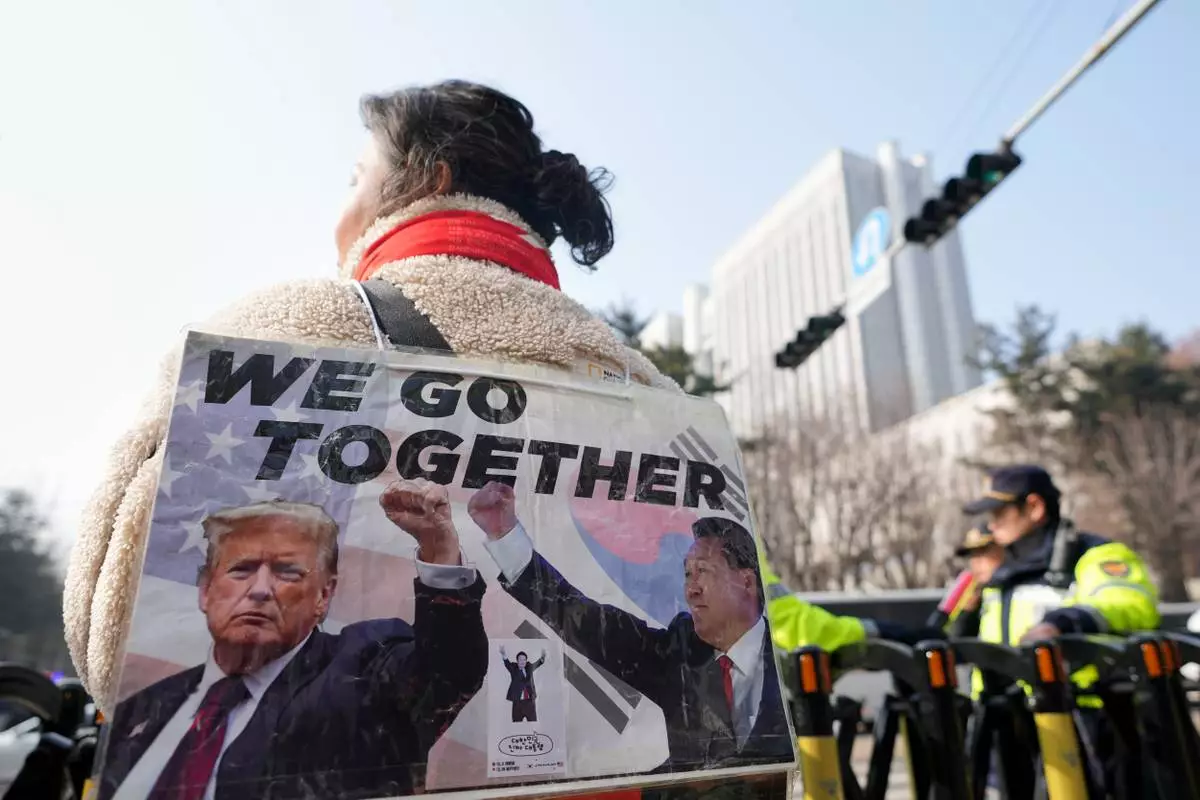
A supporter of former South Korean President Yoon Suk Yeol waits for a bus carrying former South Korean President Yoon Suk Yeol outside Seoul Central District Court, in Seoul, South Korea, Friday, Jan. 16, 2026. (AP Photo/Lee Jin-man)
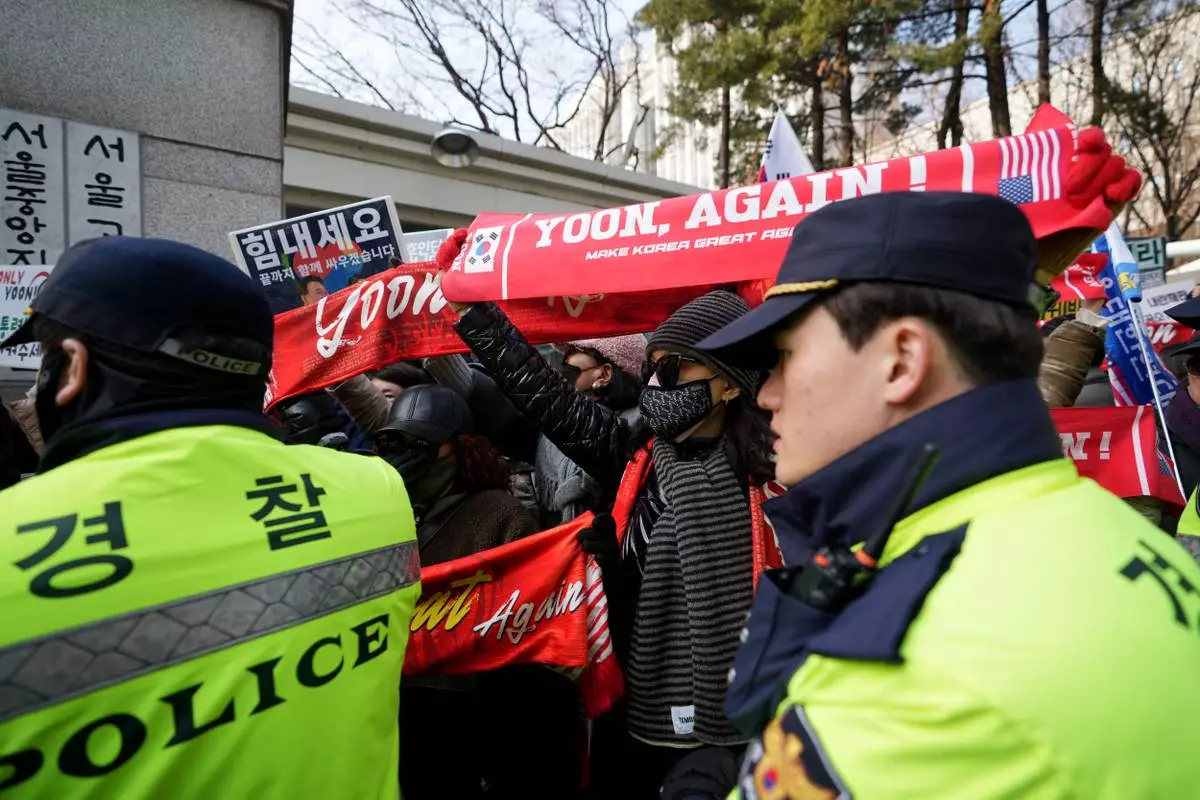
Supporters of former South Korean President Yoon Suk Yeol hold signs as police officers stand guard outside Seoul Central District Court, in Seoul, South Korea, Friday, Jan. 16, 2026. (AP Photo/Lee Jin-man)
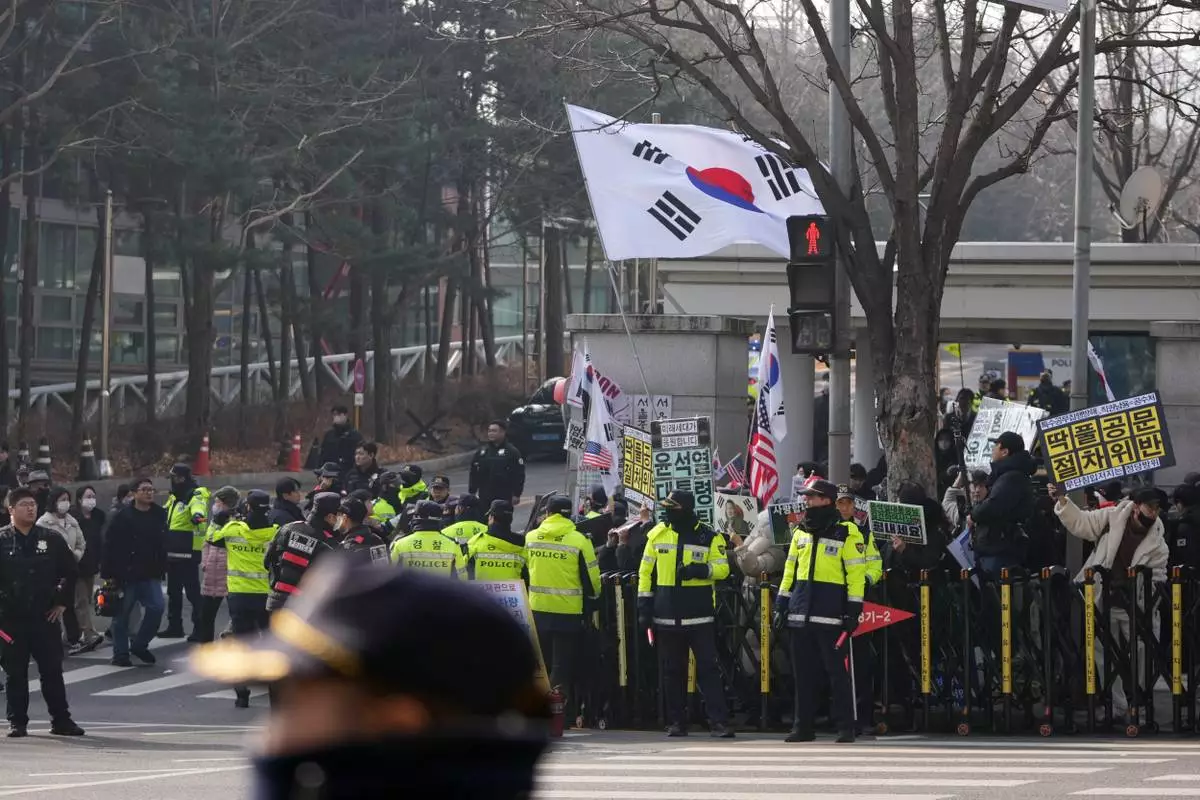
Supporters of former South Korean President Yoon Suk Yeol hold signs and flags outside Seoul Central District Court, in Seoul, South Korea, Friday, Jan. 16, 2026. (AP Photo/Lee Jin-man)
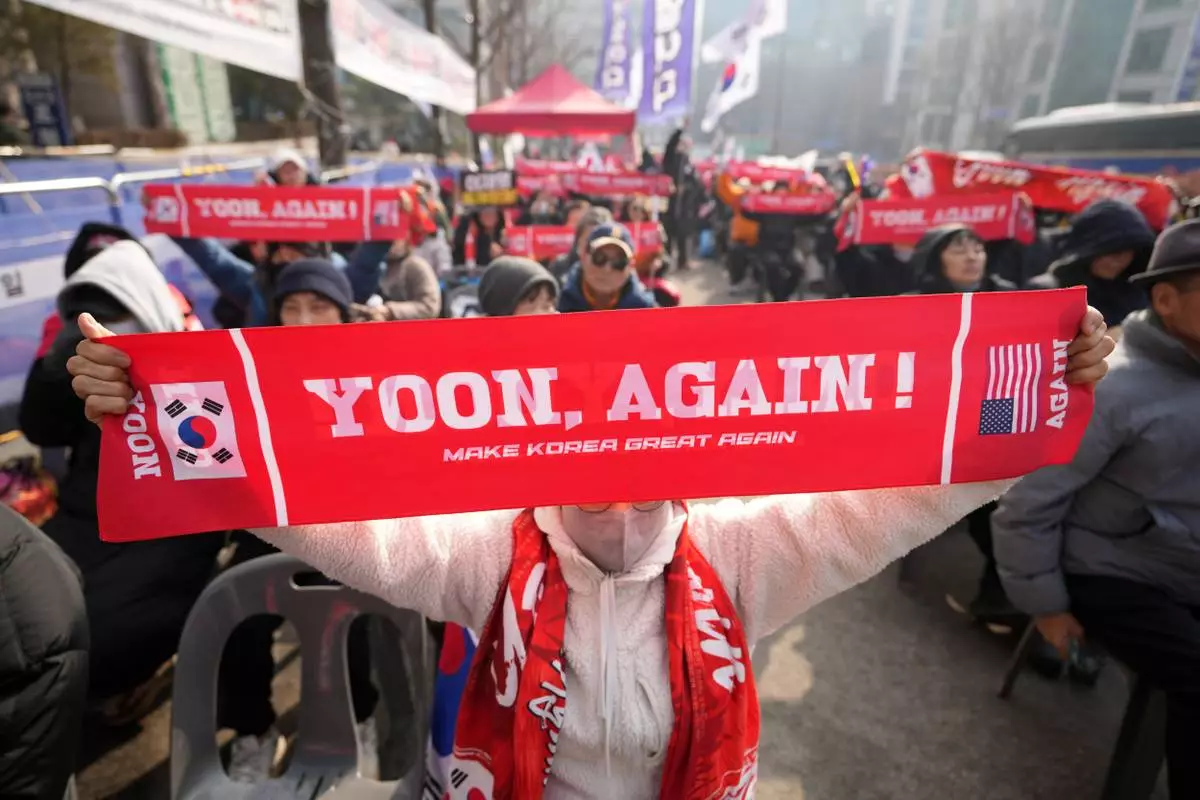
Supporters of former South Korean President Yoon Suk Yeol hold signs outside Seoul Central District Court, in Seoul, South Korea, Friday, Jan. 16, 2026. (AP Photo/Lee Jin-man)
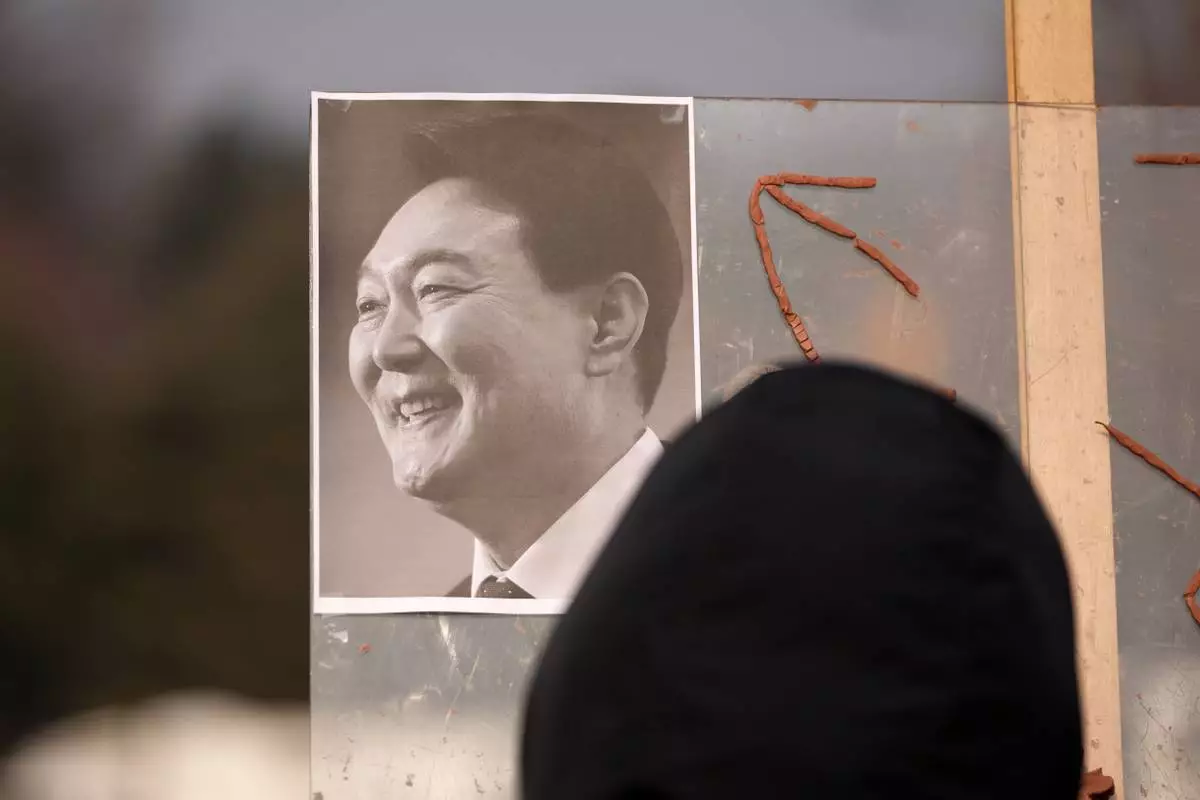
A picture of former South Korean President Yoon Suk Yeol is placed on a board as supporters gather outside Seoul Central District Court, in Seoul, South Korea, Friday, Jan. 16, 2026. (AP Photo/Lee Jin-man)