A number of reservists in Israel who are soon to be drafted in for the war in Gaza are said to be questioning the government's goals amid the continuation of the conflict which now approaches an unwanted second anniversary.
Prime Minister Benjamin Netanyahu said Tuesday night that Israel was entering "the decisive stage" of the war in Gaza, seeking to rally support among reservists and counter reports of a low turnout for the latest call-up.
Israel summoned about 40,000 reservists earlier that morning, the largest single call-up since the war began nearly two years ago, as part of its plan to capture Gaza City -- a move approved by Netanyahu's cabinet despite international warnings.
But turnout was reportedly lower than expected, according to state-owned Kan TV, which cited the strain and burden of repeated rounds of service.
The cabinet decision has also sparked dissent among many in Israel, with more than 350 reservists announcing in a letter on Tuesday that they would refuse to serve if ordered into Gaza.
"In the Lebanon War, Second Lebanon War and in the Protective Edge War we saw a 200 percent turnout, of people that enlisted themselves. In this war we see the opposite. So the army can say what they want. At the end of the day, people in the street are voting with their legs -- they don't come," said Dr. Tuly Flint, a member of the Soldiers for the Hostages Organization, which represents Israeli soldiers who no longer wish to serve until the government secures a deal to release hostages taken on Oct 7, 2023.
Negotiations between Israel and Hamas over a potential ceasefire and hostage deal have been stalled since mid-August, as Israel has yet to respond to a proposal from Qatari and Egyptian mediators that Hamas had earlier accepted. Many reservists believe the Netanyahu government is seeking to prolong the war in order to ensure the current administration can cling onto power.
"The government does different things in order to stay in power including -- and that's the worst case -- including maintaining this war in an ongoing struggle for no reason," said Dan Eliav, another member of the Soldiers for the Hostages Organization.
Meanwhile, the Israeli military has continued strikes throughout the Palestinian enclave and is preparing for a new offensive on the territory's largest urban center.
Health authorities in the territory reported Tuesday that at least 76 people were killed and 281 injured by Israeli strikes and gunfire in the past 24 hours, bringing the overall death toll to 63,633.
Hospitals in Gaza also recorded 13 deaths from famine and malnutrition, including three children, raising the total number of hunger-related deaths to 361, among them 130 children.
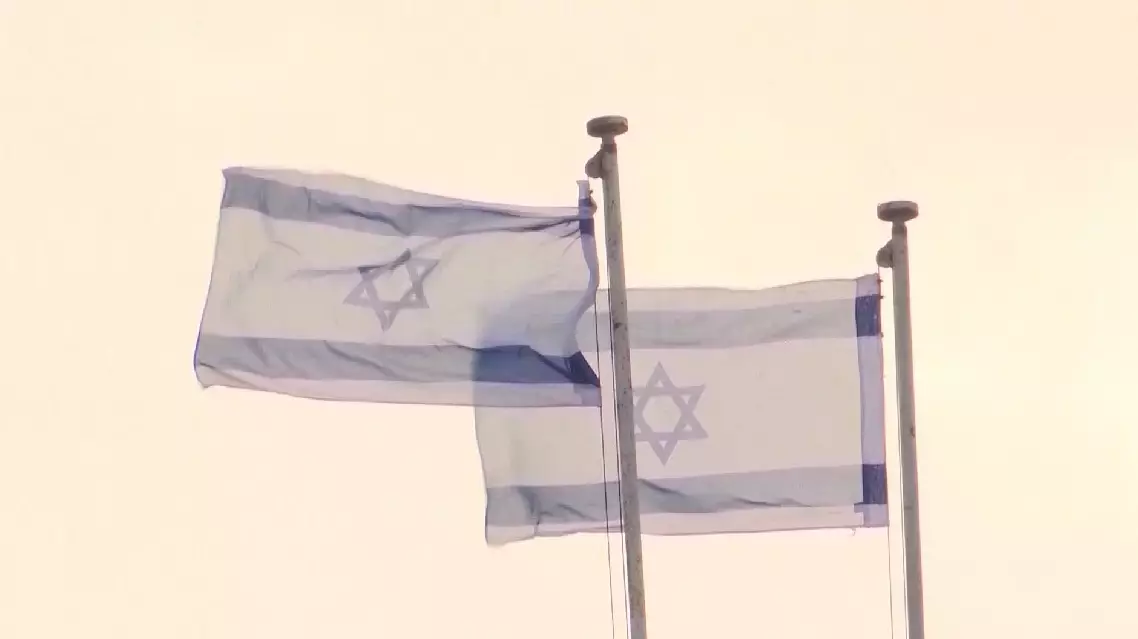
Israeli reservists refuse call-up amid Gaza war doubts
Israeli reservists refuse call-up amid Gaza war doubts