Skip to Content Facebook Feature Image

Equatorial Guinea enforces yearlong internet outage for island that protested construction company

News

Equatorial Guinea enforces yearlong internet outage for island that protested construction company
News

News

Equatorial Guinea enforces yearlong internet outage for island that protested construction company

2025-09-14 17:09 Last Updated At:17:10

LAGOS, Nigeria (AP) — When residents of Equatorial Guinea's Annobón island wrote to the government in Malabo in July last year complaining about the dynamite explosions by a Moroccan construction company, they didn't expect the swift end to their internet access.

Dozens of the signatories and residents were imprisoned for nearly a year, while internet access to the small island has been cut off since then, according to several residents and rights groups.

Local residents interviewed by The Associated Press left the island in the past months, citing fear for their lives and the difficulty of life without internet.

Banking services have shut down, hospital services for emergencies have been brought to a halt and residents say they rack up phone bills they can't afford because cellphone calls are the only way to communicate.

When governments shut down the internet, they often instruct telecom providers to cut connections to designated locations or access to designated websites, although it's unclear exactly how the shutdown works in Annobón.

The internet shutdown remains in effect, residents confirmed alongside activists, at a moment when the Trump administration has considered loosening corruption sanctions on the country’s vice president.

The Moroccan company Somagec, which activists allege is linked to the president, confirmed the outage but denied having a hand in it. The AP could not confirm a link.

“The current situation is extremely serious and worrying,” one of the signatories who spent 11 months in prison said, speaking anonymously for fear of being targeted by the government.

In addition to the internet shutdown, "phone calls are heavily monitored, and speaking freely can pose a risk,” said Macus Menejolea Taxijad, a resident who recently began living in exile.

It is only the latest of repressive measures that the country has deployed to crush criticisms, including mass surveillance, according to a 2024 Amnesty International report.

Equatorial Guinea, a former Spanish colony, is run by Africa’s longest-serving president, Teodoro Obiang Nguema Mbasogo, who, at 83, has served as president for more than half his life. His son serves as the vice president and is accused of spending state funds on a lavish lifestyle. He was convicted of money laundering and embezzlement in France and sanctioned by the U.K.

On Friday, the U.N.'s top court declined Equatorial Guinea's request for France to return a Paris-based mansion confiscated as part of a corruption probe, ruling that the African nation has not shown it has a “plausible right to the return of the building.”

Despite the country’s oil and gas wealth, at least 57% of its nearly 2 million people live in poverty, according to the World Bank. Officials, their families and their inner circle, meanwhile, live a life of luxury.

The Equatorial Guinea government did not respond to the AP’s inquiry about the island, its condition and internet access.

Located in the Atlantic Ocean about 315 miles (507 kilometers) from Equatorial Guinea’s coast, Annobón is one of the country’s poorest islands and one often at conflict with the central government. With a population of around 5,000 people, the island has been seeking independence from the country for years as it accuses the government of disregarding its residents.

The internet shutdown is the latest in a long history of Malabo’s repressive responses to the island’s political and economic demands, activists say, citing regular arrests and the absence of adequate social amenities like schools and hospitals.

“Their marginalization is not only from a political perspective, but from a cultural, societal and economic perspective,” said Mercè Monje Cano, secretary-general of the Unrepresented Peoples and Nations Organization global advocacy group.

A new airport that opened in Annobón in 2013, which was built by Somagec, promised to connect the island to the rest of the country. But not much has improved, locals and activists say. The internet shutdown has instead worsened living conditions there, collapsing key infrastructure, including health care and banking services.

In 2007, Equatorial Guinea entered into a business deal with Somagec, a Moroccan construction company that develops ports and electricity transmission systems across West and Central Africa.

Annobón's geological formation and volcanic past make the island rich in rocks and expands Malabo's influence in the Gulf of Guinea, which is abundantly rich in oil. Somagec has also built a port and, according to activists, explored mineral extraction in Annobón since it began operations on the island.

Residents and activists said the company's dynamite explosions in open quarries and construction activities have been polluting their farmlands and water supply. The company's work on the island continues.

Residents hoped to pressure authorities to improve the situation with their complaint in July last year. Instead, Obiang then deployed a repressive tactic now common in Africa to cut off access to internet to clamp down on protests and criticisms.

This was different from past cases when Malabo restricted the internet during an election.

"This is the first time the government cut off the internet because a community has a complaint,” said Tutu Alicante, an Annobon-born activist who runs the EG Justice human rights organization.

The power of the internet to enable people to challenge their leaders threatens authorities, according to Felicia Anthonio of Access Now, an internet rights advocacy group. "So, the first thing they do during a protest is to go after the internet,” Anthonio said.

Somagec’s CEO, Roger Sahyoun, denied having a hand in the shutdown and said the company itself has been forced to rely on a private satellite. He defended the dynamite blasting as critical for its construction projects, saying all necessary assessments had been done.

“After having undertaken geotechnical and environmental impact studies, the current site where the quarry was opened was confirmed as the best place to meet all the criteria,” Sahyoun said in an email.

The residents, meanwhile, continue to suffer the internet shutdown, unable to use even the private satellite deployed by the company.

"Annobón is very remote and far from the capital and the (rest of) continent," said Alicante, the activist from the island. “So you're leaving people there without access to the rest of the continent ... and incommunicado.”

AP’s Africa coverage at: https://apnews.com/hub/africa
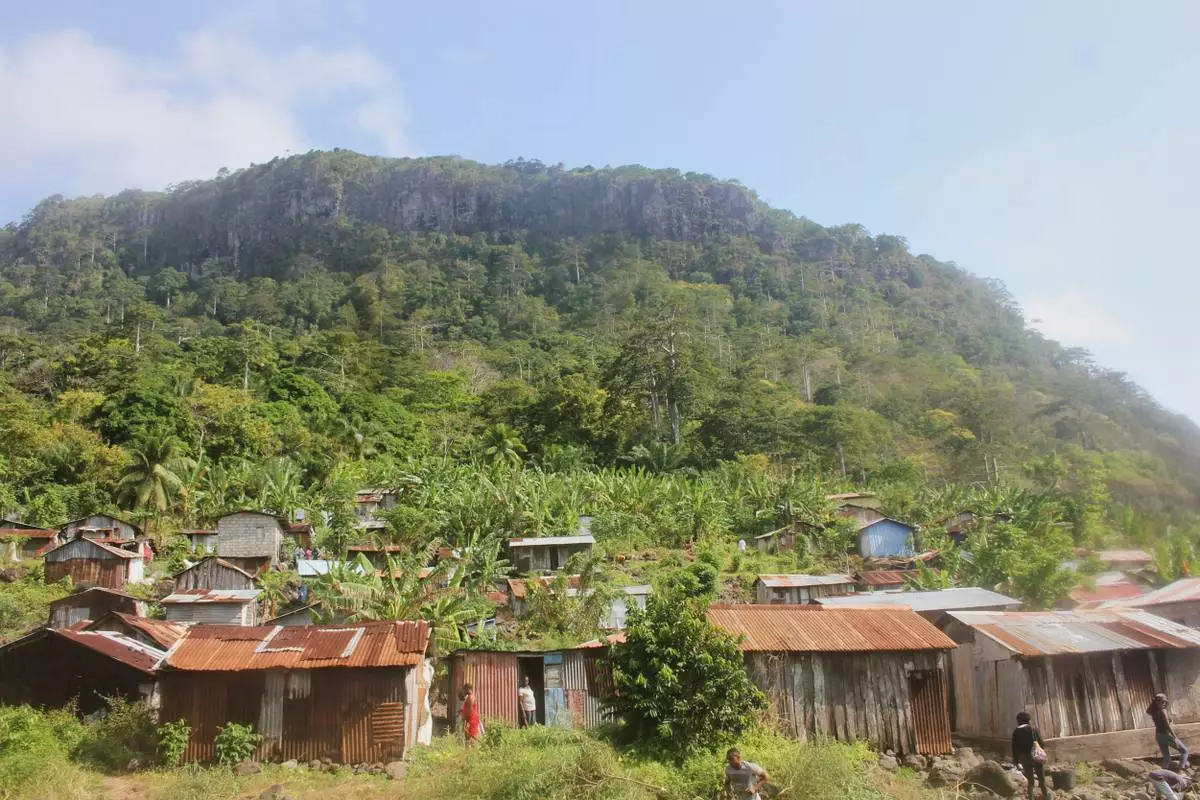
A view of an informal settlement in Annobón Island, Equatorial Guinea, June 15, 2022. (AP Photo)
A view of an informal settlement in Annobón Island, Equatorial Guinea, June 15, 2022. (AP Photo)

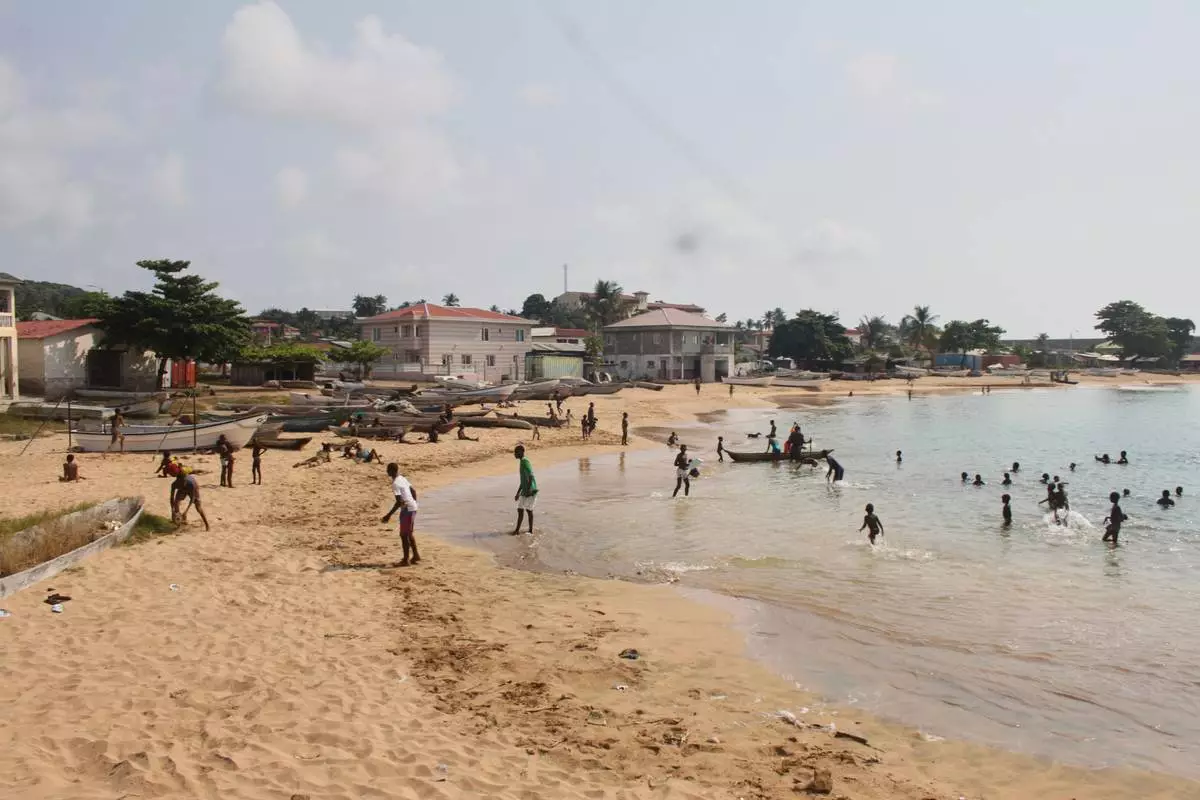
People swim and spend a day at the beach in Annobón Island, Equatorial Guinea, Sunday, June 12, 2022. (AP Photo)
People swim and spend a day at the beach in Annobón Island, Equatorial Guinea, Sunday, June 12, 2022. (AP Photo)

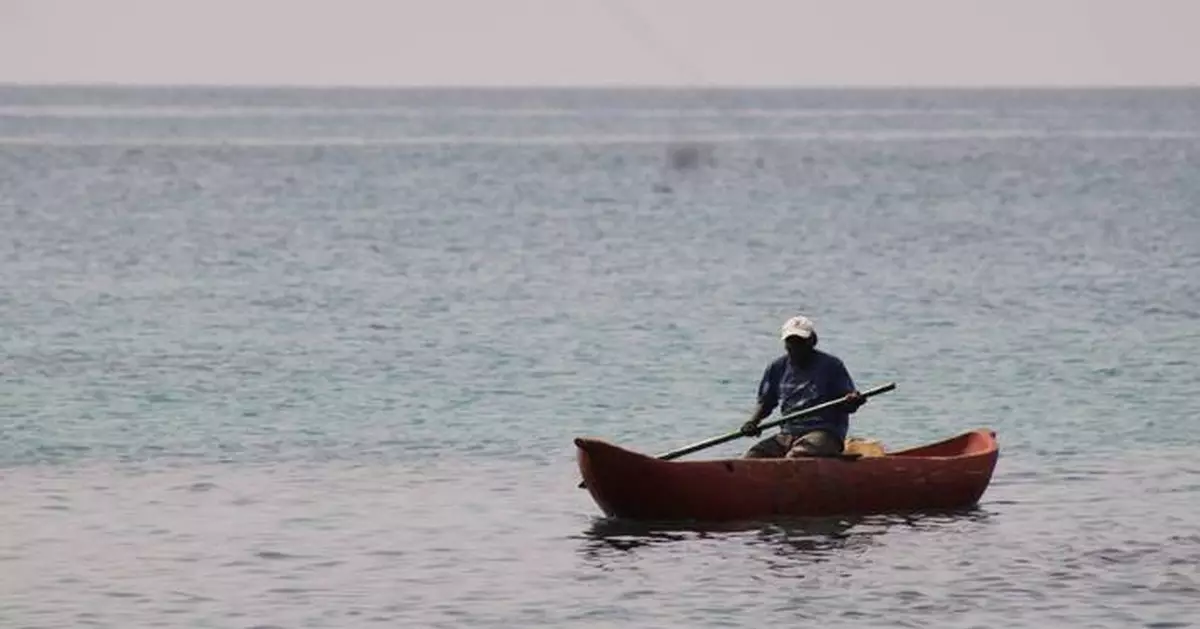
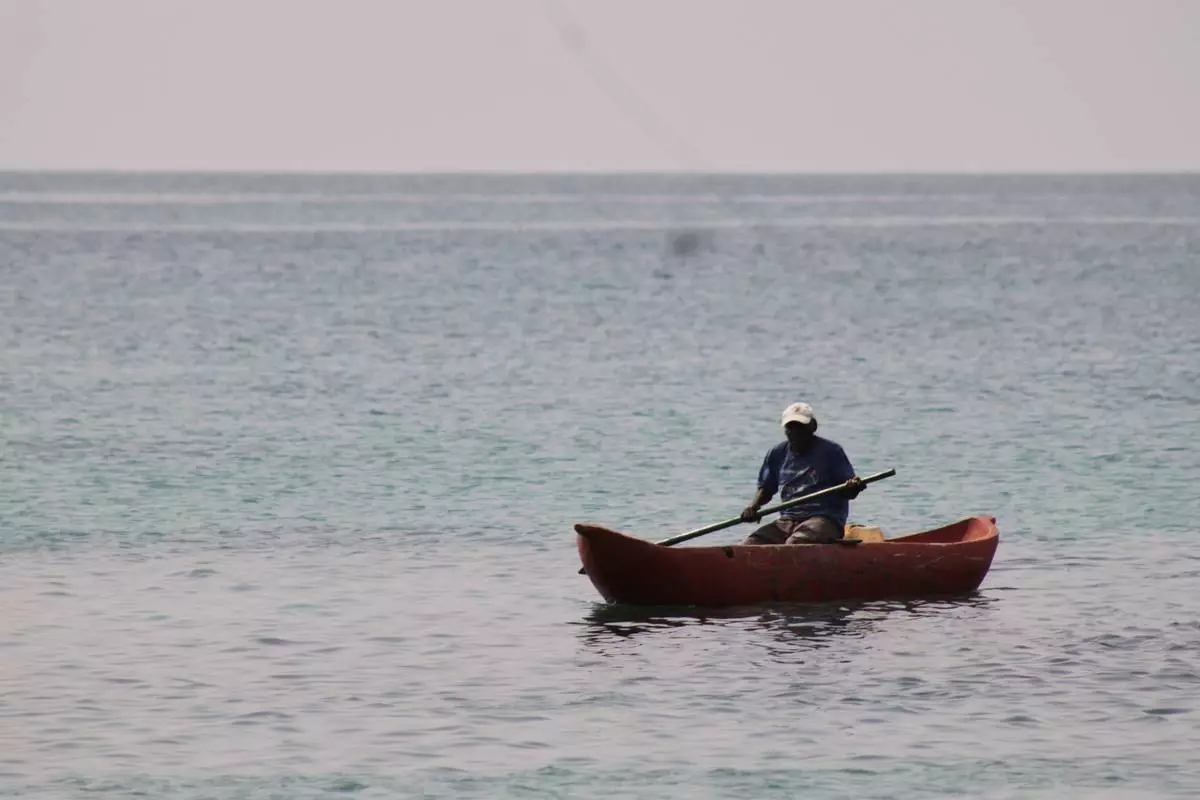
A man paddles a canoe in Annobón Island, Equatorial Guinea, Sunday, June 12, 2022. (AP Photo)
A man paddles a canoe in Annobón Island, Equatorial Guinea, Sunday, June 12, 2022. (AP Photo)
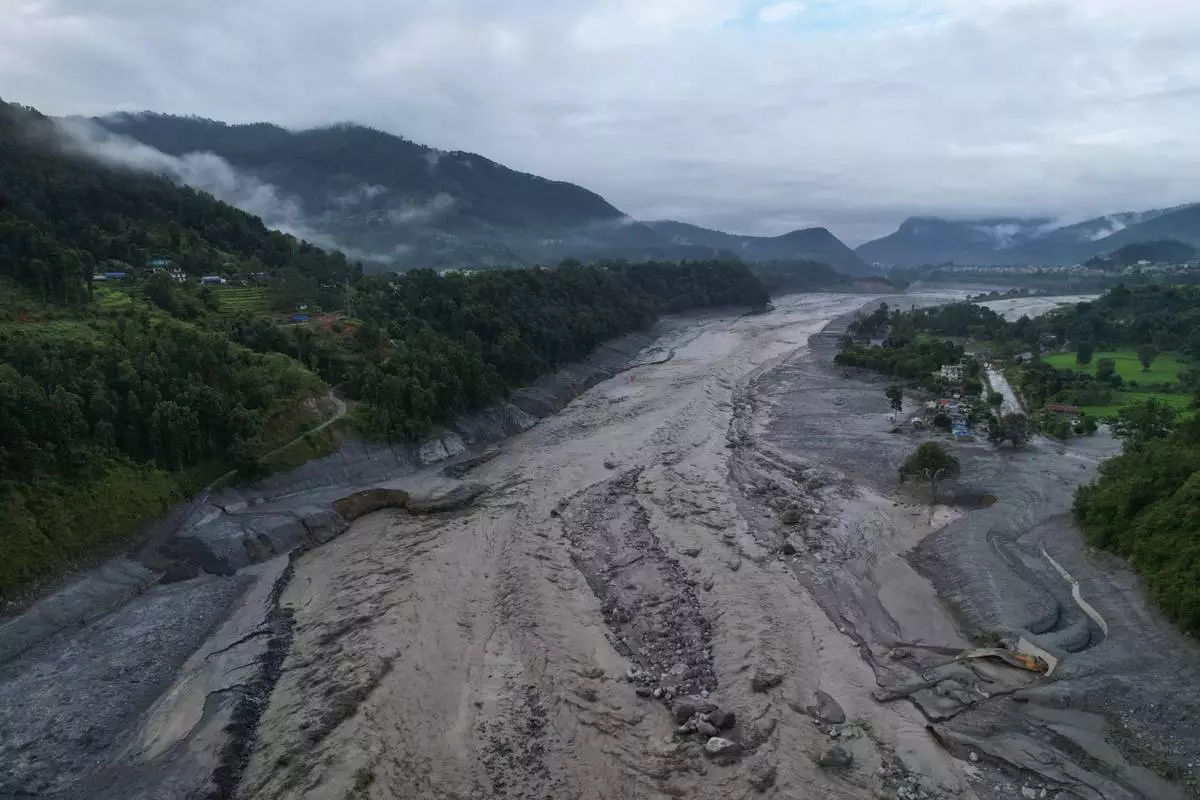
KATHMANDU, Nepal (AP) — Rescuers were trying to find trapped workers in at least a dozen hydroelectric plant sites Monday after catastrophic flooding in Nepal and Tibet killed at least 900 people and left more than 4,700 missing.

Multiple foreign teams were assisting local rescuers to find workers in multiple tunnels at Nepal's power plants on the rivers that flooded last Wednesday.

Mohan Kumar Dangi, president of the Independent Power Producers Association of Nepal, or IPPAN, said the floods damaged at least 12 hydropower projects across Rasuwa and Nuwakot districts and about 900 people were missing from the project sites.

Officials have previously offered varying estimates of the number trapped.

“We are working in search and rescue of the stranded people from hills, settlements and river areas,” said Brig. Gen. Raja Ram Basnet, Nepal’s army spokesman.

Nepal’s disaster agency said Monday that 903 deaths had been counted in that country, with 4,247 people, including 592 foreigners, missing. As of Sunday, Chinese authorities reported 16 deaths and 546 missing, and Chinese state media said 261 of the missing were foreigners, including over a hundred Nepalis.

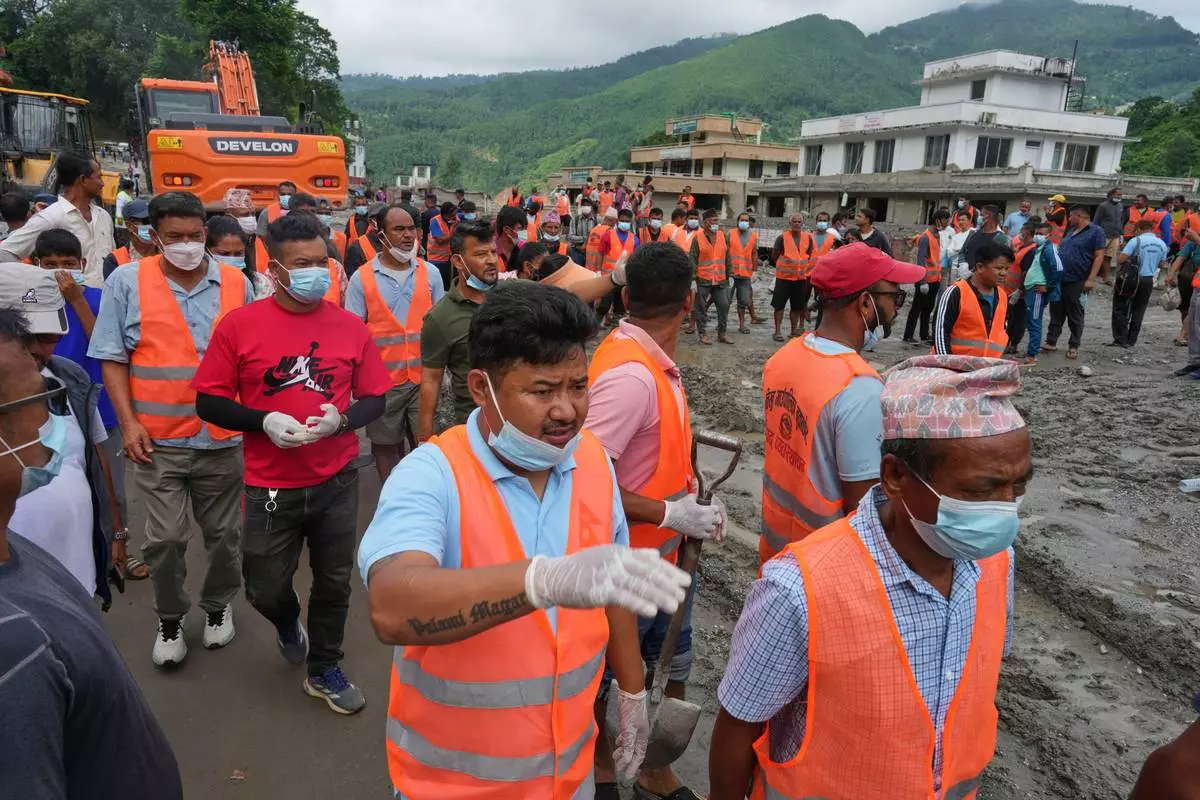
Workers shoveling mud from a flood-ravaged power station in Dhading, Nepal, told The Associated Press that the station is a key node for providing power to over 20,000 people in the region. The workers cleaning the power station said they hope that it is not rebuilt near the river.

Rescue efforts are focused on people trapped in the gigantic tunnels built for controlling the waterflow to produce hydropower.

“The tunnels are built to access hydropower infrastructure and to divert water — an essential step to generate energy. These tunnels are big enough to drive trucks through,” said Jakob Steiner, a geoscientist at the University of Graz in Austria who is currently based in Dhaka, Bangladesh. “There is enough place for people to take refuge safely inside and from what we understand they have managed to get oxygen to some of those stuck inside and are trying to rescue them now. It’s a race for time though as people need food and water."

In the Upper Trishuli-1 Hydropower Project, in the hard-hit Rasuwa district, at least 576 were missing, Dangi said, adding that around 300 of them were believed to be trapped inside the project’s tunnel. Rescuers have been trying to find survivors for days, working through the rain.

On the Chinese side, rescue and recovery efforts included rebuilding the road leading to Gyirong Port at the border between China and Nepal.

Trucks carried giant rocks as workers worked on repaving a portion of the road, state broadcaster CCTV showed Monday, next to rapidly rushing waters, which have been made more powerful by rains in the past couple of days. The road is now under some 2 to 3 meters (6.6 -9.8 feet) of water, hampering rescuers' ability to reach the border. The repaving effort was just a little over a kilometer (.62 miles) from the border, CCTV said.

Although some rescue teams have managed to reach the border, that represented only a portion of the force.

Chinese state media coverage has focused largely on the official response, highlighting the deployment of firefighters, the People's Liberation Army as well as the instructions from top leaders. Little is known about victims on the Chinese side.

Two days after the disaster, Maraval Nagappan traveled to Nepal to search for his son, who was among the missing. He visited rescue centers and morgues and went as far as 40 kilometers (25 miles) from where his son was believed to have been, but found no sign of him.

His son, Sathya Narayan had been leading a group of 49 Indian devotees who were returning from Mount Kailash — a sacred site in southwestern Tibet. The group has been missing since floodwaters swept through a Chinese immigration complex where they were waiting to cross into Nepal.

Nagappan, who owns the Chennai-based travel company that organized their pilgrimage, and said the group had been expected to complete immigration formalities and leave for Nepal within about two hours. Instead of making the crossing, they were caught in the flood, Nagappan said.

The pilgrimage had begun Aug. 14. “I haven’t heard from my son since then. I don’t know whether he is alive or dead,” he told AP, but he said he hadn't given up on hearing from his son.

Surveillance footage showed water surging through the immigration complex at the border as people scrambled to escape. Nagappan said some of those seen fleeing were members of his son’s group and were identified by the clothes they were wearing.

Wednesday’s flash floods started after a glacial collapse high in the Himalayan region. Scientists who studied satellite images said bedrock underneath a glacier high in the Himalayan region had collapsed, taking part of the glacier with it. The rockfall was so extreme that it registered as a magnitude 5.2 seismic event.

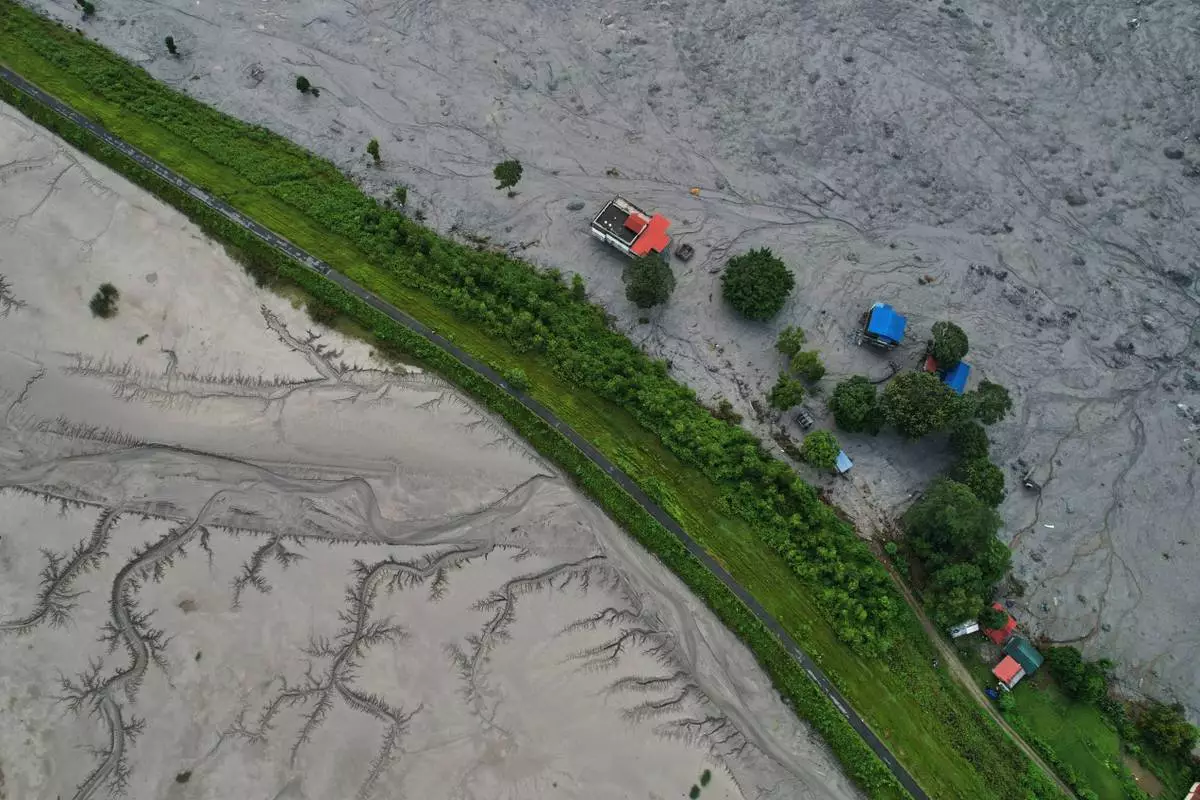
The rocks and melted water then swelled the rivers in the valleys below, causing a torrent of water that swept buildings, bridges and earth downstream in Tibet and Nepal.

Wu reported from Bangkok. AP writers Aijaz Hussain, Sheikh Saaliq in New Delhi, Victoria Milko in Dhading, Nepal, and Sibi Arasu in Bengaluru, India, contributed to this report.

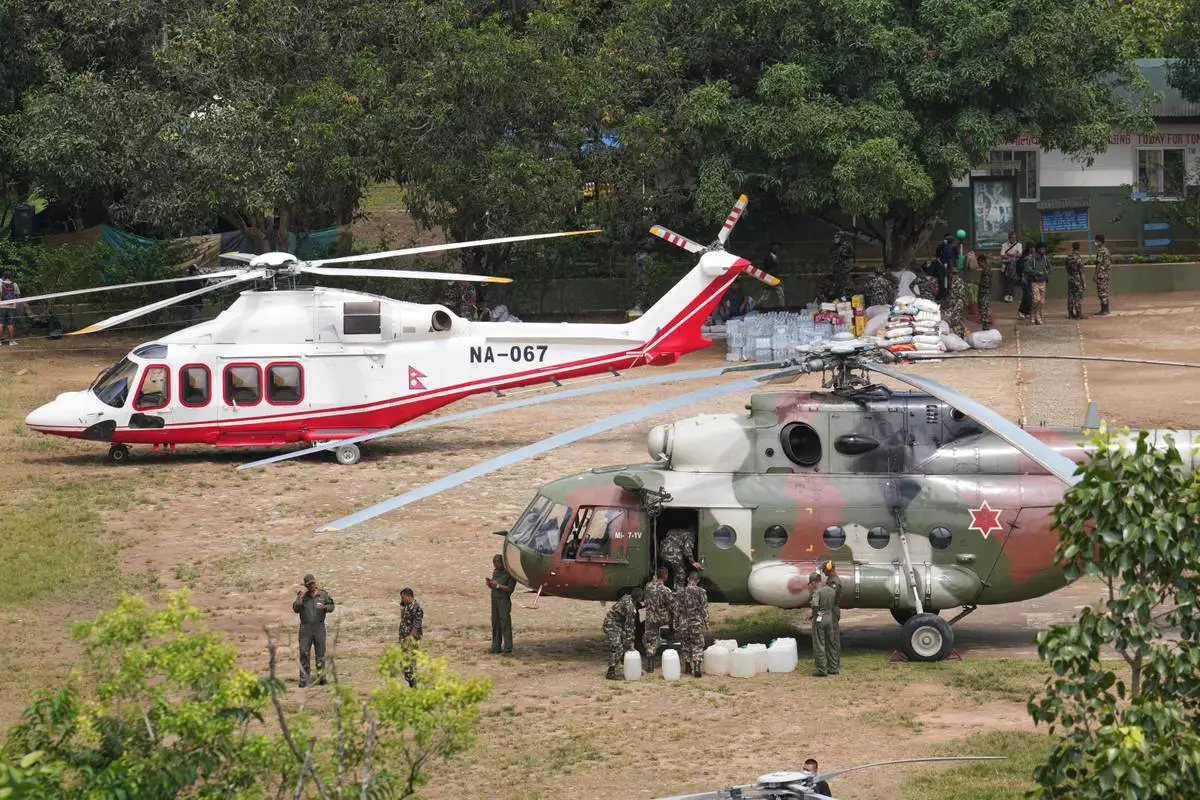
Private and military helicopters are deployed to rescue people stranded in areas cut off by flash flooding in Nepal's Nuwakot district, Monday, Aug. 31, 2026. (AP Photo/Rajesh Kumar Singh)

Private and military helicopters are deployed to rescue people stranded in areas cut off by flash flooding in Nepal's Nuwakot district, Monday, Aug. 31, 2026. (AP Photo/Rajesh Kumar Singh)

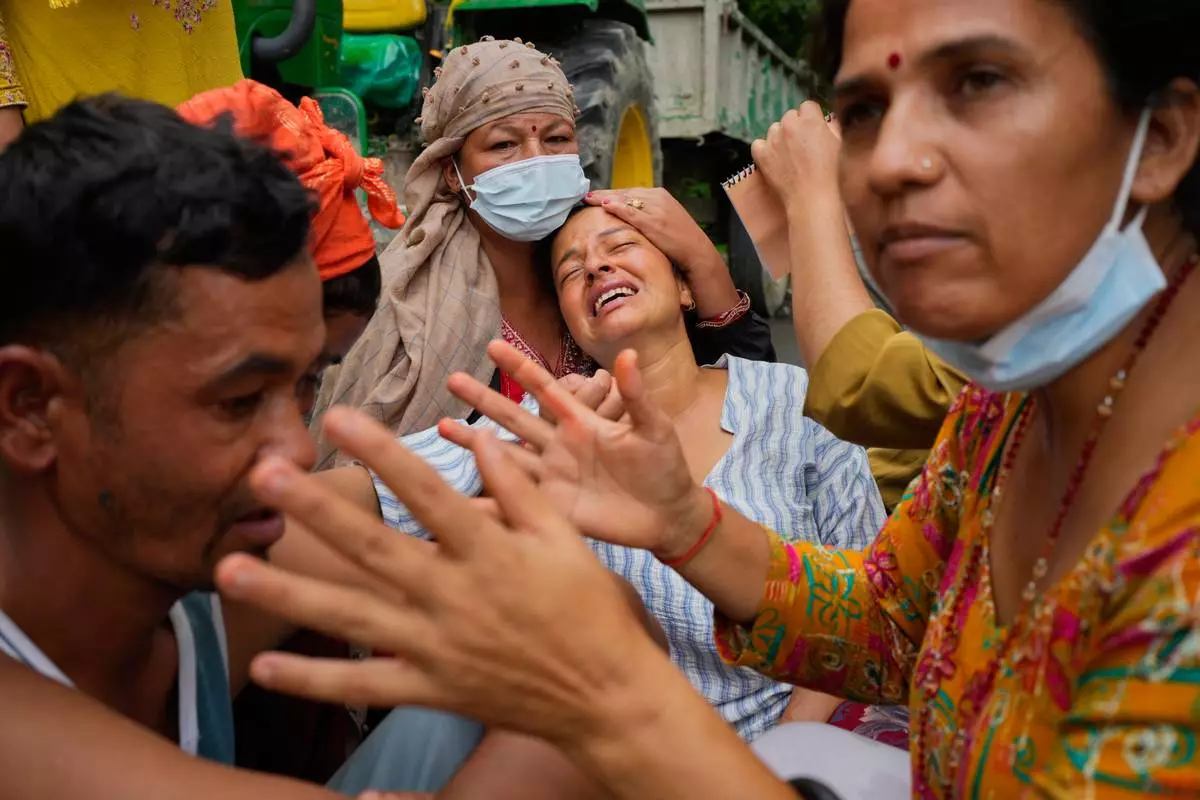
Relatives console Muna Khadka, center, who lost her son Aayush Khada, in flash floods, during mass burials in Chitwan, Nepal, Monday, Aug. 31, 2026. (AP Photo/Dar Yasin)

Relatives console Muna Khadka, center, who lost her son Aayush Khada, in flash floods, during mass burials in Chitwan, Nepal, Monday, Aug. 31, 2026. (AP Photo/Dar Yasin)

Rescuers arrive at a village affected by flash flooding in Nepal's Nuwakot district, Monday, Aug. 31, 2026. (AP Photo/Rajesh Kumar Singh)

Rescuers arrive at a village affected by flash flooding in Nepal's Nuwakot district, Monday, Aug. 31, 2026. (AP Photo/Rajesh Kumar Singh)

A drone view shows a major section of Pasang Lhamu highway washed away along swollen Trishuli river by recent flash floods cutting off Rasuwa district from Nuwakot area, Nepal, Monday, Aug. 31, 2026. (AP Photo/Rajesh Kumar Singh)

A drone view shows a major section of Pasang Lhamu highway washed away along swollen Trishuli river by recent flash floods cutting off Rasuwa district from Nuwakot area, Nepal, Monday, Aug. 31, 2026. (AP Photo/Rajesh Kumar Singh)

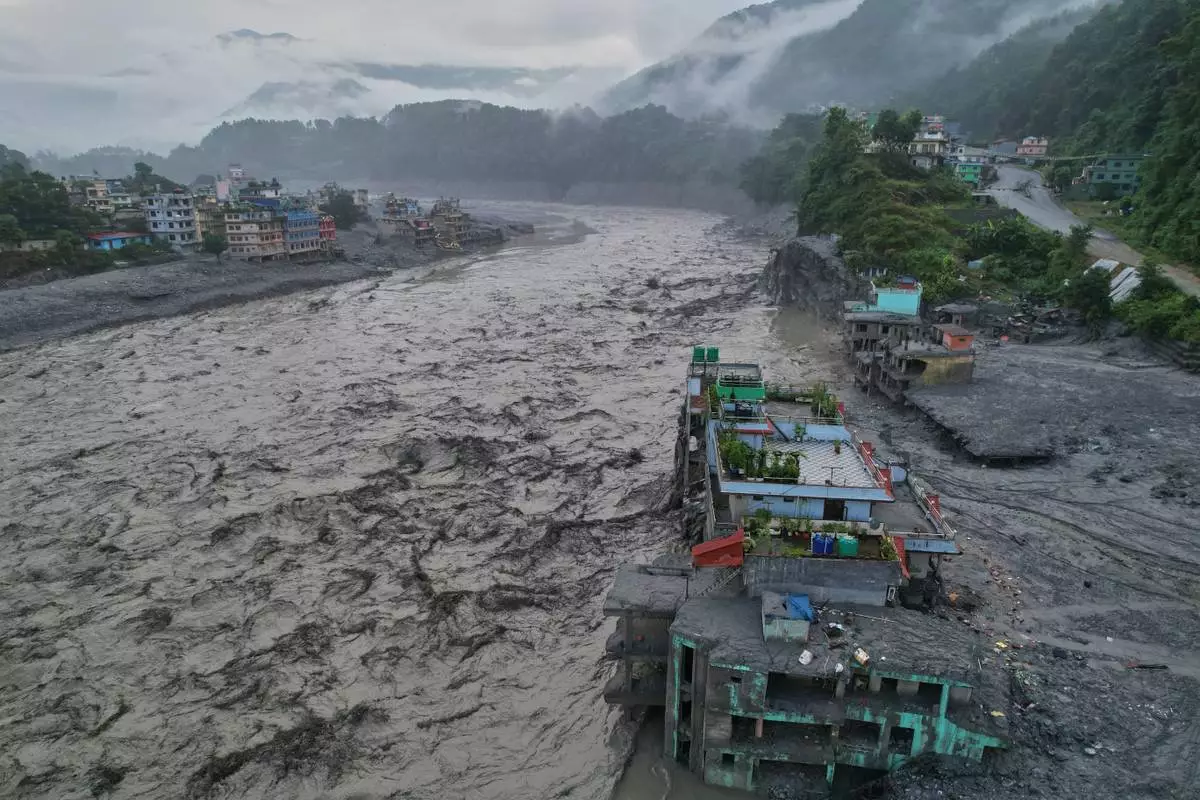
A drone view of the aftermath of flash flooding along the Trishuli river amidst fresh water surge warning in the Trishuli Bazaar area of Nuwakot district, Nepal, Sunday, Aug. 30, 2026. (AP Photo/Rajesh Kumar Singh)

A drone view of the aftermath of flash flooding along the Trishuli river amidst fresh water surge warning in the Trishuli Bazaar area of Nuwakot district, Nepal, Sunday, Aug. 30, 2026. (AP Photo/Rajesh Kumar Singh)

A drone view shows a major section of Pasang Lhamu highway washed away along swollen Trishuli river by recent flash floods cutting off Rasuwa district from Nuwakot area, Nepal, Monday, Aug. 31, 2026. (AP Photo/Rajesh Kumar Singh)

A drone view shows a major section of Pasang Lhamu highway washed away along swollen Trishuli river by recent flash floods cutting off Rasuwa district from Nuwakot area, Nepal, Monday, Aug. 31, 2026. (AP Photo/Rajesh Kumar Singh)

Recommended Articles