SEOUL, South Korea (AP) — The elderly leader of the international Unification Church became the latest high-profile figure in South Korea to face an investigation in connection with criminal probes of former President Yoon Suk Yeol and his wife.
Hak Ja Han is the 82-year-old widow of the church’s South Korean founder, Sun Myung Moon. She and the church have denied allegations they bribed Yoon’s wife, Kim Keon Hee, and a conservative lawmaker in an effort to secure business and political favors.
Click to Gallery
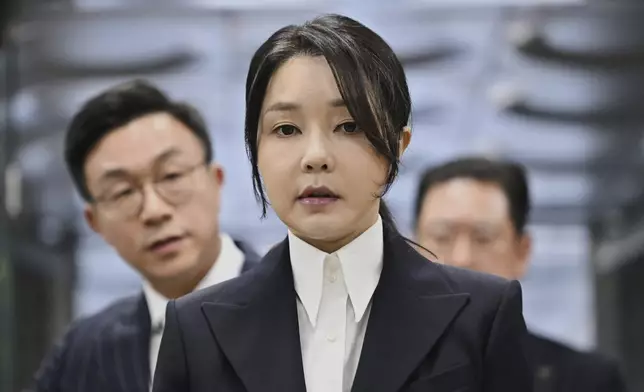
FILE - South Korea's former first lady Kim Keon Hee, wife of impeached former president Yoon Suk Yeol, arrives at a court to attend a hearing to review her arrest warrant requested by special prosecutors, in Seoul, South Korea, on Aug. 12, 2025. (Jung Yeon-je/Pool Photo via AP, File)
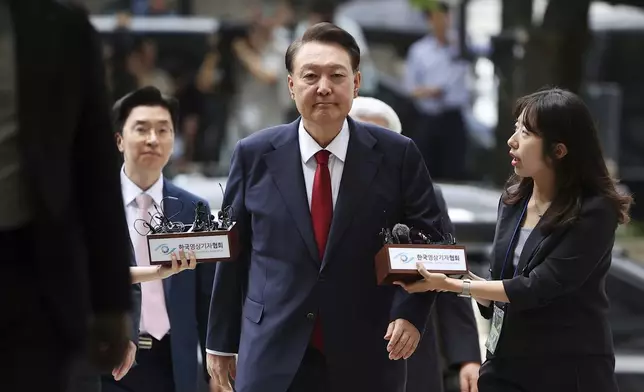
FILE - Former South Korean President Yoon Suk Yeol, center, arrives at a court to attend a hearing to review his arrest warrant requested by special prosecutors in Seoul, South Korea, July 9, 2025. (Kim Hong-Ji/Pool Photo via AP, File)
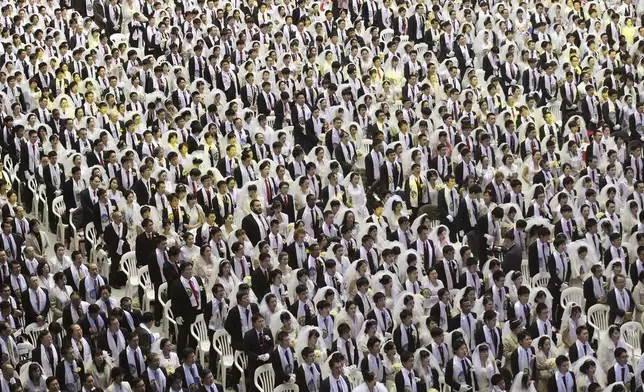
FILE - Couples from around the world participate in a mass wedding ceremony at the Cheong Shim Peace World Center in Gapyeong, South Korea, on March 3, 2015. (AP Photo/Ahn Young-joon, File)
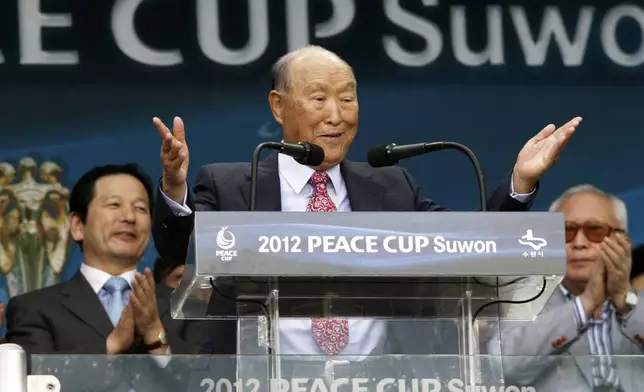
FILE - Rev. Sun Myung Moon, the controversial founder of the Unification Church, speaks during the opening ceremony of the 2012 Peace Cup Suwon at Suwon World Cup Stadium in Suwon, South Korea, on July 19, 2012. (AP Photo/Ahn Young-joon, File)
Investigators led by special prosecutor Min Joong-ki have not specified whether they will seek to arrest Han, who appeared for questioning Wednesday after refusing to comply with three previous summons, citing her recovery from a heart procedure.
Yoon was removed from office in April over a martial law decree he issued Dec. 3 that lasted only hours after the liberal-led legislature voted to lift it.
Here is a look at the church and the political scrutiny it recently has faced in South Korea and Japan.
Moon, who died in 2012 at age 92, founded the church, officially called the Family Federation for World Peace and Unification, in 1954, a year after the end of the Korean War that devastated the peninsula.
A self-proclaimed messiah who preached new interpretations of the Bible and conservative family values, Moon built the Unification Church into an international movement with millions of followers and extensive business interests.
The church is known for staunch anti-communism, although Moon met North Korea’s founder Kim Il Sung in Pyongyang in 1991 to promote engagement between North Korea and South Korea.
The church is widely known for mass weddings held in stadiums or large indoor venues, pairing thousands of couples who often are from different countries.
During the 1970s and 1980s, the church faced accusations of devious recruitment tactics and brainwashing followers to abandon their families and raise money, often by turning over large portions of their salaries. The church has denied the allegations, saying many new religious movements face similar accusations early on.
Moon was convicted of tax evasion in 1982 and served a prison term in New York.
During its international growth, the church developed ties with conservative world leaders, including U.S. Presidents Richard Nixon, Ronald Reagan, George H.W. Bush and Donald Trump.
Investigators sought to question Han in an expanded probe into corruption allegations surrounding Yoon’s wife, Kim.
Kim is suspected of accepting luxury gifts through an intermediary for a Unification Church official. The official reportedly sought business favors, including the church's participation in a Cambodian development project. The official, who has been arrested, is also suspected of providing 100 million won ($72,400) in bribes to conservative lawmaker Kweon Seong-dong, a staunch Yoon loyalist who was arrested early Wednesday.
Han and the church say the church official acted on his own, while Kweon denied receiving church money.
“False claims are being circulated that our church provided illegal political funds under my instructions,” Han said in a statement read by an associate in an Aug. 31 video. “I have never instructed any illegal political requests or financial transactions.”
The investigation into Han comes as the church’s branch in Japan challenges a court order that could pave the way for its dissolution.
The church faced hundreds of lawsuits in Japan from families claiming it manipulated members into draining their savings for the church, but it largely escaped official scrutiny and maintained close ties with the governing Liberal Democratic Party for years.
Tokyo District Court in March ordered the revocation of the church’s legal status after the government accused it of manipulative fundraising and recruitment tactics that instilled fear among followers and harmed their families.
The order followed an investigation into the 2022 assassination of former Prime Minister Shinzo Abe. The man accused of shooting Abe was believed to be motivated by the former prime minister's links to the Unification Church and blamed it for bankrupting his family. The killing prompted investigations into church practices and its connections to powerful politicians.
If it stands, the ruling would end the church’s tax-exempt status in Japan and force the liquidation of its assets. The church has filed an appeal, calling the court order regrettable and unjust.
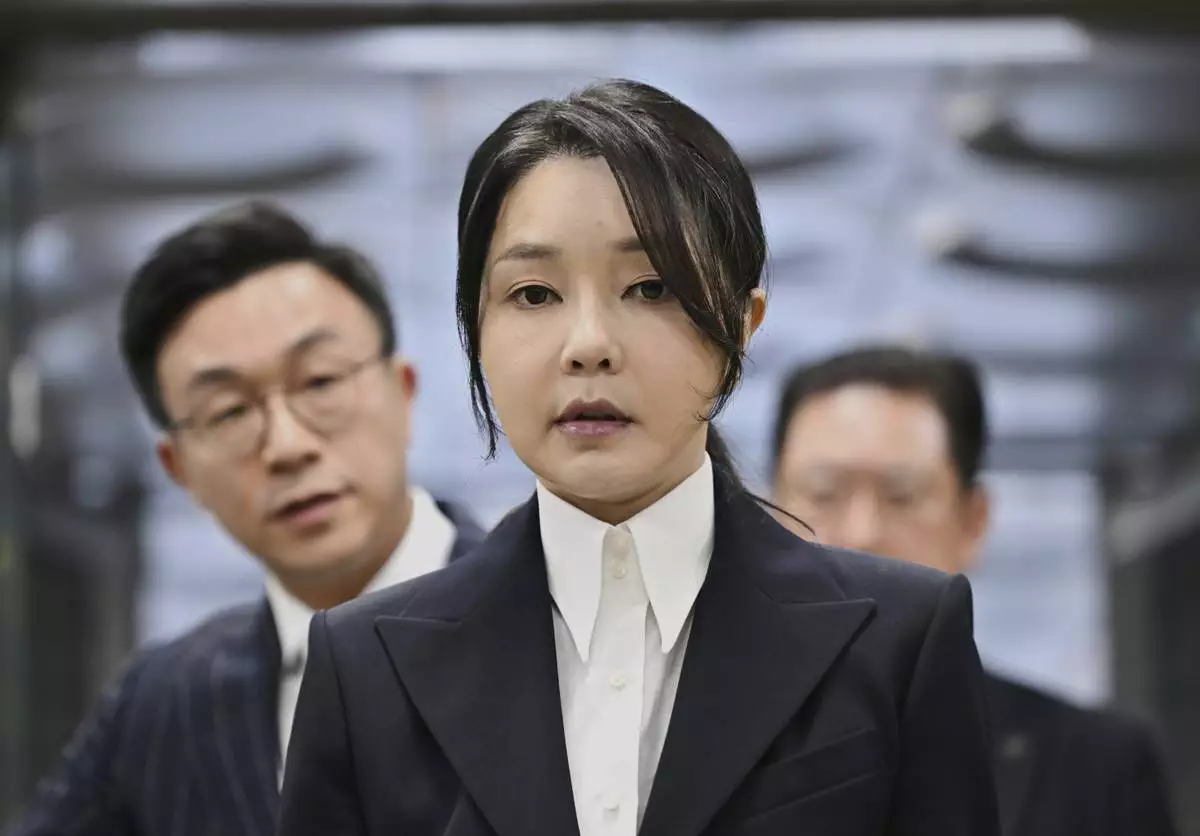
FILE - South Korea's former first lady Kim Keon Hee, wife of impeached former president Yoon Suk Yeol, arrives at a court to attend a hearing to review her arrest warrant requested by special prosecutors, in Seoul, South Korea, on Aug. 12, 2025. (Jung Yeon-je/Pool Photo via AP, File)
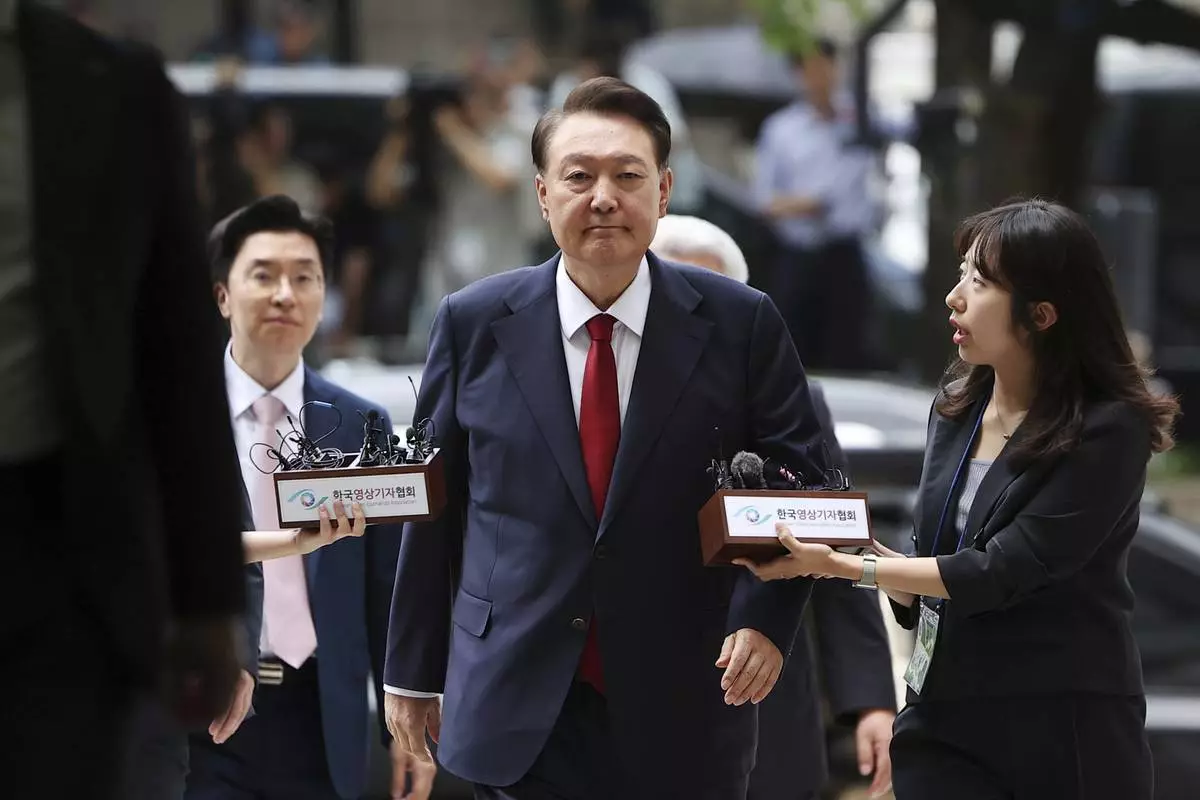
FILE - Former South Korean President Yoon Suk Yeol, center, arrives at a court to attend a hearing to review his arrest warrant requested by special prosecutors in Seoul, South Korea, July 9, 2025. (Kim Hong-Ji/Pool Photo via AP, File)
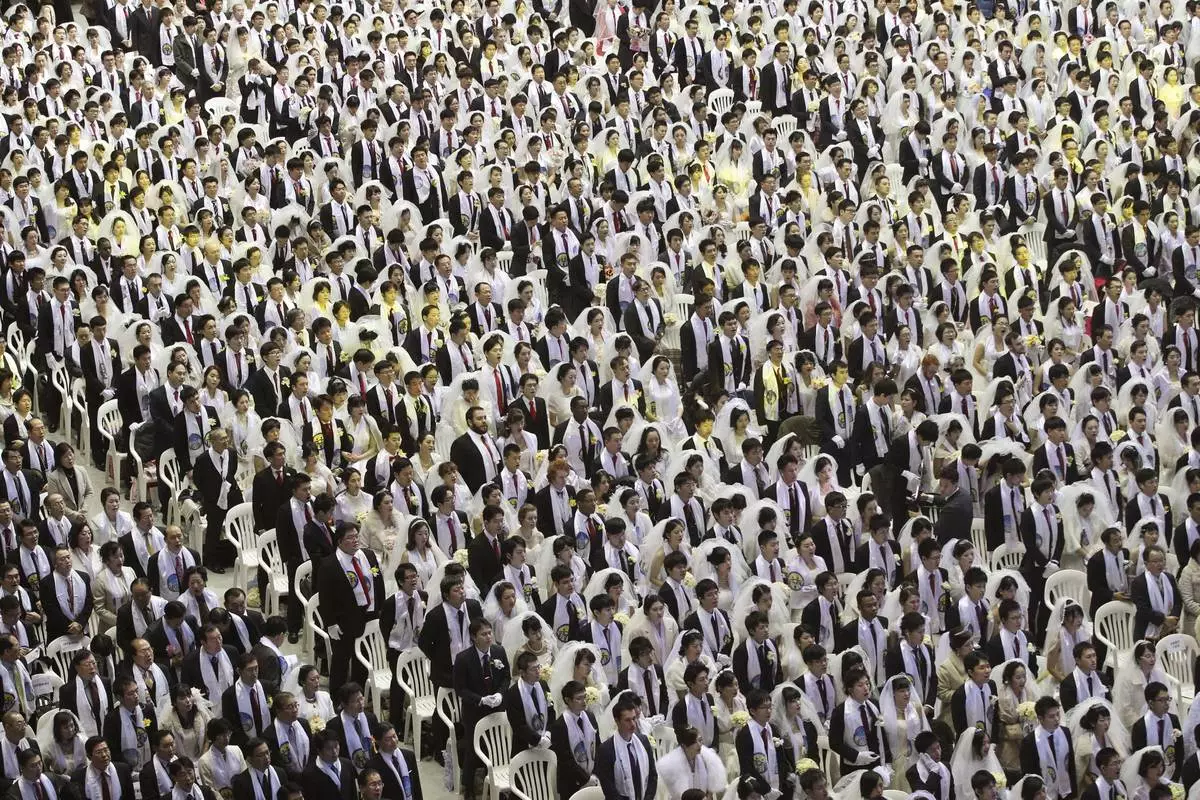
FILE - Couples from around the world participate in a mass wedding ceremony at the Cheong Shim Peace World Center in Gapyeong, South Korea, on March 3, 2015. (AP Photo/Ahn Young-joon, File)
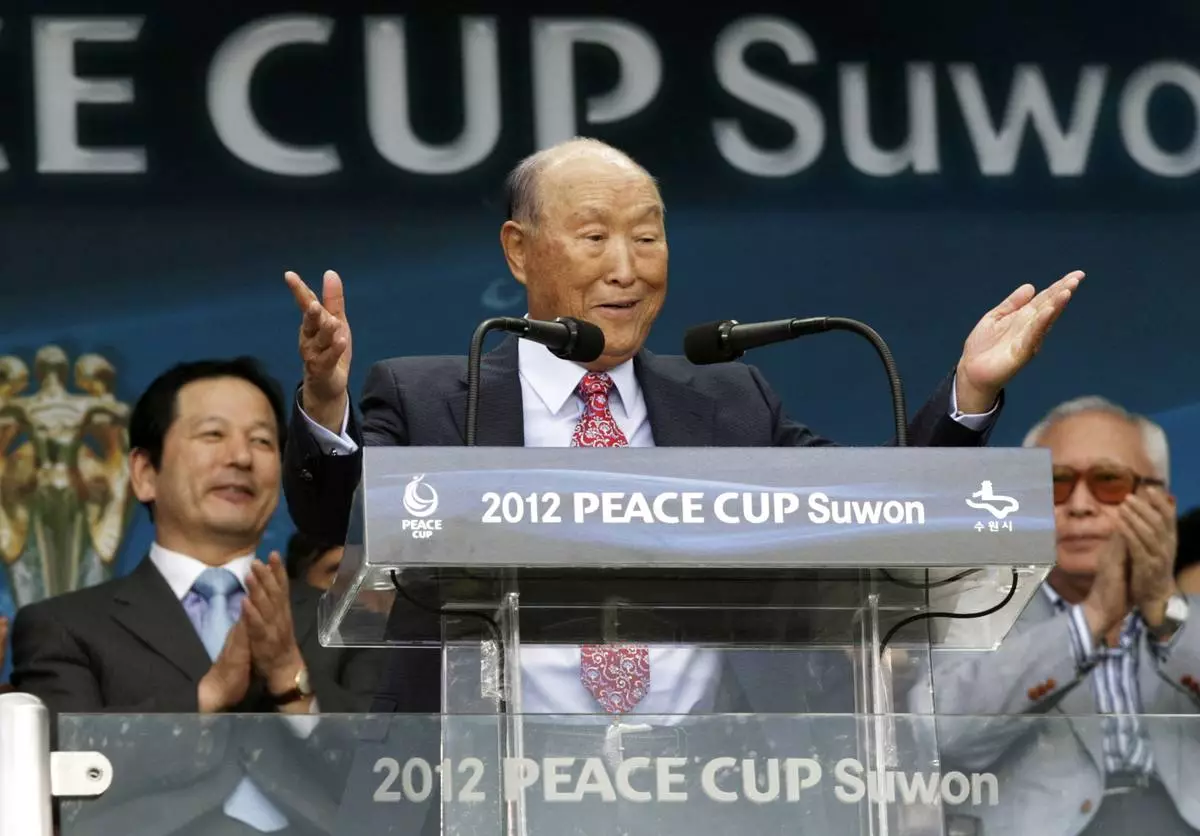
FILE - Rev. Sun Myung Moon, the controversial founder of the Unification Church, speaks during the opening ceremony of the 2012 Peace Cup Suwon at Suwon World Cup Stadium in Suwon, South Korea, on July 19, 2012. (AP Photo/Ahn Young-joon, File)