SEATTLE (AP) — A major agreement to protect marine diversity in the high seas was struck Friday when Morocco became the 60th nation to sign on, paving the way for the treaty to take effect next year.
The High Seas Treaty is the first legal framework aimed at protecting biodiversity in international waters, those that lie beyond the jurisdiction of any single country. International waters account for nearly two-thirds of the ocean and nearly half of Earth’s surface and are vulnerable to threats including overfishing, climate change and deep-sea mining.
Click to Gallery
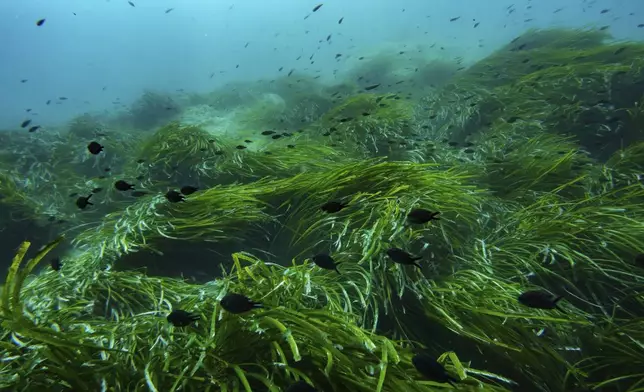
FILE - Fish swim in the protected area of France's Port-Cros National Park ahead of the U.N. Ocean Conference, June 7, 2025, (AP Photo/Annika Hammerschlag, File)
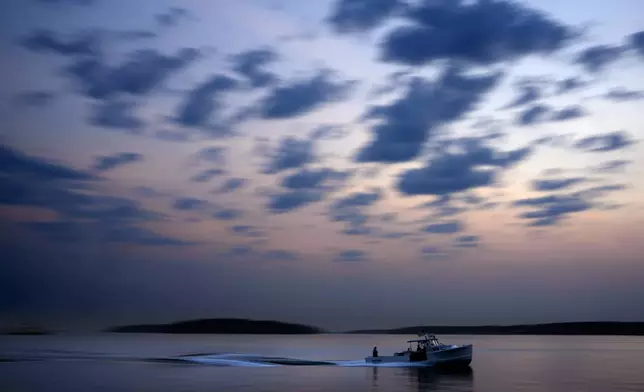
FILE - A lobster fishing boat motors out to sea under the dawn sky Aug. 14, 2024, on Casco Bay in South Portland, Maine. (AP Photo/Robert F. Bukaty, File)
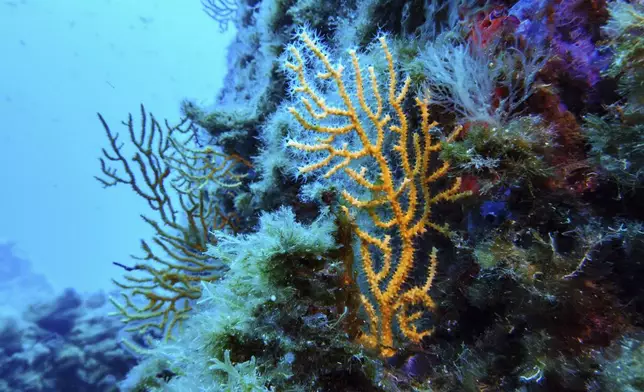
FILE - Coral is visible in the protected area of France's Porquerolles National Park ahead of the U.N. Ocean Conference on June 6, 2025. (AP Photo/Annika Hammerschlag, File)
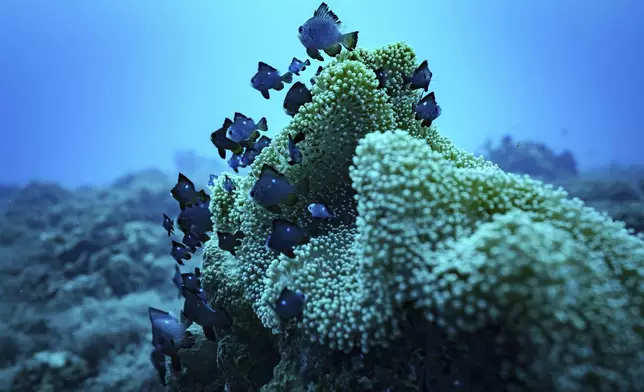
FILE - Fish swim at Havannah Harbour, off the coast of Efate Island, Vanuatu, July 20, 2025. (AP Photo/Annika Hammerschlag, File)
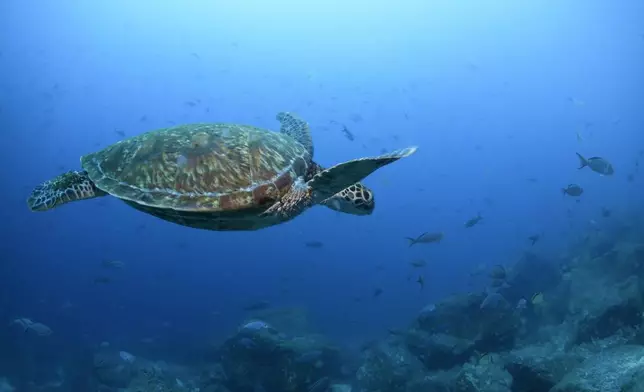
FILE - A type of Pacific green sea turtle swims through the water off of Wolf Island, Ecuador in the Galapagos on June 10, 2024. (AP Photo/Alie Skowronski, File)
“The high seas are the world’s largest crime scene — they’re unmanaged, unenforced, and a regulatory legal structure is absolutely necessary,” said Johan Bergenas, senior vice president of oceans at the World Wildlife Fund.
Still, the pact’s strength is uncertain as some of the world’s biggest players — the U.S., China, Russia and Japan — have yet to ratify. The U.S. and China have signed, signaling intent to align with the treaty’s objectives without creating legal obligations, while Japan and Russia have been active in preparatory talks.
Ratification triggers a 120-day countdown for the treaty to take effect. But much more work remains to flesh out how it will be implemented, financed and enforced.
“You need bigger boats, more fuel, more training and a different regulatory system,” Bergenas said. “The treaty is foundational — now begins the hard work.”
The high seas are home to an array of marine life and are crucial in regulating Earth’s climate — they absorb heat and carbon dioxide and generate half the oxygen we breathe. The treaty is also essential to achieving what’s known as the “30x30” target — an international pledge to protect 30% of the planet’s land and sea by 2030.
The treaty creates a legal process for countries to establish marine protected areas in those waters, including rules for potentially destructive activities like deep-sea mining and geoengineering schemes. It also establishes a framework for technology-sharing, funding mechanisms and scientific collaboration among countries.
Crucially, decisions under the treaty will be made multilaterally through what are known as conferences of parties, rather than by individual countries acting alone.
Within one year of the treaty taking effect, countries will meet to make decisions about implementation, financing and oversight, and only countries that ratify before then will have voting rights.
Some experts warn the treaty’s impact could be blunted if the most powerful players on the high seas remain outside it.
“If major fishing nations like China, Russia and Japan don’t join, they could undermine the protected areas,” said Guillermo Crespo, a high seas expert with the International Union for Conservation of Nature commission. “It will be interesting to see how the implementation of the treaty will work without those who have historically made the most use of high seas resources.”
The treaty does not create a punitive enforcement body of its own. Instead, it largely relies on individual countries to regulate their own ships and companies. If a ship flying a German flag violates the rules, for example, it’s Germany’s responsibility to act, said Torsten Thiele, founder of the Global Ocean Trust and an adviser on ocean governance and blue finance. That makes universal ratification essential, he said: “If somebody hasn’t signed up, they’ll argue they’re not bound.”
Enric Sala, founder of National Geographic Pristine Seas marine reserve project, warned that some nations may now point to the treaty as a reason to delay or avoid conservation efforts within their own waters.
“There are countries that are using the process to justify inaction at home,” he said.
Lisa Speer, director of the Natural Resources Defense Council’s international oceans program, said failing to protect the high seas could mean damage for any individual nation’s waters.
“Marine life doesn’t respect political boundaries. So fish migrate across the ocean,” Speer said. “Same with turtles, with seabirds, and a whole host of other marine life. And so what happens in the high sea can really affect the health and resilience of the ocean within national jurisdiction, within our coastal waters.”
Ocean exploration pioneer Sylvia Earle welcomed the ratification, but urged leaders not to see it as a finish line.
“This is a way station — not the end point,” she said. “If we continue to take from the ocean at the scale we presently are, and use the ocean as a dump site as we presently are, yes we’re putting the fish and the whales and the krill in Antarctica and the high seas at risk, but mostly, we are putting ourselves at risk.”
For small island nations like Vanuatu, the treaty marks a major step toward inclusion in decisions that have long been beyond their reach.
“Everything that affects the ocean affects us,” said Ralph Regenvanu, Vanuatu’s minister for climate change.
Follow Annika Hammerschlag on Instagram @ahammergram
The Associated Press receives support from the Walton Family Foundation for coverage of water and environmental policy. The AP is solely responsible for all content. For all of AP’s environmental coverage, visit https://apnews.com/hub/climate-and-environment
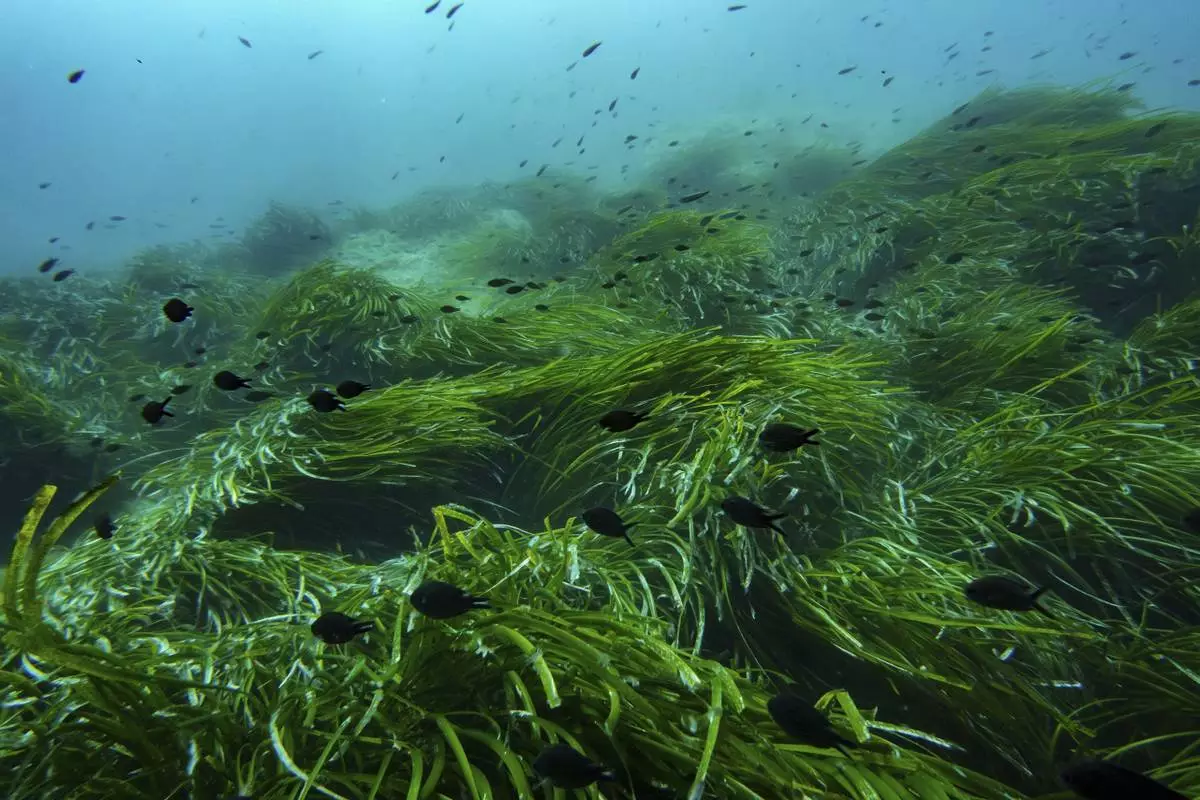
FILE - Fish swim in the protected area of France's Port-Cros National Park ahead of the U.N. Ocean Conference, June 7, 2025, (AP Photo/Annika Hammerschlag, File)
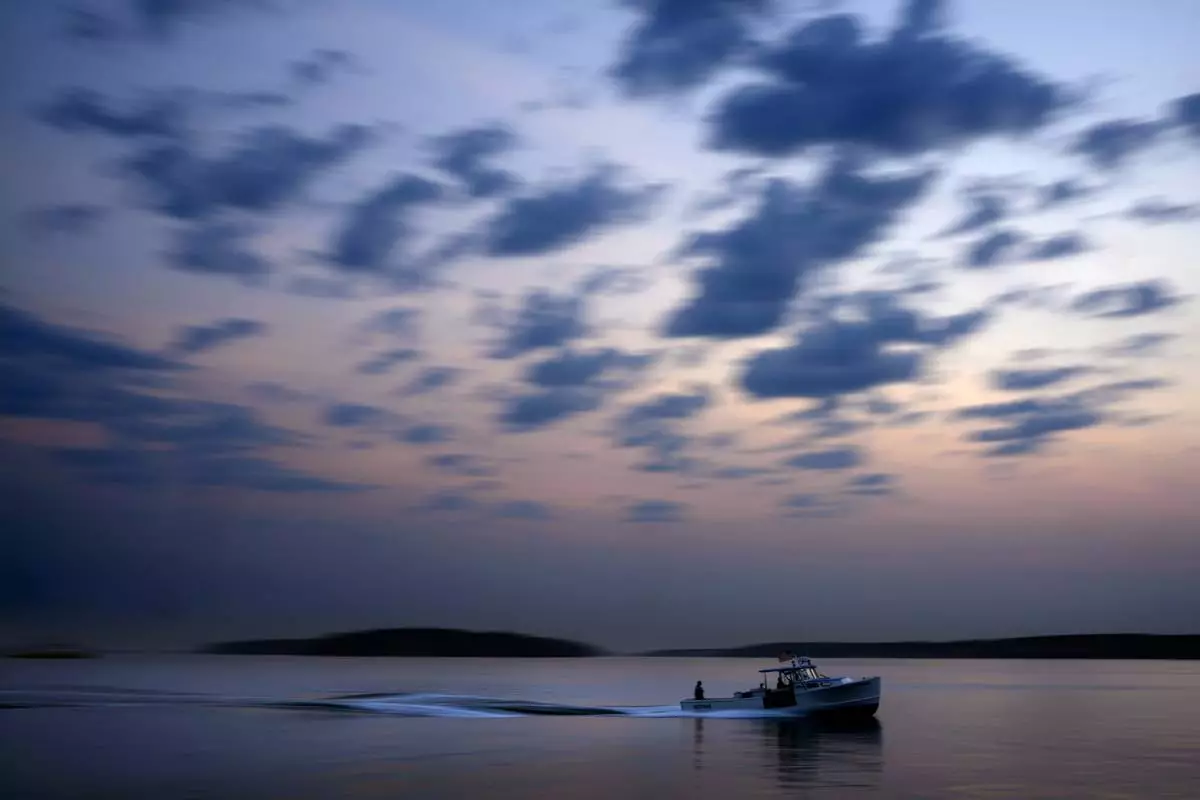
FILE - A lobster fishing boat motors out to sea under the dawn sky Aug. 14, 2024, on Casco Bay in South Portland, Maine. (AP Photo/Robert F. Bukaty, File)
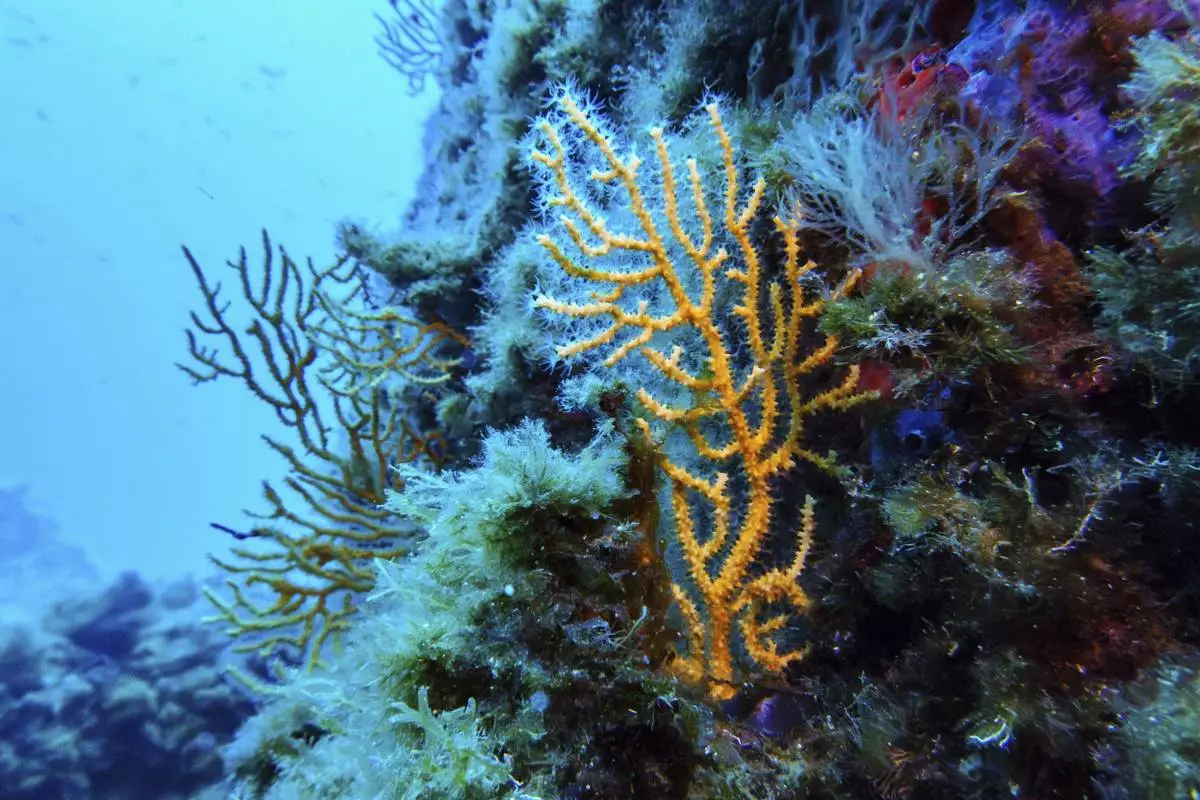
FILE - Coral is visible in the protected area of France's Porquerolles National Park ahead of the U.N. Ocean Conference on June 6, 2025. (AP Photo/Annika Hammerschlag, File)

FILE - Fish swim at Havannah Harbour, off the coast of Efate Island, Vanuatu, July 20, 2025. (AP Photo/Annika Hammerschlag, File)
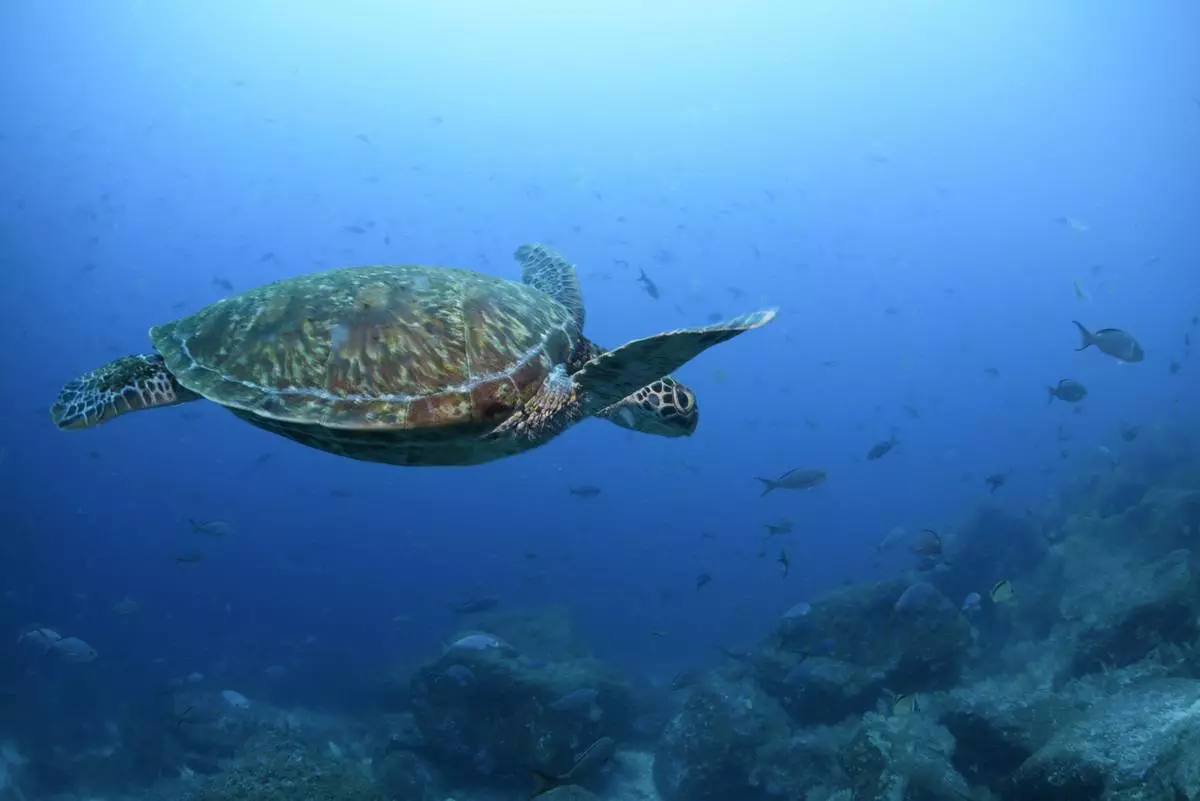
FILE - A type of Pacific green sea turtle swims through the water off of Wolf Island, Ecuador in the Galapagos on June 10, 2024. (AP Photo/Alie Skowronski, File)