Skip to Content Facebook Feature Image

No New Chikungunya Cases in Hong Kong; 23 Confirmed This Year, All Imported

HK

No New Chikungunya Cases in Hong Kong; 23 Confirmed This Year, All Imported
HK

HK

No New Chikungunya Cases in Hong Kong; 23 Confirmed This Year, All Imported

2025-09-27 17:30 Last Updated At:17:38

Update on chikungunya fever

The Centre for Health Protection (CHP) of the Department of Health announced that as of 5pm today (September 27), no new cases of chikungunya fever (CF) had been recorded.

Latest surveillance data

So far this year, Hong Kong has recorded a total of 23 confirmed CF cases. All are imported cases. From 2016 to 2019, Hong Kong recorded between one and 11 imported cases annually.

Since the beginning of 2025, and as of August, approximately 317 000 CF cases and 135 CF-related deaths have been reported in 16 countries/territories. Cases have been reported in the Americas, Africa, Asia, and Europe. CF outbreaks currently occur in many countries worldwide. Members of the public should check the situation of the destinations before travelling abroad.

Continuously strengthening prevention and control

The Food and Environmental Hygiene Department (FEHD) continues to conduct vector investigations and targeted mosquito control operations, and intensify mosquito prevention and control measures at the residences of recently confirmed patients, as well as at locations visited after the onset of symptoms. These measures include:
  • carrying out intensive fogging in scrubby areas within a 250-metre radius of the relevant locations to kill adult mosquitoes;
  • carrying out inspections of the locations, removing stagnant water, applying insecticides and disposing of abandoned water containers every week with a view to preventing mosquito breeding; and
  • enhancing public education efforts through organising health talks, setting up mobile education stations, and distributing publicity leaflets.
  • The CHP urged schools to follow the FEHD's anti-mosquito guidelines to strengthen efforts to clear stagnant water on school premises and eliminate mosquito breeding sites. It is also imperative to remind staff members and students to consistently implement mosquito prevention and personal protective measures to guard against the spread of mosquito-borne diseases within school premises.

    Additionally, the CHP's Port Health Division continues to step up inspections at boundary control points and to remind cross-boundary public transport operators and other relevant parties to ensure good environmental hygiene and effective implementation of anti-mosquito measures. Furthermore, staff members of the Port Health Division distribute leaflets to travellers, conduct temperature screenings for inbound travellers, conduct health assessments for travellers with fever or related symptoms and refer them to hospitals for follow-ups when necessary.

    Proper use of DEET-containing insect repellents or other effective active ingredients can prevent mosquito bites, but the following precautions should be taken when using them:

  • read the label instructions carefully first;
  • apply right before entering an area with a risk of mosquito bites;
  • apply on exposed skin and clothing;
  • use DEET of up to 30 per cent for pregnant women and up to 10 per cent for children (For children who travel to countries or areas where mosquito-borne diseases are endemic or epidemic and where exposure is likely, those aged 2 months or above can use DEET-containing insect repellents with a DEET concentration of up to 30 per cent);
  • apply sunscreen first, then insect repellent;
  • reapply only when needed and follow the instructions; and
  • in addition to DEET, there are other insect repellents available on the market containing different active ingredients, such as IR3535 and picaridin. When using any insect repellent, the public should follow the usage instructions and precautions on the product label.
  • The FEHD also appeals to members of the public to continue to stay alert and work together to carry out mosquito prevention and control measures early, including inspecting their homes and surroundings to remove potential breeding grounds, changing water in vases and scrubbing their inner surfaces, removing water in saucers under potted plants at least once a week, and properly disposing of containers such as soft drink cans and lunch boxes. The FEHD also advises members of the public and estate management bodies to keep drains free of blockage and level all defective ground surfaces to prevent the accumulation of water. They should also scrub all drains and surface sewers with an alkaline detergent at least once a week to remove any mosquito eggs.

    The public should call 1823 in case of mosquito problems, and may visit the following pages for more information: the CF page of theCHPand theTravel Health Service, the latestTravel Health News,tips for using insect repellents, and the CHPFacebook Page,Instagram AccountandYouTube Channel, and also theMosquito Prevention and Control dedicated pageof the FEHD.

    Source: AI-found images
    Source: AI-found images

    Appointments to Quality Education Fund Steering Committee announced

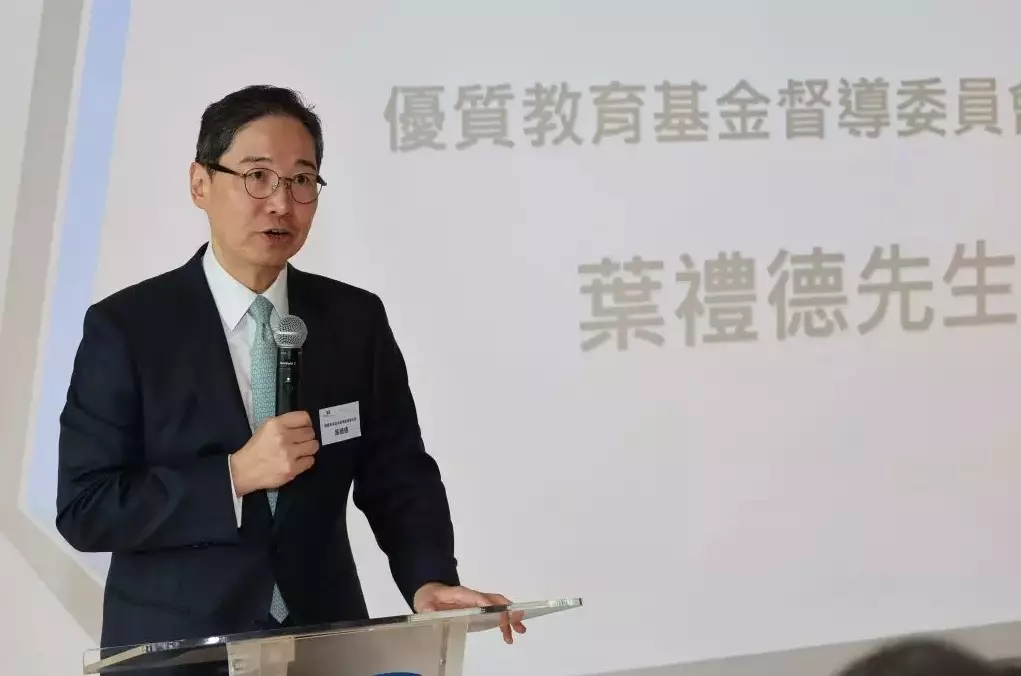
    The Government today (January 15) announced the reappointment of Mr Dieter Yih Lai-tak as the Chairman of the Quality Education Fund Steering Committee (QEFSC) and four incumbent members, as well as the appointment of one new member, to the committee. The tenure of their appointments is two years with effect from January 16, 2026.

    The four incumbent members reappointed are Dr Susan Fan Yun-sun, Ms Lee Yi-ying, Dr James Li Tsz-shu and Ms Wong Yuk-hing. The newly appointed member is Ms Lam Wing-sze.

    The Secretary for Education, Dr Choi Yuk-lin, said, "Under Mr Yih's outstanding leadership over the past two years, the Quality Education Fund (QEF) continued to support a wide range of worthwhile projects for promoting quality school education development in Hong Kong. I am confident that under Mr Yih's leadership, and with members' professional support, the QEF will continue to achieve outstanding results in the promotion of quality education in Hong Kong."

    Dr Choi also expressed her gratitude to the outgoing member, Dr Shek Wai-keung, for his valuable contribution to and support for the QEFSC in the past years.

    The QEF was established in 1998 with $5 billion in capital from the Government to fund innovative projects that help promote quality education in Hong Kong. The QEFSC advises on the policies and operation of the QEF and makes recommendations to the QEF Trustee on the funding applications.

    Since its establishment, the QEF has supported over 14 600 projects, with total funding amounting to about $7.2 billion.

    The membership list of the QEFSC with effect from January 16, 2026, is as follows:

    Chairman

    -------------

    Mr Dieter Yih Lai-tak

    Appointed members

    ---------------------------

    Ms Rita Chan Yin-nei

    Dr Susan Fan Yun-sun

    Dr Daphne Ho Kin-yi

    Ms Eva Charisa Hsu

    Ms Lam Wing-sze #

    Ms Lee Yi-ying

    Dr Promail Leung Kin-yi

    Mr David Leung Yiu-fai

    Dr James Li Tsz-shu

    Mr Benjamin Ng Yau-keung

    Dr Winnie Tang Shuk-ming

    Mr Richard Tsang Lap-ki

    Mr Simon Wong Hin-wing

    Mr Wong Kam-po

    Mr Addy Wong Wai-hung

    Ms Wong Yuk-hing

    Ex-officio member

    -------------------------

    Deputy Secretary for Education (5)

    # New appointee

    Mr Dieter Yih Lai-tak, Photo source: reference image

    Mr Dieter Yih Lai-tak, Photo source: reference image

    Recommended Articles