Chinese online literature currently attracts around 200 million active overseas readers from over 200 countries and regions, according to the China Online Literature International Communication Report 2025.
Major overseas reader groups are in East Asia, Southeast Asia and North America, said the report, released by the China Writers Association on Friday.
Specifically, Asia holds 80 percent of the global readership and more than half of the market share, while North America represents about 30 percent. Europe and Latin America are quickly emerging as important new growth regions.
The report also highlights the diverse reading preferences that shape regional markets. In Southeast Asia, female readers dominate, favoring stories with powerful female protagonists. By contrast, readers in Japan and the Republic of Korea, whose cultures share similarities with China, tend to prefer historical fiction, immortality-themed narratives, and epic fantasy adventures.
In Europe and North America, stories tailored for male audiences, including urban tales, detective fiction, and adventure stories, are the most popular. A particularly distinct trend has emerged in North America, where readers show increasing interest in a genre centered on Taoist-inspired cultivation and the pursuit of immortality, which they find culturally unique and deeply philosophical.
The overseas market for Chinese web fiction generated 4.815 billion yuan (670 million U.S. dollars) in revenue last year, according to the report.
Data from 50 leading domestic platforms indicated that over 33 million literary works had been published online as of the end of 2024, reflecting a seven percent year-on-year increase in content production.
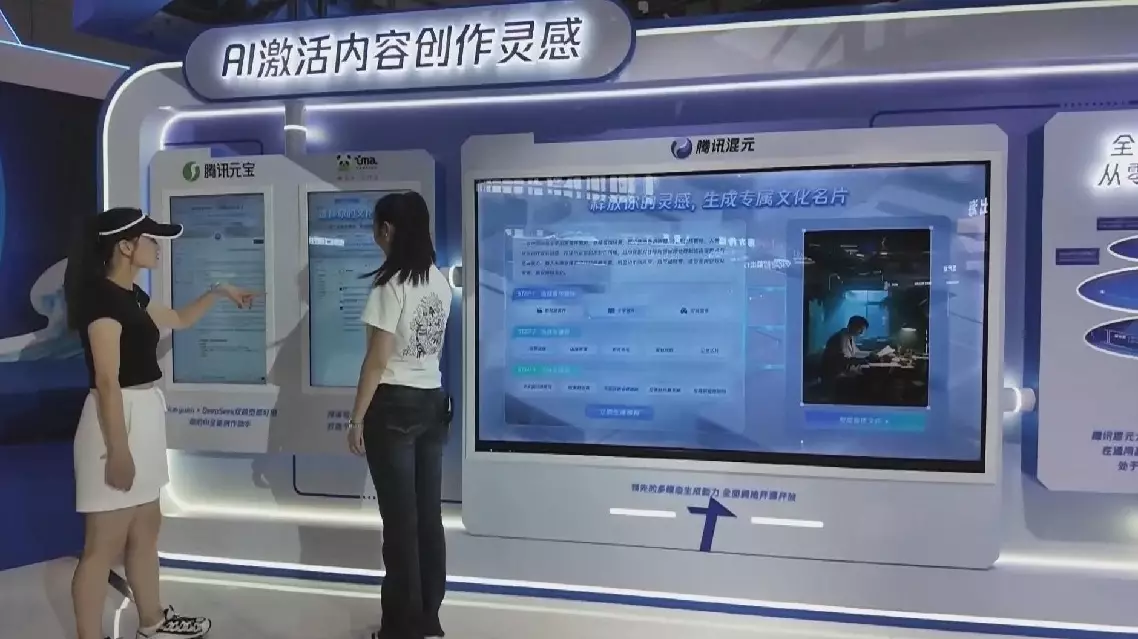
Technology is playing a pivotal role in this growth. The latest report notes that artificial intelligence (AI) has significantly enhanced the translation and global dissemination of online literature. On most platforms, over half of translated content is now produced by using AI, which has reduced translation costs by more than 90 percent, allowing for the near real-time release of new chapters, and enabling international readers to follow along as stories unfold in China.
A new trend also gaining momentum is the rise of micro dramas, short-form video adaptations of online novels. These productions boast short turnaround times, high distribution efficiency, and strong cross-cultural appeal, making them a powerful tool for introducing Chinese stories to global audiences. The format has quickly evolved into one of the most effective ways of adapting and exporting online literature intellectual property (IP).
The report further reveals a shift toward international collaboration in content development. So far, nearly 60 Chinese online literary works have been licensed for film or television production overseas, signaling a phase of diversified formats with growing global integration.
Chinese online literature draws about 200 mln active overseas readers: report