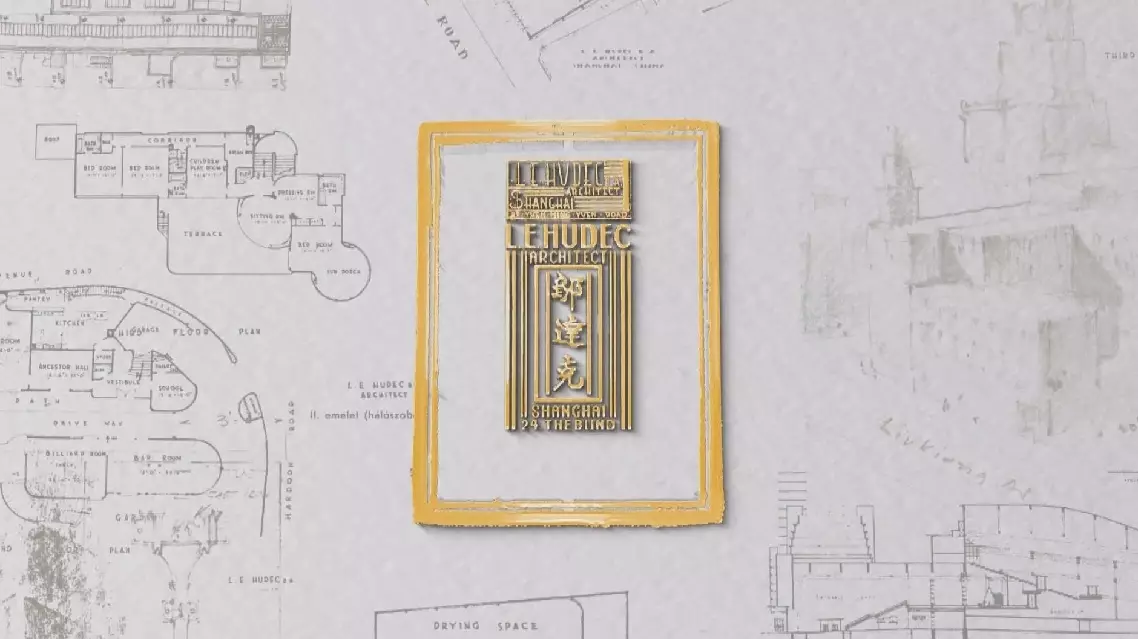
A Chinese documentary about Hungarian architect Ladislav Hudec, who transformed Shanghai's skyline a century ago, has aired during prime time in Hungary and Slovakia.
Although born in present-day Slovakia, Hudec is widely regarded as a Hungarian architect because he was born in what was then the Kingdom of Hungary, studied in Budapest, and later held Hungarian citizenship -- a reflection of the complex cultural landscape of Central Europe at the time.
The documentary "L.E. HUDEC", produced by the China Central Newsreel and Documentary Film Studio (Group) under China Media Group (CMG), follows Hudec's life, from his early years in the Slovak town of Banska Bystrica to his transformative architectural work in Shanghai, reflecting the theme that civilization thrives through exchange and mutual learning.
The architect fled the turmoil of World War I and found refuge in China. Settling in Shanghai in 1918, he helped shape the skyline of what would become the country's largest metropolis.
He went on to design nearly 70 buildings in Shanghai -- 27 of which are now recognized as outstanding historical landmarks. Among his iconic works are the Park Hotel, once the tallest building in Asia; the Grand Theater; the Moore Memorial Church; and the wedge-shaped Wukang Building, formerly known as the Normandie Apartments.
The documentary is being broadcast on Hungary's national cultural channel operated by the Media Service Support and Asset Management Fund (MTVA) from September 9 to October 4, and will also air on the second channel of Slovak Television from September 28 to October 26.
Chinese documentary on Hudec, architect who shaped Shanghai, airs in Hungary, Slovakia
U.S. President Donald Trump on Wednesday threatened to intensify airstrikes against Iran if a peace deal is not reached, while Tehran vowed it would not let Washington exit the crisis without paying a price.
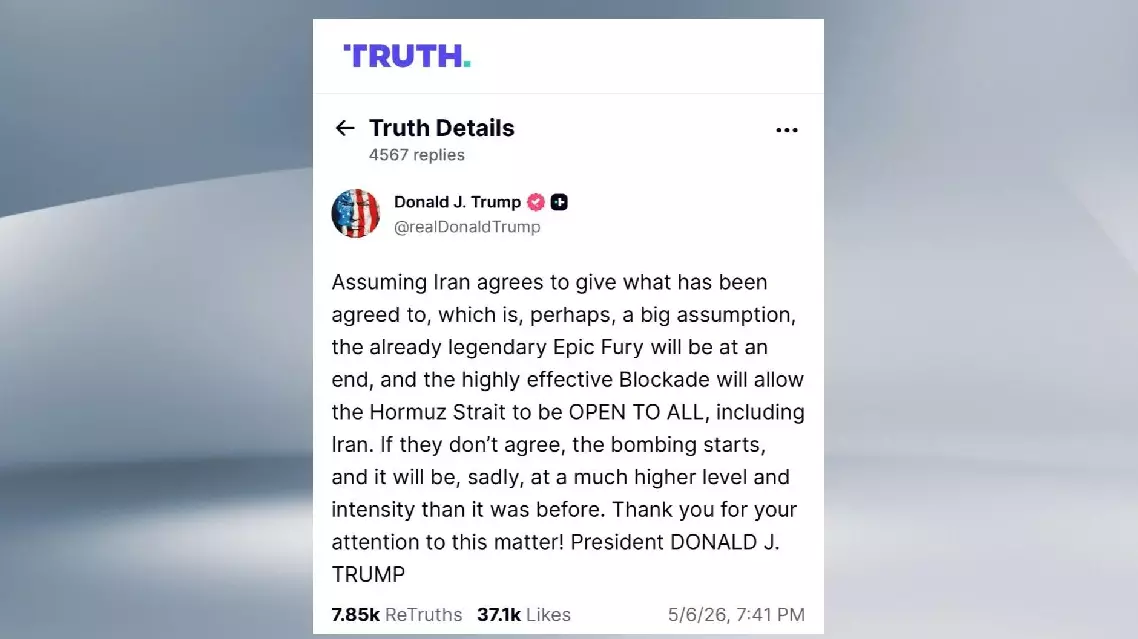
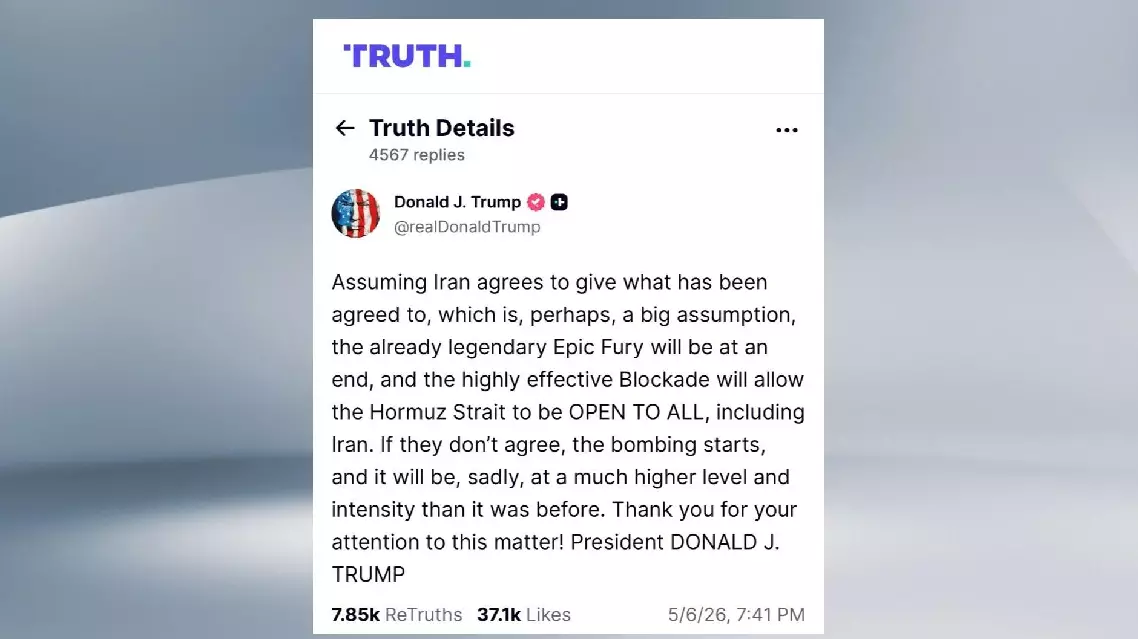
"Assuming Iran agrees to give what has been agreed to, which is, perhaps, a big assumption, the already legendary Epic Fury will be at an end, and the highly effective Blockade will allow the Hormuz Strait to be OPEN TO ALL, including Iran," Trump wrote in a post on Truth Social.
"If they don't agree, the bombing starts, and it will be, sadly, at a much higher level and intensity than it was before," he added.
On the same day, Mohsen Rezaei, a senior military advisor to Iran's Supreme Leader, said in an interview that Iran would not allow the United States to extricate itself from the crisis without paying a price.
Rezaei dismissed the U.S. proposal to reopen the Strait of Hormuz as a "show" designed to facilitate a withdrawal from the region, asserting that Iran would not allow it.
He emphasized that the United States must compensate Iran for incurred losses, adding that Tehran "will certainly obtain its rights and compensation."
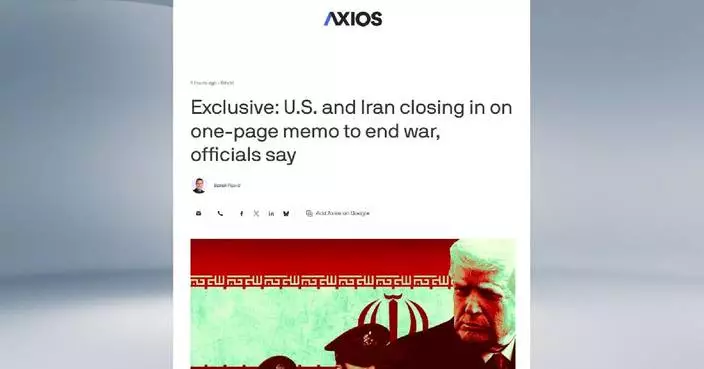
The United States and Iran are close to agreeing a one-page memo to end their war, U.S. online media outlet Axios reported on Wednesday.
A potential deal would involve Iran committing to a moratorium on nuclear enrichment and the United States agreeing to lift sanctions, with both sides lifting restrictions on transit through the Strait of Hormuz, it said.
The New York Post reported on Wednesday that Trump said it is "too soon" to start thinking about face-to-face peace talks between the United States and Iran, despite optimistic reports that the two nations were closing in on a potential framework to end their war.
The United States and Israel began attacks on Tehran and other Iranian cities on Feb 28, killing senior Iranian officials and civilians, including then-Supreme Leader Ali Khamenei. Iran responded with missile and drone attacks against Israel and U.S. interests in the region and tightened control over the Strait of Hormuz.
A ceasefire took effect on April 8. Talks between the Iranian and U.S. delegations in Islamabad on April 11-12 ended without an agreement. After negotiations collapsed, the U.S. imposed a blockade of the strait.
Trump threatens heavier bombing if no deal reached, Iran seeks reparations
Trump threatens heavier bombing if no deal reached, Iran seeks reparations