Update on chikungunya fever
The Centre for Health Protection (CHP) of the Department of Health announced that as of 5pm today (September 28), no new cases of chikungunya fever (CF) had been recorded.
Latest surveillance data
So far this year, Hong Kong has recorded a total of 23 confirmed CF cases. All are imported cases. From 2016 to 2019, Hong Kong recorded between one and 11 imported cases annually.
Since the beginning of 2025, and as of August, approximately 317 000 CF cases and 135 CF-related deaths have been reported in 16 countries/territories. Cases have been reported in the Americas, Africa, Asia, and Europe. CF outbreaks currently occur in many countries worldwide. Members of the public should check the situation of the destinations before travelling abroad.
Continuously strengthening prevention and control
The Food and Environmental Hygiene Department (FEHD) continues to conduct vector investigations and targeted mosquito control operations, and intensify mosquito prevention and control measures at the residences of recently confirmed patients, as well as at locations visited after the onset of symptoms. These measures include:
 carrying out intensive fogging in scrubby areas within a 250-metre radius of the relevant locations to kill adult mosquitoes;
carrying out inspections of the locations, removing stagnant water, applying insecticides and disposing of abandoned water containers every week with a view to preventing mosquito breeding; and
enhancing public education efforts through organising health talks, setting up mobile education stations, and distributing publicity leaflets.
carrying out intensive fogging in scrubby areas within a 250-metre radius of the relevant locations to kill adult mosquitoes;
carrying out inspections of the locations, removing stagnant water, applying insecticides and disposing of abandoned water containers every week with a view to preventing mosquito breeding; and
enhancing public education efforts through organising health talks, setting up mobile education stations, and distributing publicity leaflets.
The CHP urged schools to follow the FEHD's anti-mosquito guidelines to strengthen efforts to clear stagnant water on school premises and eliminate mosquito breeding sites. It is also imperative to remind staff members and students to consistently implement mosquito prevention and personal protective measures to guard against the spread of mosquito-borne diseases within school premises.
Additionally, the CHP's Port Health Division continues to step up inspections at boundary control points and to remind cross-boundary public transport operators and other relevant parties to ensure good environmental hygiene and effective implementation of anti-mosquito measures. Furthermore, staff members of the Port Health Division distribute leaflets to travellers, conduct temperature screenings for inbound travellers, conduct health assessments for travellers with fever or related symptoms and refer them to hospitals for follow-ups when necessary.
Proper use of DEET-containing insect repellents or other effective active ingredients can prevent mosquito bites, but the following precautions should be taken when using them:
read the label instructions carefully first;
apply right before entering an area with a risk of mosquito bites;
apply on exposed skin and clothing;
use DEET of up to 30 per cent for pregnant women and up to 10 per cent for children (For children who travel to countries or areas where mosquito-borne diseases are endemic or epidemic and where exposure is likely, those aged 2 months or above can use DEET-containing insect repellents with a DEET concentration of up to 30 per cent);
apply sunscreen first, then insect repellent;
reapply only when needed and follow the instructions; and
in addition to DEET, there are other insect repellents available on the market containing different active ingredients, such as IR3535 and picaridin. When using any insect repellent, the public should follow the usage instructions and precautions on the product label.
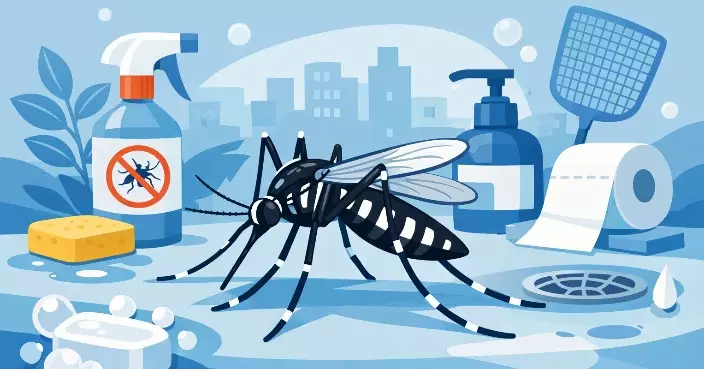
The FEHD also appeals to members of the public to continue to stay alert and work together to carry out mosquito prevention and control measures early, including inspecting their homes and surroundings to remove potential breeding grounds, changing water in vases and scrubbing their inner surfaces, removing water in saucers under potted plants at least once a week, and properly disposing of containers such as soft drink cans and lunch boxes. The FEHD also advises members of the public and estate management bodies to keep drains free of blockage and level all defective ground surfaces to prevent the accumulation of water. They should also scrub all drains and surface sewers with an alkaline detergent at least once a week to remove any mosquito eggs.
The public should call 1823 in case of mosquito problems, and may visit the following pages for more information: the CF page of theCHPand theTravel Health Service, the latestTravel Health News,tips for using insect repellents, and the CHPFacebook Page,Instagram AccountandYouTube Channel, and also theMosquito Prevention and Control dedicated pageof the FEHD.
Source: AI-found images
Two persons arrested for suspected illegal Internet sale of product with undeclared controlled drug ingredient
The Department of Health (DH)'s investigation revealed the suspected illegal sale of a product containing undeclared controlled medicines via an instant messaging application and carried out an enforcement operation with the Police today (January 14). During the operation, a 27-year-old woman and a 46-year-old man were arrested on suspicion of illegal sale of Part 1 poisons andunregistered pharmaceutical products.
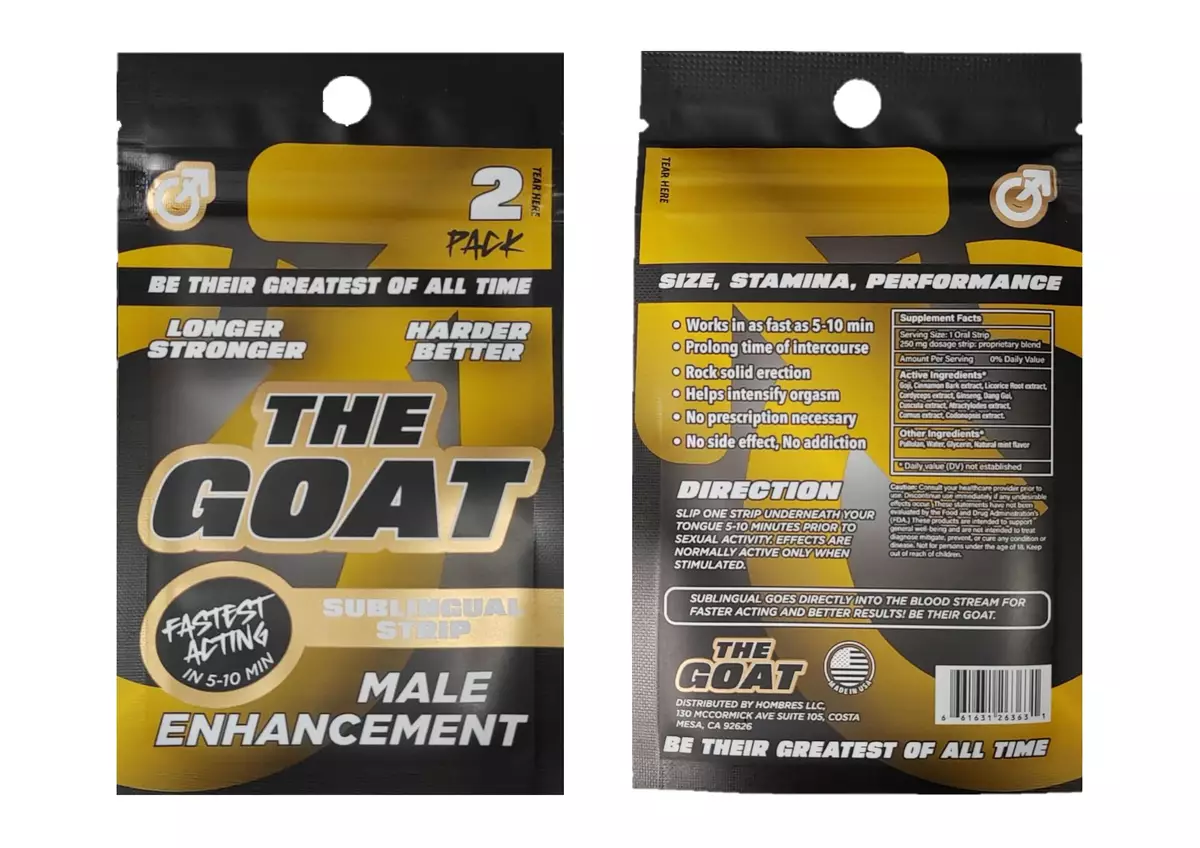
Following up on a public complaint, the DH purchased samples of a product named "The Goat Sublingual Strip" (see photo) via an instant messaging application for analysis. The label of the oral pills indicated it was a natural virility product. Test results from the Government Laboratory revealed that the samples contained sildenafil, which is a Part 1 poison under the Pharmacy and Poisons Ordinance (Cap. 138) (the Ordinance). The product is alsosuspected to be an unregistered pharmaceutical product.
The DH urged members of the public who have purchased the product concerned to stop consuming it immediately and reminded the public not to buy or consume products of doubtful composition or from unknown sources.
The DH reminded the public that selling medicines controlled under the Ordinance illegally, regardless of the sales channel (including instant messaging apps or social media), carries criminal liability. Do not risk breaking the law.
The DH will continue to investigate the incident and take appropriate follow-up actions.
Sildenafil is a prescription drug used for the treatment of erectile dysfunction and should only be used under a doctor's advice and supplied in a pharmacy under the supervision of a registered pharmacist upon a doctor's prescription. Side effects of sildenafil include low blood pressure, headaches, vomiting, dizziness and transient vision disturbances. It may interact with some drugs (such as nitroglycerin for the treatment of angina) and cause a decrease in blood pressure to dangerous levels. Improper use of sildenafil may pose serious health risks, especially for patients with heart problems.
According to the Ordinance, all pharmaceutical products must be registered with the Pharmacy and Poisons Board of Hong Kong before they can be sold in the market. In addition, pharmaceutical products containing Part 1 poisons can only be sold at the registered premises of an Authorized Seller of Poisons (commonly known as "pharmacy") under the supervision of a registered pharmacist. If any contravention of the law is suspected, the DH will follow up and carry out enforcement action. After seeking advice from the Department of Justice, prosecutions against relevant persons may be initiated. The illegal sale of unregistered pharmaceutical products or Part 1 poisons is a criminal offences. The maximum penalty for each offence upon conviction is a fine of $100,000 and two years' imprisonment.
The DH remindedmembers of the public that all registered pharmaceutical products should carry a Hong Kong registration number on the package in the format of "HK-XXXXX". The safety, quality and efficacy of unregistered pharmaceutical products are not guaranteed.
Members of the public who have purchased the above products should stop consuming them immediately. They should consult healthcare professionals for advice if feeling unwell after consumption. The public may submit the products to the Drug Office of the DH at Room 1804-1806, 18/F, Wing On Kowloon Centre, 345 Nathan Road, Kowloon, during office hours for disposal.
The public may visit the DH's Drug Office webpage for health message on sexual dysfunction and virility products and virility products found to contain undeclared Western medicines.
Two persons arrested for suspected illegal Internet sale of product with undeclared controlled drug ingredient Source: HKSAR Government Press Releases