NEW YORK (AP) — U.S. stocks coasted to the finish of their latest winning month on Tuesday, as Wall Street yawned at the potential shutdown of the U.S. federal government that’s looming.
The S&P 500 rose 0.4% to close out its fifth straight winning month after setting a record last week. The Dow Jones Industrial Average gained 81 points, or 0.2%, to set its own all-time high, and the Nasdaq composite ticked 0.3% higher.
Click to Gallery
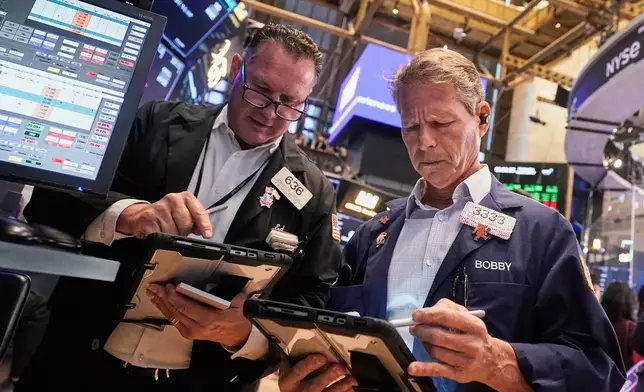
Traders Edward Curran, left, and Robert Charmak work on the floor of the New York Stock Exchange, Wednesday, Sept. 17, 2025. (AP Photo/Richard Drew)
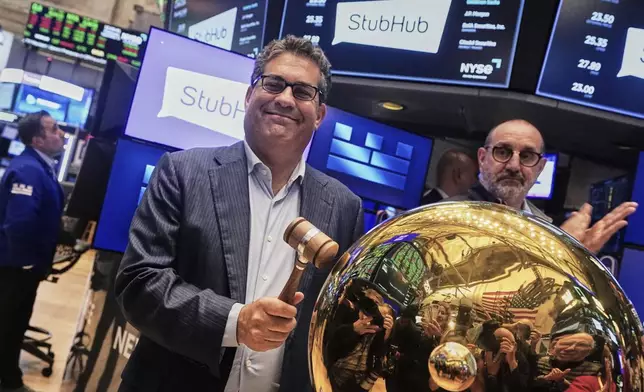
StubHub CEO Eric Baker rings a ceremonial bell as his company stock begins trading, on the floor of the New York Stock Exchange, Wednesday, Sept. 17, 2025. (AP Photo/Richard Drew)
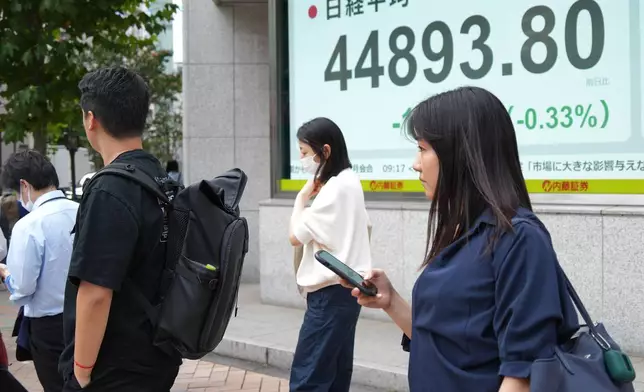
People stand in front of an electronic stock board showing Japan's Nikkei 225 index at a securities firm Tuesday, Sept. 30, 2025, in Tokyo. (AP Photo/Eugene Hoshiko)

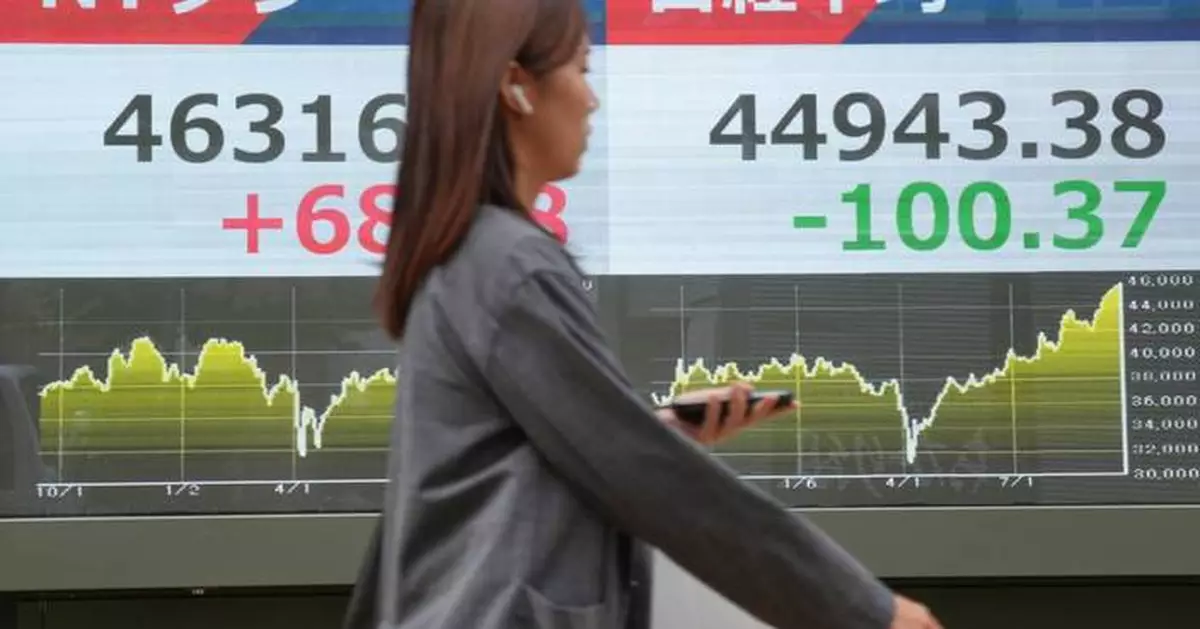
People walk in front of an electronic stock board showing Japan's Nikkei 225 index at a securities firm Tuesday, Sept. 30, 2025, in Tokyo. (AP Photo/Eugene Hoshiko)
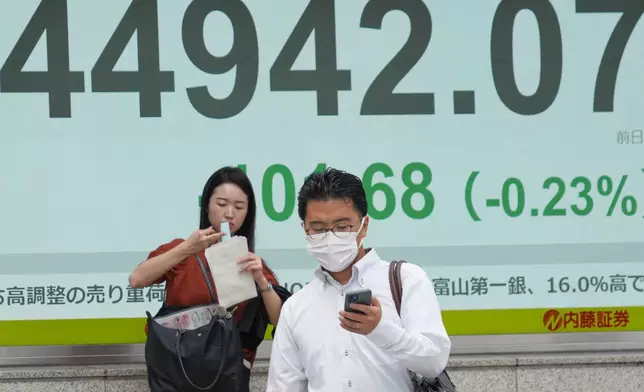
People stand in front of an electronic stock board showing Japan's Nikkei 225 index at a securities firm Tuesday, Sept. 30, 2025, in Tokyo. (AP Photo/Eugene Hoshiko)
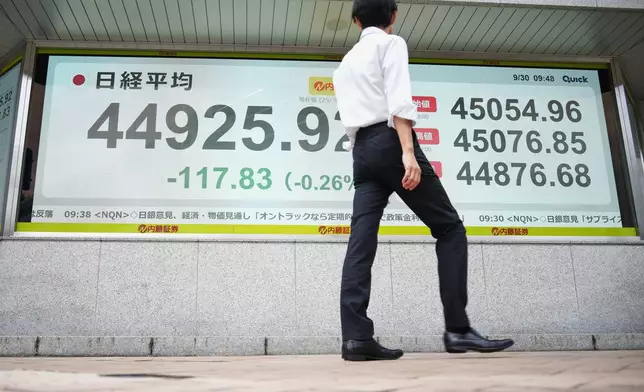
A man looks at an electronic stock board showing Japan's Nikkei 225 index at a securities firm Tuesday, Sept. 30, 2025, in Tokyo. (AP Photo/Eugene Hoshiko)
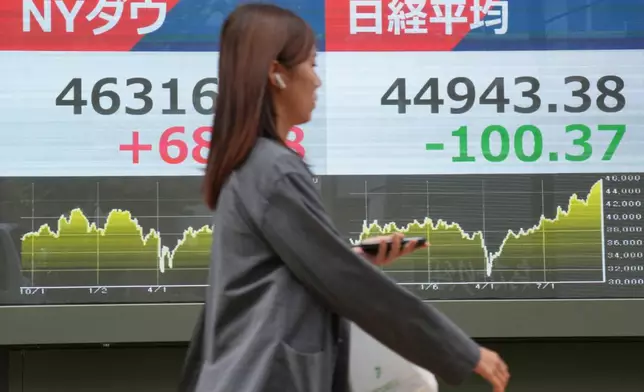
A person walks in front of an electronic stock board showing Japan's Nikkei 225 and New York Dow indexes at a securities firm Tuesday, Sept. 30, 2025, in Tokyo. (AP Photo/Eugene Hoshiko)
The quiet trading came as a midnight deadline approached, when the U.S. government could shut down because of Washington’s latest political impasse. That’s because history has shown that past shutdowns have had limited impact on the economy and stock market, and many economists and professional investors expect something similar this time around.
The S&P 500 has climbed an average of 4.4% during past shutdowns and is positive over the last five, according to Monica Guerra, head of U.S. policy at Morgan Stanley Wealth Management.
What could make this shutdown different, though, is that the White House may push for large-scale firings of federal workers.
The broad stock market has been on a nearly relentless run since hitting a low in April on expectations that President Donald Trump’s tariffs won’t derail global trade and that the Federal Reserve will cut interest rates several times to boost the slowing job market.
Treasury yields wavered in the bond market but ultimately held relatively steady following mixed reports on the U.S. economy. One said consumers are feeling less confident than economists expected, with many respondents in the Conference Board’s survey pointing to the job market and to inflation that has remained higher than anyone would like.
A second report suggested the job market may be remaining in its “low-hire, low-fire” state. U.S. employers were advertising roughly the same number of job openings at the end of August as the month before. The hope on Wall Street had been for a number that’s neither too high nor too low, one balanced enough to keep the Fed on track to continue cutting interest rates.
The Fed just delivered its first cut of the year, and officials have penciled in more to give the job market a boost. But too-strong data on jobs could make the Fed less willing to cut rates, which would strengthen criticism that the U.S. stock market has become too expensive after prices ran so high. Too-weak numbers, meanwhile, could signal a coming recession, which would also hurt stock prices.
When Wall Street will get the next data reports on the job market is uncertain, though. A shutdown of the federal government would cause delays for several important reports, including Friday’s on how many jobs U.S. employers created and destroyed in September.
That could make Wall Street more twitchy when investors are already nervous about the state of the economy and what that means for the potential for cuts to rates. The Department of Labor has already said that the Bureau of Labor Statistics will completely cease operations if there’s a lapse.
On Wall Street, CoreWeave jumped 11.7% after saying Meta Platforms will pay up to $14.2 billion for a new order for cloud computing power made under its existing service agreement, with the potential for more.
Lamb Weston climbed 4.3% after the supplier of frozen French fries and other potato products reported a stronger profit for the latest quarter than analysts expected.
On the losing end of Wall Street was Spotify Technology, which sank 4.2%. The Stockholm-based streaming giant said its founder, Daniel Ek, is stepping down as CEO to become the executive chairman. Two of his lieutenants will replace him as co-CEOs: Chief Product and Technology Officer Gustav Söderström and Chief Business Officer Alex Norström.
Oil-related companies weighed on the market as the price of crude fell again as traders see too much oil washing around the world. Baker Hughes sank 3.6%, and Schlumberger fell 2.1%.
All told, the S&P 500 rose 27.25 points to 6,688.46. The Dow Jones Industrial Average added 81.82 to 46,397.89, and the Nasdaq composite climbed 68.86 to 22,660.01.
In stock markets abroad, indexes ticked higher in Europe following a mixed finish in Asia.
In the bond market, the yield on the 10-year Treasury held steady at 4.15%, where it was late Monday.
AP Business Writers Yuri Kageyama and Matt Ott contributed.
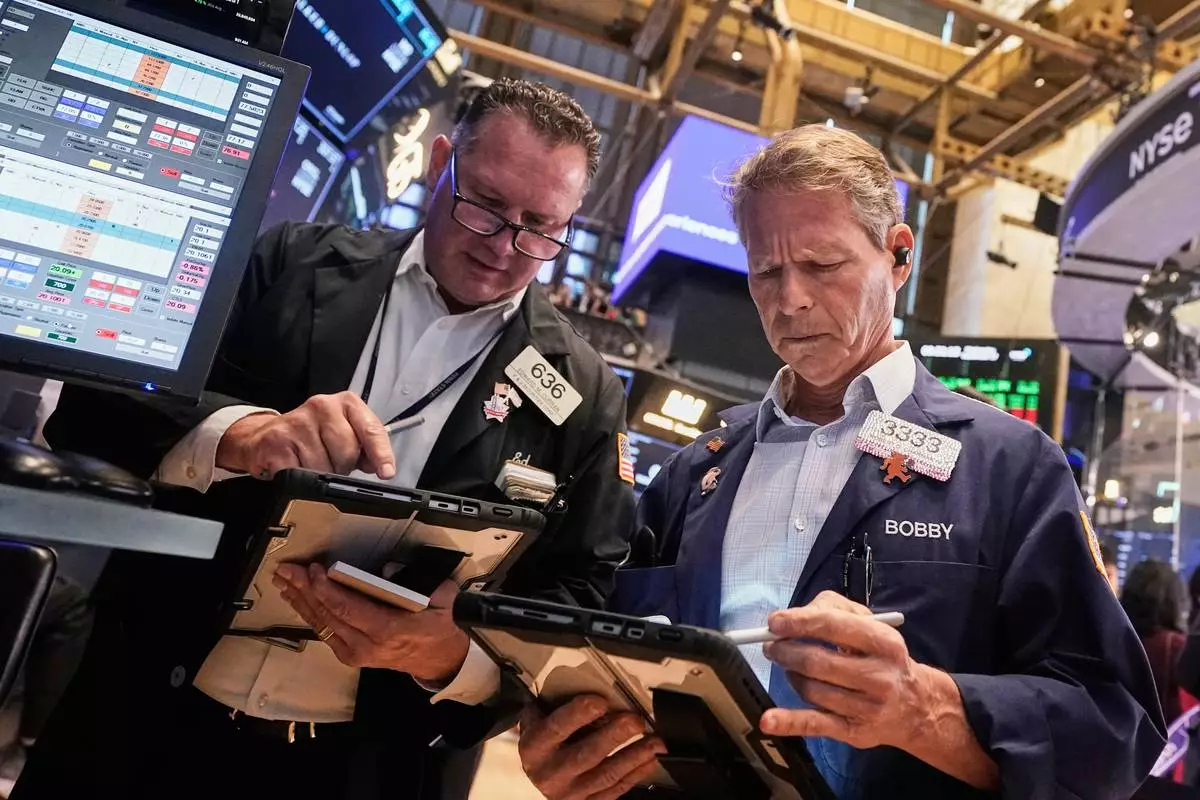
Traders Edward Curran, left, and Robert Charmak work on the floor of the New York Stock Exchange, Wednesday, Sept. 17, 2025. (AP Photo/Richard Drew)

StubHub CEO Eric Baker rings a ceremonial bell as his company stock begins trading, on the floor of the New York Stock Exchange, Wednesday, Sept. 17, 2025. (AP Photo/Richard Drew)
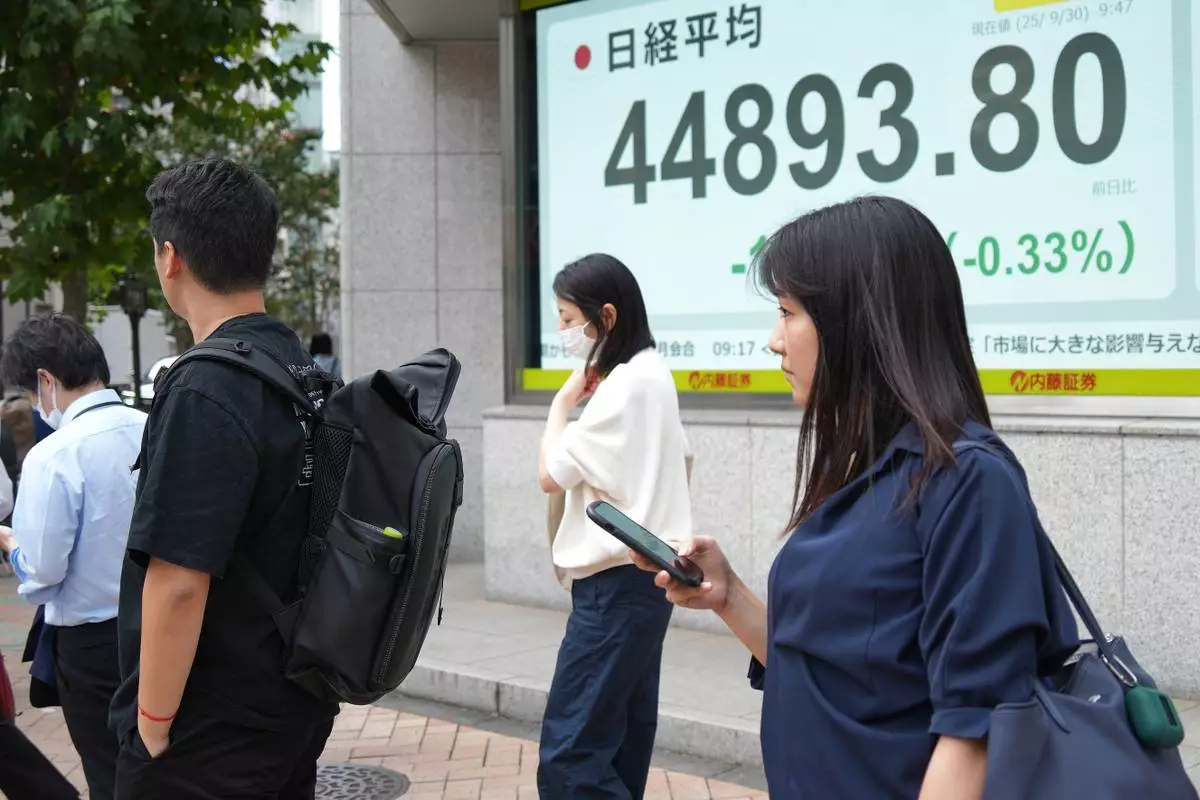
People stand in front of an electronic stock board showing Japan's Nikkei 225 index at a securities firm Tuesday, Sept. 30, 2025, in Tokyo. (AP Photo/Eugene Hoshiko)

People walk in front of an electronic stock board showing Japan's Nikkei 225 index at a securities firm Tuesday, Sept. 30, 2025, in Tokyo. (AP Photo/Eugene Hoshiko)
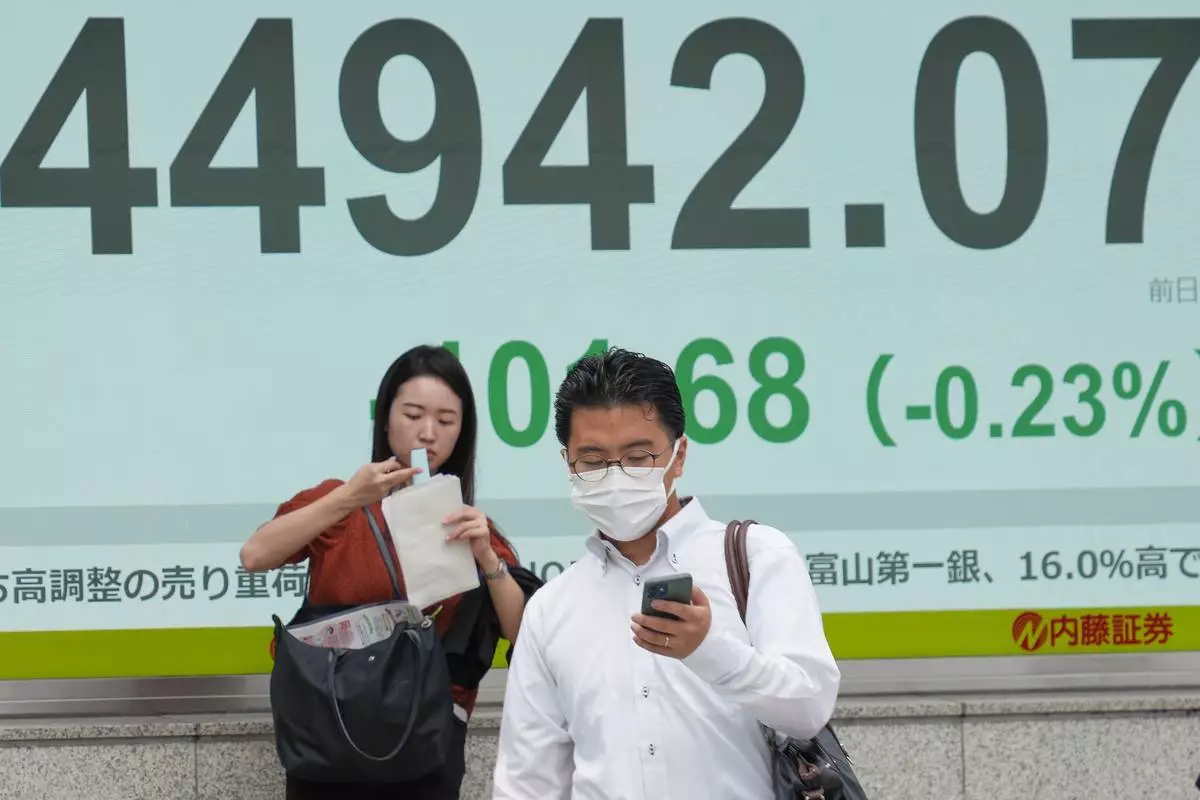
People stand in front of an electronic stock board showing Japan's Nikkei 225 index at a securities firm Tuesday, Sept. 30, 2025, in Tokyo. (AP Photo/Eugene Hoshiko)
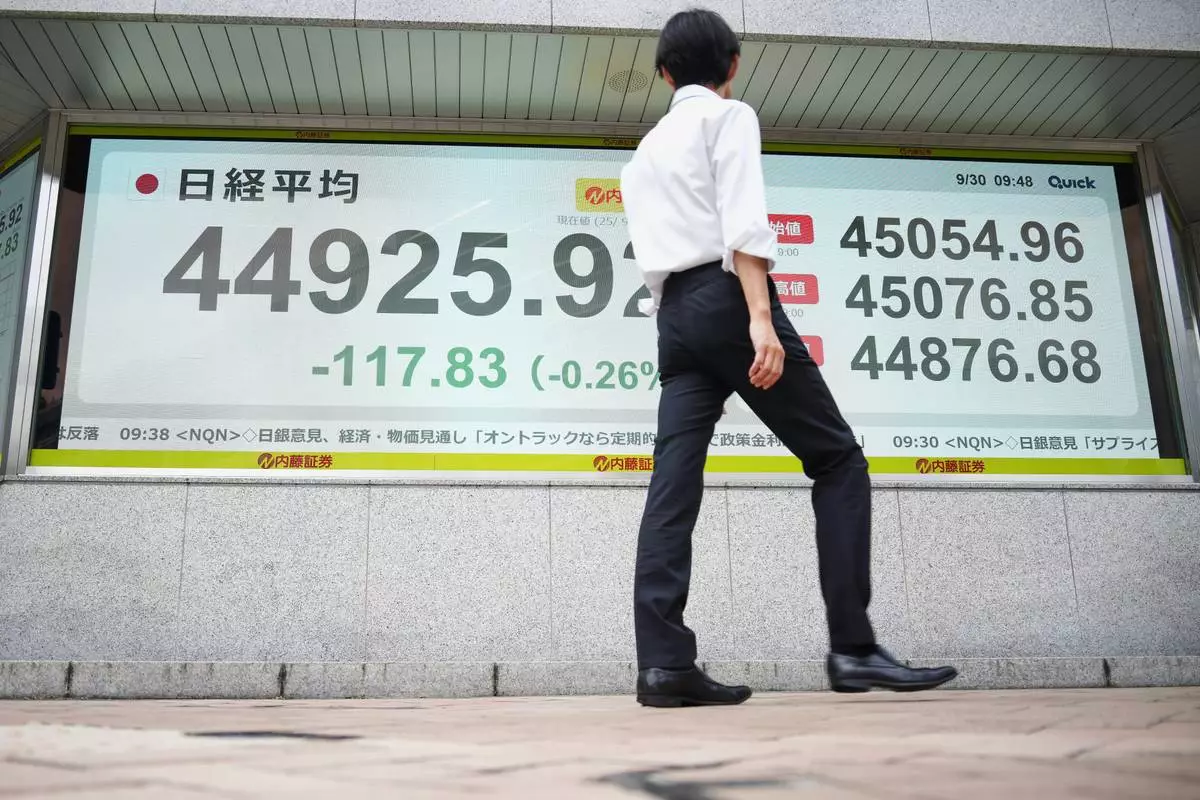
A man looks at an electronic stock board showing Japan's Nikkei 225 index at a securities firm Tuesday, Sept. 30, 2025, in Tokyo. (AP Photo/Eugene Hoshiko)
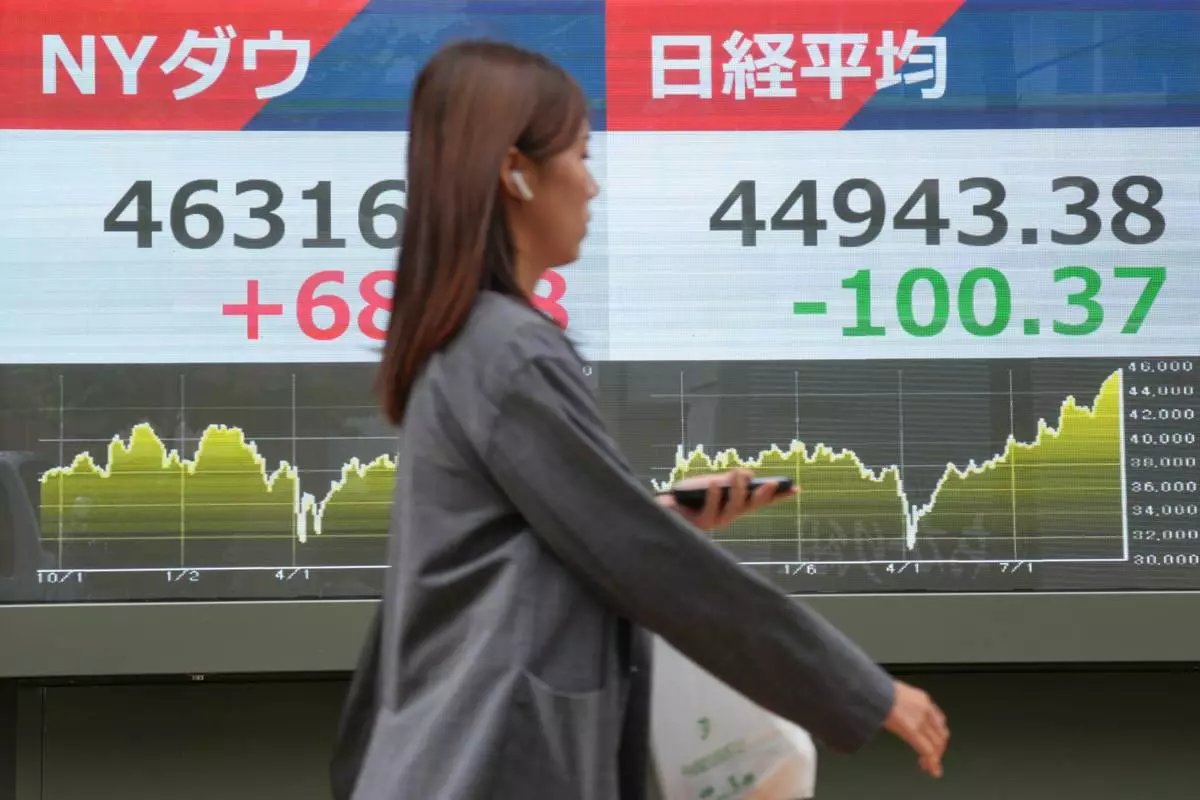
A person walks in front of an electronic stock board showing Japan's Nikkei 225 and New York Dow indexes at a securities firm Tuesday, Sept. 30, 2025, in Tokyo. (AP Photo/Eugene Hoshiko)