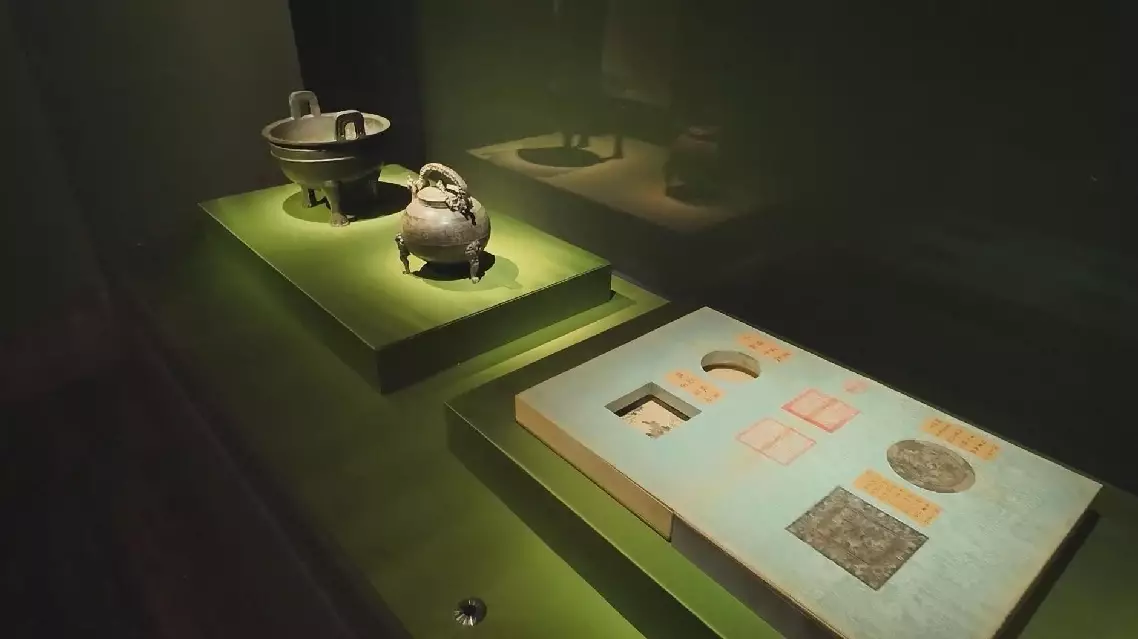
A special exhibition titled "A Century of Stewardship: From the Forbidden City to the Palace Museum" opened to the public in Beijing on Tuesday, marking the 100th anniversary of the Palace Museum’s founding.
Located within the Forbidden City, the former imperial palace of the Ming (1368–1644) and Qing (1644–1911) dynasties, the Palace Museum has curated a collection of 200 cultural relics that offer a multi-dimensional view of Chinese civilization and the institution’s own evolution.
The exhibition unfolds across three thematic sections: A Lineage of Scholarship, A Century of Heritage, and A World of Splendor. Highlights include the iconic scroll "Along the River at a Qingming Time", which captures daily life in the Northern Song Dynasty (960–1127), and Five Oxen, a painting renowned for its lifelike depiction of the animals.
In a nod to global cultural exchange, the Palace Museum has partnered with the Kulangsu Gallery of Foreign Artifacts and the Hong Kong Palace Museum to showcase rare pieces that reflect centuries of artistic dialogue.
"This exhibition highlights our unwavering commitment over the past century: the protection of the Palace Museum's ancient architecture and its collections. Furthermore, it reflects our mission to inherit and preserve this cultural heritage -- a legacy of China's rich traditional culture and 5,000 years of civilization. We are dedicated to revitalizing this heritage in the new era and contributing to the development of a strong cultural nation," said Zhu Hongwen, deputy director of the Palace Museum.
Palace Museum in Beijing marks 100th anniversary with special exhibition
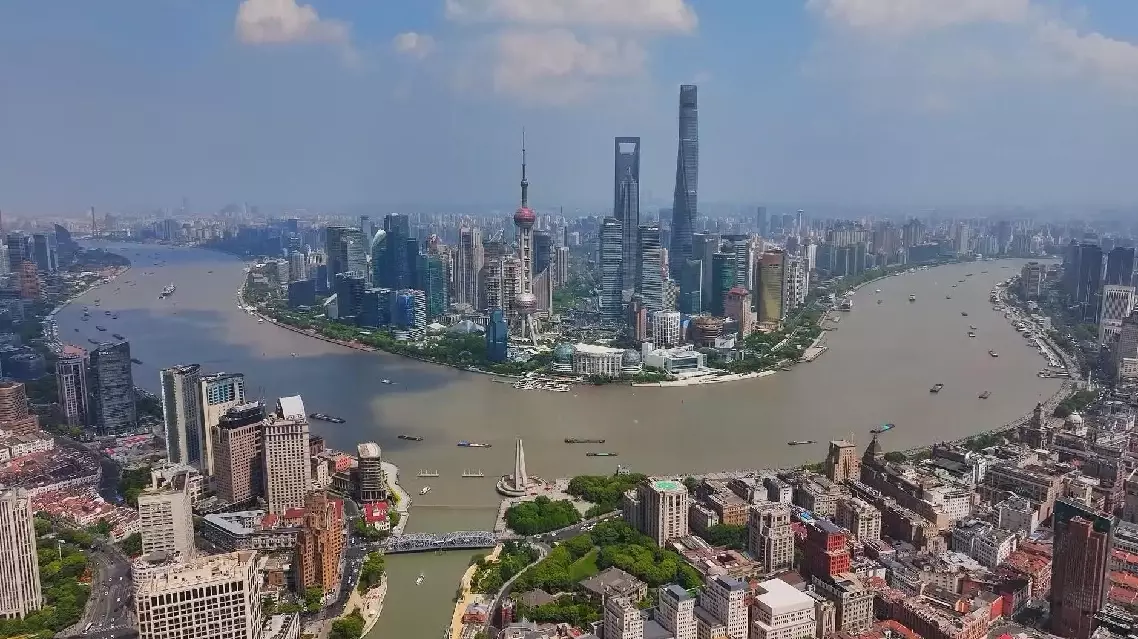
China will take further steps to expand high-standard opening-up and create a new landscape of win-win cooperation in 2026, which marks the start of the 15th Five-Year Plan period (2026-2030), Commerce Minister Wang Wentao said in a recent interview with China Media Group.
Wang said opening up and cooperation for mutual benefit are integral to Chinese modernization. This year, China will actively expand voluntary opening up.
The country will steadily open up such areas as value-added telecommunications, biotechnology and wholly foreign-owned hospitals, while accelerating comprehensive pilot and demonstration programs for expanded opening-up in the services sector, he noted.
"We will expand the scope and regions of unilateral opening-up and ensure the implementation of zero-tariff treatment on 100 percent of tariff lines for all African countries that have diplomatic relations with China. We will vigorously promote the effective implementation of policies for special customs operations of the Hainan Free Trade Port, further enhance the level of trade and investment liberalization and facilitation, optimize the regional layout and coverage of pilot free trade zones, and support these zones in carrying out more robust institutional opening-up trials in areas such as market access, environmental standards and government procurement, so as to better leverage their role as comprehensive pilot platforms for reform and opening-up," said Wang.
Wang said China will promote the orderly planning of cross-border industrial and supply chains.
Efforts will be made to deepen economic and trade cooperation under the Belt and Road Initiative, enhance integration and connectivity across production and supply chains, and encourage cooperation in areas including green development, the digital economy, green minerals, new infrastructure and new energy so as to help build global production and supply chain partnerships that are equal, inclusive and constructive, he noted.
"We will give play to the platform role of overseas economic and trade cooperation zones, expand overseas marketing networks and explore international markets through outward investment, achieve mutual promotion between investment and trade, and advance the integrated development of trade and investment. We will also improve the overseas comprehensive service system and the national-level overseas comprehensive service platform," said the minister.
In addition, China will participate constructively in global economic governance, according to the minister.
In 2026, Wang said, China will pursue flexible and pragmatic approaches to negotiate trade and investment agreements with more willing countries and regions, while strengthening economic and trade cooperation under multilateral frameworks such as BRICS, G20 and the Shanghai Cooperation Organization, to further promote mutual benefit and win-win outcomes.
China to expand high-standard opening-up to foster win-win cooperation: minister