- CODIT issue paper assesses impact of U.S. 50% tariffs on Korea's non-ferrous metals sector, revealing structural vulnerabilities
- Examines global responses and outlines five policy recommendations for Korea
SEOUL, South Korea, Oct. 2, 2025 /PRNewswire/ -- The CODIT Global Evidence-Based Policy Institute (Executive Director Hae-young Song), the research arm of AI-powered policy platform CODIT, today released an issue paper titled "U.S. Imposes 50% Tariffs on Aluminum and Copper: Strategic Responses for Korea." The paper analyzes the impact of the Trump administration's new tariffs on Korea's non-ferrous metals sector, examines responses from other major economies, and sets out concrete policy recommendations.
Korea's non-ferrous metals industry, valued at KRW 57 trillion, remains structurally vulnerable as it is dominated by small and mid-sized firms. Unlike steel, economies of scale are difficult to achieve, and companies face constraints in R&D, ESG compliance, and supply chain management. The industry's reliance on imported raw materials for aluminum and export-heavy dependence for copper makes it particularly exposed to the new tariffs.
According to the paper, the 50% tariffs will sharply cut exports of aluminum sheet, foil, and extrusions, while copper tubes and bars may become virtually unsellable. Korean producers are thus facing a "triple burden": collapsing U.S. exports, rising costs from market diversification, and intensifying pressure to localize production. Beyond direct trade losses, the tariffs are also driving supply chain realignments and forcing companies to reconsider global investment strategies—posing ripple risks for key downstream sectors such as automobiles, semiconductors, and EV batteries.
Drawing on responses by Canada, China, Australia, and India—including retaliatory tariffs, WTO action, fiscal support, and diversification measures—the Institute proposes five policy recommendations for Korea:
- Secure tariff reductions and exemptions through U.S. negotiations.
- Strengthen bargaining power via bilateral and multilateral alliances.
- Provide domestic relief to minimize industry damage.
- Enhance long-term competitiveness through supply chain and data management.
- Ensure institutional support from the National Assembly.
"The 50% tariffs on aluminum and copper pose a serious threat to Korea's strategic industries, yet they have drawn far less attention than steel," the Institute stressed. "Korea must adopt a dual-track approach: negotiating aluminum-specific concessions with the U.S. while simultaneously reinforcing supply chain resilience through long-term policy tools."
The CODIT Global Evidence-Based Policy Institute regularly publishes issue papers on trade, ESG, AI, healthcare and pharmaceuticals, and the circular economy, and hosts policy seminars with senior experts from the National Assembly, government agencies, and research institutes to support corporate responses to regulatory change.
SEOUL, South Korea, Oct. 2, 2025 /PRNewswire/ -- The CODIT Global Evidence-Based Policy Institute (Executive Director Hae-young Song), the research arm of AI-powered policy platform CODIT, today released an issue paper titled "U.S. Imposes 50% Tariffs on Aluminum and Copper: Strategic Responses for Korea." The paper analyzes the impact of the Trump administration's new tariffs on Korea's non-ferrous metals sector, examines responses from other major economies, and sets out concrete policy recommendations.
Korea's non-ferrous metals industry, valued at KRW 57 trillion, remains structurally vulnerable as it is dominated by small and mid-sized firms. Unlike steel, economies of scale are difficult to achieve, and companies face constraints in R&D, ESG compliance, and supply chain management. The industry's reliance on imported raw materials for aluminum and export-heavy dependence for copper makes it particularly exposed to the new tariffs.
According to the paper, the 50% tariffs will sharply cut exports of aluminum sheet, foil, and extrusions, while copper tubes and bars may become virtually unsellable. Korean producers are thus facing a "triple burden": collapsing U.S. exports, rising costs from market diversification, and intensifying pressure to localize production. Beyond direct trade losses, the tariffs are also driving supply chain realignments and forcing companies to reconsider global investment strategies—posing ripple risks for key downstream sectors such as automobiles, semiconductors, and EV batteries.
Drawing on responses by Canada, China, Australia, and India—including retaliatory tariffs, WTO action, fiscal support, and diversification measures—the Institute proposes five policy recommendations for Korea:
"The 50% tariffs on aluminum and copper pose a serious threat to Korea's strategic industries, yet they have drawn far less attention than steel," the Institute stressed. "Korea must adopt a dual-track approach: negotiating aluminum-specific concessions with the U.S. while simultaneously reinforcing supply chain resilience through long-term policy tools."
The CODIT Global Evidence-Based Policy Institute regularly publishes issue papers on trade, ESG, AI, healthcare and pharmaceuticals, and the circular economy, and hosts policy seminars with senior experts from the National Assembly, government agencies, and research institutes to support corporate responses to regulatory change.
** The press release content is from PR Newswire. Bastille Post is not involved in its creation. **

CODIT Policy Institute Releases Issue Paper on U.S. 50% Tariffs on Aluminum and Copper, Urges Korea's Strategic Response
|
New global report reveals how security technology is driving business efficiency, ROI, and data-driven decision-making for business leaders.
HAMILTON, New Zealand, Jan. 15, 2026 /PRNewswire/ -- Security technology is no longer just about protection. According to Gallagher Security's newly released 2026 Security Industry Trends Report, systems once designed primarily to manage risk are now quietly enabling smarter operations, better workplace experiences, and stronger business outcomes.
Drawing on global insights, the report shows how organizations are unlocking value, return on investment, and actionable intelligence from security infrastructure already in place.
Security as invisible infrastructure
From office doors to behind-the-scenes data, security technology has become a powerful force shaping how modern organizations operate.
The report reveals that security systems are being used to do more than keep people and property safe. As organizations look to work more effectively, these systems are helping leaders understand how people interact with spaces, where time and resources are gained or lost, and how everyday decisions affect performance - often without employees noticing.
"What's striking is how invisible this shift has been," says Mark Junge, Chief Executive of Gallagher Security. "Security sits quietly in the background of daily work life, yet it's increasingly helping organizations reduce friction and make better-informed decisions."
From operational necessity to business insight
The report highlights a growing realization that security has become a valuable source of business insight. By integrating security systems with other tools and analyzing the data, organizations are improving workflows, strengthening compliance, and supporting more flexible ways of working.
A key signal of this shift is an increased focus on return on investment. Rather than viewing security purely as a cost, organizations are assessing how these systems contribute to measurable outcomes, including time saved, smoother operations, and progress toward sustainability goals.
Security moves into the boardroom
As the role of security expands, so too does who is involved in security decisions. Once managed largely within specialist teams, security is now part of broader discussions involving IT, finance, facilities, and executive leadership, reflecting how deeply these systems are embedded in modern operations.
"The conversation has moved beyond preventing problems," Junge adds. "Security is now about enabling businesses by providing the data, confidence, and flexibility needed to adapt and perform."
The Gallagher Security Industry Trends Report 2026 is now available, offering a behind-the-scenes look at how security technology is shaping modern business.
About Gallagher Security:
A global leader in integrated security solutions that unlock customer value through the power of our people and products. From making sure people go home safely to their families each night, to helping organizations become more efficient, productive, and profitable. Trusted within the highest levels of national and local government, military, commercial, industrial, healthcare, transportation, academic organizations, and small businesses in 140 countries. Visit security.gallagher.com for more information.
New global report reveals how security technology is driving business efficiency, ROI, and data-driven decision-making for business leaders.
HAMILTON, New Zealand, Jan. 15, 2026 /PRNewswire/ -- Security technology is no longer just about protection. According to Gallagher Security's newly released 2026 Security Industry Trends Report, systems once designed primarily to manage risk are now quietly enabling smarter operations, better workplace experiences, and stronger business outcomes.
Drawing on global insights, the report shows how organizations are unlocking value, return on investment, and actionable intelligence from security infrastructure already in place.
Security as invisible infrastructure
From office doors to behind-the-scenes data, security technology has become a powerful force shaping how modern organizations operate.
The report reveals that security systems are being used to do more than keep people and property safe. As organizations look to work more effectively, these systems are helping leaders understand how people interact with spaces, where time and resources are gained or lost, and how everyday decisions affect performance - often without employees noticing.
"What's striking is how invisible this shift has been," says Mark Junge, Chief Executive of Gallagher Security. "Security sits quietly in the background of daily work life, yet it's increasingly helping organizations reduce friction and make better-informed decisions."
From operational necessity to business insight
The report highlights a growing realization that security has become a valuable source of business insight. By integrating security systems with other tools and analyzing the data, organizations are improving workflows, strengthening compliance, and supporting more flexible ways of working.
A key signal of this shift is an increased focus on return on investment. Rather than viewing security purely as a cost, organizations are assessing how these systems contribute to measurable outcomes, including time saved, smoother operations, and progress toward sustainability goals.
Security moves into the boardroom
As the role of security expands, so too does who is involved in security decisions. Once managed largely within specialist teams, security is now part of broader discussions involving IT, finance, facilities, and executive leadership, reflecting how deeply these systems are embedded in modern operations.
"The conversation has moved beyond preventing problems," Junge adds. "Security is now about enabling businesses by providing the data, confidence, and flexibility needed to adapt and perform."
The Gallagher Security Industry Trends Report 2026 is now available, offering a behind-the-scenes look at how security technology is shaping modern business.
About Gallagher Security:
A global leader in integrated security solutions that unlock customer value through the power of our people and products. From making sure people go home safely to their families each night, to helping organizations become more efficient, productive, and profitable. Trusted within the highest levels of national and local government, military, commercial, industrial, healthcare, transportation, academic organizations, and small businesses in 140 countries. Visit security.gallagher.com for more information.
** The press release content is from PR Newswire. Bastille Post is not involved in its creation. **

Security is quietly reshaping modern business, says Gallagher Security's 2026 Industry Trends Report
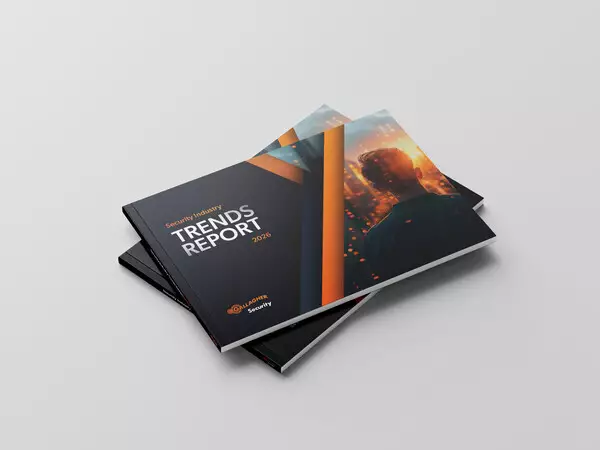
Security is quietly reshaping modern business, says Gallagher Security's 2026 Industry Trends Report