LUXOR, Egypt (AP) — Egypt on Saturday opened a tomb of a pharaoh for visitors after more than two decades of renovation in the southern city of Luxor, as it prepares for the official opening of the Grand Egyptian Museum in Cairo.
The huge tomb of Amenhotep III, who ruled ancient Egypt between 1390 B.C. and 1350 B.C., is located on the western side of the famed Valley of the Kings. It was found in 1799 by two people and its contents were looted, including the sarcophagus, Egyptian antiquities authorities said.
Click to Gallery

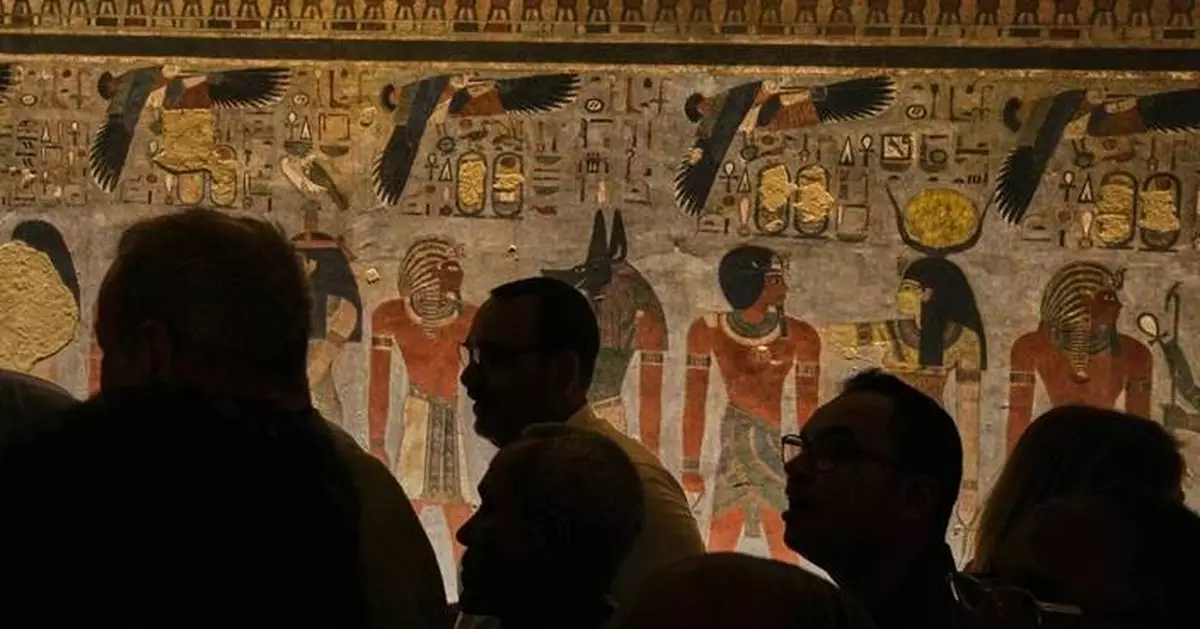
A visitor looks at the tomb of Amenhotep III, who ruled ancient Egypt between 1390 B.C. and 1350 B.C., in the Valley of Kings in the southern city of Luxor, Egypt, Saturday, Oct. 4, 2025, as it opened to visitors for the first time in more than two decades. (AP Photo/Amr Nabil)
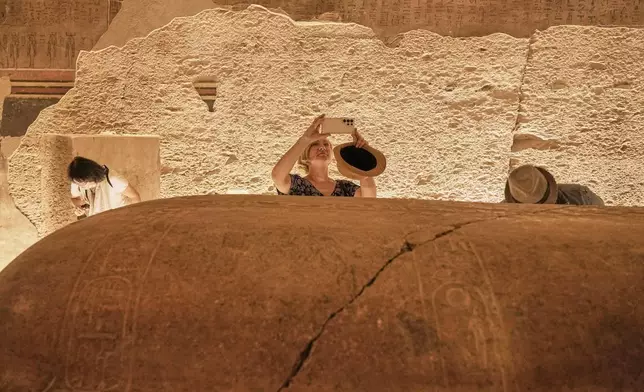
Marzena A. Ozarek, President of mummy research center, films the sarcophagus of King Amenhotep III, who ruled ancient Egypt between 1390 B.C. and 1350 B.C., at his tomb in the Valley of Kings in the southern city of Luxor, Egypt, Saturday, Oct. 4, 2025, as it opened to visitors for the first time in more than two decades. (AP Photo/Amr Nabil)
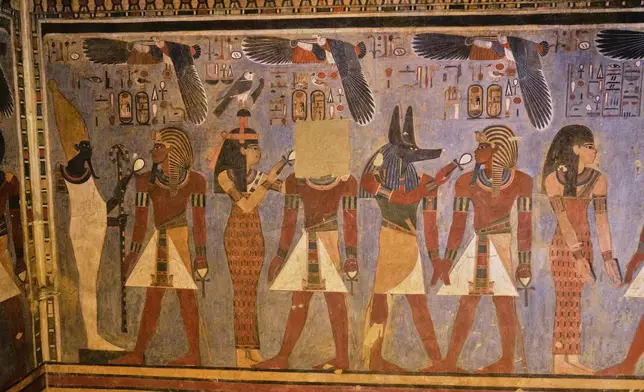
Restored artifacts seen at the tomb of Amenhotep III, who ruled ancient Egypt between 1390 B.C. and 1350 B.C., in the Valley of Kings in the southern city of Luxor, Egypt, Saturday, Oct. 4, 2025, as it opened to visitors for the first time in more than two decades. (AP Photo/Amr Nabil)
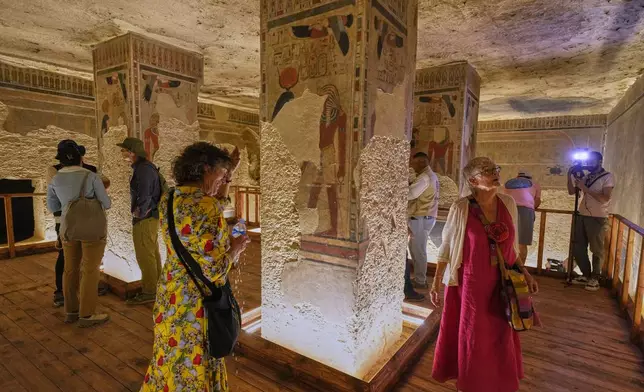
Visitors view the tomb of Amenhotep III, who ruled ancient Egypt between 1390 B.C. and 1350 B.C., in the Valley of Kings in the southern city of Luxor, Egypt, Saturday, Oct. 4, 2025, as it opened to visitors for the first time in more than two decades. (AP Photo/Amr Nabil)

Visitors view the tomb of Amenhotep III, who ruled ancient Egypt between 1390 B.C. and 1350 B.C., in the Valley of Kings in the southern city of Luxor, Egypt, Saturday, Oct. 4, 2025, as it opened to visitors for the first time in more than two decades. (AP Photo/Amr Nabil)
It has been under a Japanese-led, three-phased restoration project for the past two decades, including renovating paintings of the pharaoh and his wife on the tomb walls, said Mohamed Ismail, secretary-general of the Supreme Council of Antiquities.
“It’s a very fascinating tomb,” he told The Associated Press at the scene, adding that it includes a frame of the stolen sarcophagus box, with the lid in place where it would have been.
The tomb starts with a 36-meter (118-foot)-long, 14-meter (45-foot)-deep, downward-sloping passageway beneath the Valley of the Kings. It includes a main burial chamber for the king, and two other chambers for his wives, Queens Tiye and Sitamun.
Unlike other ancient tombs in the valley, the tomb is not fully decorated, Ismail said. Its paintings show Amenhotep III with a group of ancient Egyptian gods, and the burial chamber contains inscriptions of scenes from the Book of Dead, which is a collection of spells aimed at directing the dead through the underworld in ancient Egypt.
The mummy of Amenhotep III was moved by ancient priests to the tomb of his grandfather, Amenhotep II, also in the Valley of the Kings, according to the National Museum of Egyptian Civilization. The severely damaged mummy is showcased at the museum along with 16 other mummies of 17 kings and queens of ancient Egypt.
Amenhotep III was one of the most prominent pharaohs of the 18th Dynasty of ancient Egypt, which ruled between 1550 B.C. and 1292 B.C. Known as Amenhotep the Great, he ascended the throne as a teenager and ruled for up to 38 years, according to the National Museum of Egyptian Civilization.
The tomb's reopening came less than a month before the official inauguration of the Grand Egyptian Museum near the Giza Pyramids. The museum is scheduled to open Nov. 1.
The reopenings are part of Egypt’s efforts to attract more foreign visitors to revive the tourism sector, a major source of foreign currency. Tourism, which depends heavily on Egypt’s rich pharaonic artifacts, suffered a long downturn after the political turmoil and violence that followed a 2011 uprising.
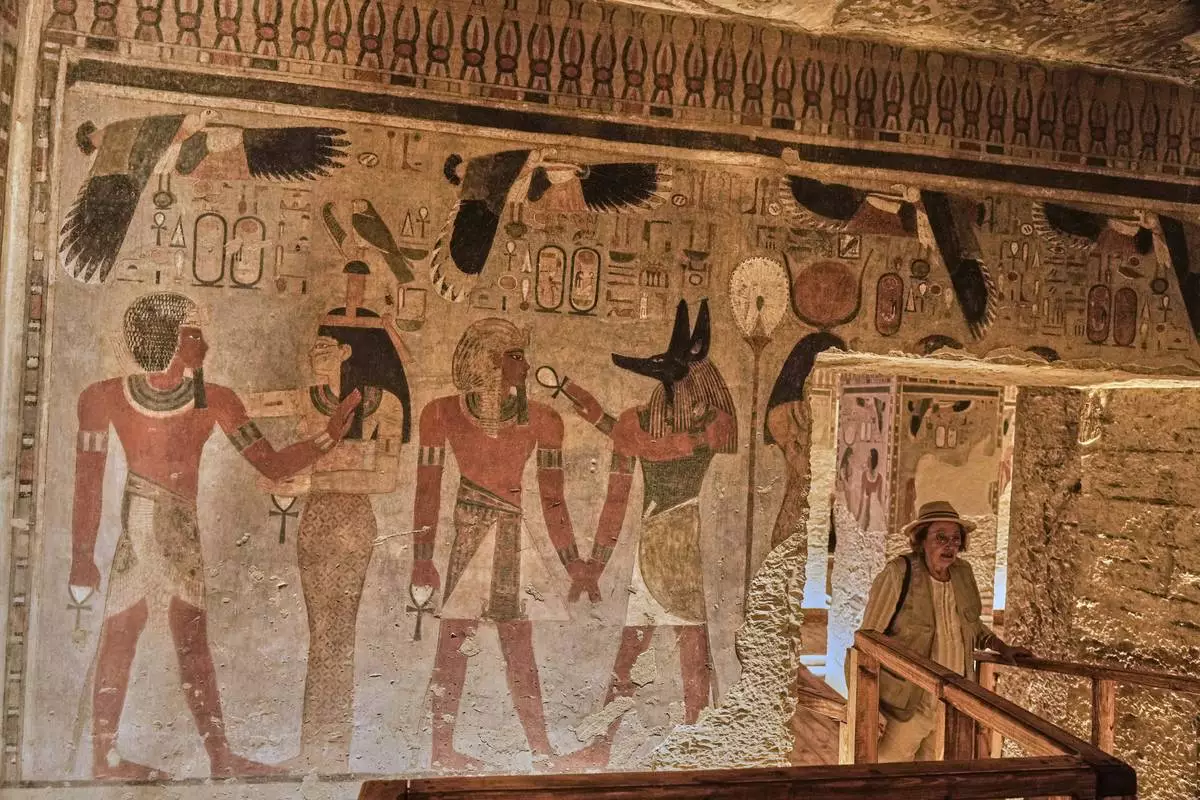
A visitor looks at the tomb of Amenhotep III, who ruled ancient Egypt between 1390 B.C. and 1350 B.C., in the Valley of Kings in the southern city of Luxor, Egypt, Saturday, Oct. 4, 2025, as it opened to visitors for the first time in more than two decades. (AP Photo/Amr Nabil)
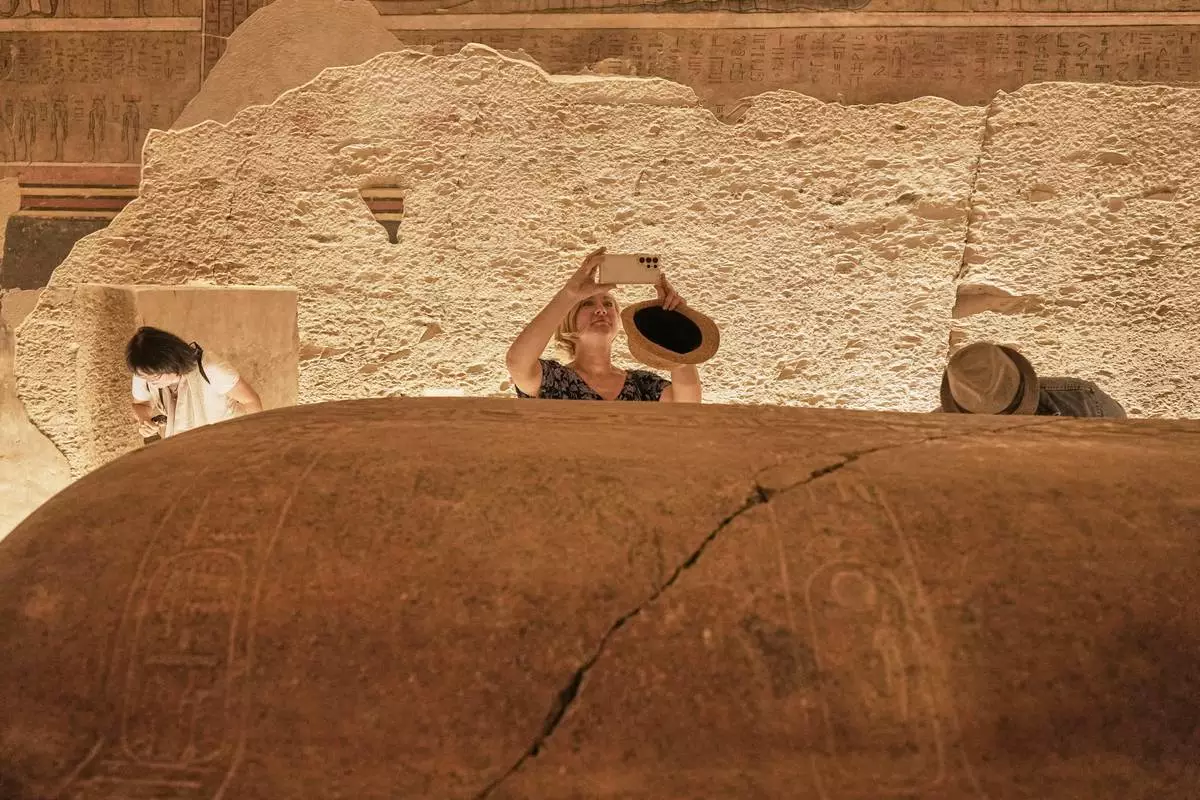
Marzena A. Ozarek, President of mummy research center, films the sarcophagus of King Amenhotep III, who ruled ancient Egypt between 1390 B.C. and 1350 B.C., at his tomb in the Valley of Kings in the southern city of Luxor, Egypt, Saturday, Oct. 4, 2025, as it opened to visitors for the first time in more than two decades. (AP Photo/Amr Nabil)
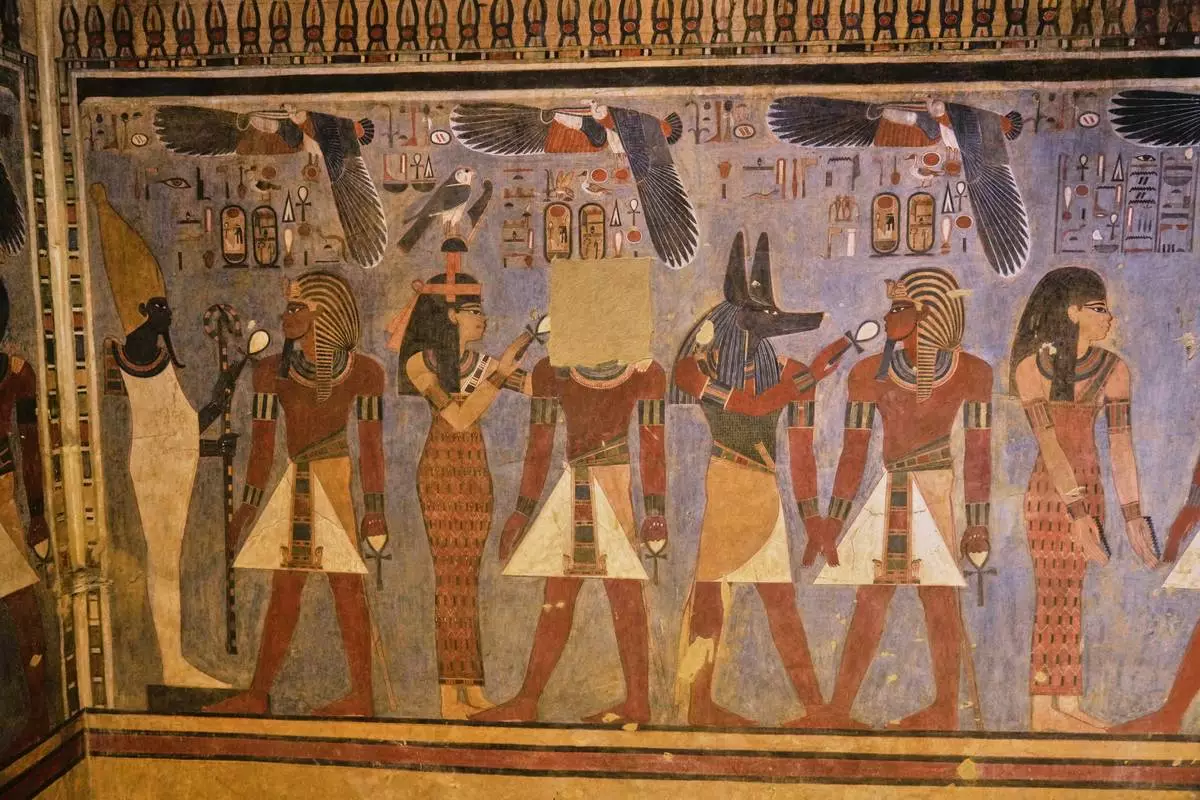
Restored artifacts seen at the tomb of Amenhotep III, who ruled ancient Egypt between 1390 B.C. and 1350 B.C., in the Valley of Kings in the southern city of Luxor, Egypt, Saturday, Oct. 4, 2025, as it opened to visitors for the first time in more than two decades. (AP Photo/Amr Nabil)
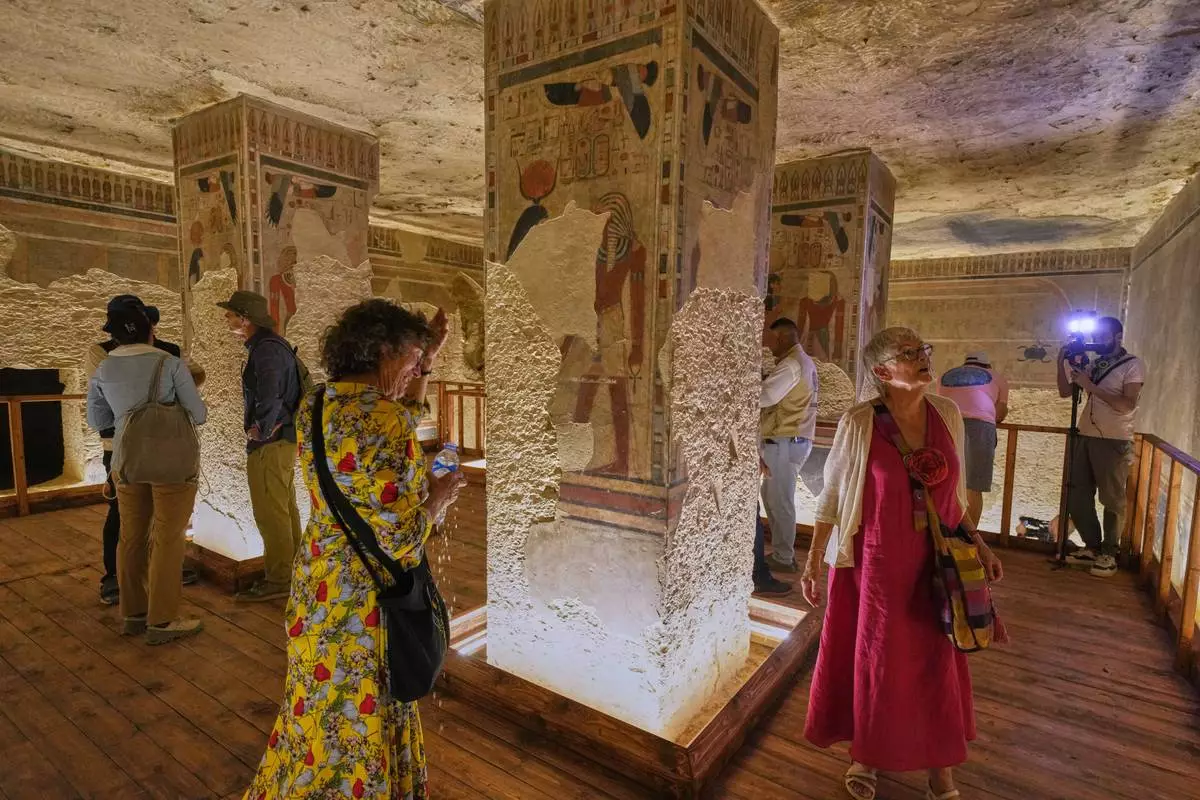
Visitors view the tomb of Amenhotep III, who ruled ancient Egypt between 1390 B.C. and 1350 B.C., in the Valley of Kings in the southern city of Luxor, Egypt, Saturday, Oct. 4, 2025, as it opened to visitors for the first time in more than two decades. (AP Photo/Amr Nabil)
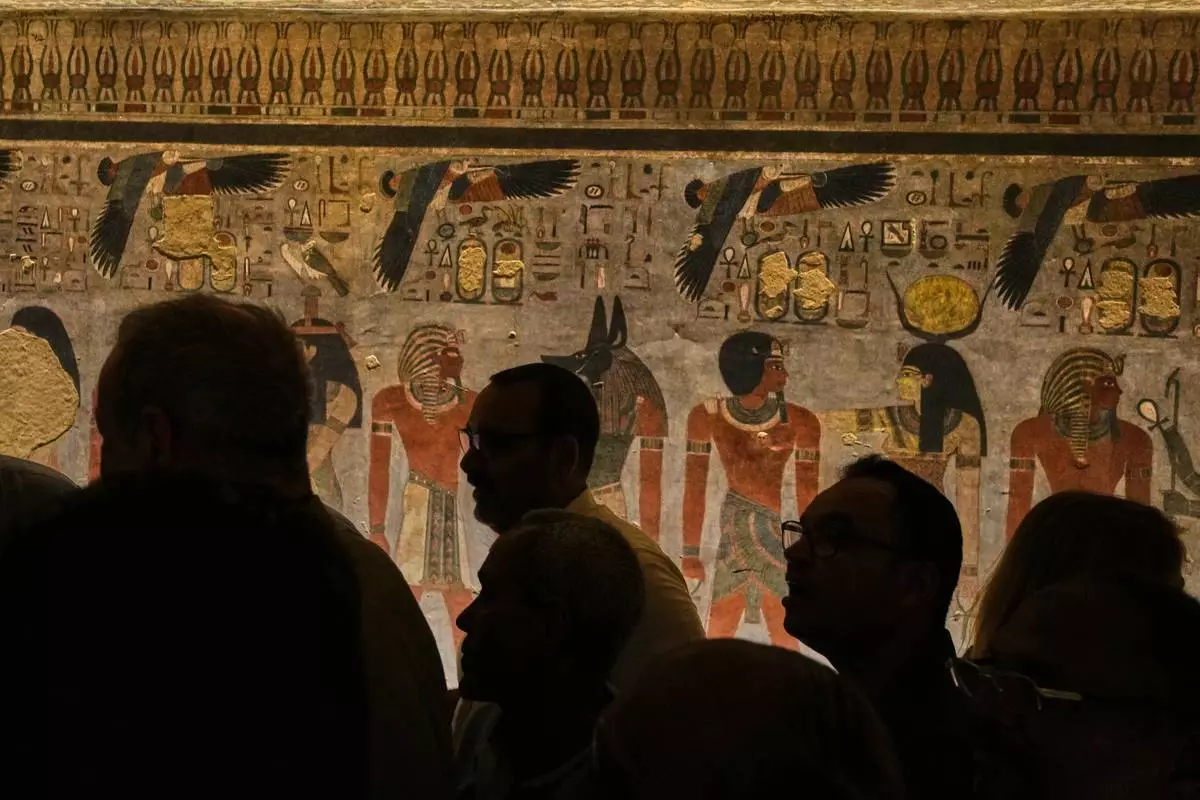
Visitors view the tomb of Amenhotep III, who ruled ancient Egypt between 1390 B.C. and 1350 B.C., in the Valley of Kings in the southern city of Luxor, Egypt, Saturday, Oct. 4, 2025, as it opened to visitors for the first time in more than two decades. (AP Photo/Amr Nabil)