HARPERS FERRY, W.Va. (AP) — By the roiling rapids of converging rivers, President Donald Trump's campaign to have the government tell a happier story of American history confronts its toughest challenge. There is no positive spin to be put on slavery.
At frozen-in-time Harpers Ferry National Historical Park, people in the National Park Service are navigating shoals that federal storytellers across the nation must now negotiate. How do you tell the truth if it might not be the whole truth?
Click to Gallery
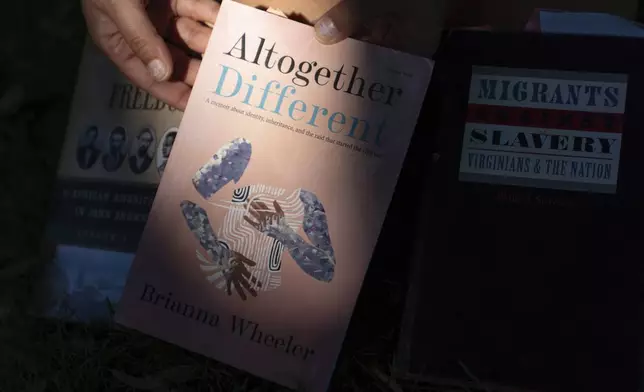
Brianna Wheeler holds her book "Altogether Different" as she poses for photos at Peninsula Park, Monday, Sept. 22, 2025, in Portland, Ore. (AP Photo/Jenny Kane)
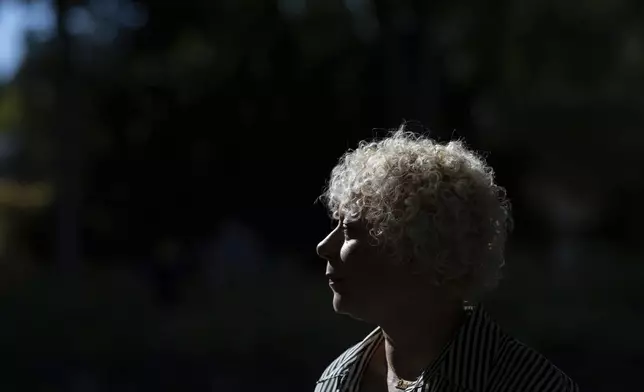
Brianna Wheeler poses for a photo at Peninsula Park, Monday, Sept. 22, 2025, in Portland, Ore. (AP Photo/Jenny Kane)
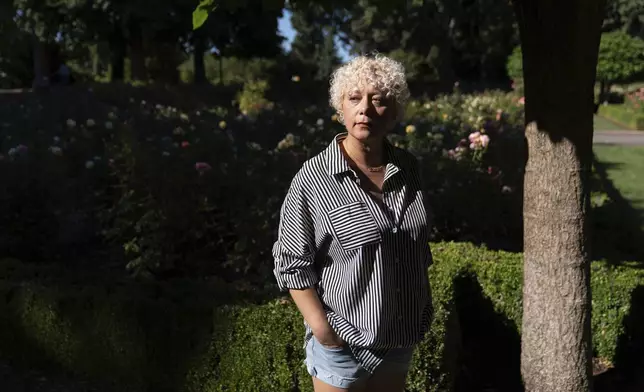
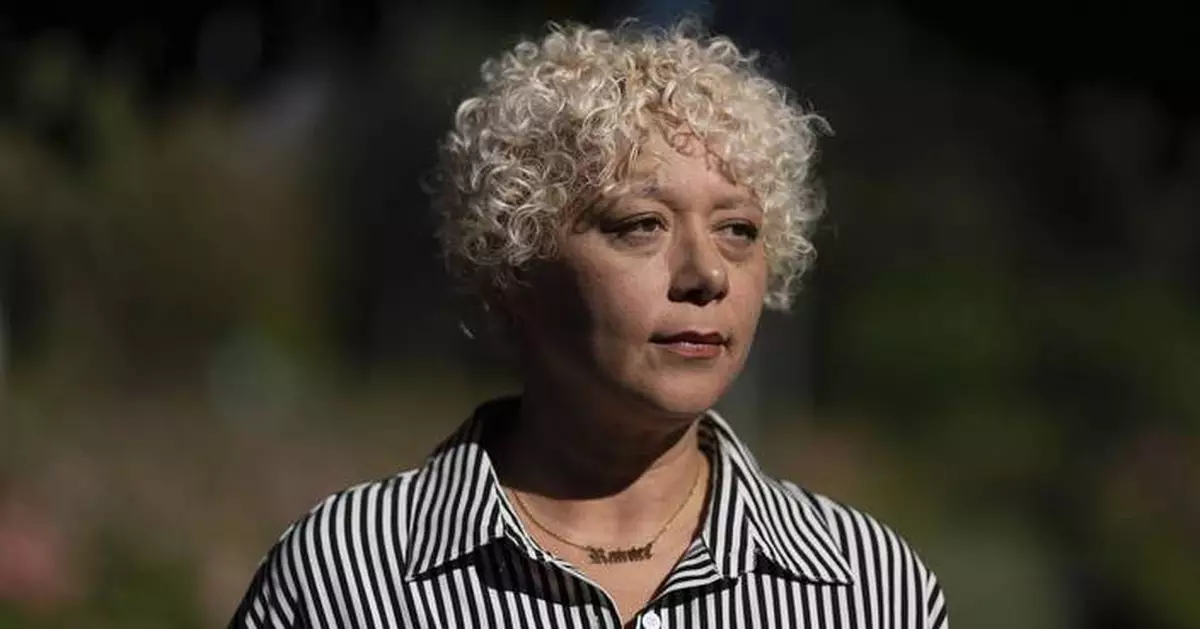
Brianna Wheeler poses for a photo at Peninsula Park, Monday, Sept. 22, 2025, in Portland, Ore. (AP Photo/Jenny Kane)
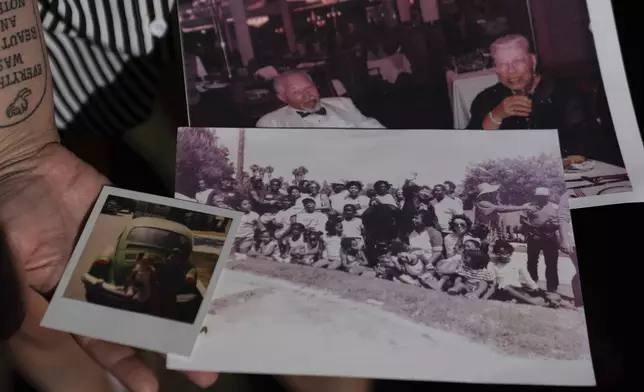
Brianna Wheeler holds family photos, including an image of her grandmother, top right, as she poses for photos at Peninsula Park, Monday, Sept. 22, 2025, in Portland, Ore. (AP Photo/Jenny Kane)
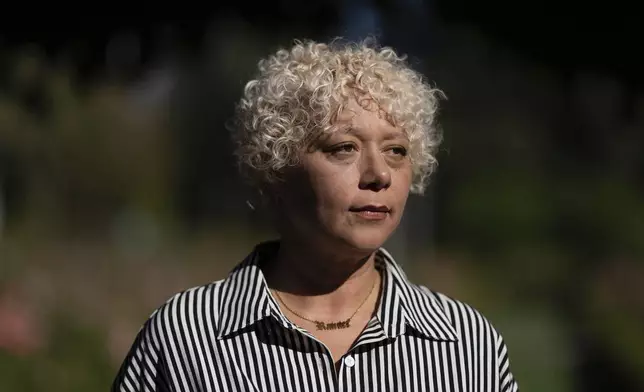
Brianna Wheeler poses for a photo at Peninsula Park, Monday, Sept. 22, 2025, in Portland, Ore. (AP Photo/Jenny Kane)
As part of a broader Trump directive reaching across the government and the country, the park service is under orders to review interpretive materials at all its historical properties and remove or alter descriptions that "inappropriately disparage Americans past or living" or otherwise sully the American story. This comes as the Republican president has complained about institutions that go too deep, in his view, on “how bad slavery was.”
It's too soon to know whether his directive is causing the arc of history to bend toward sanitized revisionism. There are at least scattered indications that the reviewers may be treading carefully in reshaping America's core stories.
Brianna Wheeler hopes they stay true to history. She is a direct descendant of one of abolitionist John Brown's anti-slavery raiders who laid siege to the U.S. armory at Harpers Ferry in a bloody 1859 assault that set the stage for the Civil War. The shame of slavery must not be ignored, she said.
“You can’t wipe that,” she told The Associated Press. “You can’t erase that. It’s our obligation to not let that be erased.”
At some parks, employees on the ground told the AP, brochures with references to “enslavers” have been pulled for revision and everything is getting a hard look.
Yet in the guided tour about Brown's raid, the story presented about slavery remains unflinching. And at Fort Pulaski National Monument outside Savannah, Georgia, a photo of a whipped yet dignified man with welts across his back still occupied its prominent spot on an exhibit in the visitors center during a recent visit.
Its caption: “The enforcement of the slave regime relied on violence.”
The deadline recently passed for parks officials to remove “inappropriate content” from public display. More than 80 Democratic lawmakers then asked the National Park Service chief for a full accounting of changes made in the “pursuit of censorship and erasure.”
The Sierra Club, which is tracking changes nationally, said more than 1,000 items were flagged for review at national parks. But it has only confirmed one example of signage being removed. It was at Muir Woods National Monument in California.
It was changed during the Biden administration to highlight the violent displacement of Indigenous peoples, their enslavement by missionaries and other harms wrought by privileged classes. Yellow sticky notes were attached to existing wording to round out that story. Now that the signage is gone.
The Interior Department order covers more than history. At the nature parks, material that “emphasizes matters unrelated to the beauty, abundance, or grandeur” also is to be flagged. That means references to climate change or other human degradations of nature.
At Acadia National Park in Maine, 10 signs citing climate change are now gone, said Rep. Chellie Pingree, D-Maine.
“Our national parks are not billboards for propaganda,” she told Interior Secretary Doug Burgum in a letter. “They are places where millions of people come each year to learn, reflect, and confront both the beauty and the difficult truths of our shared history.” The Interior Department would not confirm changes at Acadia, saying the review there continues.
Pressure to brighten the American story has also come to the Smithsonian Institution museums, which get most of their money from the government.
Trump posted on social media that museum exhibits are about “how horrible our Country is, how bad Slavery was, and how unaccomplished the downtrodden have been,” and threatened to cut funding. In fact, the history museum reflects bountiful achievements in industry, science, culture and war as well as the legacies of injustice.
In the review at parks, a decision was made locally, not from Washington, that the 1863 photograph of a lashed Black man that was on display at Fort Pulaski should be removed, said a federal official involved in the national review who was not authorized to discuss the matter publicly and spoke on condition of anonymity.
Two federal officials said the photograph was not taken down at Fort Pulaski, nor will it be removed from any other park service sites.
One of the officials, National Park Service spokesperson Elizabeth Peace, told the AP: “If any interpretive materials are found to have been removed or altered prematurely or in error, the Department will review the circumstances and take corrective action as appropriate. Our goal is accuracy and balance, not removal for its own sake.”
The man depicted in the photo had escaped a Louisiana plantation to enlist in the Union Army. It became one of the Civil War’s most powerful images, exposing the brutality of slavery, according to the Smithsonian Institution’s National Portrait Gallery.
Still, under marching orders from the Interior Department, national historical parks must focus on “solemn and uplifting public monuments that remind Americans of our extraordinary heritage, consistent progress toward becoming a more perfect Union, and unmatched record of advancing liberty, prosperity, and human flourishing.”
A far more complex story was told in a recent guided tour at Harpers Ferry. Brown was held up as a transformational figure whose audacious and deadly raid swelled Northern anti-slavery sentiment on the cusp of a war that produced “a new birth of freedom.”
So said the park ranger speaking to a crowd on a bluff overlooking where the Shenandoah and Potomac rivers smash together like the forces of North and South once did.
Whether Brown is a hero is explicitly left for you to decide. This fierce abolitionist had plenty of blood on his hands even before he set foot in Harpers Ferry. Witnesses said he and his band killed five pro-slavery men and boys in a Kansas massacre sparked by enmity between pro-slavery and anti-slavery Kansans.
Wheeler is a descendant of Dangerfield Newby, the first of Brown’s raiders to die in the Harpers Ferry fighting.
A child of a white enslaver and a Black enslaved woman, Newby was freed in Ohio while his common law wife, Harriet, and their children remained in bondage in Virginia. He was saving up to buy and liberate them when he joined Brown’s band of men.
Newby was shot dead by a musket loaded with a railroad spike in a street battle between townspeople and the raiders. His body was mutilated. Wheeler said the chilling scene with her ancestor and the broader experience of millions of enslaved people are as much a part of the American story as the uplifting episodes.
This country must know “what really made America,” Wheeler said. “Who bled, whose blood is in these stones and on these streets. Harpers Ferry is a huge thread in that tapestry.”
So is Brown a hero in the eyes of his descendant? “Yes,” says Wheeler, because he gave up everything, including his life, for a monumental cause. But “he’s not a superhero. He’s a flawed character.”
He’s complicated. Like history itself.
Associated Press writers Russ Bynum at Fort Pulaski, Georgia, Matthew Daly in Washington and Dorany Pineda in Los Angeles contributed to this report.
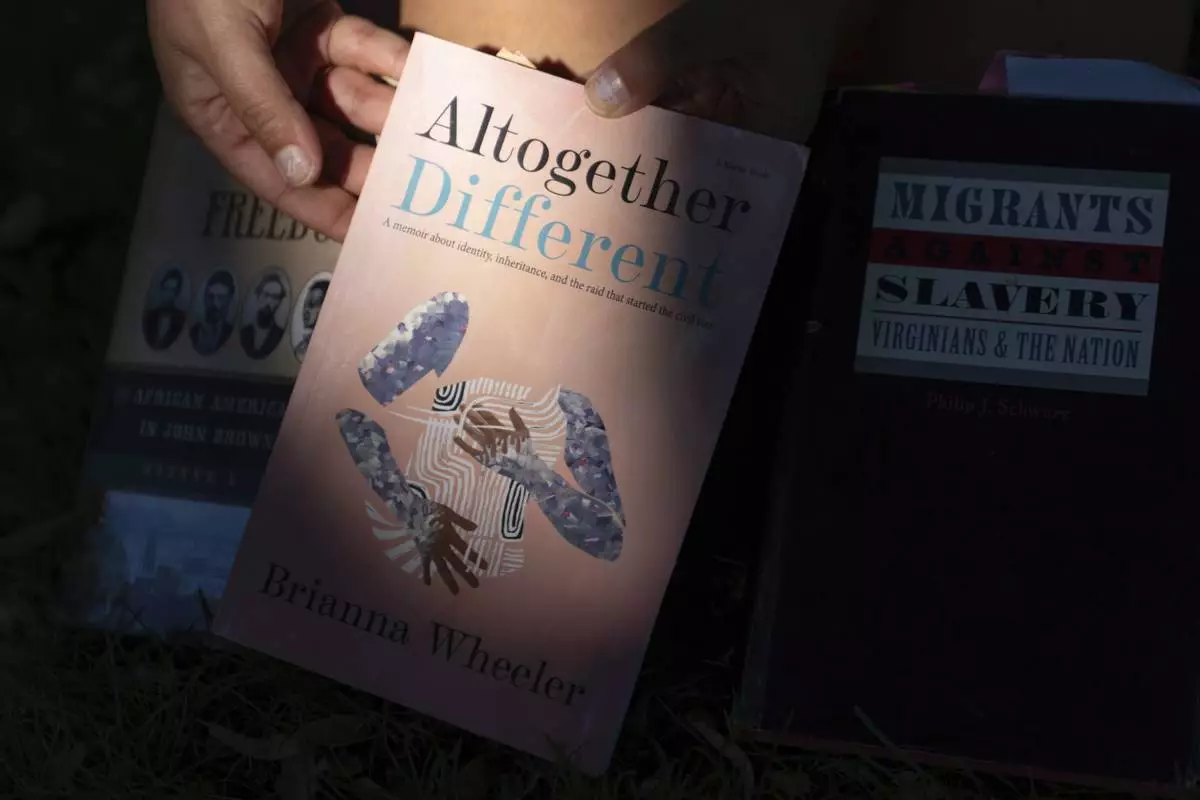
Brianna Wheeler holds her book "Altogether Different" as she poses for photos at Peninsula Park, Monday, Sept. 22, 2025, in Portland, Ore. (AP Photo/Jenny Kane)
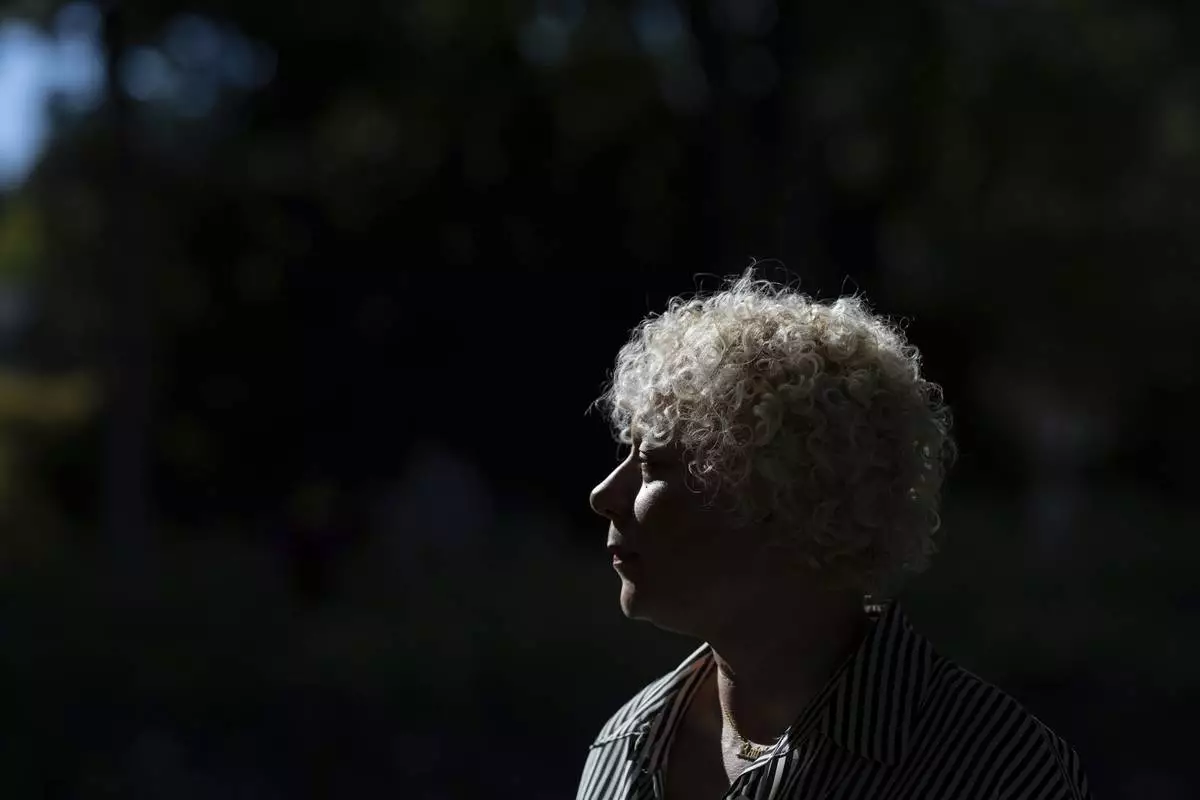
Brianna Wheeler poses for a photo at Peninsula Park, Monday, Sept. 22, 2025, in Portland, Ore. (AP Photo/Jenny Kane)
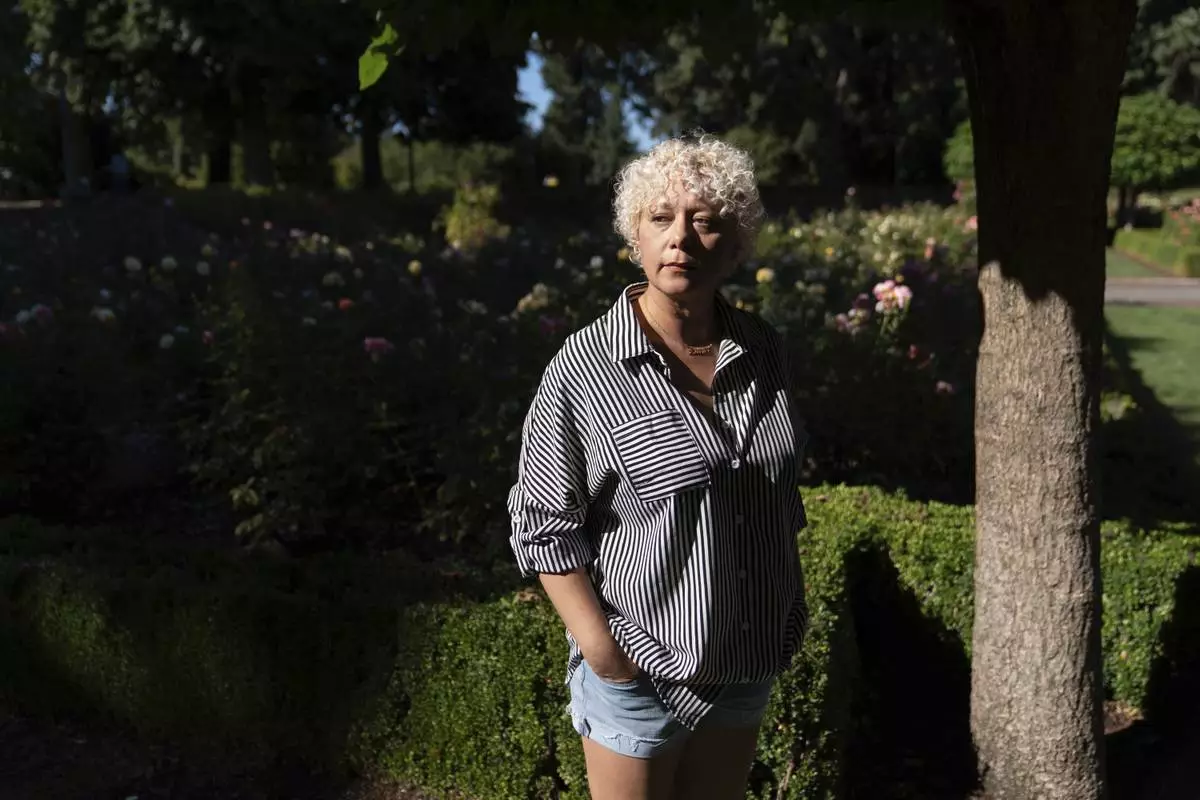
Brianna Wheeler poses for a photo at Peninsula Park, Monday, Sept. 22, 2025, in Portland, Ore. (AP Photo/Jenny Kane)
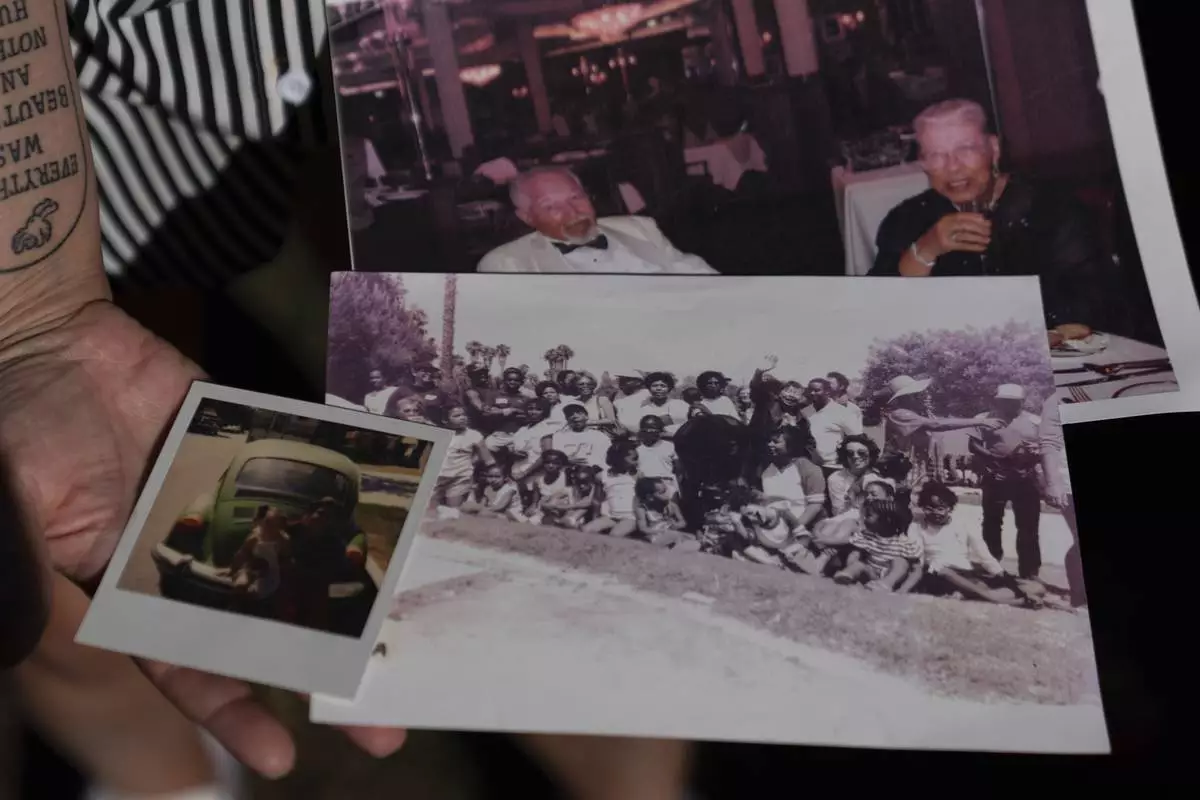
Brianna Wheeler holds family photos, including an image of her grandmother, top right, as she poses for photos at Peninsula Park, Monday, Sept. 22, 2025, in Portland, Ore. (AP Photo/Jenny Kane)
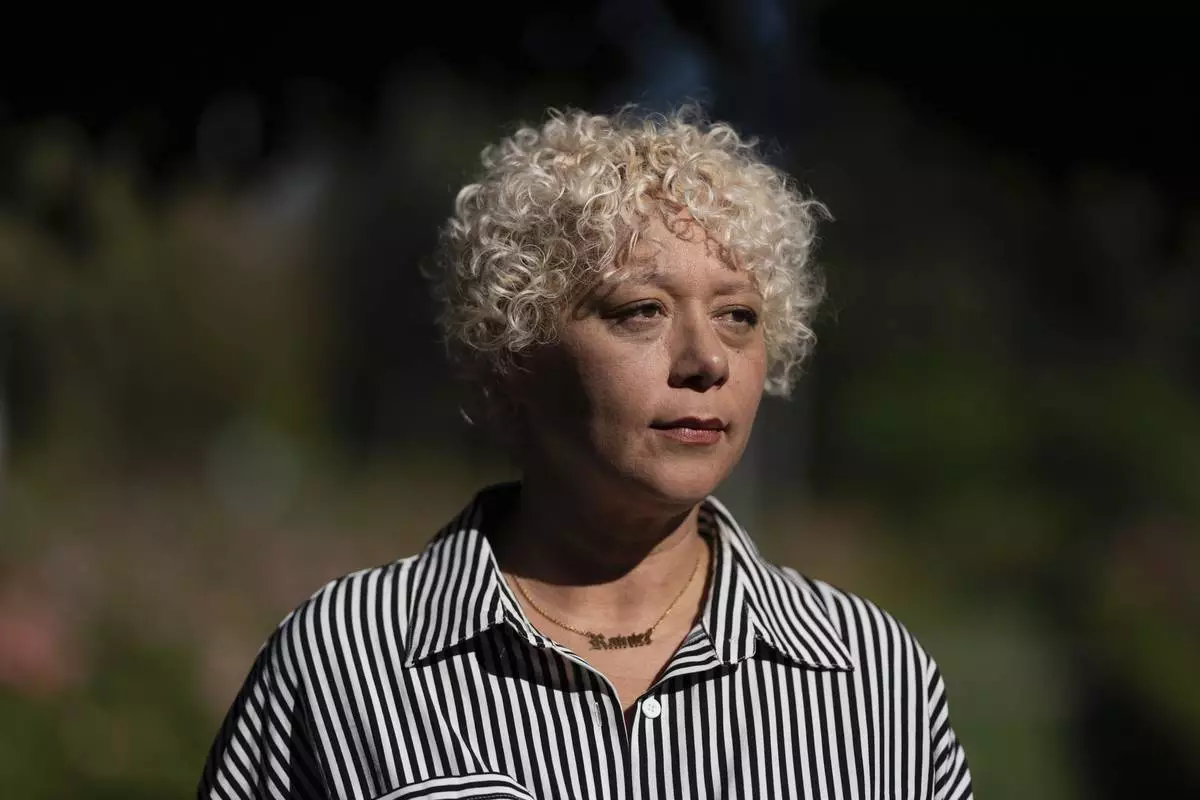
Brianna Wheeler poses for a photo at Peninsula Park, Monday, Sept. 22, 2025, in Portland, Ore. (AP Photo/Jenny Kane)